

Growing tomatoes in containers changes the whole game. Without deep garden soil to fall back on, your pot, your support, and your variety choice carry the load. This roundup gathers the fresh-eating picks, the pantry staples for cooked sauces, and the structural gear that keeps container vines from collapsing under their own weight, so small-space growers can plan a complete setup without guesswork.
An Overview Of The Picks

NatureSweet Cherub Cherry Tomatoes, 10 oz
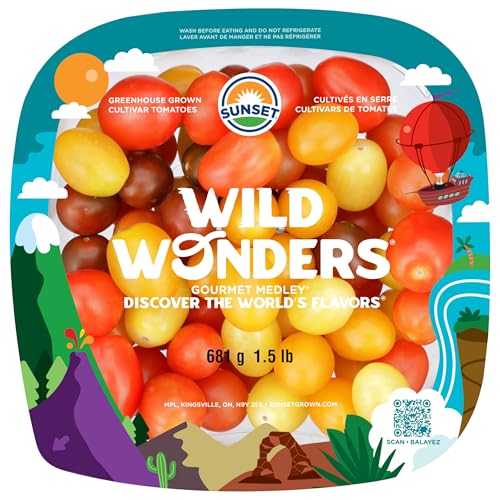
SUNSET Wild Wonders Medley Tomatoes, 1.5 lb

SMT San Merican Whole Peeled Tomatoes, 28 oz

Bionaturae Organic Strained Tomatoes, 24 oz

Halatool 6 Pack Tomato Cages, Up to 63″
Halatool Garden Tomato Plant Cover Netting
More On The Choices That Made The List
Cherry tomatoes from a balcony pot often end up as grab-and-go snacks rather than sliced salad ingredients, and the NatureSweet Cherub format leans into that use case. Each 10-ounce clamshell holds small, snack-sized fruit selected and packed for fresh handling, so the contents tend to hold up nicely in a refrigerator drawer for several days after you bring them home.
For container gardeners who only harvest a handful at a time, the portion size feels practical. You finish the pack before quality drops, and the smaller format beats bulk pints that can spoil before you finish them. The trade-off is that you won’t save money per ounce compared to larger formats, and you’re paying a premium for the convenience of a tidy clamshell.
What Makes Sense
- Snackable size matches how container gardeners actually eat cherry tomatoes, straight from the vine or the fridge.
- Smaller 10-ounce format reduces waste for households that can’t finish a full pint before it softens.
- Stored and packed with freshness in mind, so the clamshell typically arrives in solid condition.
Worth Noting
- Per-ounce cost runs higher than larger medley formats like the SUNSET Wild Wonders covered below.
- Always wash before eating, which adds a step compared to unwashed single-serve options.
- Conventional sourcing may not align with shoppers looking for organic strains.
Whose Shelf It Belongs On
Balcony and patio growers who want a steady snack supply rather than bulk cooking tomatoes.
Look Elsewhere When
SUNSET Wild Wonders Medley Tomatoes suit you better when a colorful mix of shapes matters more than uniform cherries.
Variety is the whole point of the Wild Wonders medley. Instead of one shape and one color, you get a mix of sizes and shades in a single 1.5-pound pack, which suits gardeners who plate by color or just want their harvest to feel visually lively. Compared with the uniform Cherub pack above, this one trades consistency for character.
The naturally sweet, juicy profile holds up well across cooking uses. Toss them into salads, halve them over flatbread, or fold them into a quick pasta when the pot yield is small. Storage is forgiving, since the source guidance is room-temperature keeping followed by a wash before eating, which fits a relaxed kitchen workflow rather than a strict produce rotation.
The Value In It
- Mixed shapes and colors give plated dishes more visual interest than single-variety packs.
- Versatile flavor profile moves easily from raw salads to cooked pastas and omelets.
- 1.5-pound pack size feeds a small household through several meals without forcing daily shopping.
- Year-round availability means container growers can supplement off-season pots with consistent store supply.
Points To Note
- Shape variation means uneven halving, which can frustrate presentation-focused cooks.
- Room-temp storage guidance shortens usable life if your kitchen runs warm.
Feature Snapshot
Right Fit For
Home cooks who want fresh salad tomatoes that double as a colorful garnish for plated meals.
Skip It When
NatureSweet Cherub Cherry Tomatoes work better if you mostly eat tomatoes by the handful as a snack.
Container pots rarely produce enough volume to can or stew down into sauce, which is where a pantry can steps in. San Merican’s 28-ounce can of whole peeled tomatoes covers a sauce session for two or three, and the brand has built recognition among chefs who want a balanced acidity for slow-cooked bases.
Where fresh picks like the Wild Wonders medley shine raw, this product goes the other direction. Crush by hand for a rustic pizza sauce, simmer with garlic for a weeknight pasta, or build a braise around the whole peeled fruit. If your potted plants underperform in a cool summer, having a quality canned backup keeps the kitchen running.
What It Does Well
- Balanced sweetness-to-acidity ratio that suits both quick weeknight sauces and longer simmers.
- Whole peeled format lets you crush to your preferred texture, from chunky to smooth.
- US-grown and packed supply chain appeals to cooks avoiding long-distance imports.
- 28-ounce can is a useful middle size between small pizza-can formats and large restaurant tins.
Trade Offs
- Once opened, the contents need refrigeration and quick use, which can pressure your weekly planning.
- Whole-peeled format requires crushing or blending, unlike ready-to-pour strained options.
Built With In Mind
Sauce and stew cooks who want a recognizable canned brand to anchor pizza, pasta, and braised dishes.
Consider Something Else When
Bionaturae Organic Strained Tomatoes suit you better for quick weeknight sauces where you want a pour-and-go base.
Strained tomatoes skip the crushing step that whole peeled formats require, which is the appeal of the Bionaturae bottle. The 24-ounce glass arrives ready to pour into a pan, and the no-salt-added formulation leaves seasoning entirely in your hands. Italian sourcing and organic certification round out the package for cooks who read labels carefully.
The “perfect sauce in 5 minutes” framing is a stretch for any real cook, but the strained texture does cut real prep time. You’ll still sauté aromatics, simmer, and adjust, but you skip the can-opener-to-pan juggling act that whole peeled formats demand. Compared with the San Merican can above, this is the lower-fuss pantry option.
What Pays Off
- Strained texture removes the crushing or blending step from weeknight cooking.
- No-salt-added formulation lets you season precisely to taste and dietary needs.
- Italian sourcing and organic certification match shoppers who prioritize ingredient origin.
- Glass bottle format avoids the metallic taste some cooks report from lined cans.
A Few Limitations
- Smooth strained texture leaves no rustic chunks, which limits use in chili or chunky stews.
- Glass bottle adds weight to grocery runs and storage compared with cans or pouches.
- Per-ounce cost typically runs higher than commodity canned tomatoes.
Key Specs
Who Should Grab It
Busy weeknight cooks who want a pour-and-go organic base for pasta, shakshuka, or quick braises.
Another Choice May Suit When
SMT San Merican Whole Peeled Tomatoes work better when you want chunky texture for rustic sauces or pizza.
Indeterminate tomato vines (those that keep growing until frost) need serious support, and a flimsy three-ring cone just won’t cut it past four feet. Halatool’s six-pack of stake-and-arm kits reaches up to 63 inches, which gives indeterminate varieties the headroom to climb without flopping onto the patio. The kit-based approach also beats welded cages for storage.
Container growers should know these are designed for ground beds but adapt to large planters with careful anchoring. The PP plastic construction is reusable season to season, and the snap-together design disassembles for off-season storage in a closet or shed. Depending on your pot size and vine type, you may only need three or four of the six kits.
Real-World Strengths
- 63-inch height handles most indeterminate varieties that shorter cones can’t support.
- Snap-on arms and connecting pipes let you shape each cage to your vine’s growth pattern.
- PP plastic build resists rust and lasts multiple seasons with proper off-season storage.
- Six-pack quantity covers a small patio garden without forcing a second purchase.
- Disassembles flat, which apartment and condo growers appreciate for tight storage spaces.
Practical Considerations
- Anchoring in a container requires deep, heavy pots or additional stakes to prevent tipping.
- Plastic construction can fade or become brittle after several seasons of UV exposure.
- Multi-piece assembly takes longer than pulling a welded cone out of the box.
Best Suited To
Patio gardeners growing tall indeterminate varieties in large planters who need serious vertical support.
Where Another Pick Suits Better
Halatool Garden Tomato Plant Cover Netting fits you better when pest pressure, not vine height, is the bigger worry.
A pot on a patio doesn’t escape bird and squirrel pressure; sometimes it draws more of it because the fruit sits at a convenient snatching height. Halatool’s cover netting solves that problem by slipping over the cage rather than draping loosely on the plant. The 61-by-15.7-inch dimensions match 55- to 72-inch cages, including the Halatool kit above.
The netting forms a physical barrier that keeps birds, squirrels, and larger insects off the ripening fruit without trapping pollinators inside. Two-pack quantity covers a pair of cages or lets you rotate a clean net onto the next plant. In tight urban courtyards where neighbors also share pest pressure, the difference in harvest retention can be substantial.
Features That Help
- Universal fit covers most standard 55-72 inch tomato cages without custom tailoring.
- Physical barrier approach avoids sprays or chemical deterrents on edible fruit.
- Two-pack format rotates between cages or covers a paired setup in one purchase.
- Reusable mesh holds up across multiple seasons when stored dry and folded.
Less Ideal Details
- Netting does not include the cage itself, so you need existing support to anchor it.
- Fine mesh can snag on rough hands during installation, so gloves help.
- Removing netting for pruning or harvesting takes extra time versus open cages.
Spec Overview
Who Will Love This
Urban and suburban patio growers losing ripe fruit to birds, squirrels, or neighborhood critters.
Reach For A Different Pick When
Halatool 6 Pack Tomato Cages suit you better when you need to add support first and worry about pests later.
Planning Your Container Tomato Setup
Choose The Right Variety For Pot Depth
Container depth sets the ceiling on what your tomato plants can do. Shallow pots under 12 inches limit you to compact determinate varieties (plants that grow to a fixed size and produce one main crop) or small cherry types like the NatureSweet Cherub. Deeper planters, 18 inches and up, give indeterminate vines room to stretch, which is where the Halatool cage system earns its keep. Match the variety to the pot first, and the support gear follows naturally.
Decide Between Fresh And Pantry Coverage
A single potted plant rarely covers a household’s annual tomato appetite, so the pantry shelf matters as much as the patio. Canned whole peeled formats like San Merican handle cooked sauces where you want some texture, while strained options like Bionaturae speed up weeknight cooking. Stocking both formats covers the gap when a cool summer leaves your pots underperforming, which happens more often than beginners expect.
Build Support Before The First Fruit Sets
Tall vines need support installed at planting, not after the first trusses form. Trying to retrofit a cage around a sprawling plant usually snaps stems and costs you fruit. The Halatool 6 Pack reaches up to 63 inches, which handles most indeterminate varieties grown in large containers, and the snap-together format adjusts as the vine grows.
Layer Pest Protection With Physical Barriers
Bird and squirrel pressure often arrives overnight the moment fruit starts to color up. Netting like the Halatool cover slips over an existing cage and creates a physical barrier that doesn’t require sprays. If your patio sits under trees or near known pest routes, installing the netting early beats chasing the problem after the first losses.
Common Shopping Slip Ups
Buying Cages Sized For Short Determinate Vines
Many off-the-shelf tomato cones max out around 33 to 38 inches, which suits bush varieties but leaves indeterminate vines unsupported through midseason. A collapsing vine in late July costs you the late fruit, which is often the best of the season. Match cage height to your variety’s mature spread, and overshoot rather than undershoot.
Skipping Sun Mapping Before Pot Placement
Tomatoes want six to eight hours of direct sun, and a spot that looks sunny in April can shade out by midsummer as the sun angle changes. Watch your chosen spot through a full day before settling your pots. A moveable planter on casters solves the problem on patios where the sun shifts across the surface.
The Upgrade Payoff In Cage And Netting Materials
The price gap between a basic welded wire cone and a kit-based system like the Halatool set is real, and the higher tier buys adjustability and storage efficiency. Snap-together PP plastic disassembles flat for off-season closet storage, while a welded cone takes up the same footprint year-round. The taller 63-inch reach also eliminates the need to stake extensions later, which is a hassle most growers only want to do once.
Frequently Asked Questions
How deep does a container need to be for tomatoes?
Most tomato varieties need a container at least 12 inches deep, with 18 inches or more giving indeterminate types the root room they need to sustain a long harvest. Compact cherry and dwarf varieties are the exception, and they can produce in shallower pots if watering stays consistent.
Can a single potted plant produce enough for canning?
A single healthy indeterminate plant in a large container can produce a heavy yield, but it’s still typically short of what a small-batch canning recipe requires. Most home canners plan on three to six strong plants to put up a few jars of sauce or crushed tomatoes, which is why pairing fresh pots with pantry staples like San Merican covers the gap.
When should cages go in relative to planting?
Set cages at planting or within the first two weeks. Installing early avoids root damage and lets you train the vine through the support as it grows rather than fighting a mature plant later. Waiting until fruit sets usually means broken stems and lost lower trusses.
Does netting block pollinators?
Properly sized tomato netting with mesh large enough for bees to pass through won’t significantly block pollinators, since tomato flowers are self-pollinating and don’t require insect visits. The barrier targets birds, squirrels, and larger pests that go after ripening fruit, not the pollinators themselves.
Can I reuse tomato netting season after season?
Yes, when stored dry and folded rather than balled up. Mesh fibers fatigue with UV exposure and rough handling, so rotating between two nets and keeping them out of direct sun during the off-season typically extends useful life to three or four seasons.
The Takeaway
Container tomatoes reward a little planning: pick the variety that matches your pot depth, set support before the first fruit forms, and keep a pantry can on hand for the weeks your pots come up short. The six picks above cover the fresh snack side, the sauce-making staples, and the structural gear that keeps vines upright and fruit protected, so small-space growers can build a complete setup without overbuying.
