

Aloe vera is one of those forgiving houseplants that survives neglect, but the wrong soil can turn that resilience into mush. The trouble is drainage: standard potting mix holds too much moisture around aloe roots, and root rot follows fast. You want a blend built for arid conditions, whether you’re repotting a single kitchen plant or filling a windowsill of succulents.
These ten options cover the range, from gritty cactus blends to lighter all-purpose mixes you can amend with perlite. Some arrive ready to use, others give you a base to customize. All of them lean toward the fast-draining side of the spectrum.
A Quick View Of The Lineup
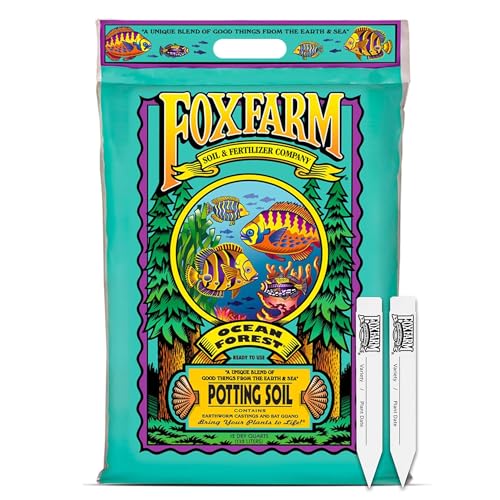
FoxFarm Ocean Forest Potting Soil, 12 Quarts

FoxFarm Ocean Forest Potting Soil, 1.5 Cu Ft
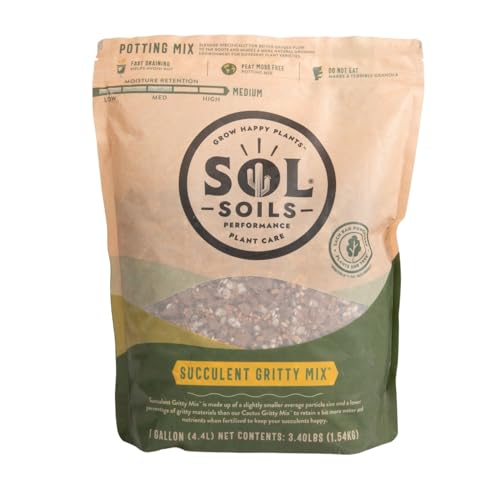
Sol Soils Succulent Gritty Mix, 1 Gallon

Miracle-Gro Potting Mix, 16 Qt. (2-Pack)
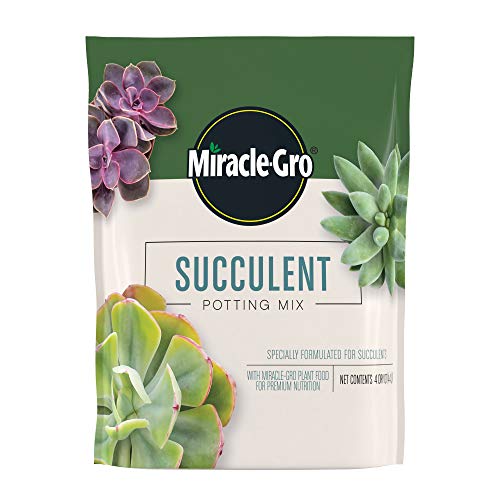
Miracle-Gro Succulent Potting Mix, 4 Qt.

GARDENWISE Organic Olive Tree Potting Mix, 3 Quarts

Miracle-Gro Indoor Potting Mix, 6 Qt., 2-Pack

FoxFarm Ocean Forest Potting Soil, 12 Quart

Back to The Roots Organic Coir, 51 Quart Expanding
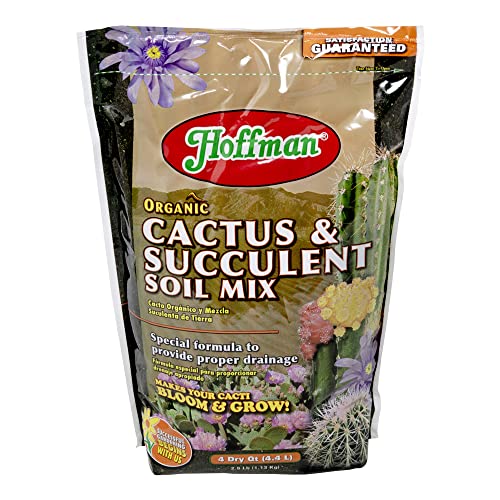
Hoffman 10404 Organic Cactus and Succulent Soil Mix, 4 Quarts
Meet The Standout Selections
You open the bag and the texture tells you most of what you need to know: light, loose, and slightly gritty to the touch. FoxFarm Ocean Forest in the 12-quart size lands in a sweet spot for most aloe owners, big enough to repot a mature plant or two, small enough to stash in a closet without ceremony.
The blend includes earthworm castings along with fish and crab meal, which gives the mix a richer nutrient profile than plain peat-based soils. For aloe, that means you can skip fertilizer for the first few months after repotting. You will want to amend it with extra perlite or pumice for the fastest drainage, but it serves as a solid base.
A Strong Showing
- Ready to use straight from the bag, no mixing required
- Comes with two plant tags for labeling varieties
- Light, aerated texture that resists compaction over time
- Organic amendments feed aloe gently through early growth
- Manageable 12-quart size fits most shelf-storage spots
Things To Consider
- Holds more moisture than a true cactus mix, so amending with perlite helps
- Some owners report occasional small sticks or woody debris in the bag
- Slightly higher cost per quart than basic all-purpose options
Who It Suits Best
You keep a modest aloe collection indoors and want a versatile mix that works across houseplants with minor adjustments.
Consider Something Else When
Sol Soils Succulent Gritty Mix suits you better when pure, fast-draining performance matters more than nutrient richness.
The 1.5 cubic foot version of FoxFarm Ocean Forest covers serious ground, literally. You’re looking at roughly 40 quarts, enough to repot a collection of mature aloes or fill several large containers. It helps if you have storage space, because the bag itself is bulky.
Same recipe as the smaller 12-quart bag: earthworm castings, fish meal, crab meal, and a peat-based base that drains well. The texture stays consistent across batches, which matters when you’re working through a large supply over weeks. Expect to top-dress pots occasionally as the mix settles.
What Helps Most
- Bulk size cuts down on repeated trips for heavy aloe repotting days
- Same proven texture as the smaller FoxFarm bag
- Nutrient-rich enough to support cuttings and pups through establishment
Points To Keep In Mind
- Bulky bag requires dedicated storage space indoors
- You may still want to add extra perlite for aloe’s preferred drainage
- Once opened, the mix can dry out or attract fungus gnats if left unsealed
Right Fit For
You run a sizable indoor succulent operation or want one bulk purchase instead of constant restocking.
Skip It When
FoxFarm Ocean Forest 12 Quarts is the smarter pick when you only repot a couple of plants at a time and lack storage space.
Quick Facts
Sol Soils skips peat entirely, which sets this blend apart from most bagged mixes. You get coconut husk chips, perlite, pumice, and calcined clay working together to keep aloe roots dry and breathing. The texture feels almost gravelly in the bag, which is exactly the point.
This mix works straight out of the bag for aloe, no amendments needed. The one-gallon size suits someone repotting a few small to medium plants. You may find the bag empties faster than expected once you start using it for multiple projects.
The Value In It
- Peat-free formulation aligns with aloe’s low-moisture needs
- Fast-draining ingredients reduce root rot risk significantly
- Pre-mixed, no blending required for use
- Lightweight enough to ship and store without strain
Honest Caveats
- One-gallon bag runs out quickly with multiple repottings
- Higher price point per quart than all-purpose mixes
- Very gritty texture may require wider pot openings to work with
Best Suited To
You want a specialist succulent mix and prefer organic, peat-free ingredients over conventional blends.
Look Elsewhere When
Hoffman 10404 Organic Cactus and Succulent Soil Mix suits you better when you want a more affordable classic cactus blend in a familiar format.
Miracle-Gro Potting Mix in the 16-quart 2-pack delivers volume at a comfortable cost. For aloe specifically, this is not a turnkey solution: the blend is formulated for general flowering and foliage plants, so it retains more moisture than aloe prefers. You will need to cut it with perlite or pumice.
That said, the two-pack format means you can mix a custom blend in one bag while keeping the other sealed for later. The mix feeds plants for up to six months, which lightens the maintenance load once your aloe is settled.
Points In Its Favor
- Large combined volume spreads cost across multiple repottings
- Built-in feeding reduces fertilizer frequency for months
- Widely available at most garden centers and online retailers
- Lightweight texture is easy to work with during potting
Points To Note
- Not formulated for succulents, so amending is necessary for aloe
- Moisture retention is higher than cactus mixes
- Two-bag packaging takes up more storage room than single bags
Made For
You want an affordable base mix for aloe and other houseplants and don’t mind adding perlite to improve drainage.
Reach For A Different Pick When
Miracle-Gro Succulent Potting Mix is the better call when you want a ready-to-use blend without extra amendments.
Feature Snapshot
Miracle-Gro designed this blend specifically for succulents, and the difference shows in the texture. It includes sphagnum peat, perlite, and sand to create a looser mix than the standard all-purpose version. Aloe sits comfortably in it without amendments.
The 4-quart bag fills one 8-inch container, so you know exactly what you’re getting. It suits a beginner who wants to skip the guesswork and repot a single aloe without buying excess soil that may sit around attracting pests.
Positive Takeaways
- Succulent-specific formula saves you from amending
- Sand and perlite create loose, fast-draining structure
- Right-sized bag for small aloe repotting jobs
- Easy to find in garden centers and online
Where It May Fall Short
- Small bag size means frequent repurchasing for multiple plants
- Smaller bag may dry out quickly once opened in dry indoor air
Who Will Love This
You are new to succulents and want a blend that works straight from the bag without extra steps.
Where Another Pick Suits Better
Sol Soils Succulent Gritty Mix fits better when you want a peat-free, organic-leaning option for larger collections.
Built for olive trees, but the Mediterranean-style drainage profile translates beautifully to aloe. The blend leans on organic ingredients like worm castings and compost, balanced with limestone for pH stability. Aloe vera enjoys the same dry, mineral-leaning conditions olive trees thrive in.
You get 3 quarts, enough for a small aloe or two in modest pots. The price per quart runs higher than most picks on this list, which positions it as a specialty choice rather than a bulk workhorse.
Bright Spots
- Fast-draining formula mirrors aloe’s native arid conditions
- Organic worm castings and compost feed gently over time
- Limestone helps maintain stable pH for nutrient uptake
- Works for both indoor and outdoor container use
Some Limits To Know
- Smaller 3-quart bag fills just one or two pots
- Higher cost per quart than general-purpose options
- Olive-tree framing may confuse shoppers looking specifically for succulent labels
Perfect Match For
You keep both olive trees and aloe and want one premium mix that suits both Mediterranean-climate plants.
Not Your Match When
Back to The Roots Organic Coir is the smarter buy when you want a budget-friendly, expandable base for multiple aloe plants.
This indoor formula pairs sphagnum peat moss with coir and perlite, creating a blend that retains moisture while staying aerated. For aloe, the trade-off is similar to the outdoor Miracle-Gro option: workable as a base but not draining fast enough on its own for healthy aloe roots.
The 2-pack format covers a small mixed collection, and the lightweight texture makes it easy to pour into pots. You will want to blend in extra perlite for the aloe portion of your collection while using it straight for tropicals and foliage plants.
Strong Points
- Multi-purpose blend suits mixed indoor plant collections
- Perlite content improves aeration more than basic all-purpose mixes
- Two-bag format offers good value for varied repotting needs
- Lightweight, easy to handle and pour
Practical Considerations
- Still requires perlite amendments for aloe’s preferred drainage
- Coir and peat can compact over time, reducing aeration
Right Fit For
You maintain a mixed indoor jungle of foliage plants and succulents and want one bag that handles most of them.
A Better Fit Elsewhere
Hoffman 10404 Organic Cactus and Succulent Soil Mix is the right call when your collection leans heavily toward succulents and cacti.
Quick Facts
Another 12-quart offering from FoxFarm, this version leans into the container-garden framing with a base of aged forest products, sandy loam, and sphagnum peat moss. The sandy loam is the key ingredient for aloe, giving the mix extra grit that drains more freely than pure peat.
Compared to the original FoxFarm 12-quart bag, this one emphasizes its suitability for both indoor houseplants and outdoor container setups. If you move your aloe outside for summer, that versatility matters.
What Stands Out
- Sandy loam content gives the mix extra drainage for aloe
- Light texture stays aerated over months in containers
- Suitable for indoor and outdoor container use
- Nutrient-rich base supports new transplants and pups
A Few Limitations
- Still benefits from added perlite for the fastest drainage
- 12-quart bag may be more than you need for a single plant
Who Should Grab It
You want a proven, widely used container blend and appreciate the extra sandy-loam content over standard peat-only mixes.
Swap It Out When
Miracle-Gro Succulent Potting Mix fits your situation better when you want a succulent-specific label at a lower price.
Coir comes as a compressed brick that fluffs up to roughly 51 quarts when you add water. For apartment dwellers without garden-shed space, that storage profile is a real advantage. The brick itself fits in a kitchen drawer.
Coir on its own holds more water than aloe likes, so you will mix it with perlite, pumice, or coarse sand at roughly two parts coir to one part drainage amendment. The organic sourcing and expanding format make it a flexible base for custom blends.
Key Advantages
- Compact brick format saves serious storage space
- Expands to 51 quarts, covering many small repotting projects
- Organic coconut coir is a renewable, peat-free resource
- Works for seeds, transplants, and custom soil blends
Things To Weigh
- Requires mixing with perlite or sand for aloe-safe drainage
- Expanding process takes time and a large container
- Inert on its own, meaning no nutrients for plant feeding
Built With In Mind
You live in a small space and want shelf-friendly soil storage, plus you enjoy building your own blend for aloe.
Another Choice May Suit
Miracle-Gro Succulent Potting Mix is the right pick when you’d rather skip the mixing step entirely.
Hoffman has been a familiar name in cactus soil for years, and the 10404 mix shows why. It is professionally formulated for both jungle and desert cacti, with a pH-balanced blend that drains quickly and encourages root development. Aloe, sharing desert roots with many cacti, settles in comfortably.
The 4-quart bag works for one or two small to medium aloe plants. You will know exactly when the mix is ready to use: pour, plant, water sparingly. It is one of the most straightforward options for someone who wants to avoid complicated soil science.
Reasons It Performs
- pH-balanced for healthy nutrient uptake in succulents
- Formulated for both jungle and desert cacti
- Provides the drainage aloe needs to flourish
- Encourages strong root development in young plants
Trade-Offs To Consider
- 4-quart bag fills only one medium pot or two small ones
- Smaller format means more frequent repurchasing for collections
Whose Shelf It Belongs On
You keep a small aloe or two alongside other cacti and want a trusted, no-fuss cactus blend.
A Better Fit Elsewhere
FoxFarm Ocean Forest Potting Soil 12 Quart fits better when you want more volume and richer organic content for the same plants.
At A Glance
What To Look For In Potting Mixes For Aloe Vera
Aloe vera evolved in sandy, rocky soils where rain drains away in minutes. Anything that holds water near the roots for too long invites rot, so drainage sits at the top of the priority list. Texture matters more than nutrient richness at this stage; you can always feed lightly later.
Look for mixes that include perlite, pumice, coarse sand, or calcined clay. These mineral amendments create air pockets and keep water moving through the root zone. Avoid blends built around straight peat moss, which compacts over time and stays soggy.
Reading The Ingredient List
The label tells you most of what you need to know. Peat moss and coir are common bases, but they retain moisture, so their presence means the mix should also include drainage aids. Earthworm castings, compost, and fish meal add slow-release nutrition, which is useful but secondary to drainage for aloe.
pH balance is another quiet but important detail. Aloe prefers a slightly acidic to neutral range, around 6.0 to 7.0. Cactus-specific blends often arrive pre-balanced, while general mixes may need a small handful of limestone to settle into the right zone.
Bag Size And Storage Reality
A bag of potting mix that sits open in a humid garage can attract fungus gnats or grow mold before you finish it. Match bag size to how quickly you will use it. A 4-quart bag fits one repotting; a 12-quart bag covers a small collection; the 1.5 cubic foot bulk size suits a serious operation. Coir bricks sidestep the storage problem entirely.
Ready-To-Use Versus Custom Blends
Some mixes arrive formulated for succulents out of the bag. Others, including standard all-purpose blends and pure coir, expect you to amend them. Beginners benefit from ready-to-use options like Miracle-Gro Succulent Mix or Hoffman 10404. Experienced growers often prefer building their own blend from coir and perlite.
Common Slip Ups And Where The Extra Money Goes
Pitfalls Shoppers Hit
The most common mistake is treating aloe like a tropical houseplant and using moisture-retentive mixes. Standard potting soil holds too much water and suffocates aloe roots within weeks. Another frequent slip is skipping drainage holes in the pot, since even the best mix fails if water pools at the bottom.
Some shoppers over-buy massive bags for a single plant, then struggle to store the leftover mix without pest problems. Buying close to your actual need keeps things tidy.
Why Top Tier Costs More
Premium blends earn their higher price through specialized ingredients like calcined clay, pumice, and organic compost blends that resist compaction. Lower-cost options lean on cheaper peat bases that work for general houseplants but demand amendments for aloe.
The premium tier also tends to arrive pre-balanced for pH and pre-mixed for succulents, saving you time and guesswork. For a small collection, that convenience is often worth the markup. For a large operation, buying base ingredients in bulk and mixing your own is the smarter spend.
Frequently Asked Questions
Can I Use Regular Potting Mix For Aloe Vera?
You can, but you should amend it with perlite, pumice, or coarse sand at roughly a one-to-one ratio. Regular mix holds too much moisture for aloe’s roots, and amendments bring the drainage closer to what the plant needs.
How Often Should I Repot Aloe Vera?
Most aloe plants need repotting every two to three years, or sooner when pups crowd the container. Spring and early summer are the gentlest windows, since the plant is actively growing and recovers quickly.
Do Aloe Plants Need Fertilizer?
Aloe grows well without much feeding, especially in nutrient-rich blends like FoxFarm Ocean Forest. A light feeding once or twice during the growing season is plenty, and over-fertilizing tends to produce weak, leggy growth.
What Pots Work Best With These Mixes?
Terracotta pots pair especially well with well-draining mixes, since the clay walls wick away excess moisture. Plastic pots work too but hold water longer, so adjust your watering schedule accordingly.
Is Cactus Soil The Same As Succulent Soil?
The two overlap heavily, and either typically works for aloe. Cactus blends tend toward even faster drainage, while succulent mixes may retain a touch more moisture. Both beat standard all-purpose potting soil for aloe.
Wrap Up
The right potting mix sets the foundation for everything else in aloe care, and choosing one built for arid conditions removes most of the guesswork. Fast drainage, light texture, and a touch of organic matter cover nearly every aloe situation, whether you keep one kitchen plant or a full windowsill collection. Match the mix to your storage space, your willingness to amend, and the size of your collection, and your aloe will reward you with steady, healthy growth.
