

That mushy, yellowing succulent on your windowsill almost certainly has a drainage problem, not a watering problem. A standard bag of multi-purpose potting soil holds far too much moisture for plants that evolved in arid conditions, and most succulents respond by rotting at the crown. The right mix gives roots a gritty, airy structure that drains in seconds and dries out predictably between drinks. This roundup walks through ten strong options, from chunky custom blends to simple amendments you can mix in yourself.
A Fast Comparison Of The Options

MODELLOR Coco Coir Bricks 4-Pack, 5 lb

FoxFarm Ocean Forest Potting Soil, 1.5 cu ft
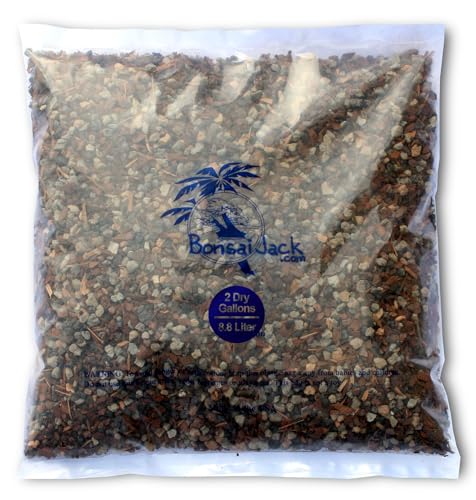
Bonsai Jack Universal Organic Bonsai Soil Mix #221, 2 Gallons

MICRO LANDSCAPE DESIGN Lithops Soil Mix, 3 lb
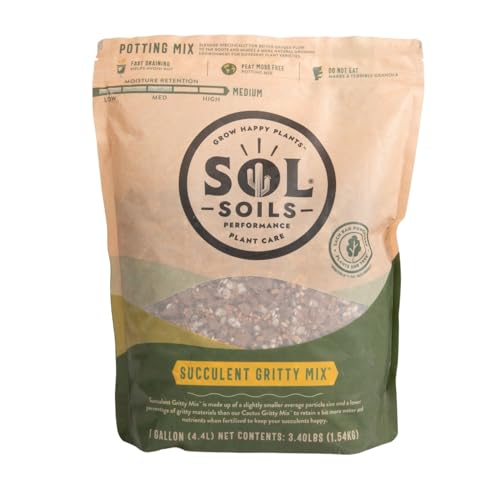
Sol Soils Succulent Gritty Mix, 1 Gallon
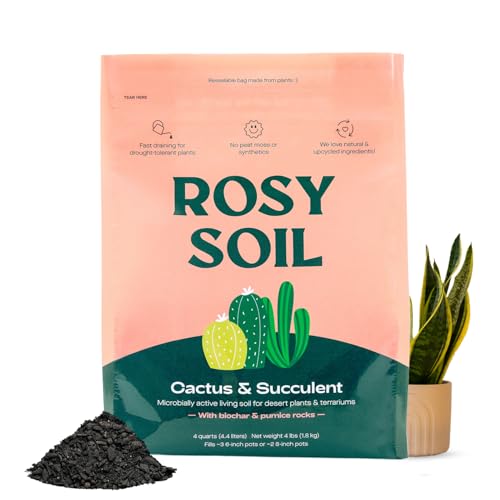
Rosy Soil Cactus & Succulent Mix, 4 Quarts

Rosy Soil Houseplant Potting Soil, 4 Quarts

Rosy Soil Aroid Soil Mix, 4 Quarts

NOHOBE Hard Akadama Bonsai Soil, 2.5 lb

Horticultural Pumice, 14 Dry Quarts
More On The Choices That Made The List
Starting a succulent mix from scratch usually means buying a bulky bag, and storage gets awkward fast in a small apartment. These compressed coir bricks solve that problem by arriving shelf-stable, with four total bricks expanding into roughly nine gallons of fluffy medium once hydrated.
You’ll want to pair these with pumice, perlite, or the Bonsai Jack mix below, since coir alone holds more moisture than most succulents tolerate. As a peat-free base that you can amend freely, though, the format is hard to beat for a tinkerer.
A Few Strong Suits
- Four-pack form factor stores easily on a closet shelf until you need it
- Expands into about nine gallons of medium, enough for several small pots
- Triple-washed and pH-balanced, so it skips the salt-rinsing step most loose coir needs
- Rehydrates quickly with warm water and fluffs up to a consistent texture
Things To Consider
- Coir alone is too moisture-retentive for succulents, so plan on adding grit
- Hydration takes a few minutes of soaking and breaking apart per brick
Whose Shelf It Belongs On
DIY mixers and small-space gardeners who want a peat-free base they can customize to their climate.
A Better Fit Elsewhere
Grab the Sol Soils Succulent Gritty Mix instead if you’d rather skip the blending step and pour a ready-made medium straight into pots.
This is the bag that shows up in half the plant shops on social media, and for good reason. FoxFarm builds Ocean Forest as a rich, ready-to-use blend that works straight out of the bag for a wide range of container plants, including many succulents that enjoy a touch of organic matter.
The honest read is that “all container plants” is doing some heavy lifting in the listing. For very gritty, desert-native succulents like lithops, you’ll still want to cut it with pumice. For echeveria, haworthia, and most jade-family plants, it tends to be a strong fit on its own.
A Favorable Mix
- Ready to use straight from the bag with no mixing or rinsing required
Honest Caveats
- Retains more moisture than desert succulents prefer, so amendment is often necessary
- Heavier than gritty mixes and compacts over time in long-term pots
- The 1.5 cu ft size is awkward to store in a small closet or under a sink
- Contains organic fertilizers that can burn sensitive freshly propagated cuttings
Key Specs
Who It Suits Best
Beginners and mixed-planter households who want one bag to handle succulents, tropicals, and herbs without juggling three different products.
Skip It When
Reach for Bonsai Jack Universal Organic Bonsai Soil Mix #221 instead, since your collection leans toward arid lithops or cacti that demand sharper drainage.
If you’ve ever lost a succulent to mysterious rot despite a careful watering schedule, the cause usually traces back to a fine, peat-heavy medium. Bonsai Jack flips that script with a screened, pre-washed, gritty blend engineered for sharp drainage and predictable drying.
The two-gallon bag sounds small, but it goes further than you’d think since the particles don’t compact. For a serious collector juggling dozens of small pots, this is a credible workhorse rather than a specialty luxury.
Real Benefits
- Pre-screened and washed, so dust and fine particles are already removed
- Engineered pH around 6.4, a comfortable neutral for most succulents
- Fast water absorption paired with quick evaporation between drinks
- Reusable long-term since the particles don’t break down as quickly as peat
- Backed by phone support and a long track record in the bonsai community
Points To Keep In Mind
- Carries a steeper cost per quart than peat-based mixes
- Gritty texture means top-dressing may shift in shallow, wide pots
Made For
Collectors and intermediate growers running a rotation of small to medium succulents who want one trusted medium across the whole shelf.
Consider Something Else When
Pick the MICRO LANDSCAPE DESIGN Lithops Soil Mix if your focus is specifically on living stones and other mesembs that need an even grittier profile.
Lithops, often called living stones, punish casual care more than almost any other succulent on the shelf. They sit dormant for stretches, tolerate very little organic matter, and rot the moment their tap root stays damp. This mix is built around that reality rather than the average succulent.
The bag also includes a bonus live mini lithops, which is a small but thoughtful touch for someone just stepping into the mesemb hobby.
A Strong Showing
- Loose, airy structure that lets the tap root breathe and drain
- Settles around roots for stable anchorage in shallow pots
- Includes a bonus live mini lithops to start your collection
- Three-pound bag yields roughly two quarts of finished medium
Small Caveats
- Overkill for general succulents that don’t need such sharp drainage
- Small bag size makes it costly if you repot a large collection
Best Suited To
Hobbyists focused on lithops, conophytums, and other mesembs that need extreme drainage and minimal organic matter.
Look Elsewhere When
The Bonsai Jack Universal Organic Bonsai Soil Mix #221 makes more sense for a mixed succulent shelf rather than a single-species setup.
Peat harvesting has an environmental footprint that bothers a lot of indoor gardeners, and Sol Soils sidesteps the issue entirely. This peat-free blend uses coconut coir chips (coco coir is a fiber extracted from coconut husks), perlite, pumice, and calcined clay to deliver fast drainage without any peat at all.
It’s also genuinely engineered for root-rot prevention, which is the chronic problem for succulent keepers in humid apartments or bathrooms.
Benefits That Matter
- Peat-free formula eases concerns about bog habitat sustainability
- Multi-ingredient structure optimizes both aeration and drainage
- Calcined clay (a heat-treated clay that holds moisture in porous pellets) helps buffer watering mistakes
- Repels compaction, so roots stay active across multiple growing seasons
Worth Noting
- Sits at the higher end of the price-per-quart spectrum
- Coir chips can float during the first few waterings before settling
Feature Snapshot
Right Fit For
Eco-conscious indoor gardeners in humid climates who want a peat-free medium engineered specifically for rot prevention.
Not Your Match When
FoxFarm Ocean Forest Potting Soil is the easier call for someone who wants a single, general-purpose bag for mixed planters rather than a succulent-specific blend.
Most succulent soils pack tight over time, squeezing the air pockets roots need to stay healthy. Rosy Soil leans into the opposite philosophy with a chunky texture that stays loose across many waterings, and adds beneficial fungi plus worm castings (worm compost, a nutrient-rich natural fertilizer) to support long-term soil life.
For growers who want their soil to do more than just hold a plant upright, this blend brings some biological activity to the party.
Standout Benefits
- Chunky, airy texture resists compaction across many water cycles
- Living soil microbes support nutrient availability over time
- Worm castings add gentle, organic nutrition without burning roots
- Fast drainage reduces the risk of crown rot in humid rooms
Trade Offs
- Chunky pieces can fall out of drainage holes in nursery pots
- Holds a touch more moisture than purely mineral mixes
Who Will Love This
Apartment growers and reblooming succulents (plants that flower repeatedly with proper care) who want a biologically active medium that won’t suffocate roots.
Swap It Out When
Pick the Rosy Soil Aroid Soil Mix instead if your shelf leans toward monsteras and philodendrons that want even more bark and chunk.
Not every pot on a typical windowsill is a succulent. The Rosy Soil houseplant blend rounds out the brand’s lineup with a peat-free, organic indoor mix designed around biochar (a charcoal-like soil amendment that improves structure and microbial life), worm castings, and mycorrhizae (beneficial fungi that form partnerships with plant roots to boost nutrient uptake).
It’s softer and more moisture-retentive than the company’s succulent-specific bag, so it serves a different role on the shelf.
Everyday Perks
- Peat-free, organic formula suits sustainability-minded growers
- Living soil components support root health over months of growth
- Biochar helps the mix resist compaction across many waterings
- No synthetic fertilizers or fillers added to the bag
Small Limitations
- Retains more moisture than dedicated succulent blends, so use cautiously for arid species
- Higher cost per quart than basic houseplant mixes
Built With In Mind
Indoor gardeners running a mix of tropicals, pothos, and less drought-tolerant succulents who want one organic bag across the shelf.
Another Choice May Suit
Reach for the Rosy Soil Cactus & Succulent Mix if your collection tilts heavily toward echeveria, haworthia, and other moisture-sensitive plants.
Yes, aroids aren’t succulents, but plenty of indoor gardeners keep both on the same shelf, and the chunky mix that monsteras crave looks a lot like what some caudex succulents (plants with thick, swollen stems that store water) appreciate. This bag brings pine bark fines, pumice, and biochar together for fast drainage and serious airflow.
For shelves heavy on Monstera, Philodendron, and Anthurium, it’s a credible specialty option rather than a generic blend.
What It Does Well
- Engineered chunkiness that mimics how aroids actually grow in the wild
- Biochar contributes long-term structure and microbial support
- Pine bark resists breaking down across many water cycles
- Drains fast even in deep pots that hold a lot of moisture
Practical Considerations
- More bark than a typical succulent mix, so not ideal for tiny rosette species
- Larger bark pieces can clog nursery pot drainage holes
The Right Fit
Shelves dominated by tropical houseplants like Monstera, Philodendron, and Alocasia that want airflow around their roots.
Where A Sibling Pick Shines
The Rosy Soil Cactus & Succulent Mix is a better match for echeveria and haworthia, which prefer a finer particle profile.
Akadama is a Japanese clay granule prized in bonsai for the way it holds moisture in its pores while still letting excess drain freely. NOHOBE offers it in a small-grain size (1/8 to 1/4 inch) that suits both bonsai and small succulents, and adds a clever twist: the granules darken visibly when wet.
That color change is a built-in watering indicator, which is genuinely useful for beginners who tend to second-guess their schedule.
Bright Spots
- Granules darken with moisture, giving a visual cue for watering
- Hard structure resists breaking down across multiple seasons
- Works as a soil amendment or top dressing depending on the look you want
- Small grain size fits shallow bonsai pots and small succulent containers
Potential Compromises
- Used alone, akadama costs more per pound than most multi-ingredient mixes
- Best results come from blending with pumice or lava rock in many setups
Feature Card
Perfect Match For
Bonsai growers and detail-oriented succulent keepers who want a tidy, traditional medium with a built-in moisture signal.
Where Another Pick Suits Better
Pick the Horticultural Pumice amendment if you’re blending your own mix and need a cheaper mineral component to stretch the bag.
Not technically a complete soil, but 14 dry quarts of screened pumice is the kind of bulk that pays off fast for anyone mixing their own. Pumice is a porous volcanic rock that holds a small amount of moisture while letting the rest drain through, and it doesn’t decompose like peat or bark.
For a large collection, this bag quickly becomes the backbone of every custom blend on the shelf.
Practical Advantages
- 14-quart volume covers a large collection or many repotting sessions
- Lightweight and porous, so it improves drainage without weighing pots down
- Permanent structure that won’t break down across years of use
- Blends easily with coir, peat-free bases, or bagged cactus mixes
Some Limits To Know
- Used alone, pumice holds very little nutrient, so plants need feeding separately
- Dry dust at the bottom of the bag calls for a quick rinse before first use
- Larger 14-quart bag takes up meaningful storage space
Feature Snapshot
Who Should Grab It
Big-collection growers and budget blenders who want to stretch cheaper base mixes into sharper, faster-draining blends.
Reach For A Different Pick When
The Bonsai Jack Universal Organic Bonsai Soil Mix #221 is the easier grab if you’d rather skip the measuring cups and pour a finished medium directly.
What Matters Most Before Choosing Potting Mixes For Succulents
Drainage Comes First, Always
A succulent medium that holds water too long is the most common cause of rot, even when watering habits are reasonable. Look for blends built around coarse mineral components like pumice, perlite, calcined clay, or grit, and treat any mix that feels peat-heavy with caution. The right medium should let water run through in seconds and feel noticeably dry within a few days under normal indoor conditions.
Match The Mix To Your Climate
Humid apartments, sunny windowsills, and outdoor patios create very different drying profiles. Growers in dry, warm homes can often get away with blends that include more organic matter, while those in cool or humid rooms should lean toward grittier, mineral-forward options like Bonsai Jack or the lithops-specific mix. Honestly matching your local humidity beats following generic advice written for a different climate.
Size Your Bag To Your Collection
Buying in bulk saves money per quart, but pumice and pre-mixed soils are awkward to store in small spaces. The MODELLOR coco bricks solve that for one ingredient, while the 14-quart pumice bag rewards growers with room to spare. Match the bag size to how often you actually repot, since old, opened soil can lose structure over many months.
Consider Sustainability And Long-Term Use
Peat harvesting has ecological costs that matter to a growing number of indoor gardeners, and several blends on this list sidestep it entirely. Rosy Soil, Sol Soils, and the MODELLOR coir base all use alternatives like coir, biochar, and compost. Mineral amendments like pumice and akadama also last across many years without breaking down, reducing how often you need to refresh your supply.
Key Considerations Across These Picks
Common Shopping Slip Ups
The biggest mistake is reaching for any bag labeled “potting soil” without checking the texture. Most general-purpose blends are too dense for succulents and lead to rot within weeks of repotting. A second common slip is ignoring pot drainage: even the best medium fails in a container without a hole. For growers in humid rooms, skipping gritty amendments entirely is also a frequent regret, since what works in Arizona doesn’t always work in a steamy bathroom.
Where The Extra Money Goes
Premium blends cost more because they’re screened, pre-washed, and engineered around consistent particle size. That process removes fine dust that otherwise compacts into a dense layer at the bottom of the pot, choking roots. Specialty mixes like the lithops formula or akadama granules also target narrow use cases that generic blends simply don’t address. For a small, focused collection, the upgrade pays off in fewer losses and less guesswork. For a sprawling shelf, the value calculus often points back to bulk pumice and a coir base.
Frequently Asked Questions
Do Succulents Need Special Soil Or Just Any Potting Mix?
Succulents need fast-draining soil, which most standard potting mixes don’t provide. Regular blends hold moisture too long and typically lead to root rot. A dedicated succulent or cactus mix with plenty of pumice, perlite, or grit makes a real difference in long-term plant health.
Can I Use Regular Potting Soil With Added Perlite?
Yes, blending regular potting soil with extra perlite or pumice is a common workaround. A roughly fifty-fifty ratio is a reasonable starting point, though very rot-prone species may want even more mineral content. Pre-made succulent blends remove the guesswork for most indoor growers.
How Often Should I Repot My Succulents?
Most succulents benefit from repotting every two to three years, or whenever roots start circling the pot. Fresh medium restores drainage and structure, since old soil tends to compact over time. Always repot into dry soil and wait a few days before watering to let any root damage heal.
Is Peat Moss Bad For Succulents?
Peat moss itself isn’t harmful, but it holds a lot of water and breaks down into a dense layer over time. For succulents, that means slower drying and a higher rot risk. Many growers prefer peat-free blends using coir, biochar, or compost for better long-term structure.
What Is The White Stuff In Succulent Soil?
White particles are usually perlite or pumice, both of which are added to improve drainage and aeration. Perlite looks like small Styrofoam-like beads, while pumice is a heavier, sand-colored volcanic rock. Both serve the same general purpose of keeping the mix loose and well-draining.
Bottom Line
The right succulent mix comes down to matching drainage to your environment and your plants. Beginners running a small mixed shelf will find FoxFarm Ocean Forest forgiving and convenient, while serious collectors with humid rooms will appreciate the engineering behind Bonsai Jack or Sol Soils. For anyone building a custom blend, the MODELLOR coir bricks paired with bulk pumice make a sustainable, cost-effective foundation. Pick the medium that matches how you actually water, not how you wish you did.
