

Vegetables in containers live or die by their soil. A heavy garden bed mix compacts in a pot, roots suffocate, and water either puddles or runs straight through. The right growing medium keeps air moving, feeds hungry crops, and stretches between waterings long enough that you don’t return to wilted seedlings every July afternoon. Whether you’re working with a balcony rail, a windowsill herb row, or a row of fabric grow bags along the driveway, the medium you choose shapes the entire season. This roundup looks at ten mixes and amendments worth your attention, from dense organic blends to airy perlite and worm-powered boosters that turn ordinary soil into something vegetables actually want to grow in.
A Fast Comparison Of The Options

MODELLOR Coco Coir Bricks 4-Pack (5 lb)

Legigo 4 Quarts Organic Perlite

CANNA Coco Brick 40L Expandable

FoxFarm Ocean Forest Potting Soil 1.5 cu ft

Worm Bliss Organic Worm Castings 1 Qt

Legigo 15 Quarts Organic Perlite

Legigo 20 Quarts Organic Perlite

Legigo 6 Quarts Organic Perlite
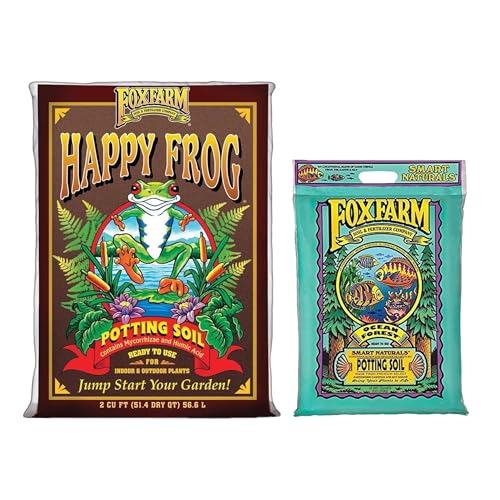
FoxFarm Happy Frog + Ocean Forest Bundle

Back to the Roots Organic Coir 51 Quart
The Picks, Examined More Closely
Compressed coco coir, the fibrous husk material from coconut shells, has earned its spot as a workhorse seed-starting medium. The MODELLOR bricks ship as four compact blocks weighing 5 lb total, and once soaked in warm water they expand to roughly 9 gallons of fluffy, peat-free material. That ratio matters for anyone working out of an apartment closet or a small greenhouse bench.
The mix arrives triple-washed with low salt content, which is a quiet but real advantage. Coco coir in its raw form carries natural salts and a slightly off pH, and skipping the wash step is one of the most common reasons seedlings stall. For most home gardeners, a single brick rehydrates inside a 5-gallon bucket in under an hour, so setup is genuinely beginner friendly.
What Stands Out
- Expands to 9 gallons from a 5-lb package, freeing up shelf space before use
- Triple-washed and pH-balanced, removing the most common coco failure point
- Peat-free and organic, fitting organic gardening routines
- Reusable across multiple seasons when rinsed and refreshed
Things To Consider
- Plain coco coir has almost no native nutrients, so a liquid feed schedule kicks in within the first two weeks
- The fine texture can compact over time in tall containers, depending on watering habits
Feature Snapshot
Made For
First-time seed starters who want a forgiving, peat-free base that hydrates quickly and stays clean on a windowsill.
Consider Something Else When
Vegetable gardeners growing heavy feeders like tomatoes should pair this with the FoxFarm Ocean Forest Potting Soil for a richer start.
Perlite, the white, porous volcanic stone you see in commercial potting mixes, has one job: keep soil from collapsing into a dense brick. The Legigo 4-quart bag is sized for tight herb planters and small indoor vegetable pots where a larger perlite container would be wasted. Coarse-grade pieces hold air pockets that roots genuinely need, especially in plastic containers that don’t breathe.
For apartment growers managing a handful of pepper or lettuce pots, this volume is a clean match. You mix roughly one part perlite to three parts potting soil, and the medium stays loose without floating to the surface the way finer grades sometimes do.
Real-World Strengths
- Coarse, evenly sized pieces resist floating and migration during watering
- Neutral pH keeps it from skewing your soil chemistry
- Lightweight enough to mix in by hand without straining
- Compact 4-quart volume suits small storage shelves
Honest Caveats
- Plain perlite carries no nutrients, so regular feeding still has to happen
- The bag runs out fast once you start refreshing several medium containers
Right Fit For
Windowsill vegetable gardeners tending a few pots who need a single bag of perlite without oversupply.
A Better Fit Elsewhere
Anyone conditioning a raised bed or multiple grow bags will get more mileage from the Legigo 15 Quarts Organic Perlite later in this list.
CANNA is a name familiar from the hydroponics world, and this 40L brick reflects that heritage. The dry volume sits at 8 liters, so a single brick opens up into a five-fold expansion that fills a sizeable container or two mid-sized grow bags. CANNA markets the brick as a natural plant medium, and the substrate is genuinely reusable across seasons when flushed and re-buffered between cycles.
The honest read is that this sits at the higher end of the coco range, mostly because of the consistency. Uniform fiber length and a clean buffer step mean fewer surprises once you start feeding. For most home vegetable gardeners, a single brick covers a season in a couple of large planters.
Useful Touches
- Single brick expands to 40L, filling bigger containers without buying more
- Reusable substrate, which trims annual replacement costs
- Natural plant medium free of mineral additives
- Clean buffering cuts down on calcium and magnesium drift
Points To Keep In Mind
- Nutrients still need to come from a regular feed, not the brick itself
- A 40L expansion demands a large soaking vessel, like a storage tote
Quick Facts
Who Should Grab It
Container vegetable gardeners running larger setups who want a premium, reusable coco substrate without buying bag after bag.
Skip It When
Someone starting a single small herb pot would do just as well with the MODELLOR Coco Coir Bricks 4-Pack.
FoxFarm’s Ocean Forest has a long reputation among container vegetable growers, and the 1.5 cu ft bag is the size most home gardeners reach for. The blend is light and aerated rather than dense, so it pours cleanly into pots without compacting, and it’s marketed as ready to use straight from the bag. That alone saves a step when you’re trying to get transplants into soil before a heat wave rolls in.
For tomatoes, peppers, and other heavy feeders, this is a sensible starting point because the blend is built with richer organic inputs in mind. The texture stays open through the season, which helps when you’re watering daily in midsummer.
Positive Takeaways
- Ready-to-use out of the bag, skipping any mixing step for transplants
- Light, aerated texture resists compaction in long-term containers
- Formulated for the full range of container plants, including vegetables
- 1.5 cu ft volume covers a meaningful number of mid-size pots
Points To Note
- The bag is heavy to carry from the curb in one trip, depending on your layout
- Nutrient levels drop after the first month, so supplemental feeding picks up
Feature Rundown
Perfect Match For
Backyard and patio vegetable growers planting tomatoes, peppers, or squash who want a richer, ready-to-go base.
Look Elsewhere When
Seed-starting gardeners working purely with trays might prefer the lighter MODELLOR Coco Coir Bricks for the first stage.
Worm castings, the rich end product of earthworm digestion, function less like soil and more like a concentrate. Worm Bliss ships a 1-quart jar of OMRI-listed castings, which means it carries organic certification for food-growing use. You don’t plant directly in castings; you blend them into existing soil at roughly 10 to 20 percent by volume to lift nutrient density.
Vegetables respond well to that boost, especially leafy crops like lettuce and kale that pull a lot of nitrogen. For most gardeners, a single quart stretches further than expected because the application rate stays low.
Notable Upsides
- OMRI-listed for organic food growing
- Small jar keeps the castings dry and easy to scoop
- Low application rate stretches a quart across many pots
- Compost-based, manure-free composition suits vegan gardening routines
Trade Offs
- Works as an amendment, not a stand-alone medium, so it pairs with another base
- The 1-quart size runs out quickly across a full raised bed
Built With In Mind
Vegetable gardeners looking to enrich an existing container mix with a clean, organic nutrient boost.
Reach For A Different Pick When
Anyone starting fresh in a new container should anchor with the FoxFarm Ocean Forest Potting Soil and add this castings jar on top.
Stepping up from the 4-quart jar, the Legigo 15-quart bag lands in the sweet spot for gardeners conditioning several raised beds or a row of grow bags. Coarse perlite, the same grade as the smaller sibling, holds air pockets that keep vegetable roots breathing through hot weather. Neutral pH keeps the mix from drifting, which matters when you’re blending with peat or compost that already carries its own chemistry.
Vegetable gardeners tending tomatoes, squash, or root crops in fabric pots will use perlite faster than expected. A 15-quart bag covers a meaningful batch without overflowing the storage shelf.
A Favorable Mix
- 15-quart volume suits multiple grow bags or a small raised bed
- Coarse grade resists floating to the surface during watering
- Volcanic origin and neutral pH won’t skew soil balance
- Stores cleanly in a sealed container between uses
Soft Spots
- Larger bag requires a dry storage spot to keep dust down
- Plain perlite still needs paired nutrition from compost or fertilizer
Spec Overview
Best Suited To
Grow-bag gardeners cultivating tomatoes, peppers, or root vegetables across several containers in one season.
Swap It Out When
Anyone with only a single small herb pot would be oversupplied with perlite and better matched to the Legigo 6 Quarts Organic Perlite.
The 20-quart Legigo perlite is the largest volume in the brand’s range, and it shifts the use case from single containers to bulk conditioning. Vegetable gardeners amending a full raised bed, refreshing multiple grow bags between seasons, or building a custom mix for a community plot will get genuine mileage out of the bag. Coarse perlite performs the same drainage and aeration role, just at a scale that smaller jars can’t match.
For most gardeners, this much perlite doubles as a multi-season investment, assuming you keep the bag sealed and dry between uses.
Why It Works Well
- Largest perlite volume in the line for bulk soil conditioning
- Even particle size keeps drainage uniform across large batches
- Stores well when poured into a sealed bin after opening
- Neutral pH protects against accidental soil shifts
Worth Bearing In Mind
- Bulk volume means more weight to manage and store than smaller jars
- Dust during pouring calls for a quick rinse or outdoor mixing
Whose Shelf It Belongs On
Vegetable gardeners managing full raised beds, multiple grow bags, or community garden plots who need perlite at scale.
Not Your Match When
Balcony gardeners with two or three pots should save shelf space and pick the Legigo 6 Quarts Organic Perlite instead.
The 6-quart Legigo bag sits between the smallest jar and the mid-size 15-quart option, covering gardeners who want more than a single refresh without committing to bulk. Coarse perlite, neutral pH, and the same consistent sizing carry over from the rest of the line, so a 6-quart bag mixes in cleanly with bagged potting soil for one or two mid-size pots.
For most gardeners refreshing a single container mid-season or starting a small herb planter, this volume hits the mark without leftovers sitting around indefinitely.
Where It Excels
- Mid-small volume suits one or two container refreshes
- Coarse grade keeps drainage stable in fabric grow bags
- Neutral pH works alongside compost and peat blends
- Compact bag fits standard gardening shelves
Less-Strong Areas
- Runs out quickly when used on multiple large containers
- Pure perlite still requires a feeding plan for vegetables
The Right Fit
Single-container vegetable gardeners refreshing one pot or building a small herb planter from scratch.
Another Choice May Suit
Grow-bag gardeners handling several containers should reach for the Legigo 15 Quarts Organic Perlite to avoid running short.
FoxFarm’s bundle pairs Happy Frog, a 2 cu ft bag built around soil microbes and aged forest products, with a 12-quart bag of the Ocean Forest blend covered earlier in this list. Vegetable gardeners running mixed plantings appreciate having both on hand, because Happy Frog leans toward seedlings and lighter feeders while Ocean Forest handles the heavy drinkers. You may find that one bag outpaces the other depending on what you grow, but having both covers the rotation.
For most backyard setups with at least a handful of containers, the combo removes the guesswork of choosing a single blend.
Strengths Worth Knowing
- Two distinct blends cover seedlings and mature plants
- Happy Frog’s microbe focus suits early-stage vegetable roots
- Ocean Forest component handles tomatoes and fruiting crops
- Bundle ships from a gardening-oriented seller
Possible Compromises
- Two bags means more storage space than a single product
- Some gardeners may not need both blends in a single season
Who Will Love This
Backyard vegetable gardeners running a mix of seedlings, herbs, and fruiting crops who want flexibility across one growing season.
Where A Sibling Pick Shines
Single-purpose gardeners focused only on seed starting will skip the heavy mix and just use the MODELLOR Coco Coir Bricks.
Back to the Roots ships an organic coconut coir block that expands to roughly 51 quarts once hydrated, a generous yield for a single, shelf-friendly brick. Apartment gardeners benefit most because the dry footprint stays minimal until water goes in, and the coir itself is light to carry from the door to the kitchen counter. The result is fluffy, peat-free material suited to both seed starting and potting up small vegetables.
For most gardeners new to container growing, this is a clean entry point: one block, one bucket of water, and an afternoon of setup.
Good Reasons To Consider
- Single brick expands to 51 quarts, trimming the storage footprint
- Organic coconut coir fits organic gardening routines
- Works for both seed starting and potting up
- Light dry weight makes transport easier than bagged soil
Some Limits To Know
- Pure coir has no native nutrients, so feeding starts early
- A large bucket or tote is needed for full hydration
Who It Suits Best
Apartment and balcony gardeners who want one brick that opens up into a generous batch of organic growing medium.
Where Another Pick Suits Better
Gardeners growing heavy feeders should anchor with the FoxFarm Ocean Forest Potting Soil for a richer starting point.
What Matters Most Before Choosing Potting Mixes For Vegetables
Match The Medium To The Container
Pots and grow bags need a lighter, airier mix than in-ground beds because roots can’t push outward to find space. Gardeners working with small fabric pots benefit from mixes built around coco coir or peat with perlite blended in, while larger containers and raised beds can hold a richer blend with compost and worm castings. Container size drives the choice more than crop type in most cases.
Drainage And Aeration Come First
Vegetables drown when soil stays waterlogged, especially in plastic containers without drainage holes. A medium with visible perlite or coarse material keeps air pockets alive through heavy summer watering. For most gardeners, a quick squeeze test before buying tells the story: a good mix crumbles rather than forming a sticky ball.
Nutrient Density Depends On The Crop
Leafy greens and herbs tolerate leaner mixes and pick up steam with a monthly feed, while tomatoes, peppers, and squash pull hard on nutrients from day one. Worm castings added at planting give a slow-release start, and richer blends like Ocean Forest cover the first month before supplemental feeding kicks in. For most home setups, a two-product plan (one base, one amendment) handles an entire season.
Consider Storage And Resealing
Compressed bricks and perlite bags store far longer than opened bagged soil, which can develop fungus gnats if left sitting in a humid shed. Apartment gardeners with limited storage tend to favor coir bricks and perlite jars over multi-cubic-foot soil bags, even if the per-quart cost runs a touch higher.
Key Considerations Across These Picks
Common Shopping Slip Ups
The biggest mistake is buying rich garden soil for containers. Garden soil compacts fast in pots, suffocating roots and turning into a heavy brick by midsummer. Another pitfall is assuming perlite alone feeds plants, since perlite only aerates and has no nutrient value on its own. For most gardeners, checking that the bag is labeled for containers rather than beds saves a season of frustration.
Where The Extra Money Goes
Premium blends like FoxFarm Ocean Forest or CANNA Coco command higher prices because of the organic inputs and the buffering process that lowers salts and balances pH. The upgrade pays off for heavy feeders and for gardeners reusing containers season after season, since the cleaner base keeps roots healthier over time. For most gardeners, paying up front for a richer base trims the cost of fertilizers and rescues later in the season.
Frequently Asked Questions
What Is The Best Type Of Potting Mix For Growing Vegetables In Containers?
A light, well-draining mix built around coco coir, peat, or composted bark with added perlite works well for most container vegetables. Avoid garden soil, which compacts in pots.
Can I Reuse Old Potting Mix For A New Season Of Vegetables?
Reusing last season’s mix is fine if you refresh it with new perlite and a scoop of worm castings to lift nutrient levels. Old mix often compacts and loses structure, so fluffing it up before replanting helps roots re-establish.
How Often Should I Water Vegetables In Pots?
Watering frequency depends on weather and container size, but most vegetables in pots need daily attention during hot stretches. Stick a finger into the top inch of soil; if it feels dry, it’s time to water.
Do I Need To Add Fertilizer To Potting Mix?
Yes, container vegetables benefit from regular feeding because the limited soil volume runs out of nutrients fast. Liquid feed every two weeks or a slow-release granular at planting both work, depending on how often you want to mix fertilizer into your routine.
Is Coco Coir Better Than Peat For Vegetable Gardens?
Coco coir is a renewable byproduct, while peat comes from slow-growing bogs, so coir wins on sustainability. Both hold water and air well, but coir rehydrates more easily after drying out, which matters in pots that occasionally go bone dry.
Closing Thoughts
The right mix turns container vegetable growing from a chore into a steady, productive routine. Start with a base that fits your pot size, layer in perlite for air, and add worm castings or a richer blend if you’re growing heavy feeders. Most gardeners do best with a two-product approach: a primary medium and one amendment. Match the choice to your space, your crops, and how often you want to refresh between seasons, and the rest tends to take care of itself.
