

Healthy container plants start with the right growing medium, yet most gardeners grab whatever bag is closest and hope for the best. The wrong texture, drainage, or nutrient base leads to root rot, stunted herbs, and sad-looking houseplants by midsummer. Choosing between perlite, peat blends, coco coir, and tropical mixes gets confusing fast, especially when every label claims to be the perfect all-purpose option.
This roundup focuses on real, widely available potting media that suit common container setups, from small herb pots on a kitchen windowsill to large patio planters holding tropical foliage. Each pick includes a clear use case, honest trade-offs, and practical ownership notes so you can match the medium to the plant without second-guessing the bag in your hand.
A Quick View Of The Lineup

ZeeDix 3QT Coarse Perlite for Plants
FoxFarm Ocean Forest Potting Soil 12 Quarts

FoxFarm Ocean Forest Potting Soil 1.5 cu ft
Miracle-Gro Potting Mix 16 qt.

ZeeDix 6QT Coarse Perlite for Plants

Miracle-Gro Indoor Potting Mix 6 qt., 2-Pack

ZeeDix 3QT Tropical Potting Mix for Monstera & Pothos
ZeeDix 1QT Coarse Perlite for Plants

Back to The Roots Organic Coir 51 Quart

ZeeDix 1QT Tropical Potting Mix for Plants
Taking A Closer Look At The Options
Perlite isn’t a finished potting soil on its own, but as an amendment (something you mix into an existing blend to change its behavior) it solves the most common container problem: dense, slow-draining medium. ZeeDix’s 3-quart bag gives you a manageable amount of coarse perlite, the small white volcanic-glass particles used to loosen soil, sized between 3 and 9 millimeters. Mixed into a standard peat or coir base, it opens up air pockets so roots can breathe.
For most home growers with a windowsill herb pot or a small orchid mount, this size covers one or two repottings without much waste. Unlike ready-to-use blends later in this list, perlite demands a base mix to actually do its job.
Good Reasons To Consider
- Coarse 3-9mm grade creates durable air pockets that don’t collapse under watering weight.
- Lightweight enough to mix comfortably by hand without straining your wrist.
- Neutral pH, meaning it won’t shift soil acidity for sensitive orchids or succulents.
- 3-quart volume suits a small plant collection without storing half a bag long-term.
Trade Offs
- Dust at the bottom of the bag tends to settle out; pouring slowly reduces airborne particles during mixing.
- Not a standalone growing medium, so you’ll still need a peat, coir, or bark base on hand.
- White particles can float to the surface after heavy watering, which some find visually distracting.
Who It Suits Best
Container gardeners amending one or two small pots of succulents or orchids who already keep a base mix nearby.
Where Another Pick Suits Better
Plant owners wanting a finished, ready-to-pour medium should reach for FoxFarm Ocean Forest Potting Soil 12 Quarts instead.
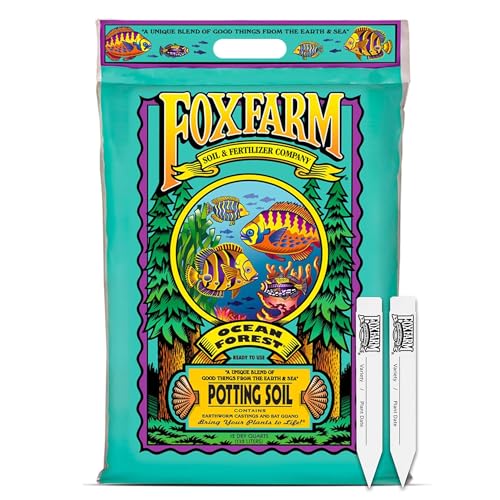
FoxFarm’s Ocean Forest line is the kind of blend that arrives smelling faintly of the ocean thanks to its fish and crab meal content. Unlike the bare perlite amendment above, this is a finished, ready-to-pour medium built around earthworm castings (worm-processed organic matter that improves nutrient availability), fish meal, and crab meal, layered into a light, aerated base. You open the bag and plant directly.
The 12-quart size lands in a useful middle ground: enough for several small-to-medium containers or a couple of larger ones, but not so bulky that you’re stuck with an open bag losing freshness. Two included plant tags are a small but practical touch for keeping track of varieties on a crowded shelf.
A Few Strong Suits
- Ready to use straight from the bag, no blending or measuring required.
- Nutrient-dense organic ingredients feed seedlings through early establishment without extra fertilizer.
- Light, aerated texture suits both houseplants and outdoor container arrangements.
Honest Caveats
- The organic smell fades after a few waterings but is noticeable in an enclosed room the first week.
- Higher nutrient load can burn very young or sensitive seedlings if used undiluted.
- Bag size is awkward for anyone repotting just one tiny plant; some medium will go unused.
Key Specs
Made For
Gardeners starting seeds, transplanting houseplants, or refreshing a small container collection who want a nutrient-rich, ready-to-use blend.
Not Your Match When
Anyone repotting large patio planters should consider the bigger FoxFarm Ocean Forest 1.5 cu ft bag for better value per quart.
Same trusted Ocean Forest formula, scaled up for serious container work. At 1.5 cubic feet, this bag covers a full season of patio planter refreshes, multiple large houseplant repottings, or a batch of new outdoor arrangements. The texture and ingredient profile mirror the smaller 12-quart version above, so consistency matters if you top off pots with the same blend year over year.
You’ll want a tarp or wheelbarrow for handling, since the bag is genuinely heavy once delivered. Where the 12-quart option suits a small windowsill project, this one earns its keep for gardeners working at scale.
The Practical Payoff
- Larger volume typically lowers the cost per quart compared to the 12-quart size.
- Same proven ingredient blend as the smaller bag, so no learning curve for repeat FoxFarm users.
- Suits every container type from small herbs to large patio shrubs.
Points To Note
- Once opened, the bag has no resealable closure, so transfer to a storage bin is wise to keep moisture out.
- Heavy to lift and maneuver for a single-person gardener; a hand truck or two-handed carry helps.
Best Suited To
Active gardeners refreshing multiple containers each season or planting large patio pots who want a single purchase to cover it all.
Look Elsewhere When
You only need to repot a single small houseplant, where the 12-quart FoxFarm Ocean Forest Potting Soil fits the job more economically.
Miracle-Gro’s classic 16-quart potting mix is the dependable sedan of container media: not flashy, but it shows up and does the job. The blend combines composted bark, sphagnum peat moss, and perlite, creating a base that holds moisture while still draining well enough for most flowering annuals, herbs, and patio vegetables.
Where the FoxFarm blends lean organic, this one is geared toward gardeners who want a consistent, broadly compatible medium that works across many plant types without special handling. It’s a sensible default for outdoor pots on a porch or steps.
Benefits That Matter
- Widely available and familiar to gardeners who have used it across multiple seasons.
- Holds moisture long enough to reduce watering frequency in sunny outdoor spots.
- 16-quart size strikes a balance between small and bulk formats for moderate container use.
Room For Improvement
- Not tailored for orchids, succulents, or other plants with specific drainage needs.
- Some gardeners find the included fertilizer short-lived for heavy-feeding plants, requiring supplementation.
Feature Snapshot
Right Fit For
General-purpose container gardeners growing a mix of annuals, herbs, and patio vegetables who want a reliable, broadly compatible medium.
Consider Something Else When
Tropical plant collectors should explore the ZeeDix 3QT Tropical Potting Mix for Monstera and Pothos, which targets aroid-specific needs.
Same coarse 3-9mm perlite as the 3-quart pick earlier, just doubled in volume. Where the smaller bag covers one or two small pots, the 6-quart version spreads across a full shelf of succulents, a propagation tray, or a multi-planter refresh without leaving you short. The larger size also tends to settle a better price per quart for gardeners who already know they like this amendment.
Compared to the finished FoxFarm blends, perlite still demands a base medium to work with. Think of it as the texture tuner, not the full meal.
Positive Takeaways
- Doubled volume reduces the per-quart cost compared to the 3-quart size.
- Covers several medium containers or one large batch of succulent repotting.
- Coarse grade resists breaking down into dust during typical watering cycles.
Softer Spots
- Storage space matters, since a 6-quart bag takes up more shelf or garage room than the smaller sibling.
- Still not a complete growing medium; requires pairing with peat, coir, or bark.
Who Should Grab It
Multi-pot succulent or orchid gardeners who already blend their own mixes and want perlite in volume at a better per-quart cost.
Reach For A Different Pick When
You’d rather skip measuring and blending entirely, in which case the Back to The Roots Organic Coir offers a single-product approach.
This Miracle-Gro blend targets the indoor side of the container gardening world, where overwatering and poor airflow quietly kill more houseplants than pests. The mix uses sphagnum peat moss, coir (coconut-husk fiber known for holding moisture while staying light), and perlite in a balanced ratio that retains and releases water gradually. You get two 6-quart bags, which sounds modest but covers a small collection of medium houseplants.
Unlike the outdoor 16-quart mix earlier, this formula is designed without compost or bark that can attract fungus gnats in enclosed rooms. That alone makes it worth considering for plant owners who have battled those little pests in the past.
Everyday Wins
- Two-bundle format keeps a fresh bag sealed until needed, reducing pest and mold risk.
- Lightweight texture suits small indoor pots where a heavy blend compacts quickly.
- Formulated without bark or compost that can draw fungus gnats indoors.
Minor Gripes
- Not specialized for orchids, succulents, or other plants with unusual drainage or airflow needs.
- Smaller total volume than the 16-quart outdoor bag, so heavy indoor gardeners may run out mid-season.
Feature Card
Whose Shelf It Belongs On
Apartment dwellers and houseplant collectors who want a pest-resistant, lightweight blend designed specifically for enclosed indoor conditions.
Swap It Out When
Your collection leans toward aroids and tropicals, where the ZeeDix 3QT Tropical Potting Mix is built for those specific root systems.
Aroids (the plant family that includes Monstera, Pothos, and Philodendron) evolved on rainforest floors where their roots grip loose bark and decaying leaf matter rather than dense soil. Standard potting mixes hold too much water for them, leading to yellowing leaves and mushy stems. This ZeeDix tropical blend is a 5-in-1 pre-mixed formula targeting that exact issue, opening the bag and pouring it straight into your planter.
At 3 quarts, it covers a single medium Monstera repotting or several smaller pothos and philodendron refreshes. The trade-off is that you don’t get a large multi-plant batch in one bag.
The Value In It
- Pre-blended formula removes the guesswork of mixing your own aroid medium.
Things To Consider
- Specialized blend offers no real benefit for non-tropical houseplants or outdoor containers.
- Bag size may leave you short for a full collection of larger specimens.
- Higher porosity means more frequent watering than denser general-purpose mixes.
Who Will Love This
Plant parents building a small aroid collection who want a ready-to-use medium matched to tropical root needs.
A Better Fit Elsewhere
Gardeners growing a mix of tropical and non-tropical plants should consider the broader Miracle-Gro Potting Mix 16 qt. for cross-collection versatility.
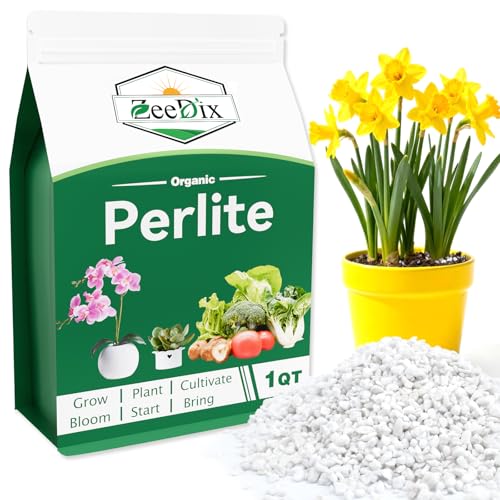
For one or two small pots, a full 3-quart perlite bag feels like overkill. The 1-quart size lands in a sweet spot: enough coarse perlite to amend a single succulent repotting or a small orchid refresh without storing leftover material for months. Same 3-9mm grade as the larger ZeeDix bags, just at a friendlier portion.
It’s the trial-size version of a familiar amendment, useful for beginners testing whether perlite-amended mixes work for their setup.
Everyday Perks
- Single-quart portion fits on a shelf in a small apartment or utility closet.
- Lower commitment for gardeners new to amending their own mixes.
- Coarse grade matches the larger ZeeDix perlite bags for consistency.
Worth Noting
- Per-quart cost runs higher than the 3 or 6-quart bags.
- Still requires a base medium to actually function as a growing environment.
Perfect Match For
First-time amenders repotting a single small succulent or orchid who want to test the approach without committing to a larger bag.
Skip It When
You maintain several planters and want a better per-quart value, in which case the ZeeDix 6QT Coarse Perlite covers more pots at lower cost.
Compressed coconut coir (a fiber made from coconut husks) is the format problem-solver of the list. Back to The Roots ships a small, dense brick that expands to roughly 51 quarts once you add water, eliminating the bulky bag storage that comes with peat or bark-based media. For apartment gardeners without a garage, that compression alone is worth considering.
The expanded coir works well for seed starting and general potting, with strong water retention and good airflow. It’s a clean, organic material that doesn’t bring along the bark chunks or perlite dust of other blends.
Where It Delivers
- Tiny compressed brick takes up minimal shelf space until activated.
- Expands to a generous 51-quart working volume for multiple projects.
- Organic coconut coir retains water while keeping structure loose for roots.
Small Caveats
- Requires a soaking and breaking-up step before use, unlike ready-to-pour blends.
- Nutritionally neutral on its own, so seedlings and heavy feeders need supplemental fertilizer.
Quick Facts
Built With In Mind
Apartment gardeners, balcony growers, and seed starters with limited storage who want a single brick that yields a full bag’s worth of working medium.
Another Choice May Suit
Anyone wanting a nutrient-rich, ready-to-pour blend with no soaking step should reach for FoxFarm Ocean Forest Potting Soil 12 Quarts instead.
The trial-size companion to the larger 3-quart tropical blend earlier. This 1-quart bag gives curious gardeners a way to test whether aroid-specific mix suits their setup before committing to a bigger purchase. It carries the same 5-in-1 pre-mixed formula, just in a portion sized for one or two small tropicals.
For anyone whose plant shelf holds a single pothos cutting and a baby philodendron, the smaller bag avoids the storage question that comes with a 3-quart purchase.
Useful Highlights
- Small portion suits a starter aroid collection without leftover waste.
- Pre-blended formula requires no measuring or ingredient sourcing.
- Same proven recipe as the larger 3-quart tropical blend from the same brand.
Trade-Offs To Consider
- Per-quart cost is higher than the larger 3-quart tropical mix.
- Too specialized for general houseplants or outdoor containers.
- Runs out quickly for anyone collecting more than a couple of plants.
Whose Shelf It Belongs On
First-time aroid growers testing out a tropical-specific medium before investing in a larger bag for a full collection.
Where A Sibling Pick Shines
Gardeners committed to aroid care who need more volume should move up to the ZeeDix 3QT Tropical Potting Mix for Monstera & Pothos.
What To Weigh Before Choosing Potting Mixtures
Match The Medium To The Plant Type
General-purpose blends work fine for annuals, herbs, and most flowering patio plants, but they tend to hold too much moisture for orchids, succulents, and tropical aroids. Matching drainage and texture to the plant family prevents the most common container failure: roots sitting in dense, slow-drying soil. For mixed plant shelves, keeping two blends on hand is often simpler than searching for one perfect mix.
Consider Bag Size Against Your Real Workload
The biggest practical mistake is buying a bulk bag for one or two small pots, then watching the rest of the medium compact, sour, or attract fungus gnats over the following months. Smaller bags (1 to 3 quarts) suit beginners and small collections. Bulk bags (12 quarts and up) make sense for active gardeners repotting multiple containers each season. Compressed coir bricks offer a third path: a small package that expands to a large working volume.
Indoor And Outdoor Plants Have Different Needs
Indoor plants live in stable temperatures with limited airflow, so blends with compost or bark can attract fungus gnats or develop surface mold. Indoor-specific formulas lean on peat, coir, and perlite for a cleaner medium. Outdoor containers face wind, sun, and faster drying, so blends with composted bark and moisture-retaining ingredients tend to perform better in those conditions. The same plant can thrive in one and struggle in the other, depending on the medium choice.
Smart Considerations Before You Buy
Common Slip Ups Worth Dodging
Grabbing a bag because the label says “all-purpose” is a frequent trap. All-purpose covers a wide range but rarely excels for any one plant type. Succulents in all-purpose mix stay wet too long, and orchids drown in the same blend. Reading the ingredient list and matching it to your plant collection matters more than brand recognition or bag size.
Another misstep is buying amendments like perlite without a base medium to mix them into. Perlite alone won’t sustain plant growth, and starting from scratch means sourcing multiple bags before potting even begins. Beginners often do better with a finished, ready-to-pour blend until they understand which amendments their plants actually need.
Where Spending More Earns Its Place
Premium blends like FoxFarm Ocean Forest justify their cost through richer organic ingredients and consistent texture, which matters for gardeners starting seeds or transplanting delicate seedlings where uniform conditions affect success rates. The upgrade also pays off in convenience: pre-mixed formulas remove the measuring, sourcing, and trial-and-error of building your own blend.
For casual hobbyists repotting hardy annuals, a standard potting mix delivers similar visible results at a lower cost. The premium tier earns its keep when plant health, convenience, or specialized plant needs are the priority rather than the bottom-line price per quart.
Frequently Asked Questions
What Is The Difference Between Potting Soil And Potting Mix?
Potting soil often contains actual soil or composted materials and tends to be denser, while potting mix is a soilless blend built around peat, coir, perlite, or bark. Container gardeners generally prefer soilless mixes because they drain more predictably and weigh less, especially in large patio pots.
Can I Use Outdoor Potting Mix For Indoor Houseplants?
You can, but blends containing composted bark or organic matter may attract fungus gnats indoors. Indoor-specific formulas skip those ingredients for a cleaner medium. Switching from an outdoor blend to an indoor one often reduces pest pressure in the first month.
How Often Should I Replace Potting Mix In Containers?
Most container plants benefit from fresh medium every one to two years, since nutrients deplete and structure compacts over time. Refreshing the top few inches between full repottings helps maintain aeration. Heavy feeders like tomatoes and large patio annuals usually need annual refreshes.
Is Coir Better Than Peat Moss For Containers?
Coir retains moisture similarly to peat but rewets more easily after drying out, and it comes from a renewable source. Peat moss has been the traditional choice but raises sustainability concerns. For most container setups, either works; the decision often comes down to watering style and storage format.
Do I Need To Add Fertilizer To These Mixes?
Most ready-to-use blends include a starter nutrient charge that lasts a few weeks to a couple of months. For long-term container plantings, supplemental feeding through a balanced liquid or slow-release fertilizer keeps growth steady. Specialized mixes and compressed coir tend to start with fewer nutrients, so earlier feeding helps.
Wrap Up
Container gardening success usually comes down to matching the medium to the plant, the space, and your watering habits. Perlite amendments tune drainage in custom blends, finished potting mixes cover general-purpose use, and specialized tropical or coir products handle plant families with specific needs.
Start with what you’re growing, pick the smallest bag that realistically covers your containers, and expand from there as your collection grows.
