

Cacti reward a steady hand and the right substrate. Most houseplant soils hold too much moisture for desert-adapted roots, and soggy potting mix is the fastest route to rot, collapse, and a sad little plant on a sunny windowsill. You want a mix that drains fast, breathes well, and still gives roots something to grip. The lineup below leans heavily on gritty, low-organic blends, with a few all-purpose picks that you can amend for cactus work. Pick based on your plant’s stage, your pot size, and how hands-on you want to be with mixing.
A Closer Look At The Lineup

FoxFarm Ocean Forest Potting Soil, 1.5 cu ft
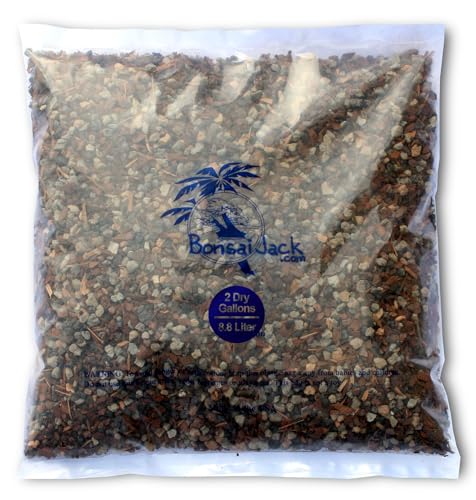
Bonsai Jack Universal Organic Bonsai Soil Mix #221, 2 Gallons

Plantonix Char Bliss Organic Biochar (8 Quarts)

Dalton’s Orchiata Bark Small, 1 Gallon

Micro Landscape Lithops Soil Mix, 3 lb

Spike & Bloom High Drainage Bonsai Soil Mix (4 Quarts)

Spike & Bloom Succulent Soil with Coffee Compost (4 Quarts)

Back to the Roots Organic Coconut Coir, 51 Quart

Spike & Bloom Cactus Soil Potting Mix (4 Quarts)

NOHOBE Hard Akadama Bonsai Soil, 2.5 lb
The Details Behind The Selections
FoxFarm Ocean Forest is the bag most gardeners reach for first, and for cactus you treat it as a base rather than a finished mix. The 1.5 cu ft bag is light and airy on its own, so roots can settle in without compaction. Out of the bag, it leans richer than a true cactus wants, which is exactly why experienced growers cut it with pumice or grit.
You benefit most from this bag if you already keep amendments on hand, or you grow mixed containers where some plants want organic matter and others want a leaner profile. For most backyards and balcony setups, a 1.5 cu ft bag covers a season of routine repotting.
Bright Spots
- Light, aerated texture that resists compaction in deeper pots
- Generous 1.5 cu ft size covers several medium repottings
- Versatile enough to amend down into a cactus-friendly blend
- Widely available and easy to find at most retailers
- Backed by a recognizable brand with consistent quality
Things To Consider
- Too moisture-retentive on its own for most desert cacti
- Bag is heavy to haul up stairs for apartment growers
Feature Snapshot
Made For
Container gardeners who want a rich, ready-to-use base to cut with pumice or grit for cactus projects.
Look Elsewhere When
You want a finished, ready-to-pot cactus mix straight from the bag, in which case the Bonsai Jack Universal Organic Bonsai Soil Mix suits better.
Bonsai Jack’s mix shows up on serious hobbyist benches for a reason: it’s screened and pre-washed, so the dust and fines that usually clog drainage are already gone. You get a clean, gritty substrate that pours freely and settles without compacting at the root zone. The two-gallon format works for several small to medium pots without leaving you short mid-project.
What makes this pick stand out is the consistency. Every bag behaves the same way in the pot, which matters when you’re dialing in a watering rhythm. You benefit most from Bonsai Jack if you grow a mix of dry-loving succulents and cactus and want one substrate that handles both without guesswork.
What Helps Most
- Pre-washed and screened to remove fines and dust
- pH balanced around 6.4 for stable nutrient uptake
- Fast drainage protects roots during overcast weeks
- Two-gallon volume covers a small collection in one purchase
- Reusable as a base for custom amendments
Worth Noting
- Lighter on organic matter than tropicals prefer
- Gritty texture means top-dressing can shift during watering
Best Suited To
Hobbyists running a small indoor collection of dry-loving succulents and cactus who want a clean, consistent substrate.
Consider Something Else When
You keep orchids or moisture-loving tropicals, where Dalton’s Orchiata Bark Small offers a better fit.
Char Bliss is not a finished potting soil; it’s an amendment you blend into whatever base you already trust. Biochar, a charcoal-like material made from heated organic matter, adds lasting porosity to a mix and helps soil hold structure over multiple waterings. The 8-quart bag gives you enough to amend several cubic feet of substrate without rewriting your recipe.
You benefit most from this bag if you like dialing your own mixes and want one ingredient that improves both drainage and nutrient holding without breaking down quickly. Think of it as a long-life sponge mixed through your soil.
Good Reasons To Consider
- Improves long-term soil structure without decomposing
- Helps retain nutrients at the root zone for steadier feeding
- OMRI-listed for organic gardening setups
- Lightweight and easy to blend into existing mixes
- Works across cactus, succulents, and edibles
Points To Keep In Mind
- Not a stand-alone medium for direct potting
- Dusty when dry, so mixing outdoors is easier on lungs
Quick Facts
Perfect Match For
DIY mixers who like blending their own substrates and want a long-lasting structural amendment.
Skip It When
You want a ready-to-pot blend with no extra steps, in which case Bonsai Jack Universal Organic Bonsai Soil Mix is the simpler choice.
Orchiata bark comes from New Zealand-grown Pinus radiata, a hard and stable pine species that resists the quick breakdown you get from softer barks. The “small” grade suits cactus work because it produces chunky pieces that keep air pockets open around roots. One gallon goes into several smaller pots when blended with other components.
You benefit most from Orchiata if you want a backbone ingredient with a long service life and clean, uniform sizing. For epiphytic cactus types that prefer slightly more organic matter than desert species, this bark gives them something to grip without staying wet.
Well-Handled Touches
- Hard bark resists breakdown across multiple seasons
- Uniform sizing creates predictable drainage behavior
- Renewable sourcing from managed New Zealand forests
- Pairs cleanly with pumice and grit for cactus blends
- Lightweight for the volume, easy to handle indoors
Honest Caveats
- Needs to be combined with other components for cactus use
- Holds more moisture than pure mineral substrates
Who It Suits Best
Mixers building chunky, long-lasting blends for epiphytic and tropical cactus that want more organic matter than pure grit.
Another Choice May Suit
You grow desert cacti in dry conditions, where NOHOBE Hard Akadama Bonsai Soil offers a leaner, mineral-only base.
Lithops, the so-called living stones, sit in their own category of fussy. They want a very lean, very gritty mix and a long dry rest between waterings, which standard cactus soils don’t always deliver. The Micro Landscape blend is designed around that exact profile, with a small grain size that suits the shallow root systems these plants develop.
You benefit most from this bag if you keep lithops or other mesembs and want a substrate engineered for their narrow tolerance. The 3-pound pack, roughly 2 quarts, fills a handful of small pots without much waste.
Practical Pluses
- Tuned specifically for lithops’ moisture and airflow needs
- Small grain size suits shallow root systems
- Provides anchorage without compressing over time
- Bonus live lithops included adds value for newcomers
- Right size for a small, dedicated collection
Small Caveats
- Too specialized for general cactus collections
- Smaller bag means repurchasing sooner for larger setups
Right Fit For
Collectors working with lithops and similar mesembs who need a finely tuned, very lean substrate.
Not Your Match When
You run a general cactus and succulent collection, where Spike & Bloom Cactus Soil Potting Mix serves a wider range.
Spike & Bloom’s bonsai mix takes a different angle from the cactus-specific blends on this list. It’s gritty, slightly acidic, and built around long-term root development rather than a quick growth cycle. Mycorrhizal fungi, beneficial microorganisms that form a symbiotic relationship with roots, get seeded into the mix to help plants access nutrients more efficiently as they settle in.
You benefit most from this blend if you repot infrequently and want a substrate that supports root systems over years rather than months. The 7-pound / 4-quart bag fits mid-sized bonsai and cactus work without leaving you with excess.
Where It Helps
- Gritty structure resists collapse over long repot cycles
- Mycorrhizal fungi support nutrient uptake from day one
- Slightly acidic pH suits a wide range of dry-climate plants
- Clean particle sizing for steady watering behavior
- Works for juniper, ficus, maple, and cactus alike
Trade Offs
- Pricier per quart than all-purpose bases
- Heavier than coir-based options for the same volume
Key Attributes
Built With In Mind
Bonsai growers and long-cycle cactus keepers who want root biology built into the substrate.
Where A Sibling Pick Shines
You mainly grow desert cacti and want a simpler, cactus-tuned formula, in which case Spike & Bloom Cactus Soil Potting Mix is the closer match.
This Spike & Bloom blend leans into coffee compost as an organic component, which is unusual in succulent mixes. The result is a slightly more nutrient-rich substrate than pure grit, while still holding the fast drainage and slightly acidic pH that succulents want. Mycorrhizal fungi round out the biology for steadier root function.
You benefit most from this blend if you grow a mixed succulent collection with varied moisture needs and want one substrate that handles most of them. The 4-quart bag suits a small to medium indoor setup.
A Favorable Mix
- Coffee compost adds gentle organic nutrition
- Slightly acidic pH around 6.7 matches succulent preferences
- High drainage structure reduces rot risk
- Mycorrhizal fungi support steady nutrient uptake
- Gritty texture works for indoor and outdoor pots
Factors To Consider
- Compost content means slightly more moisture retention
- Aroma of fresh compost may linger briefly after opening
Feature Rundown
Whose Shelf It Belongs On
Indoor succulent collectors with mixed varieties who want one versatile, well-draining substrate on hand.
Swap It Out When
You keep strict desert cacti that want a leaner substrate, in which case Bonsai Jack Universal Organic Bonsai Soil Mix is the cleaner fit.
Coconut coir arrives as a compressed brick that expands to 51 quarts once you add water, which makes it a tidy option for anyone short on closet space. Coir holds moisture better than gritty cactus mixes, so on its own it’s not a desert-cactus substrate. Where it shines is as a base component you blend with pumice, perlite, or grit to dial in your own mix.
You benefit most from this brick if you mix your own substrates and want a renewable, peat-free foundation. It’s also handy for seed germination projects where moisture retention matters more than rapid drainage.
Notable Gains
- Compressed brick saves significant storage space
- Expands to 51 quarts, plenty for many projects
- Peat-free and renewable for eco-minded gardeners
- Light, fluffy texture once hydrated
- Useful across seed starting and amendment work
Worth Bearing In Mind
- Holds too much moisture to use alone for cacti
- Requires blending with grit to perform in dry-climate pots
- Hydration step takes a few minutes of prep
Perfect Match For
Small-space gardeners who want a storable base to blend their own cactus mixes.
Look Elsewhere When
You want a ready-to-use cactus blend straight from the bag, in which case Spike & Bloom Cactus Soil Potting Mix is the simpler route.
Spike & Bloom’s cactus-specific blend sits between pure mineral substrates and richer all-purpose mixes. It’s gritty, slightly acidic at around pH 6.5, and seeded with mycorrhizal fungi for root support. The 8-pound / 4-quart bag has real heft to it, which translates into a mix that holds structure in deeper pots.
You benefit most from this blend if you grow classic indoor cacti and want one ready-to-use substrate without extra mixing steps. Compared to Bonsai Jack, this option carries a touch more body while still draining freely.
A Few Highlights
- Cactus-specific formula cuts guesswork for newcomers
- pH around 6.5 matches cactus preferences
- Mycorrhizal fungi support long-term root function
- Gritty texture delivers fast, reliable drainage
- Generous 8-pound weight fills several medium containers
Points To Note
- Heavier than coir-based alternatives to carry home
- Slightly more body than the leanest mineral mixes
Who Should Grab It
Indoor cactus keepers who want a ready-to-pot, cactus-tuned blend without extra amendment steps.
Reach For A Different Pick When
You want the cleanest, leanest grit possible for sensitive lithops or mesembs, where the Micro Landscape Lithops Soil Mix is purpose-built.
Akadama is a Japanese clay-like granule prized in bonsai circles for its balance of water retention and drainage. NOHOBE’s hard-grade version holds its structure longer than softer akadamas, which suits cactus and succulent work where you don’t want the substrate breaking down mid-season. The 1/8 to 1/4-inch grain size is small enough for shallow cactus pots.
You benefit most from this bag if you want a precision medium that signals when it’s wet. Akadama darkens visibly as it absorbs moisture, giving you a built-in cue for watering. The 2.5-pound size covers a handful of small to medium pots.
Reasons It Performs
- Color change offers a visual watering cue
- Hard grade resists breakdown across seasons
- Balances retention and drainage in one granule
- Small grain size fits shallow cactus root systems
- Useful as a primary medium or amendment
Possible Compromises
- Pricier per pound than most bagged mixes
- Needs rinsing before first use to remove fines
Who Will Love This
Precision waterers and bonsai-influenced cactus growers who want a stable, signal-rich substrate.
Not Your Match When
You want a budget-friendly, ready-to-use cactus blend with no prep, where Spike & Bloom Cactus Soil Potting Mix is the easier pick.
What To Weigh Before Choosing A Cactus Substrate
Drainage is the headline feature in any cactus soil, but the details behind that word matter. Fast drainage requires both large pore spaces between particles and air movement through the root zone, which is why gritty mixes outperform peat-heavy blends even when both technically “drain.” Particle size, not just material, controls how water moves after a watering.
Match The Mix To The Plant
Desert cacti want lean, mineral-heavy substrates with minimal organic content, while epiphytic and tropical cactus species tolerate and often prefer more organic matter. Lithops and other mesembs need the leanest mix of all. Match your bag to the plant in front of you rather than grabbing one universal option.
Think About Watering Style And Climate
If you water from the top with a long-spout can and live somewhere humid, a gritty, fast-draining mix gives you a safety margin. If you bottom-water in a dry climate, a substrate with slightly more water retention can keep plants from desiccating between drinks. Container material matters too: terracotta dries out faster than glazed ceramic, which shifts how aggressive your substrate should be.
Container Size And Depth
Shallow pots need finer particles to keep roots in contact with moisture, while deep pots need coarser grades to prevent the bottom layer from staying wet. Most cactus mixes assume a standard 4 to 6-inch pot, so growers using deeper planters often add coarse pumice to the bottom third.
Key Considerations Across These Picks
Common Shopping Slip Ups
The most common mistake is grabbing an all-purpose houseplant mix and expecting it to handle cactus. Those blends hold too much water for desert species, and rot shows up within weeks of consistent watering. Another slip is choosing a fine-textured “cactus” mix that compacts in deeper pots; gritty, larger-particle blends perform better over time. Finally, skipping drainage holes in the pot undermines even the best substrate.
What The Higher Tier Buys
Premium cactus soils earn their position through consistent particle sizing, screened components, and added biology like mycorrhizal fungi. You’re paying for predictable behavior across bags, which matters when you’re dialing in a watering rhythm. For larger collections or sensitive species, that consistency saves plants and reduces the trial-and-error cycle that comes with cheaper mixes.
Frequently Asked Questions
What Makes A Soil Mix Good For Cactus?
A good cactus mix drains quickly, holds minimal moisture around roots, and resists compaction over time. Gritty, mineral-heavy substrates with low organic content outperform peat-based blends for most desert species.
Can I Use Regular Potting Soil For Cactus?
Regular potting soil holds too much water for most cacti. You can amend it with pumice, perlite, or grit to improve drainage, but a ready-to-use cactus blend removes that guesswork.
How Often Should I Repot Cactus?
Most cacti benefit from repotting every two to three years, or whenever the substrate breaks down and stops draining freely. Fresh substrate restores airflow and resets nutrient availability at the root zone.
Do Cactus Soils Need Fertilizer?
Most cactus mixes provide minimal nutrition on their own. Light feeding during the active growing season supports healthy growth, but always follow the plant’s lead rather than a fixed schedule.
What Size Bag Should I Buy?
For a small indoor collection, 2 to 4 quarts covers a year of routine repotting. Larger collections or outdoor beds benefit from 1.5 cu ft bags, which reduce the cost per quart.
Closing Remarks
The right substrate removes a layer of guesswork from cactus care. Match the mix to your plant’s moisture needs, your watering style, and your container setup, and the rest of the care routine becomes much more forgiving. Lean, gritty blends serve most indoor cactus collections well, while specialty mixes handle the outliers like lithops and epiphytic species.
