

Gardenias reward the right soil with glossy leaves and a steady flush of fragrant white blooms, and punish the wrong one with yellowing foliage and dropped buds. These acid-loving shrubs need a mix that drains freely yet holds steady moisture, sits in the 5.0 to 6.0 pH range, and feeds without burning tender roots. The picks below cover gardenia-specific blends, versatile acidic-leaning options, and a few amendments you can mix in to dial in your own recipe.
The Choices Worth Comparing
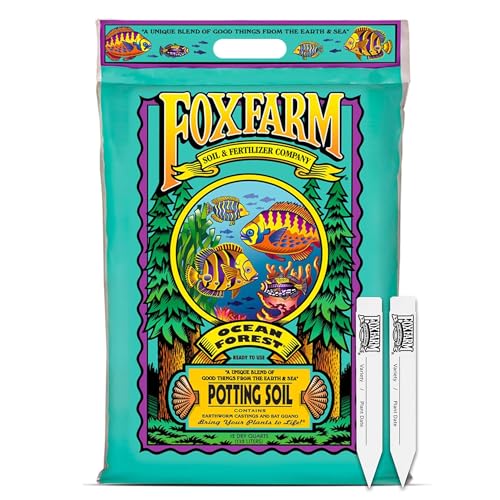
FoxFarm Ocean Forest 12-Quart Potting Soil

FoxFarm Ocean Forest 1.5 cu ft Potting Soil

JayJayup Horticultural Perlite 4 Quarts (3-6mm)

Miracle-Gro Potting Mix 16 qt., 2-Pack

GARDENWISE Organic Olive Tree Potting Mix 3 Quarts
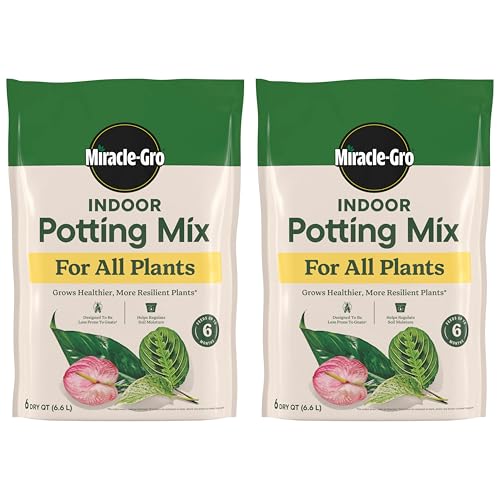
Miracle-Gro Indoor Potting Mix 6 qt., 2-Pack

Back to the Roots Organic Coir 51 Quart
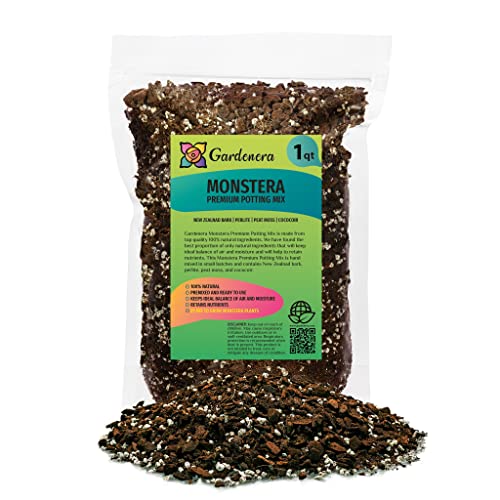
Gardenera Premium Monstera Potting Soil 1 Quart

Gardenera Monstera Spray Fertilizer Mist 8oz

Gardenera Monstera Organic Superfood Mist 8oz
A Closer Look At Each Pick
This 12-quart FoxFarm Ocean Forest bag lands in a sweet spot for a single patio gardenia or a pair of indoor pots. It’s a ready-to-use container blend, so you skip the measuring step and get straight to potting. Gardenias tolerate the slightly acidic profile, and the light, aerated texture keeps fine roots from sitting in stagnant water after a heavy watering.
For most growers, the 12-quart size covers a fresh repotting job with a little left over for top-dressing. The included plant tags help you track variety and planting date, which matters when you’re juggling several acid-lovers. A small caveat: pH isn’t specifically published, so for true pH-sensitive setups you may still want to verify with a meter.
A Few Highlights
- Ready-to-use format removes the guesswork for new gardeners
- Light, aerated texture suits the well-drained conditions gardenias need
- Earthworm castings and fish meal offer a gentle nutrient start
- Two plant tags included help with variety tracking
Things To Consider
- Published pH isn’t listed, so strict acid-targeting growers may need a meter
- 12 quarts runs out fast when repotting multiple mature shrubs
- Storage in a sealed bin helps the organic components stay fresh between uses
Right Fit For
Growers starting one or two gardenias in containers who want a no-mix, fill-and-go soil.
Look Elsewhere When
You need to repot several large shrubs at once, in which case the FoxFarm Ocean Forest 1.5 cu ft bag offers far better volume for less waste.
The 1.5 cu ft FoxFarm Ocean Forest bag is the same proven blend as the smaller 12-quart option, just in a volume built for serious work. Repotting three or four gardenias, refreshing a long planter, or filling a half-whiskey barrel all go faster with this size on hand. It’s still a light, aerated mix with a ready-to-use consistency.
Growers managing a collection of acid-loving plants will appreciate that one bag covers the whole round of spring repotting. The trade-off shows up in storage: a 1.5 cu ft bag is bulky and needs a dry corner indoors. You also don’t get the plant tags that ship with the smaller bag, so you may want to source your own.
Where It Helps
- One bag covers multiple container repots in a single session
- Same trusted aerated texture that prevents soggy roots
- Ready-to-use format means no amendment calculations
Trade Offs
- Bulkier bag requires dry indoor storage space
- Plant tags are not included at this volume
- Heavier to carry up stairs or to a balcony garden
Key Product Details
Best Suited To
Home gardeners managing multiple container shrubs who want a single bulk bag for the whole repotting day.
Skip It When
You only have one windowsill gardenia, where the smaller FoxFarm Ocean Forest 12-quart bag is a more efficient size.
Pure perlite isn’t a finished gardenia soil on its own, but it’s one of the smartest add-ins to have on the shelf. The JayJayup 4-quart bag delivers 3-6mm white granules, sized to loosen dense mixes without floating to the surface after a few waterings. Gardenias like even moisture but hate wet feet, and perlite solves that exact tension.
You’ll typically blend it at roughly one part perlite to three parts potting mix, then check the feel before potting. It’s a lightweight bag that’s easy to pour, though the dust when you first open it is real, so a quick misting of water before mixing helps keep airborne particles down. Long term, perlite doesn’t break down, so a single bag can last many seasons.
What Helps Most
- 3-6mm size improves drainage without migrating to the surface
- Neutral pH that won’t shift your mix toward alkaline
- Lightweight bag is easy to handle and store
- Long-lasting since perlite doesn’t decompose
Honest Caveats
- It’s an amendment, not a standalone gardenia soil
- Bag dust calls for a quick misting before pouring
- Over-mixing can dry out the root zone faster than expected
Made For
Growers who already own a base potting mix and want to tune drainage for a fussy gardenia.
Reach For A Different Pick When
You want a ready-to-use gardenia blend straight from the bag, in which case the FoxFarm Ocean Forest 12-quart option is the simpler route.
For container gardens with multiple outdoor pots, this Miracle-Gro 16-quart two-pack covers a lot of ground at a sensible per-quart cost. The mix is formulated to feed potted plants for several months, which spares you from fertilizing on a tight schedule during the busy spring push. Gardenias in larger outdoor planters tend to appreciate the longer feeding window.
You will likely need to add acidifying amendments over time, since gardenias prefer a low pH and this isn’t a specialty acidic blend. Some growers also report the mix holding more moisture than expected, so extra perlite is a worthwhile add for gardenia pots. The two-pack format keeps a backup bag sealed and ready in the garage.
The Case For It
- Two-pack format lowers the per-quart cost for large projects
- Extended feeding window reduces fertilizer chores
- Widely available at most garden centers for easy replacement
Worth Noting
- Not an acid-specific blend, so pH may drift upward over time
- Can hold more moisture than gardenias prefer in humid climates
- Best paired with perlite for the drainage gardenias need
Who It Suits Best
Container gardeners with several large outdoor pots who want a budget-friendly base mix with extended feeding.
Consider Something Else When
You want a more acidic-leaning starting point, in which case the GARDENWISE Organic Olive Tree Potting Mix is closer to gardenia preferences.
GARDENWISE built this blend for olive trees, but the same Mediterranean logic applies to gardenias: a fast-draining, low-pH-leaning mix that doesn’t waterlog after a storm. The 3-quart bag is a tidy size for a single specimen, and the included limestone works alongside the organic components to nudge pH into a plant-friendly range. Gardenia growers who lean toward Mediterranean conditions will recognize the approach.
You’re not getting a gardenia-specific formula, so a touch of extra peat or sulfur can sharpen the acidity. The 3-quart volume is also modest, which is fine for one plant but limiting if you’re building a hedge of gardenias. For indoor pots, the fast-draining profile is a real asset where airflow is limited.
A Favorable Mix
- Fast-draining texture suits gardenias prone to root rot
- Organic ingredients with a Mediterranean-style moisture balance
- Compact 3-quart bag is easy to store between repots
Points To Note
- Olive-focused formula means a pH meter is still wise for gardenias
- Small volume runs out quickly across multiple pots
- Best with a supplemental acidifier for strict pH targets
Feature Snapshot
Who Should Grab It
Growers with one or two gardenias in containers who want a fast-draining, Mediterranean-style base.
Swap It Out When
You’re repotting several shrubs at once, where the FoxFarm Ocean Forest 1.5 cu ft bag scales up more practically.
For gardenias parked on a sunny windowsill or a bright kitchen corner, this Miracle-Gro Indoor mix is a lightweight, peat-and-perlite blend designed to retain moisture without going soggy. The 6-quart two-pack covers a couple of small indoor pots with a spare bag for later. Compared to the outdoor Miracle-Gro Potting Mix earlier in this list, this formula trims the bark and compost and keeps the texture airier.
It’s an all-purpose indoor blend, so again, plan on testing pH and amending with peat or a sulfur-based acidifier if your gardenia shows signs of chlorosis. Indoor air is dry in winter, and this mix’s peat content can pull away from the pot edges if you let it dry out completely. A simple moisture routine keeps the texture working as intended.
The Helpful Details
- Lightweight indoor formula is easy to carry to upper floors
- Peat and perlite base helps balance moisture and airflow
- Two-pack keeps a backup bag sealed and ready
Points To Keep In Mind
- Not specifically acidic, so amendments help for gardenia pH targets
- Peat can shrink from pot edges if you let it dry out fully
- Small 6-quart bags are best for one or two indoor plants
Perfect Match For
Gardeners growing gardenias indoors who want a lightweight, peat-forward mix that won’t smother indoor roots.
Where Another Pick Suits Better
You want a more acidic, ready-to-use option for outdoor beds, where the GARDENWISE Organic Olive Tree Potting Mix is the closer match.
Back to the Roots ships this coconut coir as a compressed brick that expands to roughly 51 quarts once you add water, which solves the bulk-storage problem for apartment and balcony gardeners. Coir holds moisture evenly and resists compaction, two traits that pair well with gardenia root systems. It’s a blank-slate medium, so you’ll add nutrients and acidifiers to dial in conditions.
The expansion step takes a few minutes and a large bucket, and the resulting fluff is pleasant to work with. Coir alone has limited nutrients, so plan on a fertilizer routine from the start. For gardeners who already blend their own soil, this brick is the foundation layer that lets you tune the recipe.
Where It Excels
- Compressed brick format stores easily in small spaces
- Expands into a fluffy, even-textured medium
- Resists compaction, which keeps airflow steady around roots
Some Limits To Know
- Low inherent nutrients mean a fertilizer plan is essential
- pH is close to neutral, so acidification is required for gardenias
- Expansion needs a sizeable bucket and a few minutes of prep
Quick Technical Notes
Whose Shelf It Belongs On
DIY mixers and small-space gardeners who want a compact, expandable base to customize for acid-loving plants.
A Better Fit Elsewhere
You’d rather skip the mixing step entirely, in which case the FoxFarm Ocean Forest 12-Quart Potting Soil arrives ready to use.
Gardenera built this mix with Monstera in mind, but the chunky blend of peat, perlite, coco coir, bark, and worm castings translates well to any acid-loving tropical, including gardenias. Quick drainage is the headline feature, which keeps fine gardenia roots from sitting in water after a thorough soak. The 1-quart bag is sized for a small specimen or a top-dressing refresh.
At 1 quart, the volume is small, so larger pots will need multiple bags. This is a specialty item aimed at plant parents who want a more curated blend than a generic all-purpose mix. For the right scale, it’s a tidy, ready-to-use option that handles watering swings gracefully.
Noteworthy Benefits
- Chunky, bark-rich texture promotes airflow around fine roots
- Worm castings add gentle organic nutrition at potting time
- Ready-to-use format removes the mixing step
Smaller Considerations
- 1-quart volume is small for medium or large pots
- Specialty price per quart is higher than bulk blends
- Drains fast, so monitor moisture during hot summer stretches
Built With In Mind
Plant parents with a single small gardenia who want a chunky, fast-draining mix that mimics tropical conditions.
Another Choice May Suit
You’re filling a 10-inch or larger pot, where the Miracle-Gro Indoor Potting Mix 6 qt., 2-Pack offers better volume and value.
A foliar spray doesn’t replace a quality potting mix, but the Gardenera 3-1-2 mist complements one by feeding leaves directly. Gardenias respond well to light, frequent nutrient touches during the active growing season, and an 8oz spray bottle fits a weekly routine without overwhelming the plant. The 3-1-2 NPK ratio (nitrogen, phosphorus, potassium) leans leafy and gentle.
It’s labeled for Monstera, yet the nutrient balance translates to gardenias, especially when you want greener foliage between bloom cycles. You’ll still need a soil-based feeding plan for sustained flowering. As a top-up, the spray fills the gap without overdoing nitrogen.
Notable Gains
- 3-1-2 NPK ratio is gentle enough for weekly use
- Foliar application delivers nutrients directly through leaves
- Compact 8oz bottle fits easily on a plant shelf
Soft Spots
- Not a substitute for soil-applied fertilizer during bloom season
- Spray routine needs consistency to show visible results
- Monstera-focused labeling may confuse gardenia shoppers
The Right Fit
Gardenia growers who already have a good soil base and want a light, regular foliar feed between bloom cycles.
Not Your Match When
You haven’t established a solid potting mix yet, in which case the FoxFarm Ocean Forest 12-Quart Potting Soil should come first.
The Organic Superfood Mist steps up from the standard 3-1-2 spray with a wider nutrient profile, including micro-fungi and a broad vitamin-and-mineral package. Gardenias benefit from biologically active root zones, and a microbe-friendly foliar spray can support that ecosystem between soil feedings. The 8oz bottle is the same convenient size as the entry-level mist above.
Organic-leaning gardeners may prefer this formula, and the 18-nutrient blend takes some of the guesswork out of supplementation. As with any foliar product, you still rely on the soil beneath for long-term nutrition. The premium ingredient list comes at a higher per-ounce cost than the simpler mist, so budget accordingly.
Where It Delivers
- 18-nutrient profile reduces the need for multiple supplements
- Microbe component supports biologically active soil
- Compact spray format fits a weekly routine easily
Practical Considerations
- Premium formulation costs more per ounce than basic mist
- Won’t fix a fundamentally wrong soil pH on its own
- Monstera labeling means cross-checking the ingredient list
Feature Card
Who Will Love This
Organic-focused gardenia growers who want a broad-spectrum, microbe-friendly foliar feed alongside a quality base soil.
Look Elsewhere When
You want a simpler weekly mist, in which case the Gardenera Monstera Spray Fertilizer Mist covers the basics at a friendlier price.
What To Weigh Before Choosing Potting Soils For Gardenias
Acidic pH Range and Gardenia Health
Gardenias thrive when soil pH sits between 5.0 and 6.0, which keeps iron and other micronutrients available to the roots. Most generic all-purpose mixes lean closer to neutral, so check the source data for any acid-leaning ingredients like peat, coir, or pine bark. When in doubt, a simple at-home pH meter confirms whether your chosen bag lands in the right zone. Adding elemental sulfur or an acidifying fertilizer over time keeps the reading steady as the mix weathers.
Drainage and Moisture Balance
Even moisture is the goal, and that means a mix that holds water without staying soggy. Perlite, pine bark, and coarse coir create the air pockets that fine gardenia roots need. If a bag feels heavy and dense in the store, plan on blending in a generous handful of perlite, like the JayJayup option earlier in this list. The trade-off is that very fast-draining mixes dry out faster in summer, so a moisture routine matters.
Indoor Versus Outdoor Container Use
Indoor gardenias face limited airflow and lower light, so a lighter, peat-forward mix like the Miracle-Gro Indoor blend reduces the risk of root suffocation. Outdoor containers deal with rain and heat swings, which call for a chunkier, faster-draining blend. Most gardeners keep one bag of each on the shelf and rotate based on the season. Matching the mix to the spot where the pot actually lives is often the deciding factor.
Feeding Windows and Nutrient Strategy
Some mixes include starter nutrients that feed for months, while others arrive nearly empty and rely on your fertilizer plan. Long-feeding options like the Miracle-Gro Potting Mix two-pack are great for hands-off gardeners. Coir-based blends, on the other hand, give you a blank canvas for a tailored acid-loving routine. Decide which approach fits your schedule before you commit to a bag size.
Smart Habits For Gardenia Soil Shoppers
Wrong Turns To Avoid
The most common slip is grabbing a generic outdoor mix for an indoor gardenia and watching the leaves yellow from waterlogged roots. Another is assuming any “potting soil” is acidic enough, when most are closer to neutral. A quick pH check on a small sample saves months of chlorosis. Finally, buying the smallest bag to “save money” often backfires when you discover you need perlite, peat, and a second bag anyway.
Where The Extra Money Goes
Premium acid-specific blends cost more because they include peat, coir, and pine bark in proportions tuned for acid-lovers, plus organic nutrients that don’t burn tender roots. Specialty mixes like the Gardenera Monstera blend add worm castings and biochar, which feed beneficial microbes over time. The upgrade pays off when you’ve struggled with yellowing leaves or bud drop in past seasons, and the convenience of a ready-to-use, well-balanced bag trims hours of trial-and-error. For a single prized gardenia, the premium tier is often the more economical choice in the long run.
Frequently Asked Questions
How often should you repot a gardenia?
Most gardenias do well with repotting every two to three years, ideally in early spring before active growth kicks in. Move up one pot size at a time to avoid waterlogging the extra soil mass.
Can you use regular potting soil for gardenias?
Generic potting soil works in a pinch, but you’ll likely need to add peat, perlite, or an acidifier to keep pH in the 5.0 to 6.0 range. Gardenia-specific or acid-leaning blends remove that guesswork.
Do gardenias prefer acidic soil?
Yes, gardenias need acidic soil, with a pH between 5.0 and 6.0, to absorb iron and other key nutrients. Above that range, leaves typically yellow between the veins.
Should gardenias be grown in containers or in the ground?
Containers give you more control over soil pH and drainage, which makes them a strong choice in regions with alkaline native soil. In-ground planting works beautifully where the natural soil is already acidic and well-draining.
How do you lower the pH of potting soil for gardenias?
Elemental sulfur, pine bark fines, and peat moss all gradually lower pH over weeks. A simple soil pH meter helps you track progress and avoid overcorrecting.
Closing Remarks
Pick the bag that matches your pot count, your climate, and how hands-on you want to be with amendments. For most gardenia growers, starting with a ready-to-use acid-leaning blend and a bag of perlite on the side covers nearly every scenario. From there, light foliar feeding and steady moisture will do the heavy lifting through the bloom season.
