

Peace lilies look easy on the surface, but anyone who has watched yellow tips appear knows the soil is doing half the work. The wrong mix holds too much water, the roots sulk, and the leaves droop in protest. The right blend keeps moisture steady while letting excess drain away, which is the whole game for these tropical understory plants. This roundup breaks down ten options worth a look, from budget bags to specialty aroid mixes, so your peace lily can settle in and stay glossy.
The Essentials At A Glance

Special Lithops Soil Mix Potting Medium 3 lb

Miracle-Gro Potting Mix 16 qt. 2-Pack

Miracle-Gro Cactus, Palm & Citrus Potting Mix 8 qt.

FoxFarm Ocean Forest Potting Soil 12 Quart

Miracle-Gro Indoor Potting Mix 6 qt. 3-Pack

Miracle-Gro Indoor Potting Mix 6 qt.

Back to The Roots Organic Coir 51 Quart Expanding Soil
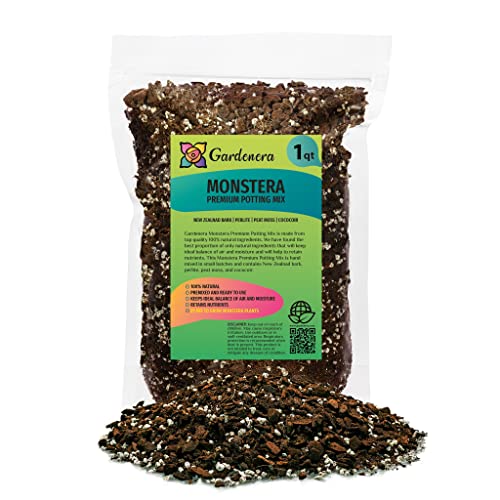
Gardenera Premium Monstera Potting Soil 1 Quart

Gardenera Professional Monstera Spray Fertilizer Mist 8oz

Gardenera Professional Monstera Organic Superfood Spray Mist 8oz
A Deeper Look At The Lineup
Out of the gate, this one is a curveball. It is built for lithops, those strange little stone plants that demand extremely porous soil, and it includes a bonus live mini lithops tucked into the bag. For most peace lily growers, that sounds irrelevant on the surface. The reason it earns a spot here is what the mix represents: a fast-draining, gritty blend that anchors roots without smothering them.
If you tend to overwater, blending this lithops mix roughly one-to-one with a richer potting soil can keep a peace lily happier than any single bag on its own. You get air around the root zone and far less risk of rot. The trade-off, naturally, is that this is a niche product with a small bag and a higher cost per quart, so you are paying a premium for a specialty base.
Well-Handled Touches
- Sharp drainage profile that lets oxygen reach roots
- Good anchor texture that settles around roots without compacting
- Useful as a blender when mixed with a richer, water-retentive base
- Includes a bonus live lithops for anyone who enjoys collecting
Worth Bearing In Mind
- Designed for succulents, not a standalone peace lily mix
- Small bag at 3 lb, so larger repotting jobs need multiple units
- Owners commonly report it dries out fast in warm rooms
Quick Facts
Right Fit For
DIY soil blenders and overwaterers who want to lighten up a richer base before potting their peace lily.
Skip It When
You just want one bag to pour straight into a 10-inch pot; the Miracle-Gro Indoor Potting Mix handles that job with far less fuss.
This two-pack is the workhorse of the list: 32 quarts total of a familiar general-purpose blend aimed at outdoor container plantings. Peace lilies are typically indoor plants, but the ingredient profile (peat-based with a slow-release feed) suits them perfectly when you pair the pot with a drainage hole. The appeal is volume and convenience, since one order covers several repottings.
Compared to the specialty lithops mix above, this is the opposite philosophy: it holds moisture longer and ships pre-charged with nutrients. For a windowsill peace lily that needs steady hydration between waterings, that moisture retention is actually an asset. The honest read is that this is a no-drama bag for anyone repotting more than one plant at a time.
Standout Benefits
- Two-bag value at 32 quarts total
- Slow-release feed for several months of growth
- Peat-based texture suited to tropical foliage plants
Trade-Offs To Consider
- Marketed for outdoor containers, so indoor use needs a pot with drainage
- Denser than aroid mixes, so overwatering can still cause issues
Built With In Mind
Houseplant growers with several pots to refresh at once who want a familiar, nutrient-loaded blend in a generous size.
Look Elsewhere When
You live in a humid room and tend to overwater; the Miracle-Gro Cactus, Palm & Citrus Potting Mix gives you similar feed with far better drainage.
Counterintuitively, a cactus mix is one of the best bases for a peace lily in a humid apartment. The fast-draining formula uses forest products, sphagnum peat moss, sand, and perlite, so water moves through quickly and the roots stay oxygenated. Where the previous two-pack is built for steady moisture, this bag is built for people who forget to water and then flood the plant to make up for it.
The blend carries a built-in plant food, which means fewer bottles on the shelf. If you find peace lilies yellowing on you, the drainage correction alone can change the picture in a few weeks. The catch is that the bag reads “cactus” on the front, which can feel wrong for a glossy tropical, but the soil physics are spot on.
Useful Highlights
- Fast-draining formula that reduces rot risk
- Comes pre-mixed with plant food
- Forgiving of irregular watering schedules
- Works for peace lilies, snake plants, and pothos alike
Points To Note
- Dries out faster than standard mixes, so expect more frequent watering
- Heavier perlite can float to the surface after several waterings
Who Should Grab It
Anyone who has killed a peace lily with kindness (too much water) and needs a forgiving, free-draining reset.
Swap It Out When
You prefer a richer blend with organic amendments; FoxFarm Ocean Forest Potting Soil delivers that without the desert-style grit.
FoxFarm’s Ocean Forest is one of those bags that seasoned growers keep coming back to. The blend layers aged forest products, sandy loam, and sphagnum peat moss into a light, airy medium that holds moisture without going soggy. The light, aerated texture is what makes peace lily roots settle in quickly, and the earthy smell out of the bag tells you the organic matter is real, not filler.
This is the bag to reach for when a peace lily is moving up a pot size and you want a premium reset. The down side is straightforward: it costs more per quart than a general-purpose bag, and a single 12-quart bag covers roughly two medium repottings. For one plant on a windowsill, that may feel like overkill.
Strong Points
- Light, aerated texture that supports strong root growth
- Organic-rich blend with forest byproducts
- Works for seedlings and mature plants alike
- Long-standing reputation among container gardeners
Points To Keep In Mind
- Premium cost per quart compared to budget bags
- Strong earthy odor for the first few days after repotting
Feature Card
Made For
Plant parents upgrading from a basic mix who want a richer, organic base for a thriving peace lily.
A Better Fit Elsewhere
Budget-focused growers repotting many plants at once will get more mileage from the Miracle-Gro Indoor Potting Mix 6 qt. 3-Pack.
This 3-pack is the practical pick for anyone tending more than one houseplant. Blended specifically for indoor containers, the mix feeds peace lilies and a wide range of foliage plants for up to six months, which means less fussing with fertilizer bottles. For an apartment with a peace lily, a pothos, and a snake plant, one of these bags covers the whole crew.
Think of this as the sensible middle ground between the larger outdoor 2-pack above and the premium FoxFarm bag. It is not as rich as Ocean Forest and not as gritty as the cactus blend, so it works for the average indoor gardener who waters on a fairly regular schedule. The honest read is that 18 quarts total also means fewer last-minute trips when a pot finally needs fresh soil.
Everyday Advantages
- Three-bag bundle covers multiple plants
- Multi-month feeding built into the formula
- Designed for typical indoor container conditions
- Easy to store in a closet or under a sink
Honest Caveats
- Not specialized for aroids or cacti, so it is a generalist
Whose Shelf It Belongs On
Multi-plant households that rotate between peace lilies, pothos, and other foliage houseplants and want one dependable mix.
Consider Something Else When
You want a faster-draining, gnat-resistant formula; the single-bag Miracle-Gro Indoor Potting Mix 6 qt. uses coconut coir specifically for that.
This is the same brand name as the 3-pack above, but the formula has two practical upgrades worth noting. First, the mix contains coconut coir, a fibrous material that holds and releases water while helping the soil re-wet after it dries out completely. Second, the blend contains no compost or bark, which are the materials fungus gnats love to lay eggs in, so it is less prone to those tiny flying pests around the base of the pot.
For indoor growers who keep a peace lily on a coffee table or bedside shelf, the gnat reduction is a real quality-of-life win. Compared to the chunkier aroid mixes later in the list, this one has a finer texture, which means it compacts a touch more over time and benefits from a refresh every year or so. Six quarts is enough for one standard repot.
Notable Gains
- Coconut coir boosts water retention and re-wetting
- No compost or bark, which cuts fungus gnat habitat
- Suitable for climbing, foliage, flowering, and tropical plants
- Built-in feeding for several months of growth
Practical Considerations
- Finer texture can compact in deep pots over time
- Six-quart bag covers a single mid-size repot
Key Product Details
Best Suited To
Apartment dwellers tired of fungus gnats who want a low-mess blend that rehydrates cleanly after dry spells.
Reach For A Different Pick When
You prefer a chunkier, bark-rich aroid texture; the Gardenera Premium Monstera Potting Soil is built around that chunky profile.
This one breaks the mold: it ships as a compact compressed brick of organic coconut coir, and once you add water it expands into roughly 51 quarts of fluffy, peat-free growing medium. For a city apartment with zero closet space, that is a real advantage. You can tuck the brick on a high shelf and only deal with the bulk when you actually need it.
Coir by itself is not a complete peace lily mix. It has no built-in nutrition and the texture is very airy, so you will want to blend it with a richer component (perlite, worm castings, or a bit of standard potting soil) for long-term use. The trade-off is honest: great for storage and blending, but not a pour-in-and-go bag.
What Pays Off
- Compressed format stores easily in tight spaces
- Organic, peat-free coconut coir base
- Expands to a generous 51 quarts when hydrated
- Useful base for custom aroid blends
Things To Weigh Up
- Plain coir lacks nutrients, so amendments are needed for peace lilies
- Requires prep time to hydrate and break apart the brick
Right Fit For
Small-space gardeners who want to keep soil on hand without dedicating a closet shelf to bulky bags, and who enjoy blending their own mix.
Where Another Pick Suits Better
You want a ready-to-use bag with no prep; the FoxFarm Ocean Forest Potting Soil pours straight into the pot with no extra steps.
The bag says Monstera, but the ingredient list reads like a textbook peace lily blend: organic aged bark, coco coir, perlite, peat moss, biochar, and worm castings. The chunky, well-draining texture keeps air moving around the roots, which is exactly what peace lilies want when they are grown indoors in a peat-heavy general mix that tends to compact. One quart is plenty for a small to mid-size repot.
For anyone already keeping monsteras, philodendrons, or anthuriums, this bag slots right into the rotation. The small size also means it works for one-off propagation projects without committing to a 12-quart bag. You will pay a premium per quart, but aroid-specific blends like this typically out-perform generic soils on root development.
Key Advantages
- Aroid-tuned blend with bark, coir, and perlite for airflow
- Includes worm castings as a gentle organic nutrient
- Small 1-quart bag ideal for single repottings
- Ready to use, no blending required
A Few Limitations
- Premium price per quart compared to larger bags
- Chunky texture may shift in smooth-sided pots until roots establish
Made For
Aroid collectors who keep peace lilies alongside monsteras and want one consistent blend across the shelf.
Not Your Match When
You are repotting multiple large peace lilies at once; the Back to The Roots Organic Coir brick gives you far more volume for less money.
Stepping away from soil for a moment, this foliar mist earns its place because peace lilies absorb nutrients through their leaves as well as their roots. The 3-1-2 ratio (a gentle N-P-K blend, meaning nitrogen, phosphorus, and potassium in that order) is mild enough for weekly use without burning the foliage. For a plant with broad, glossy leaves, that means quicker green-up between waterings.
Think of it as a complement to the soil, not a replacement. A light misting on the leaves in the morning is an easy weekly habit, especially during the active growing season. For owners who forget to dilute liquid fertilizer, the spray format removes one step entirely.
Reasons It Performs
- Gentle 3-1-2 nutrient ratio suited to leafy tropicals
- Foliar feeding for faster leaf uptake than root feeding alone
- Spray format simplifies weekly feeding routines
- Compact 8-oz bottle fits on a plant shelf
Some Limits To Know
- Foliar feeding only, not a substitute for soil nutrition
- Best applied when leaves can dry before direct sun hits them
Who It Suits Best
Busy plant owners who want a quick weekly boost to keep peace lily leaves glossy between regular soil feedings.
Swap It Out When
You prefer feeding through the soil only; the FoxFarm Ocean Forest Potting Soil carries enough nutrition for the first stretch of growth on its own.
The last pick is a more ambitious version of the previous foliar spray. Where the standard mist focuses on a clean 3-1-2 nutrient ratio, this “superfood” version layers in micro-fungi and a broad nutrient profile covering 18 key vitamins and minerals. For peace lilies, that translates to a denser leaf surface and a more resilient root zone over time.
Compared to the simpler spray above, the organic complexity here is genuinely useful for growers who want to push beyond basic maintenance. It costs more per ounce and the ingredient list reads longer, so it is a better fit for hands-on plant parents than casual owners. Used alongside any of the soil picks on the list, it completes a thoughtful care routine.
Why It Works Well
- Micro-fungi enrichment supports leaf and root health
- Broader nutrient profile than basic foliar sprays
- Organic formulation aimed at indoor foliage plants
- Easy weekly spray routine with no measuring
Practical Considerations
- Higher cost per ounce than the simpler Gardenera spray
- Subtle scent from organic ingredients during application
Quick Technical Notes
Best Suited To
Curious plant parents who enjoy experimenting with richer nutrient programs and want to push leaf growth beyond the basics.
A Better Fit Elsewhere
You want a simpler weekly mist with fewer ingredients to track; the Gardenera Professional Monstera Spray Fertilizer Mist keeps things lean.
What Matters Most Before Choosing Potting Soils For Peace Lily
Peace lilies sit in a weird middle ground between thirsty tropicals and plants that punish overwatering. The single biggest factor is drainage: a mix that holds air around the roots matters more than any brand name on the bag.
Look for blends built around peat moss, coco coir, perlite, or bark. These ingredients balance moisture retention with airflow. A pure garden soil or a heavy potting mix without perlite or bark will hold water too long and suffocate the roots, which is the most common cause of yellow leaves and drooping stems.
Texture matters as much as ingredients. A loose, slightly chunky mix resists compaction over time, while a fine, dense mix settles and slows drainage within a few months. If your peace lily sits in a decorative pot without drainage, consider repotting into a nursery container first, since no soil can fully compensate for a waterlogged base.
Feeding is the last consideration. Built-in slow-release fertilizer saves time but is optional. A basic peat-based mix plus a diluted liquid feed every few weeks gives you more control over growth. For most indoor growers, a six-month feed window is plenty between repottings.
Key Considerations Across These Picks
Pitfalls Shoppers Hit
The most common mistake is grabbing any bag labeled “potting soil” without checking the drainage profile. A dense mix labeled for outdoor containers can hold water long enough to rot a peace lily’s roots in a few weeks. The next mistake is skipping the drainage hole at the bottom of the pot; even the best soil fails when water has nowhere to go. Repotting into a too-large container also invites trouble, since the extra soil holds moisture the roots cannot reach.
Where The Extra Money Goes
Premium blends like FoxFarm Ocean Forest or Gardenera Premium Monstera Potting Soil charge more because they include organic amendments (aged bark, worm castings, and biochar) that feed soil microbiology over time. Budget bags rely on synthetic slow-release fertilizer, which works but does not improve the soil structure as it breaks down. The upgrade is worth it for serious plant parents with multiple tropicals, less so for someone tending a single peace lily on a desk.
Frequently Asked Questions
Do peace lilies need a special soil mix?
They do best in a peat-based or coir-based mix with perlite or bark for drainage. A standard indoor potting blend works, but adding perlite or orchid bark improves airflow and reduces the risk of root rot in most homes.
Can I use outdoor potting soil for a peace lily?
Outdoor blends like Miracle-Gro Potting Mix 16 qt. 2-Pack work fine in a pot with a drainage hole, since the peat base still holds moisture without suffocating roots. Avoid any bag labeled “garden soil,” which is meant for in-ground beds and compacts badly in containers.
How often should I repot a peace lily?
Every one to two years is enough for most indoor peace lilies. If roots are circling the bottom of the pot or water runs straight through without absorbing, it is time to step up one pot size and refresh the soil.
Is cactus soil okay for peace lilies?
Yes, surprisingly. The Miracle-Gro Cactus, Palm & Citrus Potting Mix gives you faster drainage than a standard indoor mix, which helps if you tend to overwater. Just expect to water a bit more often since the grit dries out faster.
Do foliar sprays replace soil feeding?
No, they complement it. Foliar mists like the Gardenera Monstera Spray Fertilizer Mist feed the leaves quickly, but the soil still needs to supply the bulk of the nutrition over time. Use them together for the best results.
Wrap Up
A peace lily thrives when its roots can breathe, so any mix on this list that leans toward drainage and aeration will serve you well. Beginners should start with the Miracle-Gro Indoor Potting Mix 6 qt. or its 3-pack sibling, while collectors will appreciate the FoxFarm Ocean Forest Potting Soil or Gardenera Premium Monstera Potting Soil for richer blends. Pick the bag that matches your watering habits, give the plant a pot that drains, and the leaves will tell you when you got it right.
