

Snake plants (Sansevieria) thrive on neglect, but that only holds true when the soil drains well. Dense, moisture-retentive mixes are the fastest way to lose a healthy plant to root rot, so picking the right growing medium matters more than any other care routine. This roundup walks you through ten options that lean toward the gritty, fast-draining side, covering everything from small 1-quart bags sized for a single repotting to large bulk mixes built for a whole plant collection.
The Choices Worth Comparing
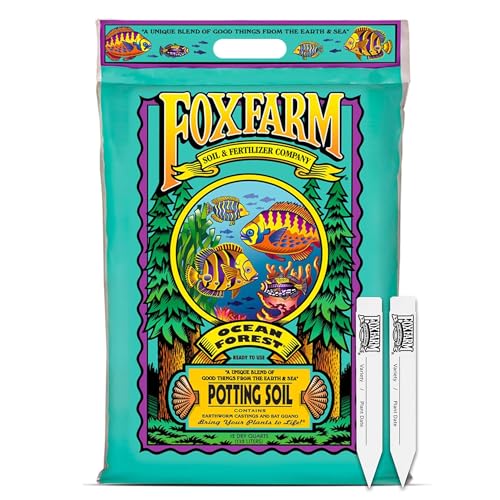
FoxFarm Ocean Forest Potting Soil 12 Quarts

GARDENERA Premium Snake Plant Potting Soil Mix 1 Quart

FoxFarm Ocean Forest Potting Soil 1.5 cu ft
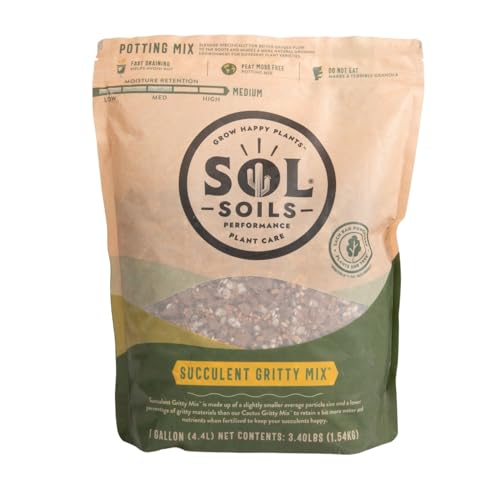
Sol Soils Succulent Gritty Mix 1 Gallon

Miracle-Gro Potting Mix 16 qt 2-Pack
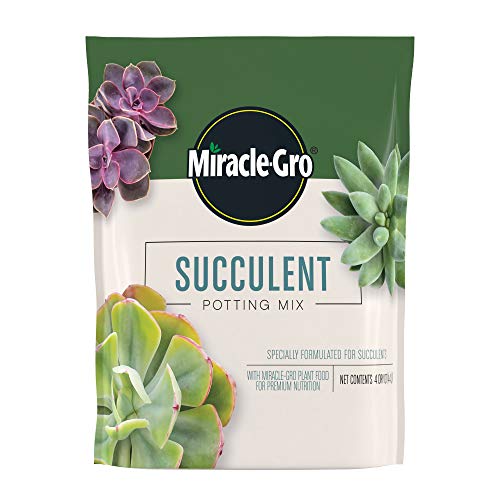
Miracle-Gro Succulent Potting Mix 4 qt

Gardenera Snake Plant Spray Fertilizer Mist 8oz

Miracle-Gro Indoor Potting Mix 6 qt 2-Pack
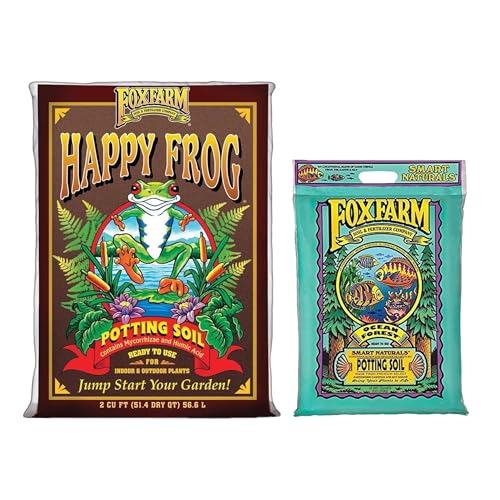
FoxFarm Happy Frog 2 cu ft + Ocean Forest 12 qt

Gardenera Liquid Snake Plant Fertilizer 8oz
More Details On Our Top Picks
This 12-quart bag opens up and goes straight into a pot, no mixing required. The texture is light and airy, with visible earthworm castings that give it a darker, almost fluffy appearance compared to bargain-brand mixes. For most indoor gardeners repotting a snake plant for the first time, that convenience removes the biggest hurdle: figuring out how much perlite to add.
Two plant tags are bundled in, which helps when you are juggling several repottings in one session and need to keep cultivars straight. The size is small enough to store in a closet between uses, so leftover soil does not sit open in a garage attracting gnats.
The Upside
- Ready-to-use out of the bag, no amendment calculations required
- Light, aerated texture suits snake plant root systems that resent compaction
- Compact 12-quart bag fits apartments with limited storage space
- Includes plant tags so you can label varieties during a multi-pot session
- Fish meal, crab meal, and earthworm castings supply slow-release organic nutrition
Things To Consider
- Moisture retention runs higher than pure succulent blends, so you may want to add extra perlite for very damp indoor rooms
- Single-bag format means repurchasing often for those with large collections
Who It Suits Best
Beginners who want a forgiving all-purpose mix for their first snake plant repotting without measuring amendments.
Look Elsewhere When
You keep multiple snake plants in low-light bathrooms and need the faster drainage of the Sol Soils Succulent Gritty Mix instead.
GARDENERA built this mix specifically for snake plants, which sets it apart from general-purpose soils. The formula leans on peat moss, perlite, lime, and earthworm castings, giving you a balanced pH profile (lime helps neutralize peat acidity) and a loose structure that air-prunes roots. One quart is plenty for a single small-to-medium repotting.
You trade away the bulk savings of a bigger bag in exchange for a blend that does not need any tinkering. If you have one snake plant and want a soil that matches what specialists recommend, this removes the guesswork entirely.
What Stands Out
- Formulation targets snake plants specifically rather than a generic audience
- Lime component adjusts pH, which can help prevent nutrient lockout in peat-heavy mixes
- Earthworm castings add gentle organic nutrition without burning tender roots
- Small 1-quart size is genuinely beginner-budget friendly
Room For Improvement
- One quart barely covers a large 10-inch pot, so you may need two bags for bigger specimens
- Lacks the visible grit content of true cactus mixes, which some growers prefer for arid rooms
Made For
Plant parents tending one or two snake plants who want a targeted, no-amendment-needed medium.
Consider Something Else When
You manage a whole collection and need bulk value, which is where FoxFarm Ocean Forest Potting Soil 1.5 cu ft makes more sense.
Same Ocean Forest recipe as the smaller bag, just scaled up to 1.5 cubic feet for serious plant people. A single bag covers a dozen or more snake plant repottings depending on pot size, which is the right economics for anyone whose collection has crept past the windowsill.
The texture stays light and aerated even at this volume, and the fish meal plus crab meal plus earthworm castings combination delivers the same slow nutrient release. Storage is the only real consideration: a 1.5 cubic foot bag takes up real closet space, so make sure you have somewhere dry to keep the unused portion.
Well-Handled Touches
- Large format reduces per-quart cost substantially
- Same proven blend as the smaller Ocean Forest bag
- Works across container plants, not just snake plants, which helps amortize the bag
- Aerated structure resists compaction over months of watering
Worth Noting
- Bulk size demands more storage space than apartment dwellers may have
- Once opened, owners commonly report the bag needs to be sealed tightly to keep fungus gnats out
Right Fit For
Collectors running a dozen or more container plants who want one bag to cover most of their repotting season.
Another Choice May Suit
City dwellers with limited closet space will find the smaller FoxFarm Ocean Forest Potting Soil 12 Quarts easier to manage.
This is the grittiest blend in the roundup, formulated specifically to drain fast. Perlite, pumice, coconut coir, and calcined clay combine into a chunky, almost gravel-like texture that lets water pass through in seconds rather than minutes. For snake plants sitting in cool, low-light rooms where the soil stays wet for days, that aggressive drainage is the difference between healthy roots and rot.
The mix is peat-free, which appeals to gardeners avoiding peat for sustainability reasons. One gallon covers several medium-sized pots, and the loose texture means you can top-dress or fully repot with the same bag.
Why It Works Well
- Fast-draining formula protects against the root rot snake plants are most vulnerable to
- Coconut coir chips add organic matter without the waterlogging risk of peat
- Calcined clay and pumice create long-term structure that does not break down quickly
- Peat-free composition suits gardeners avoiding peat harvesting
Points To Keep In Mind
- Gritty texture means you need a watering can with a narrow spout to avoid washing mix out of the pot
- Less nutrient-dense than Ocean Forest, so fertilizing during the growing season becomes more important
Best Suited To
Snake plant keepers in humid climates or low-light rooms where standard mixes stay wet too long.
Skip It When
You prefer the richer organic base of FoxFarm Ocean Forest Potting Soil 12 Quarts for general container gardening.
The two-pack format delivers 32 quarts of general-purpose potting mix at a friendlier per-quart cost than most specialty options. It feeds plants for up to six months, which means you can repot a snake plant and skip supplemental fertilizer for most of the growing season. The brand is widely stocked, so finding it locally for a quick top-up is rarely a problem.
Because it is a general outdoor container mix, the drainage profile is not as aggressive as the cactus blends. Most snake plants handle it well, but adding a handful of perlite to the pot is a common upgrade.
Points In Its Favor
- Six-month feeding window reduces how often you need to remember fertilizer
- Widely available, which matters when you run out mid-project
- Two-pack format lowers the per-quart cost meaningfully
- Consistent texture bag to bag, unlike some bulk options that vary
Honest Caveats
- Not formulated for succulents, so heavy perlite amendment is common practice
- Slightly heavier texture than the FoxFarm blends in this roundup
Perfect Match For
Gardeners managing a mixed container patio who want one mix to cover flowers, herbs, and snake plants alike.
Reach For A Different Pick When
You want a true succulent-specific blend and should consider Miracle-Gro Succulent Potting Mix 4 qt instead.
Built specifically for succulents and cacti, this blend uses sphagnum peat plus a sandy, fast-draining grain structure suited to plants that hate wet feet. Four quarts fills one 8-inch container comfortably, which makes the bag-to-pot math easy for small indoor setups. The format is right for someone repotting a single snake plant in a 6- to 8-inch pot.
This sits in the same brand family as the larger Miracle-Gro Potting Mix 16 qt 2-Pack, but the formulation is genuinely different. The grain size is coarser and the water retention is meaningfully lower.
Standout Benefits
- Succulent-targeted grain size drains faster than general-purpose mixes
- Compact 4-quart bag fits in tight storage spaces
- Single-bag purchase for one small repotting avoids waste
- Trusted brand, easy to find locally if you run out
Things To Consider
- Small bag runs out quickly for anyone with more than two or three plants
- Less nutrient-dense than the FoxFarm blends, so plan on fertilizing during the growing season
Who Will Love This
Apartment dwellers with a single windowsill snake plant in a small pot who want a fuss-free succulent blend.
A Better Fit Elsewhere
Collectors managing several plants will find better economics in the FoxFarm Ocean Forest Potting Soil 1.5 cu ft.
Not a soil, but worth including because foliar feeding fills a gap that soil products cannot. The 3-1-2 nutrient ratio (3 parts nitrogen, 1 part phosphorus, 2 parts potassium) is gentle enough for snake plant leaves without burning the cuticle. The 8-ounce spray bottle is sized for a small collection and fits in a kitchen drawer.
Use it as a mist on the foliage during the active growing months to give leaves a light sheen and a small nutrient boost. Soil drenches remain the primary feeding method, but a foliar spray is a useful supplement.
Noteworthy Benefits
- 3-1-2 ratio is mild enough for snake plant foliage without leaf burn
- Mist application reaches leaves directly without disturbing soil moisture balance
- Compact 8-ounce bottle stores easily in a small kitchen
- Targets snake plants specifically rather than a broad plant audience
Small Caveats
- Foliar feeding supplements but does not replace soil-based nutrition
- Mist can leave spots on leaves in direct sun, so evening application is the safer routine
Built With In Mind
Snake plant owners who want a quick foliage pick-me-up between regular soil feedings.
Swap It Out When
You prefer to feed at the roots only, in which case Gardenera Liquid Snake Plant Fertilizer 8oz is the better fit.
Designed for indoor plants broadly, this mix blends sphagnum peat moss, coconut coir, and perlite into a balanced medium that handles a wide range of houseplants. The two-pack delivers 12 quarts, which suits a household running three to six medium pots through a repotting session.
Compared to the larger Miracle-Gro Potting Mix 16 qt 2-Pack, the indoor formula is lighter and more peat-and-coir focused, with less bark and compost. For snake plants specifically, you may want to add extra perlite to push drainage further.
Good Reasons To Consider
- Sphagnum peat and coir combination balances moisture retention and aeration
- Perlite content gives the mix a lighter feel than outdoor blends
- Two-pack format offers better per-quart value than single bags
- Works across most common houseplants beyond just snake plants
A Few Limitations
- Not cactus-specific, so drainage is moderate rather than aggressive
- Coir-heavy blends can compact over time, especially in deep pots
The Right Fit
Plant parents who keep a mixed shelf of pothos, philodendrons, and snake plants under the same care routine.
Where A Sibling Pick Shines
Snake plants in cool, dim corners benefit from the faster drainage of Sol Soils Succulent Gritty Mix 1 Gallon.
This bundle pairs two FoxFarm products: a 2 cubic foot bag of Happy Frog and a 12-quart bag of Ocean Forest. Happy Frog is amended with soil microbes and includes earthworm castings, bat guano, and aged forest products, giving it a richer biological profile than Ocean Forest alone.
The pairing makes sense if you want one bag for general container duty and another for the heavy-feeding or newly transplanted specimens. Together they cover a long repotting season without a mid-project run to the store.
The Practical Payoff
- Two-bag bundle covers varied plant needs in one purchase
- Happy Frog adds soil microbes that can help with nutrient uptake
- Combined volume handles a full repotting season for most home collections
- Bat guano and earthworm castings provide gentle organic nutrition
Trade Offs
- Bundle ships in two separate bags, which means managing two storage containers
- Happy Frog is more nutrient-rich than snake plants strictly need, so use it sparingly for this species
Whose Shelf It Belongs On
Gardeners juggling both foliage houseplants and outdoor container plants who want one combined purchase.
Not Your Match When
You only grow snake plants and would prefer a single specialized bag like GARDENERA Premium Snake Plant Potting Soil Mix 1 Quart.
A liquid concentrate, this 8-ounce bottle mixes into your watering can to feed snake plants through the root zone. The 3-1-2 NPK ratio is calibrated for slow-growing foliage plants, and the concentrate format stretches a small bottle across many feedings. Pair it with any of the soils above to round out a feeding routine.
Compared to the foliar mist in this roundup, this is the soil-drench option. The trade-off is convenience: you measure, mix, and pour, rather than just spraying.
Practical Pluses
- 3-1-2 ratio aligns with snake plant nutrient needs during active growth
- Concentrate format extends the 8-ounce bottle across multiple feedings
- Soil-drench delivery reaches roots directly for faster uptake
- Compatible with any well-draining potting soil
Points To Note
- Requires measuring and dilution, unlike ready-to-use foliar sprays
- Overuse risks salt buildup in the soil over months
Who Should Grab It
Snake plant owners who want a targeted liquid fertilizer to pair with their chosen soil.
Look Elsewhere When
You want a no-mess foliage boost instead, in which case Gardenera Snake Plant Spray Fertilizer Mist 8oz is the easier choice.
What Matters Most Before Choosing Potting Soils For Snake Plant
Drainage Comes First
Snake plants store water in their leaves and would rather run dry than sit wet. A good mix lets excess water pass through quickly, which is why perlite (the white, lightweight volcanic glass), pumice, coconut coir, and calcined clay show up so often in quality blends. Pure garden soil or heavy peat without amendments will hold moisture against the roots far too long. If a mix feels dense or clumps tightly when squeezed, it is the wrong texture for Sansevieria.
Nutrient Balance Without Overload
Snake plants grow slowly and do not need heavy feeding. A blend with mild organic ingredients like earthworm castings, fish meal, or aged forest products supplies enough nutrition for months of growth without forcing rapid, weak foliage. Highly fertilized soils push leaf growth that the root system cannot support, leading to floppy leaves later. Skip mixes that read like fertilizer catalogs and favor those with gentle, slow-release ingredients.
Indoor Format and Storage Reality
Most snake plant owners repot a few times a year, so buying a 1.5 cubic foot bag only makes sense for collectors. Smaller 1- to 6-quart bags store in a closet between uses and reduce the risk of fungus gnats colonizing an opened bag in a warm garage. Match the bag size to your repotting frequency, not just the per-quart savings. A 4-quart bag that stays sealed between uses beats a bargain bulk bag that sits open and grows pests.
Pot and Environment Alignment
A snake plant in a terracotta pot in a sunny window can tolerate more moisture retention than the same plant in a plastic pot in a north-facing bathroom. Cooler rooms slow evaporation, which means even a decent mix may stay wet too long without extra perlite. Picking a soil is partly about the room conditions, not just the plant species, so consider light, humidity, and pot material together when you choose.
Key Considerations Across These Picks
Common Shopping Slip Ups
The most frequent mistake is buying standard outdoor potting mix without checking whether the formulation is suited to succulents. Dense, peat-heavy blends keep roots wet for a week or more, and snake plants rarely recover from that. Adding a generous handful of perlite to any general-purpose bag is the easiest fix, but choosing a cactus-targeted blend from the start saves trouble. Another common slip is leaving an opened bulk bag unsealed in a warm room, which invites fungus gnats that then infest the plants you just potted.
Where The Extra Money Goes
Premium succulent mixes cost more because the grit content is higher and the grain sizing is more consistent. That translates to faster drainage, longer-lasting structure, and less perlite you have to add yourself. For someone with one or two plants, a budget general-purpose bag with perlite added works fine, but for a collection in humid or low-light rooms, the upgrade to a gritty mix like Sol Soils or a specialty blend like GARDENERA pays off in fewer root rot losses over the years.
Frequently Asked Questions
Do snake plants need special soil?
Yes, snake plants prefer a fast-draining mix that does not stay wet for days. A cactus or succulent blend, or a general-purpose mix amended with extra perlite, suits them far better than standard outdoor potting soil alone.
Can you use regular potting soil for snake plants?
Regular potting soil works if you add perlite or pumice to improve drainage, but on its own it usually retains too much moisture for Sansevieria roots. Forgiving gardeners get away with it in sunny, dry rooms, while cooler or dim spaces usually see rot set in.
How often should you repot a snake plant?
Most snake plants do well with repotting every two to three years, or whenever roots start circling the pot or pushing through drainage holes. They tolerate being slightly root-bound, so there is no rush before that point.
Do snake plants need fertilizer?
Snake plants grow slowly and need only light feeding during the active growing season. A gentle liquid fertilizer or a slow-release organic soil covers most of their needs without forcing weak, leggy growth.
Is peat moss bad for snake plants?
Peat moss holds moisture and acidifies the soil over time, which is not ideal for snake plants in large amounts. It is fine when balanced with perlite, pumice, or coir, but peat-free blends like the Sol Soils mix sidestep the issue entirely.
The Takeaway
A snake plant survives almost anything except wet feet, so the soil you pick is the single biggest factor in long-term health. Match the bag size to how many you need to handle, lean toward cactus-targeted blends or amended general mixes, and you will avoid the most common cause of snake plant decline.
