

A healthy tree begins with what fills the planting hole or container, and the wrong medium can quietly undermine months of care. Container trees, dwarf fruit trees, and indoor bonsai each demand a different balance of drainage, moisture retention, and organic matter. This lineup covers the foundational mixes, the targeted amendments, and the specialty blends worth knowing before settling on a bag. Start with what you grow, then match the soil to the tree’s real needs.
A Closer Look At The Lineup

Earth Science Earthworm Castings 3 lb Soil Enhancer

FoxFarm Ocean Forest Potting Soil 1.5 cu ft

Mosser Lee ML0810 Horticultural Charcoal 2.25 dry qt
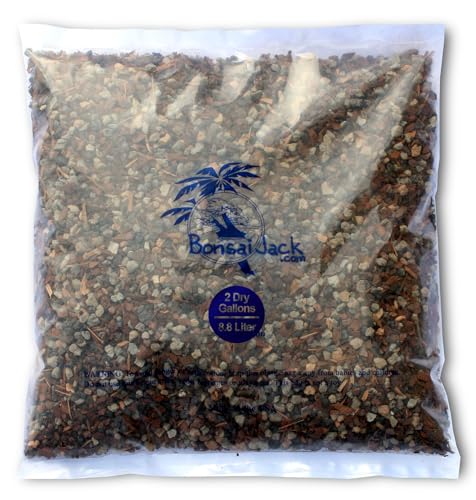
Bonsai Jack Universal Organic Bonsai Soil Mix #221, 2 Gallons

Plantonix Char Bliss Organic Biochar 8 Qts

Organic Plant Magic Compressed Potting Soil

Leaves & Soul Indoor Herb Soil Mix 2.2 Qt

Leaves & Soul Professional Bonsai Soil Mix 2.2 Quarts

Plantonix Worm Bliss Organic Worm Castings 1 Qt

Leaves & Soul Professional Orchid Soil Mix 2.2 Quarts
Taking A Closer Look At The Options
Earthworm castings work differently than a potting soil, and that distinction matters when growing trees. Rather than filling a container, this 3-pound bag functions as an amendment you blend into an existing mix or sprinkle around the root zone of established specimens. The castings feed soil microbes, which in turn feed tree roots, making it a slow, steady fertilizer rather than a quick jolt.
For a backyard orchardist with mature dwarf fruit trees, a light top-dressing each season can keep growth steady without burning roots. Indoor growers with a potted fiddle leaf fig will find a spoonful mixed into the surface refreshes tired soil between repottings. Treat it as a supplement, not a standalone medium.
What Stands Out
- Pure organic worm castings deliver nitrogen, phosphorus, and trace minerals without synthetic additives
- Improves water retention in sandy or fast-draining mixes, which helps young saplings stay hydrated
- Small bag size fits apartment storage and is easy to ration across multiple pots
- Won’t burn roots at typical application rates, so over-application forgiveness is built in
Honest Caveats
- At 3 pounds, coverage is limited for anything beyond a handful of small to medium container trees
- Not a complete growing medium on its own, so it requires pairing with a base potting soil
- The fine texture can crust on top of pots if left undisturbed between waterings
At A Glance
Made For
Backyard growers with a few established container trees who want a gentle, organic nutrient boost without switching out the entire soil volume.
Look Elsewhere When
You need a complete fill-the-pot medium for a new planting, in which case FoxFarm Ocean Forest Potting Soil is the better starting point.
FoxFarm’s Ocean Forest is one of the most recognized bagged mixes in the gardening aisle, and the 1.5 cubic foot size suits a small container tree project without breaking the budget. The blend combines earthworm castings, fish meal, and crab meal with forest humus and sphagnum peat, producing a ready-to-use medium that skips the mixing bench entirely.
Compared to the Earthworm Castings in pick 1, this is a complete fill-the-pot product rather than an amendment. If you’re repotting a citrus into a 10-gallon container or starting a small fig in a half-whiskey-barrel style planter, the aerated texture resists compaction over a full growing cycle.
Everyday Perks
- Ready to use straight from the bag, which saves a trip to source bulk compost
- Light, aerated texture resists compaction in deeper containers over time
- Blend of organic meals supports steady nutrition for the first several months
- Compatible with most container trees, from figs to dwarf citrus to ornamental specimens
Points To Note
- 1.5 cubic feet is heavy to haul and awkward for apartment stairwells
- Strong organic smell out of the bag, which fades after the first watering
- Holds more moisture than a cactus or orchid mix, so drainage-sensitive trees may need added perlite
Who Will Love This
Container gardeners starting a new dwarf fruit tree or repotting a small ornamental who want a dependable, nutrient-rich base without mixing their own blend.
Reach For A Different Pick When
You’re growing a tree that demands sharp drainage, in which case Bonsai Jack Universal Organic Bonsai Soil Mix handles that brief far more precisely.
Horticultural charcoal sits in a different category from the bagged soils above. Mosser Lee’s offering is a 2.25 dry quart bag of fruit-tree-derived charcoal pieces, sized for mixing into a custom blend rather than filling a container solo. Its job is absorption: it soaks up excess water and odors, then releases moisture back slowly into the root zone.
For container trees prone to overwatering from well-meaning owners, a layer of this charcoal mixed into the lower third of the pot softens the consequences of heavy-handed watering. It also suits pots that lack drainage holes, which describes terrariums and certain decorative planters where trees occasionally get staged.
Positive Takeaways
- Absorbs and slowly releases water, helping buffer against irregular watering schedules
- Reduces odor in closed containers and helps condition soil over time
- Sourced from fruit trees, which suits an orchardist’s aesthetic and sourcing priorities
- Small bag size is easy to store alongside other amendments
Trade Offs
- Not a standalone planting medium, so it must be combined with a true soil or mix
- Charcoal dust can be messy during pouring; a collar or scoop helps keep things tidy
- Effect is subtle in large in-ground plantings where soil volume dilutes the benefit
Best Suited To
Indoor tree owners with decorative pots without drainage who want a forgiving layer between heavy waterings.
Swap It Out When
You’re planting a tree directly in the ground and need amendment by the cubic foot, in which case Plantonix Char Bliss Organic Biochar delivers similar benefits at a larger scale.
Bonsai Jack’s Universal mix is engineered with the kind of precision that ornamental tree growers appreciate. The 2-gallon bag arrives screened and pre-washed, which removes the dust that often plugs drainage channels in shallow bonsai pots. The blend targets a balanced pH around 6.4 and is built to drain fast while holding enough moisture for healthy root growth.
Beyond traditional bonsai, this mix handles any container tree that resents wet feet, including dwarf conifers, Japanese maples, and olives. The screened consistency means no surprises from a stray chunk plugging a drainage hole, and the 2-gallon volume fits several repotting sessions without taking over a closet.
A Few Strong Suits
- Pre-washed and screened to remove dust, preserving drainage in shallow containers
- Balanced pH around 6.4 suits a wide range of ornamental trees
- Fast-draining structure prevents root rot in species sensitive to soggy soil
- Particle size is consistent, so each pot behaves predictably across repotting sessions
Where It May Fall Short
- Drains so well that daily watering is often needed during summer heat
- Premium positioning carries a higher cost than general-purpose potting soils
- Lower organic content means supplemental feeding is necessary through the season
Right Fit For
Bonsai enthusiasts and growers of drainage-sensitive ornamental trees who want consistency and precision in their medium.
Not Your Match When
You want a budget-friendly all-purpose blend for a large container, where FoxFarm Ocean Forest Potting Soil is the more economical route.
Biochar earns its keep over years rather than weeks, and Plantonix’s Char Bliss comes in an 8-quart bag suited to amending raised beds and in-ground tree plantings. Unlike the horticultural charcoal in pick 3, this biochar is made from ethically harvested wood and tree trimmings and is OMRI-listed for organic use. The porous structure persists in the soil for multiple seasons, holding nutrients and water where roots can reach them.
For someone planting a young orchard or improving tired soil around established trees, mixing biochar into the planting hole gives a long-term foundation. It’s a one-time investment that continues paying back season after season, which matters when you’re committing a tree to a single location.
Standout Benefits
- OMRI-listed, so organic certification standards are met without question
- Enhances nutrient retention and reduces leaching in sandy or fast-draining native soils
- Persistent structure means a single application benefits trees for multiple growing seasons
- Supports carbon sequestration in the soil over time
A Few Limitations
- Slow-release nature means noticeable soil improvement takes a season or two
- Best results require mixing into native soil rather than surface application alone
- Dust during handling, so a mask and gloves are advisable during large amending jobs
Feature Snapshot
Perfect Match For
Backyard orchardists planting new fruit trees or improving tired in-ground soil who want a long-lasting organic amendment.
A Better Fit Elsewhere
You grow exclusively in containers and want a quick nutrient boost, where Plantonix Worm Bliss Organic Worm Castings delivers faster results at smaller scale.
Compressed soil solves a specific problem: what to do when you need potting mix but lack storage space. Organic Plant Magic ships as a compact brick that expands up to four times its packaged volume once water is added. The blend combines coconut coir (coir is a fibrous husk material that retains moisture while resisting compaction) with worm castings, giving a finished medium suitable for a single small tree or several smaller containers.
Apartment dwellers with a balcony fig or a rooftop citrus can tuck the brick in a closet and only hydrate what they need. Unlike the bulkier FoxFarm bag in pick 2, there’s no awkward hauling up stairs or dragging through hallways.
Where It Excels
- Compact brick format solves the storage problem for small-space gardeners
- Expands to roughly three gallons once hydrated, enough for a single small tree project
- Resealable bag keeps unused material dry for future use
- Coconut coir base resists compaction and holds moisture evenly around roots
Practical Considerations
- Hydration takes planning, since the brick needs water and time before planting
- For larger container trees, multiple bricks add up and lose the storage advantage
- Coir base can dry out faster than peat-heavy mixes in warm conditions
Who Should Grab It
Apartment and condo growers who need a small amount of high-quality medium on demand without dedicating closet space to bulky bags.
Skip It When
You’re filling multiple large containers in one session, where FoxFarm Ocean Forest Potting Soil offers more volume for the effort.
While technically labeled for herbs, this 2.2-quart Leaves & Soul mix suits small potted trees that want herb-like drainage. The blend is tuned for strong root development in compact containers, and the texture favors the kind of moisture balance that Mediterranean and citrus-type trees prefer when grown indoors as small specimens.
For a windowsill dwarf lemon or a young bay laurel, the smaller volume keeps waste down and the texture encourages the dense, healthy root mass these trees need to stay productive indoors. Compared to the heavier FoxFarm blend in pick 2, this one is lighter in the bag and easier to work with on a kitchen counter.
What It Does Well
- Light texture supports the dense root development small potted trees need
- Formulated to enhance fertilizer efficiency, so supplemental feeding goes further
- Compact 2.2-quart bag suits indoor growers repotting once or twice a year
- Supports stability in shallow pots, where top-heavy trees can otherwise lean
Less Ideal Details
- Small bag size means larger trees need multiple purchases
- Herb-specific tuning means moisture-loving tropical trees may need extra perlite
- Limited availability in physical garden centers in some regions
Quick Facts
The Right Fit
Indoor growers tending small citrus, bay laurel, or compact fruit trees who want a blend matched to shallow, well-draining pots.
Consider Something Else When
You grow larger outdoor trees in deep containers, where FoxFarm Ocean Forest Potting Soil delivers more volume and richer nutrition.
Where Bonsai Jack in pick 4 prioritizes screening and consistency, Leaves & Soul’s bonsai blend focuses on component diversity. The 2.2-quart bag combines lava rock, limestone, calcined clay, and pine bark, giving roots a varied texture to explore. Calcined clay (a hard, porous material made by heating clay to high temperatures) holds moisture in its pores while letting excess drain freely, and pine bark adds organic structure that breaks down slowly.
Made in the USA and ready to use straight from the bag, this mix suits both indoor and outdoor bonsai collections. For someone working with several shallow pots, the multi-component texture encourages the kind of fine root branching that keeps miniaturized trees compact and healthy over years of training.
Useful Strengths
- Multi-component blend (lava, limestone, calcined clay, pine bark) creates varied root-zone texture
- Fast-draining structure prevents the waterlogging that kills shallow-pot bonsai
- Made in the USA with consistent quality control
- Ready to use out of the bag with no sifting or pre-washing required
Honest Caveats
- Harder to find in local garden centers compared to mainstream brands
- Smaller bag size means multiple purchases for larger collections
- Higher inorganic content means supplemental fertilization is essential through the growing season
Core Details
Whose Shelf It Belongs On
Bonsai hobbyists managing a small collection who want a ready-to-use, multi-component blend without the screening step.
Where Another Pick Suits Better
You’re after a screened, pre-washed consistency at higher volume, where Bonsai Jack Universal Organic Bonsai Soil Mix is the more refined option.
Worm Bliss arrives in a 1-quart container that fits the smallest gardening shelf, and the OMRI-listed castings deliver the same nitrogen, phosphorus, and potassium profile as larger bag options. Unlike the Earthworm Castings in pick 1, this one is sized for precision work: a few tablespoons mixed into a planting hole for a young sapling, or a light sprinkle across the surface of a recently repotted tree.
For growers testing amendments for the first time, the small size keeps the commitment modest. You can gauge how a particular sapling responds before scaling up to a larger bag for the rest of the orchard.
Why It Works Well
- OMRI-listed organic certification fits food-tree and edible-plant programs
- 1-quart size suits small projects and lets you evaluate before buying larger quantities
- 100% vegan and manure-free for gardeners with specific sourcing preferences
- Rich in nitrogen, phosphorus, potassium, and trace minerals in a single amendment
Points To Note
- Small volume makes coverage impractical for established trees or large plantings
- Worm castings alone don’t replace a balanced potting mix for new plantings
- Strong earthy odor when first opened, which dissipates after watering
Built With In Mind
First-time growers experimenting with organic amendments on a single young tree before committing to larger quantities.
Not Your Match When
You maintain multiple mature trees that need seasonal feeding, where Earth Science Earthworm Castings offers a larger 3-pound bag at better value per ounce.
The final entry steps outside ordinary trees into a closely related category: epiphytes. Epiphytes are plants that grow on other plants rather than in soil, drawing moisture and nutrients from the air and accumulated debris. Orchids and bromeliads fall into this group, and Leaves & Soul’s 2.2-quart mix combines lava rock, calcined clay, and pine bark to mimic the airy, fast-draining conditions their roots demand.
While not a traditional “tree” soil, this mix earns its place because epiphytic “trees” in the home collection (dendrobiums, mounted staghorn ferns, certain bromeliads) need the same careful drainage that bonsai do. Anyone maintaining a diverse indoor plant room with both small trees and mounted epiphytes will appreciate having a dedicated medium for the latter.
Noteworthy Benefits
- Coarse, airy texture suits epiphytes that demand excellent air circulation around roots
- Multi-component blend (lava, calcined clay, pine bark) balances drainage with stable moisture pockets
- Made in the USA with consistent component sizing
- Ready-to-use format eliminates sifting and pre-washing steps
Where It Is Less Suited
- Specialized texture is wrong for typical soil-grown trees
- 2.2-quart bag suits small collections; large orchid collections need bulk options
- Higher inorganic content requires careful fertilization to support blooming
Feature Card
Made For
Indoor growers tending orchids and bromeliads alongside their tree collection who want a dedicated, ready-to-use epiphyte medium.
Where A Sibling Pick Shines
You’re focused on traditional soil-grown trees and need a versatile base, where FoxFarm Ocean Forest Potting Soil covers that brief far more broadly.
Factors That Matter When Choosing Potting Soils For Trees
Drainage Before Anything Else
Container trees live or die by drainage. A medium that holds water too long invites root rot, especially in shallow pots where the bottom stays saturated. Look for mixes that include perlite, pumice, lava rock, or pine bark, all of which create air pockets that roots need. Compare the Bonsai Jack mix in pick 4 to a peat-heavy general-purpose soil: the former drains in minutes, the latter can stay damp for days. Match the drainage speed to your tree’s tolerance for moisture and to your watering habits.
Texture And Particle Size
Particle size controls how roots navigate the medium. Fine, dusty mixes compact over time and starve roots of oxygen. Coarse, chunky mixes drain fast and reward species that evolved in well-aerated conditions. Bonsai and epiphyte mixes like those in picks 8 and 10 use larger particles on purpose. For a young sapling in a deep nursery pot, a finer blend like FoxFarm in pick 2 actually works well because roots need consistent contact with moisture and nutrients.
Organic Content And Nutrition
Most bagged mixes include some organic matter, whether earthworm castings, compost, or bark. The higher the organic content, the more nutrients are present at planting, but also the faster the mix breaks down over time. Inorganic-leaning mixes like the bonsai blends need supplemental fertilizer through the season, while organic-rich blends like FoxFarm feed trees longer between feedings. Decide based on how often you want to fertilize.
Volume And Storage Logistics
A 1.5 cubic foot bag weighs roughly 40 pounds and takes up significant space. Compressed bricks like the one in pick 6 solve the storage problem but require planning to hydrate. Specialty mixes ship in smaller 2-quart or 2-gallon bags suited to specific projects. Match the package size to the scale of your work and the storage you actually have.
What Smart Shoppers Catch Before Buying
Wrong Turns To Avoid
A common mistake is grabbing any bag labeled “potting soil” and assuming it works for trees. General-purpose mixes often hold too much moisture for shallow containers, while cactus mixes drain too aggressively for thirsty species like citrus. Match the mix to the tree’s native preference, not to the most familiar brand on the shelf.
Where The Extra Money Goes
Premium blends like Bonsai Jack and the Leaves & Soul bonsai and orchid mixes cost more because of the screening, washing, and component sourcing. That processing removes the fine dust that clogs drainage and ensures consistent particle size. For a single repotting, premium pricing feels steep. For a long-lived bonsai or a mounted epiphyte, the consistency pays back over years of healthy growth.
Frequently Asked Questions
What Is The Best Soil To Use For Potted Trees?
The best soil depends on the tree type, but most container trees prefer a well-draining mix with organic matter. FoxFarm Ocean Forest in pick 2 works broadly, while bonsai and epiphyte mixes suit shallow pots better.
Can I Use Regular Garden Soil For Trees In Containers?
Garden soil compacts in containers and limits oxygen to roots. Bagged potting mixes are formulated to stay loose and drain properly, which is why dedicated products like those in this lineup exist.
How Often Should I Repot A Tree In A Container?
Young trees benefit from repotting every one to two years, while established trees can go three to five years between repottings. Watch for roots circling the pot or water running straight through without absorbing.
Do I Need To Add Fertilizer If My Potting Mix Already Contains Nutrients?
Yes, especially with lean mixes like the bonsai and orchid blends. Organic-rich mixes like FoxFarm feed for the first few months, but supplemental fertilizer through the growing season keeps trees vigorous.
What Is Biochar And Why Add It To Tree Soil?
Biochar is a charcoal-like soil amendment made from heated organic feedstock, and it persists in soil for years, holding nutrients and water. Products like Plantonix Char Bliss in pick 5 are OMRI-listed for organic use and work well in planting holes for new trees.
Closing Remarks
The right medium depends less on a universal “best” and more on matching the soil to the tree, the container, and your watering style. Container trees need drainage and aeration, while bonsai and epiphytes demand precision. Start with what you grow, choose a blend tuned to those conditions, and your trees will reward the attention for years to come.
