

Starting seeds at home feels straightforward until trays stay soggy, seedlings collapse, or roots refuse to push. The wrong medium turns a hopeful January afternoon into a string of failed germination, while the right one makes every sprout look like a small victory. This shortlist covers ten mixes and amendments worth a spot on your bench, so the leap from seed packet to healthy transplant gets a little less guesswork.
How The Shortlist Stacks Up

ZeeDix 3QT Coarse Perlite for Plants, Soil Amendment

FoxFarm Ocean Forest Potting Soil 1.5 Cu Ft

Worm Bliss 1 Qt Organic Worm Castings

ZeeDix 3QT Tropical Potting Mix for Plants
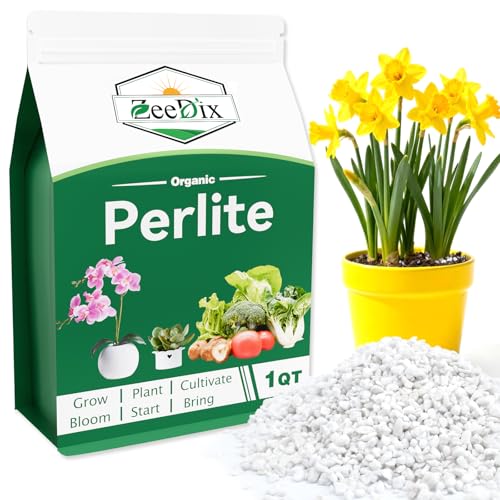
ZeeDix 1QT Coarse Perlite for Plants

Halatool 100 Pcs 30mm Peat Pellets

ZeeDix 1QT Tropical Potting Mix

Halatool 55 Pcs 30mm Peat Pellets

200 Pcs 30mm Peat Pellets Block Potting Soil

Halatool 300 Pcs 30mm Peat Pellets
Taking A Closer Look At The Options
ZeeDix Coarse Perlite is not a complete seed-starting medium on its own. Think of it as a structural upgrade you blend into peat, coir, or bagged mixes when seedlings keep damping off or the surface crusts over after watering.
The coarse grade (listed at 3 to 9 mm) creates air pockets that keep tender root hairs from suffocating, and the porous texture holds a small reserve of moisture without staying soggy. For anyone mixing their own starting blend at home, this bag earns its keep fast.
Where It Excels
- Coarse 3 to 9 mm particles create durable pore spaces that survive watering better than fine perlite
- Lightweight enough to mix into heavy peat without sinking, keeping the blend fluffy for weeks
- Neutral pH so it won’t shift your mix toward acidic or alkaline
- Sterile, mineral-based medium that avoids introducing weed seeds or pathogens to young roots
- Three-quart bag covers several seed trays when blended at roughly one part perlite to three parts base mix
Some Limits To Know
- Dry perlite dust is fine and irritating, so wet the bag lightly or wear a simple dust mask when pouring
- Floats upward under heavy overhead watering, so a top dressing of vermiculite or finer mix helps anchor seeds
Whose Bench It Belongs On
DIY mix makers who want to stretch a base medium into something looser and better-draining for trays.
Consider Something Else When
Halatool 100 Pcs 30mm Peat Pellets suit anyone who would rather skip the measuring cup and pour-and-plant workflow entirely.
FoxFarm Ocean Forest is the bag you grab when you’d rather not blend anything. It comes ready to use, with a light, aerated texture that holds enough moisture for germinating seeds while still letting roots breathe.
The 1.5 cu ft size covers a sizable run of containers, making it a workhorse for gardeners starting dozens of seedlings at once. Compared to the perlite option above, this is the all-in-one route that skips the measuring and the mixing.
Practical Pluses
- Pre-blended texture means seeds go straight in without any extra amendment for most home gardeners
- Light, aerated structure resists compaction that suffocates young roots
- Large 1.5 cu ft volume handles multiple seed trays or a round of container transplants
Worth Noting
- Heavier than perlite-only options, so storing the open bag requires a lidded bin to keep pests out
- Rich enough that very small or slow-growing seeds may prefer a leaner mix
Feature Snapshot
Who It Suits Best
Container gardeners who want a single bag that handles both seed-starting and ongoing patio planters.
Swap It Out When
Worm Bliss 1 Qt Organic Worm Castings fits better if your priority is an organic nutrient boost layered into a leaner starter mix.
Worm castings are the slow-release sidekick your starter mix calls in when the seedlings have popped but lack vigor. Worm Bliss is a 1-quart jar of pure earthworm castings, listed for organic gardening use, and you stir a small amount into your base mix or top-dress after germination.
One quart looks small, but worm castings are concentrated. A spoonful per cell goes a long way, so the jar tends to outlast expectations, especially compared with bulk perlite or pre-blended soils.
What Makes Sense
- OMRI-listed for organic gardening, useful when growing edibles from seed
- Small jar format fits on a narrow shelf next to other seed-starting supplies
- Blends into any base medium, so it works alongside the perlite and pre-mixed picks above
Trade-Offs
- Not a standalone seed-starting medium; works only as an amendment layered into something else
- One-quart jar runs out fast in large tray setups, so heavy starters may need multiple jars
Right Fit For
Organic-focused growers starting vegetables and flowers who want a clean, gentle nutrient source.
Where Another Pick Suits Better
FoxFarm Ocean Forest Potting Soil suits gardeners who would rather skip amendments and grab a ready-to-use bag.
Tropical houseplants tend to sulk in dense potting soil, so ZeeDix built this 5-in-1 mix specifically for the chunky, airy texture that aroids prefer. The 3-quart bag opens and goes straight into the pot, no blending required.
For seed-starting purposes, the loose structure also works well for cuttings and young tropical plants moving out of propagation trays. Versus FoxFarm above, this mix prioritizes drainage over nutrient density, so seedlings fed lightly thrive.
What Helps Most
- Pre-blended tropical formula skips the perlite-plus-peat measuring routine
- Chunky texture supports aroid cuttings and young transplants as much as seed starts
- Three-quart size suits a small collection of indoor pots without going stale in storage
Honest Caveats
- Coarser texture dries out faster than fine mixes, so seedlings need closer watering attention
- Not optimized for tiny herb seeds that prefer a finer, more even surface
Quick Facts
Built With In Mind
Tropical foliage collectors propagating cuttings and starting aroids from seed in indoor setups.
A Better Fit Elsewhere
Halatool 100 Pcs 30mm Peat Pellets suit anyone starting dozens of small vegetable or flower seeds at once.
The 1-quart version of ZeeDix coarse perlite is the smaller sibling to pick #1. Same 3 to 9 mm grade, same airy drainage, just sized for gardeners who only need enough to fluff up a few trays.
It also works as a top dressing after sowing. A thin scatter of perlite over seeds helps keep humidity even without burying small seeds too deep.
The Practical Payoff
- Compact 1-quart size stores easily on a crowded shelf
- Same coarse grade as the larger bag for consistent results across small batches
- Useful as a seed-cover top dressing in addition to a mix-in
Soft Spots
- Small volume means heavy seed-starters run out quickly
- Dust on opening, so plan to pour outdoors or over a damp surface
The Right Fit
Casual growers with a single tray or two who want drainage help without buying more perlite than they’ll use.
Skip It When
ZeeDix 3QT Coarse Perlite fits better for multi-tray sowings where the bigger bag spreads across the season.
Peat pellets collapse the whole seed-starting workflow into a coin-sized puck. Halatool ships 100 of these compressed 30 mm discs, and each one swells into its own little starter cell once watered.
The non-woven mesh holds everything together, so you transplant the whole plug without disturbing the roots. For anyone who has wrestled with loose soil spilling across the kitchen counter, this format feels almost too tidy.
What Earns Its Place
- Dry pellets store flat, so 100 of them tuck into a small box instead of a heavy bag
- Pre-portioned cells keep germination conditions consistent across the tray
- Mesh wrap protects roots during transplant, reducing transplant shock for seedlings
Practical Considerations
- Peat dries out fast in pellets, so daily watering is part of the routine
- Once expanded, the pellets need a tray underneath for the wicking system to work properly
Quick Technical Notes
Made For
First-time seed starters and busy growers who want a tidy, no-mess setup on a kitchen counter or windowsill.
Look Elsewhere When
Worm Bliss 1 Qt Organic Worm Castings suits anyone wanting to enrich their regular mix with organic nutrients instead of switching formats.
This 1-quart version of the ZeeDix tropical mix is built for the small-space grower. You get the same pre-blended aroid-friendly texture as the larger 3-quart bag, just sized for a windowsill collection of pothos and philodendrons.
For seed-starting, it doubles as a clean medium for cuttings and small propagation projects. The smaller bag also reduces the chance of stale, half-used mix sitting open for months.
Well-Handled Touches
- Compact 1-quart size avoids waste from half-used bags drying out in storage
- Pre-blended tropical texture keeps aroids happy without any extra mixing
- Light enough to repot small pots without hauling a heavy sack around
Less-Strong Areas
- Small volume means multi-plant repots or several seed trays run through it fast
- Loose texture still requires monitoring moisture in dry indoor air
Best Suited To
Apartment growers tending a small windowsill of tropicals who only need a quart or two at a time.
Reach For A Different Pick When
Halatool 55 Pcs 30mm Peat Pellets fit better for someone starting a row of vegetable seeds rather than repotting houseplants.
Halatool’s 55-pellet pack is the right-sized middle ground. You get enough starter cells for a couple of trays of seeds without committing to a 100- or 200-pellet bag that might sit in storage past its window.
Same 30 mm compressed format as the larger packs, so each pellet expands to roughly 1.8 inches tall once watered and holds together for transplant.
The Helpful Details
- Modest 55-pellet count fits casual sowings without waste
- Dry discs store flat, freeing up shelf space for lights and trays
- Same expanded height and mesh wrap as larger Halatool packs for predictable results
Where It May Fall Short
- Not enough pellets for ambitious multi-variety sowings, so larger packs suit bigger projects
- Peat dries quickly, so you’ll still want a humidity dome or daily check-in
Who Should Grab It
Limited-space growers sowing a small selection of seeds and wanting exactly enough cells without leftovers.
Another Choice May Suit
200 Pcs 30mm Peat Pellets Block Potting Soil fits better when a whole season of sowing is on the calendar.
Two hundred pellets covers a serious spring sowing. Multiple vegetable varieties, a row of herbs, and a flat of annual flowers all fit comfortably, with spares left over for succession plantings.
The 30 mm compressed format and mesh wrap match the smaller Halatool packs above, so you can scale up your workflow rather than reinvent it.
Where It Delivers
- Bulk count suits early spring sowings of multiple crops at once
- Same proven pellet format as smaller packs for consistent germination behavior
- Compressed discs stay shelf-stable, so extras last into the next season if stored dry
Things To Weigh
- 200 pellets demand more tray space and a real watering routine to keep all cells evenly moist
- Overkill for casual starters who only run one or two trays each spring
Important Details
Perfect Match For
Vegetables-and-herb growers planning several trays of succession sowing across the spring season.
Not Your Match When
Halatool 55 Pcs 30mm Peat Pellets suits a casual windowsill setup where 200 cells would gather dust.
Three hundred pellets is the bulk-pack end of the spectrum. For gardeners running multiple rotations through the year (spring vegetables, summer flowers, fall herbs), this count keeps the workflow uninterrupted.
The expanded dimensions come in slightly shorter than the other Halatool packs (around 1.4 in tall after watering), so plan cell trays accordingly.
A Strong Showing
- 300-pellet supply covers several sowings across the year from a single purchase
- Compressed discs store compactly, so the bulk size still fits on a shelf
- Same convenient mesh-wrapped format as the smaller Halatool packs
What To Weigh
- Expanded height runs a touch shorter than sibling packs, so tray depth matters
- Bulk quantity is wasted if you only start a few seeds each season
Who Will Love This
Year-round growers running multiple crop rotations and wanting a single bulk source of starter cells.
Where A Sibling Pick Shines
Halatool 100 Pcs 30mm Peat Pellets fits a spring-only routine without committing to 300 cells.
Factors To Consider When Choosing Potting Soils To Start Seeds
Texture And Drainage
Seedlings drown in dense, soggy mixes before they have a chance to push roots. Look for a medium that feels light in your hand and drains within a few seconds of watering. Coarse perlite, peat pellets, and pre-blended tropical mixes all share that loose, airy character that lets new roots breathe.
Format: Loose Mix Vs. Compressed Pellets
Loose mixes in bags suit gardeners who want to fill standard trays or pots. Compressed peat pellets suit anyone who prefers pre-portioned cells and less mess on the counter. The format choice often matters more than the brand, because both approaches grow healthy seedlings when watered correctly.
Volume And Storage
A 1.5 cu ft bag of pre-blended soil covers many trays, but it must be stored sealed to avoid pests and drying out. A small jar of worm castings keeps indefinitely on a shelf. Peat pellets compress flat and store in a shoebox-sized space, so they suit apartments with limited storage.
Nutrients And Amendments
Most seed-starting mixes are intentionally lean, because rich soil can burn tender roots. If your seedlings look pale after the first true leaves appear, a small amount of worm castings or a diluted feed gets growth back on track without overdoing it.
Key Considerations Across These Picks
Pitfalls Shoppers Hit
Choosing garden soil or topsoil for seed trays is a common slip. Outdoor soil compacts quickly in small cells and brings weed seeds and pathogens along for the ride. Sterile bagged mixes or fresh peat pellets sidestep that whole category of problems.
Where The Extra Money Goes
Higher-tier mixes and amendments cost more for a reason: finer texture control, organic certification, or convenience formats like pre-portioned pellets. For a small one-tray project, the value question is real. For a multi-tray spring routine, the upgrade often pays for itself in saved time and better germination rates.
Frequently Asked Questions
Do I really need a special mix to start seeds?
Yes. Garden soil and ordinary backyard dirt compact in small cells and introduce weed seeds and pathogens. A sterile seed-starting mix gives seedlings the loose, clean environment they need to push healthy roots.
Can I reuse last year’s potting soil?
For mature plants, yes. For starting fresh seeds, it’s risky. Old mix can harbor fungi and pests that overwhelm tender seedlings, so starting with fresh sterile material gives your new seeds a much cleaner runway.
How wet should the mix feel before sowing?
Aim for the texture of a wrung-out sponge. Squeeze a handful and only a few drops should escape. Saturated mix suffocates seeds, while bone-dry mix won’t trigger germination.
Do peat pellets need fertilizer?
Yes, eventually. Peat itself is nutrient-poor, so once seedlings develop their first true leaves, light feeding or a top-dressing of worm castings keeps them growing strong until transplant.
How long until seedlings are ready to transplant?
Most vegetables and flowers are ready to move outdoors four to six weeks after sowing, once they have several sets of true leaves and the weather has warmed. Slow-growing varieties may need a couple more weeks, so always check the seed packet for guidance.
Bottom Line
The right medium comes down to your space, your routine, and how much mixing you enjoy. A pre-blended bag of FoxFarm Ocean Forest covers most casual setups, while peat pellets keep things tidy for indoor sowers. Add a bag of perlite or a jar of worm castings for the tweaks that turn a good tray into a great one.
