

Most container gardeners eventually want full control over what feeds their plants. Pre-loaded fertilizers force you into a schedule, often dumping nitrogen into soil before delicate roots have settled in, and they can scorch seedlings or push leafy growth at the wrong moment. That is the entire reason the no-fertilizer category exists: a blank medium you tailor yourself, from seed-starting through mature container care.
This roundup leans into that idea. You will find indoor mixes, cactus blends, bonsai grit, compressed coir bricks, herb-specific soil, and a few general-purpose workhorses that ship without synthetic feed. Every pick is a starting point you can amend on your own terms.
The Main Contenders

FoxFarm Ocean Forest Potting Soil 1.5 cu ft

MIDELONG Bonsai Soil Scoops 6.4 in (2 Pack)

Miracle-Gro Potting Mix 16 qt (2-Pack)
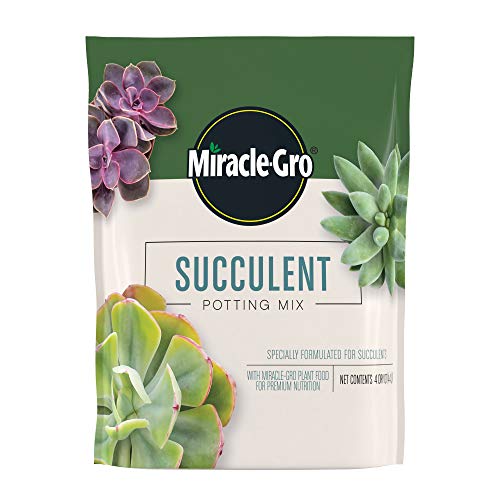
Miracle-Gro Succulent Potting Mix 4 qt

Organic Plant Magic Compressed Potting Soil

Leaves and Soul Indoor Herb Soil Mix 2.2 qt

Leaves and Soul Bonsai Soil Mix 2.2 qt
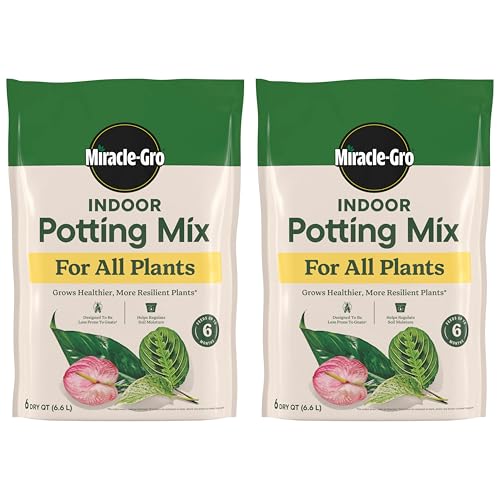
Miracle-Gro Indoor Potting Mix 6 qt (2-Pack)
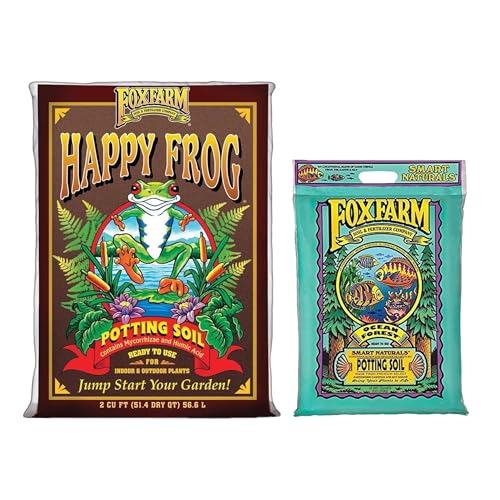
FoxFarm Happy Frog 2 cu ft + Ocean Forest 12 qt

Leaves and Soul Orchid Soil Mix 2.2 qt
Taking A Closer Look At The Options
FoxFarm’s Ocean Forest sits at the top of this list for a reason: it lands in a sweet spot most general-purpose mixes miss. The texture reads light and airy straight out of the bag, so roots slide through without compaction, and it is built for all container plants, which means seedlings, mature houseplants, and patio vegetables can share the same bag without a custom blend. For gardeners who want one shelf-staple they trust, this is the easy default.
Compared with the smaller scoops and specialty mixes lower in this roundup, Ocean Forest gives you a real volume of usable soil. A 1.5 cubic foot bag fills several mid-size pots, so a single purchase stretches across a repotting weekend.
Practical Advantages
- Light, aerated texture keeps roots oxygenated in deep containers
- Designed for all container plants, so one bag covers most repotting jobs
- 1.5 cu ft volume handles several mid-size pots without reordering
- Comes ready to use, no mixing or pre-soaking required
Trade Offs
- Heavier than compressed options, so storage and carrying take some effort
- Strong organic aroma at first pour, which can bother sensitive indoor spaces
Key Specs
Who It Suits Best
Container gardeners running a mixed patio or sunroom setup will find this hits the broadest range of pots on a single shelf.
Where Another Pick Suits Better
Small-space growers without garage storage should consider the Organic Plant Magic compressed brick instead, since it weighs far less on day one.
This pick is not soil at all, and that is the point. The MIDELONG pair lands here because once you commit to a no-fertilizer approach, you start measuring your own amendments into pots, and you need a scoop that fits a small bonsai or terracotta. Two color-coded scoops in pink and blue keep worm castings separate from perlite, which matters when your bench is covered in jars.
The 6.4 inch length fits comfortably inside standard amendment bags, and the plastic build is light enough for long sessions without hand fatigue. For anyone running small containers, this is the tool that quietly earns its keep.
The Practical Payoff
- Two color-coded scoops keep amendments separated during mixing
- 6.4 inch length reaches into standard amendment bags without spills
- Lightweight plastic reduces hand fatigue during long potting sessions
Things To Consider
- Plastic construction can wear or crack with rough garden use over time
- Small size makes them easy to misplace on a busy potting bench
Best Suited To
Hobbyists who mix their own blends for small containers will appreciate having dedicated scoops that keep their workflow tidy.
Swap It Out When
Anyone filling large patio pots in volume will get more use from the FoxFarm Ocean Forest bag, since hand-scooping is faster than measuring amendment by amendment.
The two-pack format is what makes this Miracle-Gro mix worth a closer look for no-fertilizer shoppers. Each 16 quart bag handles several mid-size containers, so the bundle covers a full patio refresh without a second trip to the garden center. The blend is built for outdoor containers, including flowers, vegetables, shrubs, annuals, and perennials, which keeps the lineup flexible.
Where this pick differs from FoxFarm’s Ocean Forest above is mostly texture and ambition. Miracle-Gro’s blend is a generalist, while Ocean Forest leans richer and more organic. Both are solid, but this two-pack wins on sheer volume per dollar.
Useful Touches
- Two 16 quart bags cover a full container garden in one purchase
- Works across flowers, vegetables, shrubs, and perennials without swapping mixes
- Bag format stores neatly in a garage corner between repottings
Worth Noting
- Lighter organic content than Ocean Forest, so it can dry out faster in deep pots
- Two-pack is bulky to receive and may need a planned drop spot
Quick Facts
Made For
Patio gardeners refreshing a row of outdoor containers in a single weekend will get the most out of the bundled volume.
Look Elsewhere When
Houseplant-only growers in small apartments should consider the Miracle-Gro Indoor Potting Mix 6 qt 2-Pack instead, since it is tuned for lower-light indoor conditions.
Succulents and cacti punish the wrong soil fast. This Miracle-Gro blend is built for that reality, with a sandy, fast-draining mix that suits aloe vera, cacti, echeveria, burro’s tail, and other dry-loving varieties. The 4 quart size fits a single 8 inch container with room to spare, depending on root ball size, which makes it a tidy purchase for one or two pots at a time.
Compared with the larger Miracle-Gro Potting Mix two-pack above, this one trades volume for specificity. It is not trying to feed anything, just to drain quickly enough that thick roots stay healthy.
Why It Works Well
- Fast-draining texture prevents the root rot succulents hate
- Succulent-specific blend removes the need to add perlite yourself
- 4 quart size is easy to store in a closet or under a bench
Minor Gripes
- Single 4 qt bag fills only one 8 inch container, so larger collections need multiple bags
- Coarse texture settles below the rim, so top-dressing may be needed after a few waterings
Perfect Match For
Beginners building a small succulent shelf who want a forgiving, dry-tuned mix without the guesswork will do well here.
Reach For A Different Pick When
Anyone running a deep bonsai container will find the Leaves and Soul Bonsai Soil Mix better matched to shallow, woody root systems.
Storage is the silent killer of any potting soil purchase, and compressed bricks solve it. Organic Plant Magic’s brick arrives small, light, and shelf-stable, then expands up to four times its volume once you add water. That means a closet shelf or a single kitchen drawer can hold what would otherwise require a garage corner. For apartment growers without bulk storage, this format changes the math.
Unlike the bulky Miracle-Gro and FoxFarm bags earlier in this list, this one travels well. You can keep a brick in a garden tote for spontaneous repotting sessions, and the resealable bag handles leftover mix between uses.
The Upside
- Compressed brick format fits on a closet shelf between uses
- Expands up to four times when hydrated, so a small brick covers several containers
- Resealable bag keeps leftover mix ready for the next session
- Lightweight enough to carry up staircases without strain
Room For Improvement
- Requires water and waiting before use, so it is not a grab-and-pour option
- Coir-heavy texture can compact over time in deep containers without added perlite
Spec Overview
Right Fit For
Apartment growers without a garage or shed will get the most out of the compressed, shelf-stable format.
A Better Fit Elsewhere
Gardeners who repot in volume and want a pour-and-go workflow should consider the FoxFarm Ocean Forest bag, which skips the hydration step.
Herbs are a specific crowd. Basil, mint, rosemary, and thyme all want a similar loose, well-draining medium, but they don’t love the heavy, moisture-retentive mixes designed for tropical houseplants. Leaves and Soul’s 2.2 quart herb blend targets that middle ground, giving kitchen-counter gardeners a clean base they can feed lightly on their own schedule.
Side by side with the Miracle-Gro Succulent Mix, this one trades grit for a touch more organic content. That makes it gentler on the shallow roots of soft herbs while still draining well enough to keep mint from rotting.
Reasons It Performs
- Tuned for the moisture needs of basil, mint, rosemary, and thyme
- Loose texture encourages the root branching herbs need
- Small 2.2 qt bag fits on a kitchen shelf without crowding
- Clean starting medium lets you control feeding on your own schedule
Points To Note
- Small bag fills only a handful of herb pots, so larger herb gardens need multiples
- May need a layer of perlite added for very thirsty herbs in warm kitchens
Who Should Grab It
Windowsill herb gardeners keeping four to six pots will find this size and texture a tidy, no-fuss match.
Not Your Match When
Anyone running a full vegetable patio should consider the Miracle-Gro Potting Mix 16 qt two-pack, which has the volume for bigger projects.
Bonsai soil is its own discipline. The roots sit in shallow containers, and ordinary potting mix holds too much water, so growers turn to gritty blends that drain in seconds. This Leaves and Soul mix leans into that with lava, limestone pumice, calcined clay, and pine bark, giving the sharp drainage bonsai roots demand. The 2.2 quart volume is enough for several small repottings.
Compared with the orchid blend lower in this list, this one shares the coarse structure but skews slightly heavier in mineral content. Both are aimed at shallow, woody root systems, but the bonsai version is tuned for trees specifically.
Useful Highlights
- Lava, pumice, calcined clay, and pine bark give sharp, even drainage
- Ready to use straight from the bag without sifting
- 2.2 qt covers several small to medium bonsai repottings
A Few Limitations
- Coarse pieces can shift during watering, so top dressing helps keep things tidy
- Not designed for tropical foliage, so using it elsewhere invites over-drying
Built With In Mind
Bonsai hobbyists repotting one to three trees at a time will appreciate the ready-to-use, pre-measured grit blend.
Consider Something Else When
Phalaenopsis and other tropical orchids will do better in the Leaves and Soul Orchid Mix, which is tuned for epiphytic root systems.
Houseplants want a different texture than patio containers. Miracle-Gro’s indoor blend combines sphagnum peat moss, coir, and perlite, which keeps the mix light and airy on a windowsill. The two-pack delivers 12 quarts total, enough for several small-to-medium houseplant repottings in one trip. It is also formulated to help retain and release water, which smooths out the watering swings indoor plants suffer in dry apartments.
Where this differs from the larger outdoor Miracle-Gro two-pack above is mostly scale and texture. This one is finer and lighter, which makes more sense for the smaller volumes a houseplant shelf demands.
Advantages To Know
- Peat, coir, and perlite blend stays light for indoor containers
- Two-pack format covers a multi-plant repotting session
- Helps retain and release water, easing indoor watering swings
Softer Spots
- Finer texture can compact over time, so annual refresh helps
- Two-bag shipment can feel bulky in a small apartment entryway
Whose Shelf It Belongs On
Apartment dwellers building a multi-plant houseplant collection will get steady use out of the two-pack volume.
Skip It When
Outdoor patio growers refreshing large containers should reach for the Miracle-Gro Potting Mix 16 qt two-pack instead, which has the volume they need.
This FoxFarm bundle is the heavy lifter in the roundup. You get a 2 cubic foot bag of Happy Frog potting soil paired with a 12 quart bag of Ocean Forest, which covers most large container projects in one order. Happy Frog brings its own soil microbes that work alongside whatever feeding program you set, and the included Ocean Forest rounds out the recipe.
Versus the standalone Ocean Forest bag earlier in this list, this bundle swaps sheer volume for variety. If you want one weekend’s worth of repotting handled end to end, this is the route.
What Earns Its Place
- Two-bag bundle covers large container projects in one purchase
- Happy Frog adds soil microbes for root efficiency on its own
- Ocean Forest rounds the bundle out with a richer organic base
Possible Compromises
- Combined weight and size demand planned storage space
- Bundle redundancy may leave you with more of one mix than you need
The Right Fit
Container gardeners planning a multi-pot weekend refresh will get the most out of the dual-bag format.
Another Choice May Suit
Apartment growers with limited storage should consider the Organic Plant Magic compressed brick, which collapses to a fraction of the size.
Orchids are not potting soil plants. Phalaenopsis, dendrobiums, and other tropical orchids evolved as epiphytes, meaning their roots wrap around tree bark in the wild and drown in dense mix. Leaves and Soul’s orchid blend uses lava, calcined clay, and pine bark to recreate that airy, chunky structure. The 2.2 quart bag covers several small orchid repottings.
Compared with the bonsai mix just above, this one uses a slightly different mineral profile and skews toward bark-heavy texture. Both are coarse, but the orchid blend is tuned for epiphytic roots specifically.
Noteworthy Benefits
- Lava, calcined clay, and pine bark mimic natural orchid growing conditions
- Coarse texture prevents the root rot tropical orchids hate
- 2.2 qt covers several small orchid repottings without surplus
Details To Watch
- Chunky pieces dry fast, so watering frequency often increases
- Not a fit for tropical foliage plants, which want finer, richer mix
Who Will Love This
Phalaenopsis and other epiphytic orchid keepers repotting one to four plants will find the texture and volume well matched.
Where A Sibling Pick Shines
Bonsai growers repotting trees in shallow pots will get more out of the bonsai-specific blend, which leans slightly more mineral-heavy.
What To Weigh Before Choosing Potting Soil Without Fertilizer
Match The Mix To The Plant Family
Different plant groups have very different soil expectations. Succulents and cacti want fast drainage with low organic matter, while leafy tropical houseplants prefer a richer, moisture-retentive blend. Bonsai and orchids both need chunky, airy mixes, but for different reasons: bonsai roots suffocate in dense soil, and orchid roots rot if they sit wet for long.
Picking by plant family saves you from amending after the fact. A general-purpose mix like FoxFarm Ocean Forest covers vegetables and herbs well, but succulents, bonsai, and orchids all want a specialty blend from this list.
Drainage And Aeration Drive Root Health
Drainage is the single biggest factor in a no-fertilizer mix. Perlite, pumice, lava rock, and pine bark all create air pockets that keep roots oxygenated and prevent waterlogging. Heavier, peat-heavy blends can compact over time and starve roots of oxygen, especially in deep patio pots that see frequent watering.
For most container setups, a mix that drains within a few seconds after watering is the right target. If water sits on the surface, the blend is too dense for what you’re growing.
Storage And Format Shape Daily Use
Bag size, weight, and format matter more than people expect. A 1.5 cubic foot bag fills a shelf corner and runs heavy fast. Compressed bricks like Organic Plant Magic collapse to a fraction of the size but need hydration before use. Two-packs handle multi-plant sessions but create a brief storage crunch on delivery day.
Format matters most in small apartments where garage space doesn’t exist. In those cases, a compressed brick or a pair of small 2 quart bags fits the workflow better than a single large bag.
Key Considerations Across These Picks
Pitfalls Shoppers Hit
The most common mistake is grabbing a general-purpose mix for a specialty plant. Cacti in rich, moisture-retentive soil rot fast, and orchids in fine bark-based blends suffocate just as quickly. Another trap is ignoring the bag weight: a 2 cubic foot bag of FoxFarm runs heavier than expected, so plan a drop spot before delivery. Finally, some shoppers assume “no fertilizer” means “no nutrients ever,” but most unfertilized mixes contain organic matter that breaks down slowly. You will still need to feed on a schedule, just on your own terms.
Where The Extra Money Goes
Premium blends like the Leaves and Soul bonsai and orchid mixes cost more because their mineral components (lava, calcined clay, pumice) are heavier and more expensive to source than peat or coir. Specialty textures also require more precise blending to deliver sharp drainage without becoming too coarse. The upgrade pays off when you grow plants that punish the wrong soil, like orchids or bonsai. For a windowsill herb garden, that premium price rarely matters, and a general-purpose bag handles the job just as well.
Frequently Asked Questions
Do no-fertilizer potting soils still contain nutrients?
Most unfertilized mixes still include organic components like peat, coir, worm castings, or aged forest products, which break down slowly and release small amounts of nutrients over time. They will not push aggressive growth on their own, so plan to feed on your own schedule once the plants are established.
Can you start seeds in a no-fertilizer mix?
Yes, and many growers prefer it. Seedlings are sensitive to high nitrogen, so a clean, low-feed mix lets you control when nutrients arrive. Light, well-draining blends like FoxFarm Ocean Forest or Miracle-Gro Indoor Potting Mix work well for starting most vegetable and flower seeds.
How long does an unfertilized mix last in a pot?
Most mixes hold their structure for one to two growing seasons before compaction and salt buildup become a problem. Tropical foliage plants often need annual refresh, while succulents and orchids can go longer between repottings. Refresh the top few inches each season to extend the life of the full pot.
Is it safe to mix no-fertilizer soil with compost at home?
Absolutely, and that is often the smartest move. Adding a portion of screened compost to a peat or coir base creates a richer, balanced blend without the risk of overfeeding. For vegetables and herbs, a 50/50 mix of unfertilized soil and compost is a common starting point.
What is the difference between perlite and pumice in these mixes?
Perlite is a lightweight, white volcanic glass that holds a small amount of water while creating air pockets. Pumice is a similar mineral but heavier and grittier, and it does not float to the surface the way perlite sometimes does. Both improve drainage, but pumice tends to last longer in the pot before breaking down.
The Takeaway
Potting soils without fertilizer give you the cleanest possible starting point for any container garden, whether you keep houseplants on a shelf, grow herbs on a windowsill, or maintain a row of patio containers. The right pick depends on the plant family, the volume you need, and the storage you have. For most mixed setups, FoxFarm Ocean Forest is the safest default; for specialty plants like orchids or bonsai, the Leaves and Soul mineral blends earn their keep. Start with the plant, then pick the soil that matches its roots.
