

Choosing the right enclosure for a small flock comes down to predator pressure, soil type, and how often you plan to move things around. Backyard keepers balancing chickens, ducks, or rabbits need different things from the roll they pull off the shelf. This roundup walks through welded wire, plastic mesh, hardware cloth, and electrified options, pairing each pick with the scenario where it actually earns its keep.
The Essentials At A Glance

Cat’s Claw Fasteners Screw in Fence Staples (2in Softwood)
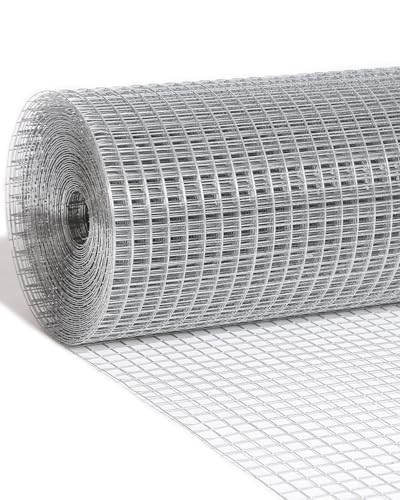
Nueve Deer Hardware Cloth 1/2″ Chicken Wire 48″ x 100′

FOREHOGAR PVC Coated Welded Wire 36″ x 25′ (2″x3″ Mesh)

Yardbliss Welded Wire 48″x50ft PVC Coated (2″x3″ Mesh)

GILPWA PVC Coated Welded Wire 36″x50ft (2″x2″ Mesh)

AlpineReach Plastic Poultry Mesh 1.3ft x 30ft

AlpineReach Plastic Poultry Mesh 1.3ft x 50ft

AlpineReach Plastic Poultry Mesh 1.3ft x 10ft

Wowangce Electric Fence Polytape 1″ x 2000 ft
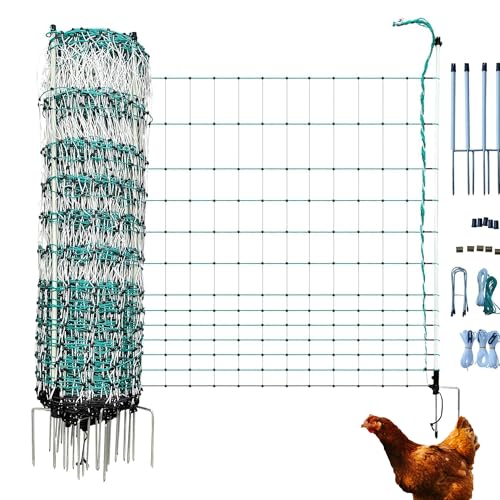
RentACoop Electric Poultry Netting 42″ x 168′
The Picks, Examined More Closely
Staples are the unglamorous part of any fence build, and most people only notice them when a wire pulls loose or a finger gets in the way. The Cat’s Claw approach swaps a hammer for a drill, turning a slow, painful chore into something you can finish before your coffee gets cold. Designed for 2-inch softwood posts, the claw-shaped head grips poultry wire without crushing it, so the mesh stays taut instead of sagging into gaps.
For anyone building or repairing a coop run, this kit fills the same role traditional fence staples always have, just without the pinched knuckles and bent wire. It works especially well when you are stretching hex netting or welded wire across cedar posts, where the wood tends to split under a hammer blow.
Key Advantages
- Screw-in design drives with a standard drill bit, skipping the hammer entirely.
- Claw-shaped head cradles the wire so it doesn’t get crushed or pushed out of position.
- Two count options (75-pack and 170-pack) match small repairs and full builds alike.
- Designed for softwood posts up to 2 inches, which covers most backyard framing lumber.
- Removable for re-tensioning or re-use, handy when you redesign runs over the seasons.
Things To Consider
- Not rated for hardwood posts like oak or dense cedar; pre-drilling may be needed in tougher species.
- You’ll need a drill and a compatible driver bit on site, adding one more tool to your kit.
Who It Suits Best
Backyard coop builders and small-flock keepers who want a faster, finger-friendly way to attach poultry wire to softwood framing.
Consider Something Else When
If you are fencing a wide pasture line with polytape, the Wowangce Electric Fence Polytape is the better match for rotational grazing.
Predators are the reason most coops fail, and the gap size of your mesh decides who gets in. Hardware cloth (welded wire mesh with small, evenly spaced openings) at 1/2 inch blocks everything from weasels and rats to young raccoons, which is why serious keepers reach past chicken wire for it. The Nueve Deer roll comes in a generous 48-inch by 100-foot size, enough to wrap a full run or build a dig-proof skirt around a coop base.
Made from galvanized annealed steel with a double-galvanized finish applied after welding, the wire holds up to wet ground and manure contact far better than basic chicken wire. Where the lighter PVC-coated rolls in this roundup handle garden borders, this one is built for the parts of your setup where teeth and claws meet wire.
Everyday Advantages
- 1/2-inch mesh blocks small predators that slip through standard 2-inch hex netting.
- Double-galvanized after welding for strong rust resistance in damp runs.
- 100-foot length covers a full coop run plus a buried predator skirt from a single roll.
- 19-gauge wire balances rigidity with workability for cutting and forming corners.
Worth Noting
- Heavier than vinyl-coated garden rolls, so plan a helper for unrolling and positioning.
- Cuts cleanly only with tin snips or wire cutters; household scissors won’t manage 19-gauge steel.
Feature Snapshot
Made For
Small-flock keepers in areas with raccoons, weasels, or rodent pressure who need serious predator blocking rather than decorative containment.
A Better Fit Elsewhere
For low-predator garden beds where looks matter, the FOREHOGAR PVC Coated Welded Wire is lighter and visually softer.
Smaller projects don’t always need 100-foot rolls, and hauling leftover mesh back to the shed gets old fast. The FOREHOGAR 36-inch by 25-foot roll fits a single raised bed, a short garden border, or a small bantam pen without the excess. Black PVC over galvanized steel keeps the look tidy against fence panels and garden mulch.
Compared to the longer Yardbliss roll below, this one trades run length for compact handling. The 2-inch by 3-inch mesh works well for chickens that aren’t flighty, ducks, or as a perimeter around a vegetable bed where rabbits are the main concern.
Advantages To Know
- Compact 25-foot length is manageable for one person to unroll and position.
- Vinyl coating softens the look in a visible garden setting.
- 16-gauge inner wire keeps the mesh rigid after stretching.
- Rolls up tightly for off-season storage in a small shed or garage corner.
Honest Caveats
- 2″x3″ mesh openings won’t stop small rodents; consider the Nueve Deer cloth for that role.
- Limited to short runs, so larger projects need multiple rolls.
Best Suited To
Apartment gardeners, raised-bed growers, and small-flock keepers who want a tidy-looking barrier for a single enclosed area.
Look Elsewhere When
For a long garden perimeter with the same vinyl-coated finish, the Yardbliss 50-foot roll covers more ground per purchase.
Height matters when you keep full-size chickens, and 48 inches gives birds enough room to fly up without launching over the top. The Yardbliss roll pairs that height with a workable 50-foot length, sized for the average backyard coop perimeter without leaving you with awkward offcuts. The black PVC finish sits well against wood fencing, which is why this style has become a garden standard.
It uses 16-gauge galvanized steel under the coating, so the welds hold firm when you tension the mesh between posts. Where the Nueve Deer cloth leans toward serious predator blocking, this roll aims for the gardener who also keeps a few hens.
Where It Excels
- 48-inch height contains standard chicken breeds without frequent clip-winging.
- PVC coating reduces the risk of scrapes when brushing past the fence.
- 50-foot length fits common coop footprints with minimal waste.
- Welded construction stays rigid under tension between T posts and wooden stakes.
Points To Note
- 2″x3″ mesh isn’t tight enough to exclude young rats or mice from feed areas.
- Heavier than plastic mesh alternatives, so two people make unrolling easier.
Who Will Love This
Small-farm owners and suburban keepers balancing a vegetable plot with a chicken run, where the same roll does double duty.
Reach For A Different Pick When
If your priority is predator-proofing rather than garden aesthetics, step up to the Nueve Deer Hardware Cloth.
Tight mesh openings are where this GILPWA roll pulls ahead of the wider 2″x3″ options above. The 2″x2″ pattern keeps smaller chicks, bantams, and most juvenile birds from squeezing through, while still allowing plenty of airflow through the run. At 36 inches tall, it works best for contained garden pens and low-flying breeds.
The vinyl-coated finish gives the wire a smooth feel that is gentler on bare arms during harvest or coop cleaning. Compared to the FOREHOGAR roll’s 25-foot length, this one stretches to 50 feet, fitting longer garden borders without splicing two rolls together.
What Helps Most
- Tighter 2″x2″ mesh contains bantams and young chicks reliably.
- Vinyl coating protects hands and arms during daily coop chores.
- 50-foot length fits typical backyard garden runs with one roll.
- Smooth black surface wipes clean of mud and droppings without scrubbing.
Trade Offs
- 36-inch height is short for full-size chickens that like to roost on the fence line.
- 2″x2″ mesh still admits small rodents, so feed storage needs its own sealed container.
Feature Card
Right Fit For
Bantam keepers, mixed-flock owners, and gardeners who want one roll to fence a vegetable plot and a small pen.
Swap It Out When
If your birds fly high or you keep full-size layers, the 48-inch Yardbliss roll offers more height without a step up in price tier.
Plastic mesh has a different job than welded wire, and trying to use it as a predator barrier is how most beginners learn the hard way. The AlpineReach 30-foot roll is the right tool for light-duty jobs: keeping bantams out of the lettuce, blocking a curious dog from the flower bed, or wrapping a young tree against nibbling rabbits. It cuts with household scissors and ships with zip ties, so no specialty tools enter the project.
The 1.3-foot height is short by design, more like a low garden fence than a coop wall. Pair it with the GILPWA welded wire for a coop build, and keep this roll for the garden borders where you want flexibility over strength.
The Upside
- Plastic mesh cuts cleanly with scissors, no tin snips or gloves required.
- Zip ties included, so installation takes a single afternoon.
- UV-resistant finish handles direct sun without becoming brittle in one season.
- Black color blends into garden beds better than shiny galvanized wire.
Things That May Matter
- Not strong enough to contain determined predators or larger breeds.
- 1.3-foot height is decorative rather than functional against jumping birds.
- Plastic can sag between posts if spans run longer than a few feet without support.
Perfect Match For
First-time flock keepers and renters who need a temporary, tool-light barrier for a small garden patch.
Not Your Match When
If your goal is a permanent coop with real predator resistance, the Nueve Deer hardware cloth is the safer starting point.
When the 30-foot roll runs short mid-project, the longer AlpineReach 50-foot version of the same mesh picks up the slack. Same UV-resistant plastic, same zip ties in the box, just more length to wrap a side garden or define a portable paddock for a few ducks. The 1.3-foot height stays low-profile, which keeps it out of the way of mowers and foot traffic.
Compared to the 30-foot version reviewed just above, this one trades a slightly heavier roll for fewer seams and joins along the run. For seasonal garden rotations or temporary fence lines during construction, the extra length is the more useful spec.
The Case For It
- 50-foot length covers typical garden borders without piecing together short rolls.
- Plastic construction won’t rust or leave sharp metal edges in play areas.
- Safe for pets and children who brush against it during daily yard play.
- Zip ties included mean no extra hardware store trip to start the project.
Small Caveats
- Same light-duty rating as the shorter roll, not suitable for persistent predators.
- Requires more support posts over the longer run to avoid sagging.
Built With In Mind
Suburban gardeners managing long flower beds or property lines where a quick, renter-friendly barrier beats a permanent fence.
Where Another Pick Suits Better
For taller vegetable plots where rabbits pressure from the side, the GILPWA 36-inch welded roll gives real height.
Not every fence project needs 30 or 50 feet of mesh, and the 10-foot AlpineReach roll fits the gap between “buy nothing” and “buy too much.” It’s the right size for tree guards, small plant cages, a single compost bin wrap, or a temporary patch over a hole in an existing fence. The same plastic-and-zip-tie formula applies, just in a friendlier footprint for storage.
Storage is the underrated win here. Apartment dwellers and small-shed keepers can tuck this roll on a single shelf without it sprawling across the floor. Compared to the heavier welded rolls above, this is the kind of mesh you keep around for odd jobs.
What Makes Sense
- 10-foot length fits storage in closets, sheds, and small garden nooks.
- Ideal scale for plant guards, tree wraps, and compost bin covers.
- Plastic mesh stays soft through cold snaps where metal can snap or kink.
- Works as a quick repair patch when welded wire develops a hole mid-season.
Areas To Watch
- Too short for any full coop or run project.
- Same light-duty strength as the longer AlpineReach rolls.
The Right Fit
Urban gardeners, balcony growers, and small-property owners who need a flexible patch and repair roll more than a primary fence.
Skip It When
For full coop construction, the Cat’s Claw Fasteners paired with welded wire is the more grounded starting combo.
Electric polytape is a different tool than welded wire, and it earns its place when you rotate birds across pasture rather than locking them in one run. The Wowangce 1-inch by 2000-foot roll provides enough length to fence several acres in a single line, with stainless steel strands woven through PE plastic to carry the current without corroding. Where mesh rolls serve static enclosures, polytape keeps flocks on the move.
This is a component, not a complete fence. You’ll need an energizer, step-in posts, and corner bracing to make a working line. Compared to the RentACoop netting below, polytape gives you the layout freedom; the netting gives you a ready-made enclosure.
A Few Strong Suits
- 2000-foot length covers long pasture runs with a single roll.
- Stainless steel conductors resist corrosion through wet seasons.
- UV-resistant PE plastic holds up under direct summer sun.
- Lightweight roll is easier to handle than equivalent galvanized wire.
Potential Drawbacks
- Requires a separate energizer and posts to build a working fence line.
- Tape can stretch in hot weather and need re-tensioning mid-summer.
- Less visible to birds than solid mesh, so training time may be needed.
Spec Overview
Whose Shelf It Belongs On
Pastured-poultry growers and rotational grazers who move birds across fresh ground regularly rather than keeping them in one fixed run.
Another Choice May Suit
For a plug-and-play portable perimeter, the RentACoop Electric Poultry Netting ships as a complete pre-built system.
Pre-built electric netting solves the hardest part of mobile poultry fencing: the corners. The RentACoop 42-inch by 168-foot system ships with pre-attached FRP (fiberglass-reinforced plastic) posts and triple-braided stainless and copper conductors woven into the mesh, ready to push into the ground and connect to a compatible energizer. It’s the closest thing to instant poultry fencing on the market.
Where the Wowangce polytape above needs separate posts and corner bracing, this netting folds up as a single unit you can roll out, step into place, and roll back up when the birds move. The 42-inch height handles standard chickens, ducks, and turkeys, which broadens its appeal across mixed flocks.
Useful Touches
- Pre-attached posts remove the most fiddly part of mobile fence setup.
- Triple-braided conductors carry steady current across the full 168-foot length.
- 42-inch height contains chickens, ducks, and turkeys in a single net.
- Rolls up as one unit for transport between paddocks.
Where It May Fall Short
- Energizer sold separately, adding a meaningful additional purchase.
- 168-foot length limits very large pastures; multiple nets plus a common energizer solve that.
- Best results require a low-impedance intermittent pulse energizer matched to the conductors.
Feature Rundown
Who Should Grab It
Hobby farmers and serious backyard keepers managing predator pressure who want a movable, electrified perimeter without a custom build.
A Better Fit Elsewhere
For fixed permanent runs, the Nueve Deer hardware cloth is the more economical, predator-tough backbone.
Picking the Right Mesh, Height, and Power for Your Flock
Matching poultry fencing to your flock comes down to three questions: what predators live nearby, how tall your birds fly, and whether the setup stays put or moves with the seasons. Mesh opening size (the width of the holes in the wire) is the most important number on the spec sheet, because it decides who gets in and who stays out. A 1/2-inch opening like the Nueve Deer hardware cloth blocks weasels and young rodents, while a 2-inch hex mesh (the classic flexible chicken wire with six-sided openings) only stops large animals and determined chickens.
Height matters more than most beginners expect. Standard breeds hop and flap upward when startled, and a 36-inch fence often looks taller than it actually performs. For full-size layers, 48 inches is the practical minimum, which is why the Yardbliss and hardware cloth options sit at that height. Bantams and ducks do well with shorter rolls like the GILPWA 36-inch mesh.
Material choice is where trade-offs get real. Galvanized steel under PVC (polyvinyl chloride, a tough plastic coating) balances rust resistance and visual softness, while raw galvanized hardware cloth handles buried skirts and predator duty without complaint. Plastic mesh cuts clean and installs fast, but it’s a garden product wearing a poultry label.
Mobile setups call for a different mental model entirely. Electric polytape and pre-built netting move with the flock, keeping them on fresh ground and predators guessing. Both require an energizer and a basic understanding of grounding, but the labor savings over rebuilding welded runs add up fast on a multi-paddock property.
Key Considerations Across These Picks
Pitfalls Shoppers Hit
The most common mistake is choosing chicken wire for predator defense. Traditional hex netting (flexible woven wire with hexagonal openings) keeps chickens in, but it doesn’t keep raccoons, dogs, or owls out, and the small wire thickness bends under claw pressure. Hardware cloth at 1/2 inch or smaller is the minimum for serious predator country.
Another trap is under-buying length. Measure the perimeter you plan to fence, then add at least 10 percent for overlap, ties, and the inevitable miscut. The 25-foot FOREHOGAR roll looks generous in the product image and disappears fast on a 24-foot perimeter.
What The Higher Tier Buys
Premium electric netting like the RentACoop adds pre-attached posts, integrated conductors, and a height that handles turkeys and ducks without extra fencing. You pay for the engineering baked in, and you save the hours of layout, corner bracing, and post driving that raw polytape demands.
Upgrading from basic PVC-coated welded wire to double-galvanized hardware cloth buys corrosion resistance in the parts of the fence that touch soil, manure, and standing water. Those are exactly the spots where cheaper coatings fail first, so the upgrade pays back in fewer mid-season replacements.
