

Weeds don’t wait for you to be ready, and pulling them after they’ve established roots turns a relaxing Saturday into back-breaking work. The right pre-emergent herbicide creates an invisible barrier that stops crabgrass, foxtail, and dozens of other offenders before they ever break the soil surface. Homeowners managing warm-season lawns, property caretakers clearing fence lines, and pond owners battling aquatic invaders all need different formulas. This roundup walks through eight options covering pre-emergent granules, post-emergent concentrates, surfactant boosters, marking dyes, and aquatic control, so you can match chemistry to your specific situation.
A Closer Look At The Lineup

Ranger Pro Glyphosate Herbicide Concentrate 2.5 gal.

Liquid Harvest Lazer Green Spray Pattern Indicator 1 Gallon
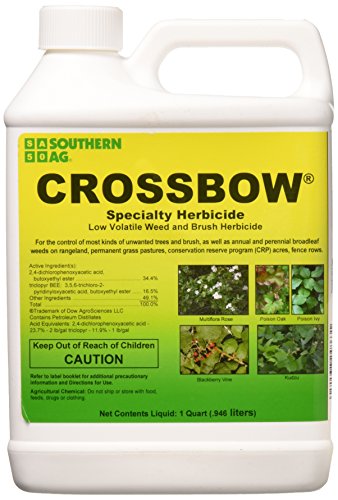
Southern Ag Crossbow Specialty Herbicide 32oz Quart
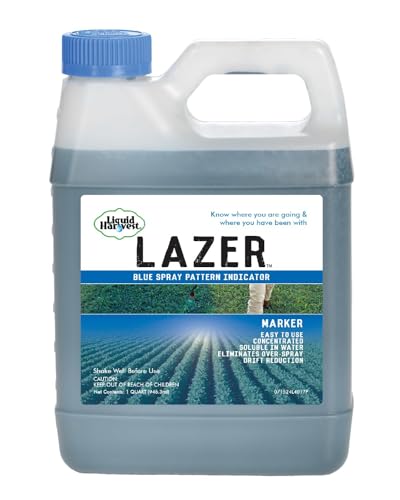
Liquid Harvest Lazer Blue Spray Pattern Indicator 32 oz
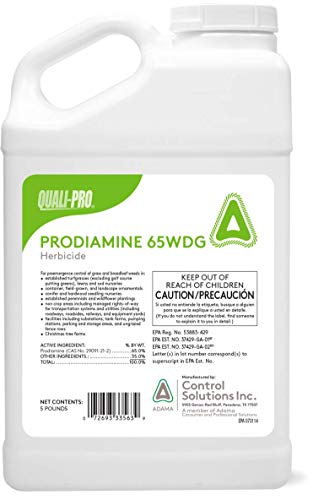
Quali-Pro Prodiamine Pre-Emergent Herbicide 5 lb
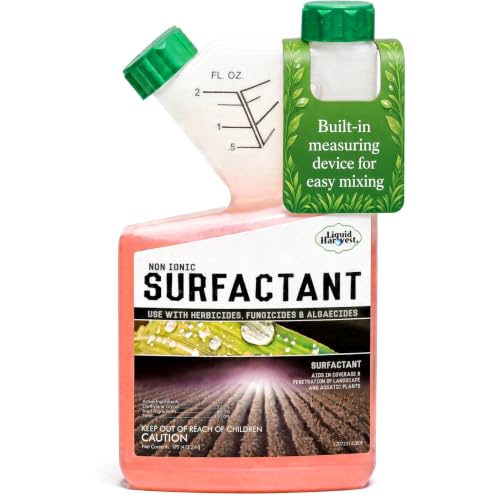
Liquid Harvest Concentrated Surfactant for Herbicides 16oz

Atticus Semera Flumioxazin Aquatic Herbicide 1 lb

Southern Ag Surfactant for Herbicides Non-Ionic 16oz
The Details Behind The Selections
Ranger Pro is a glyphosate-based concentrate, and glyphosate is the broad-spectrum workhorse behind most post-emergent weed control. The 2.5-gallon jug targets actively growing vegetation rather than preventing germination, which puts it in a different category from a true pre-emergent like Quali-Pro Prodiamine (covered later). On a multi-acre property where brush keeps creeping back along gravel driveways, mixing this at a rate of 2–3 ounces per gallon of water gives you enough finished spray to cover meaningful ground without constant refills.
For homeowners maintaining parks, recreational fields, or rural lots, the bulk format reduces how often you reorder. Compared with the brush-specific Southern Ag Crossbow later in this list, Ranger Pro handles a wider spectrum of broadleaf weeds and grasses but lacks the woody-plant punch of a dedicated brush killer.
A Few Highlights
- Glyphosate active ingredient at 41% concentration for reliable knockdown of emerged weeds.
- 2.5-gallon container cuts down on frequent repurchasing for large lots.
- Mixed at 2–3 oz per gallon, one jug produces a generous volume of finished spray.
- Suitable across residential, park, and recreational use scenarios.
- Concentrate format keeps shipping weight per treated square foot relatively low.
Trade Offs
- Post-emergent only, so it does not stop weeds before they sprout like a pre-emergent does.
- Bulk jugs require a secure storage spot away from children, pets, and extreme temperatures.
- Mixing accuracy matters, since over-concentration can damage desirable turf nearby.
Made For
Property owners clearing large areas of mixed grass and broadleaf weeds who already understand sprayer calibration.
Consider Something Else When
You need genuine pre-emergent timing, and the Quali-Pro Prodiamine granular formula would serve a homeowner fighting spring crabgrass far better.
Spray pattern indicator sounds like an accessory until you realize how much product gets wasted on overlap and missed strips. Lazer Green tints whatever it touches, so as you walk the lawn with a hose-end or backpack sprayer you can see exactly where the mix has landed. For homeowners spraying pre-emergent granules that have been watered in, this dye works alongside fertilizer and weed-control solutions to confirm coverage before the product disappears into the soil.
The green tint tends to blend into turf, which makes it easier on the eyes for someone who cares about curb appeal during application. Contrast that with the blue version covered next, which shows up vividly on light-colored surfaces.
Standout Benefits
- Temporary color shows spray patterns in real time, eliminating guesswork.
- Mixes with water-based herbicides, fungicides, pesticides, and fertilizers.
- Non-staining formula washes off hardscape and footwear with normal water.
- One-gallon size suits multiple seasonal applications across a typical lawn.
Points To Note
- Only compatible with water-based solutions, so oil-based products will not pick up the dye.
- Green tone can be harder to see on already-dense turf in shaded areas.
Feature Snapshot
Perfect Match For
Homeowners who want visual confirmation of even coverage across a mid-size lawn and value easy cleanup.
Look Elsewhere When
You prefer a higher-contrast indicator on lighter surfaces, and the Liquid Harvest Lazer Blue would show up more clearly on concrete or stone.
Crossbow is built for the stubborn vegetation a general-purpose herbicide struggles to control: saplings, briars, multiflora rose, and woody brush along fence lines. The low-volatile ester formulation sticks to bark and leaf surfaces longer than water-based sprays, which matters when you’re treating vertical growth. A 32-ounce quart is enough for spot treatment on several acres of brush, and you typically mix it with water plus a surfactant like the Liquid Harvest concentrate reviewed later for better leaf penetration.
If you’re maintaining a rural homestead or pasture edge, this is closer to a brush-management tool than a lawn product. Where Ranger Pro from the first entry handles mixed weeds in open ground, Crossbow takes over once woody stems appear.
The Good Stuff
- Targets woody species, brush, and tree sprouts that general herbicides miss.
- Low-volatile ester stays put after application, reducing vapor drift.
- Quart-size container fits standard chemical storage shelves.
- Pairs well with non-ionic surfactants to improve absorption through bark and cuticle.
Small Caveats
- Quart format means frequent reorder for anyone treating multi-acre brush infestations.
- Not designed for broadcast lawn use, so it can damage desirable grasses if misapplied.
Whose Shelf It Belongs On
Rural homeowners and property caretakers who battle persistent brush and tree regrowth along fence rows and pasture edges.
Skip It When
Your weed pressure is mostly crabgrass and broadleaf weeds in established turf, and the Quali-Pro Prodiamine pre-emergent would prevent the problem before this product ever gets mixed.
Lazer Blue is the same dye technology as the green gallon covered earlier, just in a smaller 32-ounce bottle and a different color. The blue tint pops against concrete, mulch beds, and stone borders, which makes it a strong choice when you want zero ambiguity about whether spray hit a non-target surface. For homeowners who treat driveway edges and walkways alongside turf, blue leaves a trail you cannot miss.
The 32-ounce size works well for spot treatments and small yards, whereas the one-gallon Lazer Green serves someone doing full-lawn coverage. Same active role, different scale and visibility.
Noteworthy Benefits
- Bright blue tint makes spray patterns obvious on hardscape and light surfaces.
- Mixes with water-based herbicides, fertilizers, and fungicides for flexible use.
- Compact bottle stores easily on a shelf or in a chemical cabinet.
- Non-staining formula rinses off with water once dry.
Honest Caveats
- Smaller container requires more frequent restocking for full-lawn applications.
- Color may surprise neighbors or passersby during application.
Quick Facts
Best Suited To
Homeowners spraying along hardscape and mulch beds where color contrast matters more than subtle blending.
Another Choice May Suit
You treat a larger turf area and prefer a less visible marker, and the one-gallon Lazer Green would cover more ground per bottle.
Prodiamine is the textbook pre-emergent for cool-season and warm-season lawns alike. Applied before weed seeds germinate, it forms a chemical barrier in the top inch of soil that stops root development in newly sprouted weeds. Yellow granules mean you can see coverage against dark mulch or soil as you spread, which reduces missed strips. Both spring and fall windows work, so a single 5-pound bottle covers multiple seasonal treatments on a residential lawn.
This is the only true pre-emergent in the lineup, so its role differs from the post-emergent Ranger Pro reviewed first. Think of it as preventive medicine while Ranger Pro handles the symptoms that already broke through.
What Works In Its Favor
- Pre-emergent action targets crabgrass and broadleaf weeds before they establish.
- Flexible timing allows both spring and fall applications for season-long control.
- Yellow granule form makes broadcast coverage easier to verify by eye.
- Tank-mix compatible with fertilizers for a single-pass application.
- 5-pound container sized for typical residential lawn coverage.
Less Ideal Details
- Timing window is strict: apply too late and the barrier misses already-germinated seeds.
- Granules need watering-in to activate, so irrigation or rainfall must follow application.
The Right Fit
Homeowners who plan seasonal lawn care around soil-temperature triggers and want season-long crabgrass suppression without frequent reapplication.
Where A Sibling Pick Shines
You’re already past germination and need to kill emerged weeds, and the Ranger Pro glyphosate concentrate would target visible growth instead.
A surfactant changes how spray droplets behave once they land on a leaf. By lowering surface tension, the herbicide spreads across the waxy cuticle instead of beading up and rolling off, which means more active ingredient reaches the target tissue. This 16-ounce bottle of non-ionic surfactant (a wetting agent that does not carry a charge and therefore mixes cleanly with most herbicide chemistries) is designed to pour straight into a tank mix alongside products like Ranger Pro or Southern Ag Crossbow.
For homeowners who already own herbicides but suspect their coverage is uneven, this is the upgrade that turns a so-so result into a clean kill.
A Favorable Mix
- Non-ionic formula mixes cleanly with most water-based herbicide sprays.
- Improves droplet spread across waxy leaf surfaces for better absorption.
- Concentrated format means a small amount treats a full spray tank.
- 16-ounce bottle lasts across multiple tank refills.
Practical Considerations
- Always check the herbicide label first, since some chemistries already include surfactant.
- Over-application can cause excessive runoff on certain leaf surfaces.
Who Should Grab It
Homeowners who already use glyphosate or brush herbicides and want better uptake without switching their main product.
A Better Fit Elsewhere
You prefer a surfactant from a brand you already trust in your shed, and the Southern Ag Non-Ionic Surfactant covered last offers the same role with that familiarity.
Semera is in a different league from the rest of this list because it is labeled for aquatic environments. Flumioxazin is the active ingredient, the same chemistry used in professional pond management, and at 51% water-dispersible granule concentration, a single 1-pound container treats a meaningful surface area of water. It targets duckweed, alligator weed, and other floating or emergent aquatic vegetation that choke out fish habitat and clog irrigation intakes.
This is not a lawn product, and treating open water requires attention to local regulations and downstream use. Compared with the terrestrial herbicides earlier, this pick exists for a niche that demands its own bottle.
What Helps Most
- Flumioxazin active ingredient trusted by professional applicators for season-long aquatic control.
- Targets floating, emergent, and submersed weeds including duckweed and alligator weed.
- Water-dispersible granule format disperses quickly in treatment water.
- 1-pound container covers multiple small-pond treatments.
Factors To Consider
- Aquatic use may require permits or applicator certification depending on your state.
- One-pound format suits small ponds, not large lake-scale projects.
Feature Card
Built With In Mind
Pond owners and water-feature managers dealing with persistent floating weeds who already understand local aquatic herbicide rules.
Reach For A Different Pick When
Your weed pressure is on dry land, and the Quali-Pro Prodiamine would handle crabgrass in turf far more appropriately.
Southern Ag’s non-ionic surfactant is a no-frills bottle of 80% active wetting agent designed for one job: helping herbicide sprays stick and spread. It pairs with Trimec, atrazine, brush killers, and 2,4-D amine (broadleaf weed killers commonly found in homeowner herbicide lines), so it fits the tank mix most homeowners already own. The pint-sized bottle is enough for an entire season of spot spraying on a residential property.
Think of this as the dependable sibling to the Liquid Harvest surfactant covered earlier. Both perform the same function; the choice comes down to brand familiarity and what’s already on your shelf.
The Value In It
- 80% non-ionic surfactant concentration delivers strong wetting performance per ounce.
- Compatible with a wide range of common homeowner herbicides.
- Pint-sized container fits standard chemical storage cabinets.
- Straightforward formula with no extra additives complicating mixing ratios.
Some Limits To Know
- Label check required: some herbicide products already contain surfactant.
- Pint format means restocking annually on large properties.
Who Will Love This
Homeowners who mix herbicides themselves and want a dependable surfactant from a brand they may already use for other ag products.
Swap It Out When
You prefer a surfactant formulated specifically for higher-concentration tank mixes, and the Liquid Harvest Concentrated Surfactant earlier covers similar ground in a 16-ounce pour.
What Matters Most Before Choosing Pre-Emergent Herbicides
Match The Chemistry To The Timing
A pre-emergent only works if it sits in the soil before weed seeds germinate. Soil temperature is the trigger homeowners should track: crabgrass typically germinates once soil holds around 55°F for several days, while poa annua starts earlier in fall. Applying Quali-Pro Prodiamine too early or too late weakens the barrier. Post-emergent products like Ranger Pro work after weeds emerge, so timing matters less, though actively growing plants still respond best.
Identify The Target Weed And Surface
Different weeds respond to different active ingredients. Grassy weeds such as crabgrass and foxtail need a dedicated pre-emergent, while broadleaf weeds often need a post-emergent broadleaf killer. Brush and woody growth call for a specialty ester formulation like Southern Ag Crossbow. Aquatic sites such as ponds and water gardens demand a labeled aquatic herbicide such as Atticus Semera, since terrestrial products can harm fish and downstream ecosystems.
Account For Adjuvants And Tank Mixes
Spray mix quality depends on more than the herbicide itself. A non-ionic surfactant such as the Liquid Harvest or Southern Ag options spreads droplets across waxy leaves and improves uptake. A marking dye such as Lazer Green or Lazer Blue shows exactly where spray landed, preventing overlap and skips. None of these are mandatory, but skipping them often means uneven coverage on the first try.
Size The Container To The Job
A 2.5-gallon jug of Ranger Pro suits multi-acre properties, while a 32-ounce quart of Crossbow fits fence-line spot work. A 5-pound bottle of Quali-Pro Prodiamine covers most residential lawns for one season, and pint-sized surfactant bottles stretch across multiple tank refills. Buying too little creates mid-season interruptions; buying too much leaves storage and disposal questions. Match the format to the acreage you actually treat.
Key Considerations Across These Picks
Pitfalls Shoppers Hit
The most common mistake is buying a post-emergent glyphosate and expecting it to prevent crabgrass. Pre-emergent and post-emergent herbicides operate in different windows, and the active ingredients do not overlap. Another trap is skipping the surfactant, then wondering why herbicide beads up and rolls off waxy leaves. Finally, treating open water with a terrestrial herbicide risks harming fish and violating local rules, so always match the label to the site.
Where The Extra Money Goes
Higher-tier herbicide products typically buy concentration, formulation quality, or specialty labeling. A 2.5-gallon jug of Ranger Pro costs more per ounce than a quart of generic glyphosate, but the concentration and bulk format reduce mixing time on big jobs. Aquatic-grade products such as Atticus Semera carry premium pricing because the chemistry is labeled for sensitive environments. Specialty brush killers like Crossbow cost more than general broadleaf killers because the ester formulation resists volatility. The honest read is that premium picks pay off when the use case genuinely demands them; for routine lawn work, mid-tier options often do the job.
Frequently Asked Questions
When should a pre-emergent herbicide be applied?
Apply before target weed seeds germinate, typically when soil temperatures reach 55°F for several days in spring for crabgrass or in early fall for poa annua. Water the product in within a few days to activate the barrier.
Can pre-emergent and post-emergent herbicides be mixed?
Most pre-emergent products should not be tank-mixed with post-emergent herbicides unless the labels explicitly allow it. Separate applications reduce the risk of antagonism and reduce wasted product.
Do marking dyes harm the lawn?
Temporary spray pattern indicators like Lazer Green and Lazer Blue are non-staining and wash away with normal watering or rainfall. They do not affect turf health when used as directed.
Is a surfactant always necessary?
No, but surfactants improve leaf coverage on waxy or hairy weed surfaces. Check the herbicide label first, since some products already include surfactant in the formulation.
Can aquatic herbicides be used on lawns?
No. Aquatic herbicides such as Atticus Semera are labeled for water sites only and can damage terrestrial plants. Use terrestrial products like Ranger Pro or Quali-Pro Prodiamine for lawns.
The Takeaway
The right pick depends on whether you’re preventing weeds, killing emerged growth, marking your coverage, or treating water. Match the active ingredient and formulation to your specific weed pressure and site, and don’t skip the surfactant if your target weeds have waxy leaves. For most residential lawns, a pre-emergent like Quali-Pro Prodiamine plus a surfactant covers the bulk of the season. For specialty work, the rest of this lineup fills the gaps without overlap.
