

Nutsedge is one of the toughest weeds to shake from a lawn, because the real damage starts underground. A single plant can push a network of tubers (small underground storage organs that sprout new shoots) into the soil and regrow long after the tops are pulled. Pre-emergent herbicides create a chemical barrier at the soil surface that stops those tubers from breaking through in the first place, which is why timing and active ingredient matter more than brand loyalty. The picks below lean on active ingredients widely used by lawn-care professionals, then sort them by lawn type, region, and how much ferti lizing you want to bundle into the application.
How The Shortlist Stacks Up
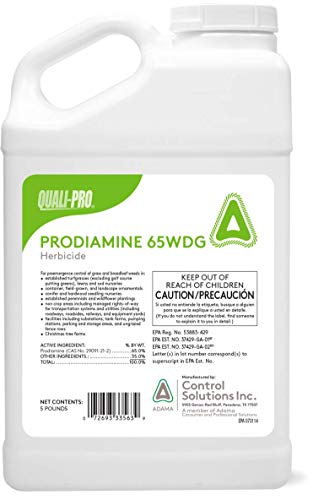
Quali-Pro Prodiamine 65 WDG Pre-Emergent Herbicide

Prodiamine 65 WDG Pre-Emergent Grass and Broadleaf Weed Control
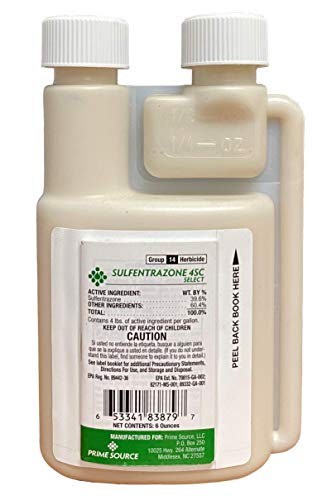
Primesource Sulfentrazone 4SC Herbicide (Dismiss)

Agrisel Sulfentrazone 4F Weed Killer Pre-Emergent

Yard Mastery 0-0-7 Dimension Pre-Emergent Herbicide 18 lb

Yard Mastery 0-0-7 Granular Prodiamine Pre-Emergent Herbicide 18 lb
DOW Snapshot 2.5 TG Granular Pre-Emergent Herbicide

Liquid Harvest Mesotrione Bundle with Surfactant

The Andersons 18-0-4 Barricade Fertilizer with Pre-Emergent 18 lb

The Andersons Barricade Professional-Grade Granular Pre-Emergent 18 lb
What Each Pick Brings To The Table
The Quali-Pro Prodiamine 65 WDG is a water-dispersible granule that lawn-care operators have leaned on for years, and it remains a sensible anchor for a serious nutsedge program. Prodiamine works by forming a thin chemical barrier in the top inch or two of soil, intercepting germinating tubers and seeds before they can push a shoot above the surface.
Because the active ingredient is the same one used in many professional products, this bottle gives homeowners a chance to match what their lawn service would apply. For most backyards with cool-season turf like fescue or bluegrass, a single spring application timed before soil temperatures settle into the 55°F range tends to deliver the cleanest results.
Notable Upsides
- Trusted prodiamine active ingredient used in professional spray programs.
- 5 lb bottle covers a meaningful slice of residential lawn at typical rates.
- Yellow granules disperse quickly in tank water, so mixing is straightforward.
- Flexible enough to schedule for either spring crabgrass or fall poa annua control.
- Pairs cleanly with liquid fertilizers and most broadleaf tank mixes.
Things To Consider
- Does not target nutsedge directly, so it works best as part of a layered program.
- Granular measuring calls for a small digital scale to avoid rate drift.
Whose Lawn It Belongs On
Homeowners managing cool-season turf who want a professional-grade foundation for a multi-step pre-emergent plan.
Look Elsewhere When
The Agrisel Sulfentrazone 4F Weed Killer Pre-Emergent makes more sense for lawns where nutsedge is already the headline problem.
Functionally, this pick is the same active ingredient at the same 65% water-dispersible granule concentration as the Quali-Pro version above, just sold through a different retail channel. For shoppers who care about getting prodiamine into their tank without paying for premium branding, the comparison is straightforward.
Application behavior is also identical: spread or spray before germination, water in within a window after treatment, and avoid disturbing the soil surface. For most lawns in transition zones where summer annuals and poa annua both show up, a split spring-and-fall schedule tends to handle both windows.
Bright Spots
- Same prodiamine active as the higher-priced brand sibling.
- Broadleaf and grassy weed control in one product.
- 5 lb size is workable for a single mid-size yard over a season.
Worth Noting
- Packaging does not always include a measuring scoop, so plan on sourcing your own.
- Generic branding means fewer printed how-to guides on the label.
The Right Fit For
Budget-conscious homeowners comfortable mixing their own spray and reading a generic label.
Skip It When
The Andersons Barricade Professional-Grade Granular Pre-Emergent is a better match for anyone who prefers granular spreader application over tank mixing.
This is where the list pivots from general pre-emergents to a sedge-specific tool. Sulfentrazone, the active here, is one of the few ingredients labeled for nutsedge control at the germination stage, and the 4SC formulation is the same one sold under the Dismiss brand name used on golf courses and athletic fields.
The trade-off is the bottle size: at 6 oz, this is a concentrated liquid intended to be diluted into a sprayer, so coverage depends entirely on your tank mix rate. For most lawns, that small footprint actually goes a long way once you measure the active ingredient per thousand square feet.
Why It Works Well
- Targets nutsedge and other sedges directly at the germination stage.
- Compatible with established turfgrasses when applied at label rates.
- Works on residential lawns, athletic fields, and sod farms alike.
- Visible results reported in roughly 24 to 48 hours on young weeds.
Trade Offs
- Small bottle means careful measuring is essential to avoid rate mistakes.
- Liquid spray application requires a dedicated pump or backpack sprayer.
Best Suited To
Homeowners dealing with a confirmed nutsedge outbreak who already own a sprayer and want to hit the problem head-on.
Consider Something Else When
The Agrisel Sulfentrazone 4F Weed Killer Pre-Emergent offers a similar active in a slightly different bottle size for shoppers who want a touch more product on hand.
Agrisel’s take on sulfentrazone is a flowable liquid concentrate that handles both pre- and post-emergent sedge pressure, depending on timing. Compared to the 6 oz Dismiss bottle above, the extra couple of ounces here is mostly insurance against measurement error on small lawns.
The active does its best work when watered in shortly after application, since the chemistry needs moisture to move into the germination zone. For most backyards, a morning application followed by an evening rinse from the irrigation system is the cleanest play.
Advantages To Know
- Sulfentrazone active targets nutsedge and a range of broadleaf weeds.
- Flexible enough to work as either pre-emergent or post-emergent.
- Low usage rates keep cost per application modest.
Honest Caveats
- Still requires a sprayer and clean water source for application.
- Storage in original container matters; freezing can break the emulsion.
Made For
Homeowners with smaller lawns or visible sedge patches who want a slightly larger bottle than the Dismiss option.
Reach For A Different Pick When
The DOW Snapshot 2.5 TG Granular Pre-Emergent Herbicide is the better fit for landscape beds and ornamental areas where granular application makes more sense.
Yard Mastery built this bag around dithiopyr, the active ingredient in Dimension, and paired it with a 0-0-7 fertilizer ratio that supplies potassium without pushing top growth. That combination matters in cool spring weather when you want root development but do not want to trigger a flush of tender new grass.
An 18 lb bag covers up to 6,000 square feet, so it suits a typical small-to-medium suburban yard without leaving a partial bag sitting in the garage. Granular application with a broadcast spreader is the easier path here, especially for homeowners without spray equipment.
Where It Excels
- Dithiopyr active targets crabgrass and many broadleaf weeds.
- Potassium carrier supports root strength without forcing top growth.
- Covers up to 6,000 square feet in a single bag.
Some Limits To Know
- Dithiopyr is not the strongest direct nutsedge tool, so pair with other measures for sedge pressure.
- Granular spreader calibration takes a test pass to dial in rate.
Who Should Grab It
Homeowners planning an early spring feeding and pre-emergent pass on a cool-season lawn in one trip across the yard.
A Better Fit Elsewhere
Warm-season lawns with serious nutsedge pressure should look at the Primesource Sulfentrazone 4SC Herbicide instead.
Where the previous Yard Mastery bag leaned on dithiopyr, this one uses prodiamine at 0.37% concentration inside the same 0-0-7 carrier. Prodiamine carries a longer residual than dithiopyr in many conditions, which is why lawn-care operators often run it as their foundation product.
The manufacturer lists compatibility with a wide turf list, including Bahiagrass, Centipedegrass, Bermudagrass, Zoysia, St. Augustinegrass, Seashore Paspalum, and Tall Fescue. That range is the practical reason warm-season southern lawns often land on this exact bag.
What Makes Sense
- Prodiamine active suitable for spring crabgrass and fall poa annua timing.
- Works across most major warm- and cool-season turf types.
- 3 lb per 1,000 sq ft rate matches typical homeowner spreader settings.
Points To Note
- Granular format means no spray equipment, but coverage depends on spreader accuracy.
The Right Fit For
Southern homeowners with mixed warm-season turf who want a long residual barrier in a single granular pass.
Consider Something Else When
The Andersons Barricade Professional-Grade Granular Pre-Emergent is worth comparing if you want a higher prodiamine concentration in a similar granular format.
Snapshot is a different category of product on this list. Rather than targeting turf weeds, it is a landscape and nursery pre-emergent designed for ornamentals, ground covers, perennials, Christmas tree plantations, and non-bearing fruit and nut trees. The active ingredient combination delivers a long residual window that landscape professionals rely on.
For homeowners with shrub beds, foundation plantings, or a backyard orchard, Snapshot is the kind of product that prevents a long season of hand-weeding. Application rate falls in the 2.3 to 4.6 lb per 1,000 sq ft range depending on the weed spectrum and timing.
Real-World Strengths
- Long residual control window across many broadleaf and grassy weeds.
- Labeled for ornamentals, ground covers, and non-bearing fruit trees.
- Granular format works well with standard broadcast spreaders.
- Trusted by landscape installers for landscape bed maintenance.
Practical Considerations
- Not intended for use on home lawn turf, so it has a narrower audience.
- Subject to hazardous-materials shipping rules, which can complicate delivery.
Feature Snapshot
Who It Suits Best
Landscape professionals and homeowners with established ornamental beds who want a long residual pre-emergent beneath shrubs and trees.
Not Your Match When
Lawns are the priority, in which case the Yard Mastery 0-0-7 Dimension Pre-Emergent Herbicide fits much better.
Mesotrione is the active ingredient behind the Tenacity brand, and Liquid Harvest packages it as a concentrate bundle with a surfactant (a wetting agent that helps the spray spread and stick to leaf surfaces). The surfactant inclusion removes one of the most common beginner mistakes: forgetting to add it to the tank.
Mesotrione works at both pre- and post-emergent timings, which makes it unusually flexible for new lawn seedings. Activation requires water within about 10 days of application, and full weed death can take two to three weeks, so patience matters more than visible quick wins.
The Practical Payoff
- Works as both pre-emergent and post-emergent on labeled weeds.
- Bundled surfactant means one fewer supply to source separately.
- Compatible with many turfgrasses and tolerant of new seedings.
- Liquid format mixes easily into a pump sprayer for small yards.
Less Ideal Details
- Slower visible results mean you may second-guess the application early on.
- Mesotrione is not a strong direct nutsedge killer, so pair with other tools for sedge pressure.
Perfect Match For
Homeowners starting a new lawn or overseeding who want one product that handles weeds during establishment.
Swap It Out When
Established lawns under heavy nutsedge pressure should reach for the Primesource Sulfentrazone 4SC Herbicide for direct sedge control.
The Andersons combines an 18-0-4 fertilizer with 0.426% prodiamine inside the DG (dispersible granule) technology that breaks down fast when watered in. That dispersible format is why the brand has a strong following among homeowners who want the convenience of a single granular pass without clumping or pickup problems.
An 18 lb bag covers around 5,000 square feet, so it is well matched to a smaller suburban lot. The label mentions crabgrass, poa annua, goosegrass, and henbit, which covers the common cool-season offenders in a single pass.
The Case For It
- Combines spring nitrogen feeding with prodiamine weed barrier.
- DG technology disperses quickly to reduce pickup and streaking.
- Covers roughly 5,000 square feet from a single 18 lb bag.
- Targets crabgrass, poa annua, goosegrass, and henbit.
Points To Weigh
- 18-0-4 pushes growth, so late spring applications on cool-season lawns can cause mowing surges.
- Prodiamine is preventative only, so existing weeds will not be eliminated.
Right Fit For
Homeowners who want to feed the lawn and lay down a weed barrier in one spring pass without juggling two products.
Reach For A Different Pick When
You want a fertilizer-free option, in which case the Yard Mastery 0-0-7 Granular Prodiamine Pre-Emergent Herbicide fits better.
Where the previous Andersons bag bundles fertilizer, this one is a straight 0.48% prodiamine pre-emergent with no nitrogen added. That higher prodiamine concentration and the absence of fertilizer make this the cleanest fit for late-summer or fall applications where you do not want to push top growth.
The DG carrier behaves the same way as the fertilizer-blended sibling, dispersing quickly once irrigation is applied. Coverage extends to about 5,800 square feet per bag, slightly more than the 18-0-4 version because there is no fertilizer weight in the formulation.
What Helps Most
- 0.48% prodiamine concentration for longer residual control.
- No fertilizer component means no unwanted growth flush.
- DG granule format reduces pickup and speeds breakdown after watering.
- Targets grassy and broadleaf weeds including crabgrass, poa annua, and henbit.
- Covers up to 5,800 square feet in a single 18 lb bag.
Factors To Consider
- Pre-emergent only, so existing weeds must be handled separately.
- Granular application still calls for a calibrated spreader to avoid streaks.
Built With In Mind
Homeowners with established cool-season lawns planning a fall poa annua barrier without an extra dose of nitrogen.
Where Another Pick Suits Better
The Andersons 18-0-4 Barricade Fertilizer with Pre-Emergent is the smarter call when you want a fertilizer-and-barrier combination in one pass.
Matching Active Ingredients To Your Lawn Type
The active ingredient drives the outcome more than the brand on the bag. Prodiamine is a dinitroaniline herbicide that interrupts cell division in germinating seedlings, which is why it shows up in most of the products above. Dithiopyr works on a similar principle but adds early post-emergent flexibility on crabgrass. Sulfentrazone targets sedges specifically through a different mode of action (it disrupts cell membranes in the emerging shoot), which is why sedge-heavy lawns often pair it with a prodiamine foundation. Mesotrione inhibits pigment production in new weed growth, bleaching young shoots before they establish.
Soil temperature is the practical clock. Crabgrass seeds typically begin to germinate once soil temperatures hold around 55°F for several days, while yellow nutsedge tends to wake up closer to 65°F. That gap explains why many programs run a prodiamine pass early and a sedge-targeted pass later. Match the product to the timing window rather than chasing a single all-in-one solution.
Grass type matters too. Bermudagrass, Zoysiagrass, and St. Augustinegrass tolerate most of the actives above within label rates, while centipedegrass and some fine fescues are more sensitive and call for the gentler end of the dose range. Always cross-check the label’s turf tolerance list before measuring out the spreader.
Key Considerations Across These Picks
Common Shopping Slip Ups
The most common mistake is treating pre-emergents like post-emergents. Once a sedge shoot is visible above the soil line, the barrier in the product has already done its job, and you are back to manual removal or a post-emergent sedge killer. Timing purchases around soil temperature, not the calendar, makes a meaningful difference.
A second pitfall is disturbing the soil after application. Pre-emergents form their barrier in the top inch or two of soil, so dethatching, aerating, or even aggressive raking can break the seal and let tubers slip through. Plan those mechanical tasks before the herbicide, not after.
What The Higher Tier Buys
Stepping up to a higher-priced bag often buys one of three things: a built-in fertilizer for fewer passes, a longer residual window from a slightly higher active concentration, or specialty uses such as ornamental beds. For most homeowners, the bigger jump in cost is justified only when one of those three benefits lines up with the lawn. Otherwise, the value-tier prodiamine and sulfentrazone options deliver the same active ingredient in a leaner package.
Frequently Asked Questions
When is the best time to apply a pre-emergent for nutsedge?
The best window is roughly two to three weeks before nutsedge tubers begin active growth, which often coincides with soil temperatures holding near 65°F. In most regions that means late spring through early summer.
Can I use pre-emergents on a newly seeded lawn?
Most pre-emergents disrupt seedling establishment and should not be applied before seeding. Mesotrione is the common exception, since it is labeled for use during new seedings of tolerant turf types.
How long does a pre-emergent barrier last?
Typical residential pre-emergents hold their barrier for three to six months, depending on the active ingredient, application rate, and weather. Split spring-and-fall applications extend coverage across the full growing season.
Do I need to water in a pre-emergent after spreading?
Most products require activation by rainfall or irrigation within a few days of application. Without that moisture, the active ingredient does not move into the germination zone and effectiveness drops noticeably.
Will a pre-emergent kill existing nutsedge plants?
Pre-emergents prevent germination, so they will not eliminate plants that have already emerged. Visible nutsedge usually calls for a post-emergent sedge herbicide followed by a pre-emergent pass the next season.
The Takeaway
Nutsedge responds best to a layered plan timed around soil temperature, not the calendar. Pick the active ingredient that matches your weed pressure, confirm compatibility with your turf type, and plan on watering in the application to activate the barrier. From there, a single seasonal pass handles light pressure, and a split program handles the heavier infestations that have built up over several seasons.
