

Drip systems look tidy on day one and tell the truth by week two. Too much pressure and the emitters pop off, mist into the air, or deliver uneven flow. Too little and the far rows go thirsty. A pressure regulator keeps the inlet downstream from a valve or hose bibb at a steady, plant-friendly level, usually around 25 to 40 psi depending on your tubing and emitters. For most home gardens, that single upgrade is the difference between a system that quietly works and one you constantly fiddle with. The picks below cover everything from inline pressure-regulating filters to manifold caps, anti-siphon valves, and drip manifolds, so your 2026 garden can run on calm, predictable flow.
The Choices Worth Comparing

Rain Bird RISMAN1S Drip Adapter Fitting, 1/2″

Orbit 57181 1 Port Irrigation Valve Manifold System
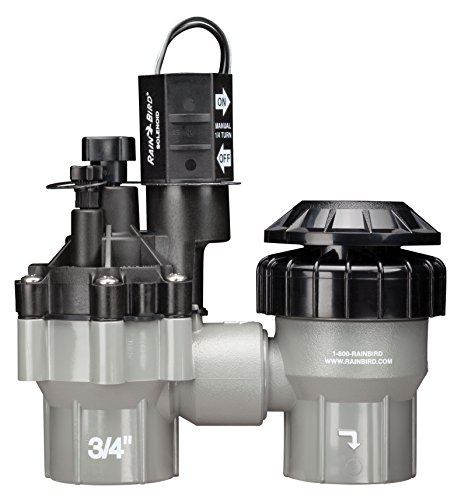
Rain Bird DASASVF075 Professional Anti-Siphon Valve, 3/4″
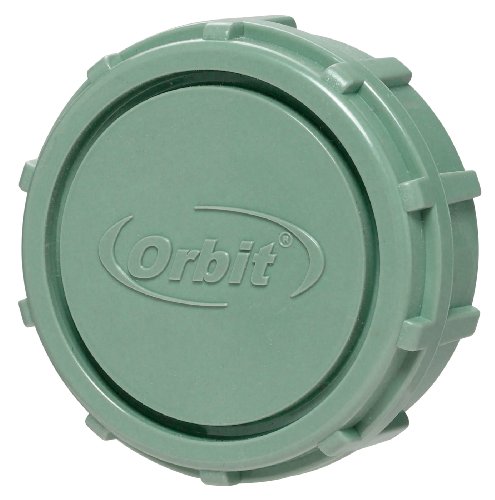
Orbit 57197 Valve Manifold System Manifold Cap
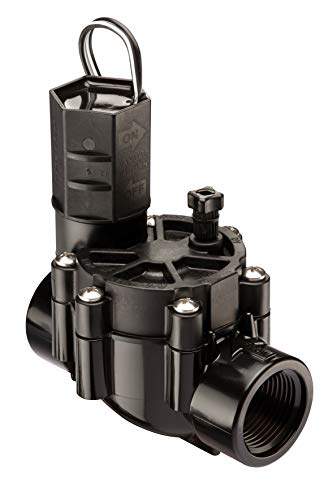
Rain Bird CP100 In Line Valve, 1″
Orbit 57184 Double Union Coupler with Swivel Connection

Rain Bird DASASVF100 Professional Anti-Siphon Valve, 1″

10-Pack Orbit 67030 DripMaster 2-Port Full-Flow Manifold

Orbit 3-Pack 67005 4-Port Drip Irrigation Manifold

Rain Bird PRF100RBY 1″ Pressure Regulating Drip Filter, 40 psi
The Picks, Examined More Closely
This little fitting sits between an existing 1/2″ sprinkler riser and the head above it, turning a spray zone into a hybrid that can run drip tubing and conventional spray at the same time. For homeowners who already have a working sprinkler manifold but want to convert a single bed to drip, that retrofit angle matters more than a fancy new build. The body is built from UV- and chemical-resistant plastic, so a few seasons of sun and fertilizer contact should not crack it.
Threading matches standard 1/2″ female pipe thread risers and 1/2″ male pipe thread outlets, which lines up with the Orbit manifolds later in this list and most residential sprinkler parts. If your manifold is older or non-standard, double-check threading before ordering. Most people can hand-thread this in under five minutes with no new tools.
Useful Strengths
- Lets spray and drip run from the same zone, cutting the need to dig a new line
- UV- and chemical-resistant body holds up to fertilizer overspray and full sun
- Standard 1/2″ FPT and MPT threads fit common residential risers
- Tiny footprint, so it disappears into a valve box or shrub border
Worth Noting
- Only handles a single point of conversion, so a whole-yard retrofit means buying one per head
- No integrated pressure regulation, so a separate regulator like the Rain Bird PRF100RBY is still smart upstream
- Threaded plastic can cross-thread if forced, so hand-tighten first and finish with PTFE tape
Who It Suits Best
Homeowners converting one spray head to drip without rebuilding the whole sprinkler manifold.
A Better Fit Elsewhere
If you need to convert many heads at once, the 10-Pack Orbit 67030 DripMaster 2-Port Full-Flow Manifold spreads cost faster across a whole bed.
Orbit built this manifold around a service-friendly idea. Instead of glued PVC or threaded Schedule 80 risers, the body uses swivel unions that unthread by hand so a valve can be swapped or added without cutting pipe. For drip irrigation users on municipal water, that matters because the manifold is often the first place pressure regulation, a filter, and zone valves all meet.
This 1-port version is the simplest shape: one inlet, one valve position, with expansion room built in if your yard grows. Pair it with a regulator like the Rain Bird PRF100RBY if your supply runs hot, and keep a spare O-ring on hand in case of a slow drip a year or two in.
The Case For It
- Swivel unions let you service or swap a valve without cutting pipe
- Modular design scales to 2-port and 3-port siblings covered elsewhere in this roundup
- Watertight seal reduces the small leaks that haunt glued manifolds
- Works with standard 24V sprinkler timers for timer-based drip watering
Trade Offs
- Single-zone limit, so multi-area gardens need additional ports or separate manifolds
- Swivel O-rings are the usual wear point and should be checked seasonally
- No built-in pressure regulation, so a separate regulator is still required for drip
Made For
Small yards and beginner installers who want a serviceable valve manifold they can grow into over time.
Skip It When
If you already run a multi-zone manifold, the Orbit 57184 Double Union Coupler is a smarter service-only upgrade.
An anti-siphon valve combines a zone valve and a backflow preventer in one body, which simplifies irrigation where a separate backflow device would be awkward. The 3/4″ Rain Bird DASASVF075 installs above grade, at least 6″ above the highest sprinkler or emitter outlet, and runs on any standard sprinkler timer. A flow control handle on top lets you fine-tune output by zone, which is helpful when one bed demands less water than another.
The reverse-flow design inside the diaphragm is a quiet longevity play: it lowers wear on moving parts, so the valve keeps opening and closing reliably season after season. Most homeowners install it once and only revisit it when adding a zone.
Positive Points
- Built-in anti-siphon function removes the need for a separate backflow preventer in many jurisdictions
- Flow control handle trims output per zone without a second part
- Manual bleed screw allows testing without powering the timer
- Reverse-flow diaphragm design extends service life under frequent cycling
Honest Caveats
- Must sit at least 6″ above the highest outlet, which rules out tidy below-grade valve boxes
- 3/4″ size caps total flow, so larger properties may need the 1″ DASASVF100 instead
- Above-grade placement can look industrial next to a tidy foundation planting
Best Suited To
Single-family homes with municipal water and a 3/4″ service line that need backflow protection without extra parts.
Look Elsewhere When
If you want a hidden below-grade installation, the Rain Bird CP100 In Line Valve is purpose-built for valve boxes.
The 57197 is a small part with a clear job: it caps an unused port on an Orbit manifold so you do not waste a valve slot you might need later. Think of it as a placeholder that keeps pressure where it belongs until the next drip zone is ready to install. For homeowners planning a phased buildout, that kind of future-proofing is cheap insurance.
It threads into the same swivel-union body as the active ports on the 57181 and its siblings, so installation follows the same hand-tighten pattern. Keep one or two in a parts bin and your manifold stays tidy through each expansion.
What Earns Its Place
- Seals unused manifold ports without a dummy valve
- Matches the Orbit swivel-union system for a clean, watertight fit
- Lets you stage a phased zone buildout without committing to valves early
- Low-cost part that protects a bigger investment in the manifold body
Room For Improvement
- Only fits Orbit 5700-series manifolds, so it is not a universal plug
- Single-purpose item, so it adds little value to a finished, fully-populated manifold
Right Fit For
Planners who want to leave one or two manifold ports sealed for future drip zones without buying extra valves today.
Swap It Out When
If your manifold is already fully populated and never grows, you can skip the cap and move directly to a regulator like the Rain Bird PRF100RBY.
The CP100 is the workhorse inline valve that drops into a buried valve box and disappears. With 1″ female threaded inlet and outlet, it carries enough flow to feed a multi-zone drip system without choking the supply. Pair it with a separate regulator and filter upstream, and it runs a typical suburban yard without complaint.
It cycles on a 24V solenoid compatible with any standard sprinkler timer, so it slots into existing controllers without rewiring. The manual bleed screw on top is the underrated feature: it lets you run a zone by hand during installation, before the timer is even programmed.
Advantages To Know
- 1″ threaded path supports the flow a multi-zone drip system actually needs
- Below-grade installation keeps valves out of sight and away from curious hands
- Manual bleed screw supports quick testing during setup or repairs
- Reverse-flow diaphragm design keeps cycling reliable across thousands of on/off cycles
Less Ideal Details
- No anti-siphon function, so a backflow device may still be required by local code
- Buried valve boxes need periodic digging to access solenoids or fittings
- Threaded connections want PTFE tape and a careful hand to avoid slow leaks
Perfect Match For
Larger drip systems where the valve manifold lives underground and 1″ mainlines feed multiple zones.
Not Your Match When
Compact patio gardens on a 3/4″ hose bibb do not need this much capacity; the Rain Bird DASASVF075 fits that profile better.
The 57184 is the repair and extension piece for anyone already running an Orbit 5700-series manifold. The double union with swivel connection threads between two manifold sections, so you can add a valve, replace a leaking union, or extend the run without cutting the whole assembly apart. For long-term owners of Orbit hardware, this is the part that keeps the original investment earning its keep.
Compared with the 57197 cap from earlier in this list, the coupler is an active part that does real plumbing work, not a placeholder. If you have hit a slow drip at a union or want to add a third valve down the line, this is the smallest meaningful fix.
Benefits That Matter
- Adds or replaces a valve without disassembling the entire manifold
- Swivel connection reuses the same hand-tighten service pattern as the rest of the system
- Watertight seal at the union reduces the small drips that erode fittings over time
- Cost-effective way to grow an existing manifold rather than rebuilding it
Small Limitations
- Only fits Orbit 5700-series manifolds, so it does not help with mixed-brand builds
- Swivel O-rings still need a seasonal peek, especially after winter
Who Should Grab It
Existing Orbit manifold owners extending a system or fixing a worn union without buying a fresh manifold body.
Reach For A Different Pick When
You are building a fresh manifold from scratch; the Orbit 57181 1-Port system is the cleaner starting point.
The 1″ sibling of the DASASVF075, this valve delivers the same anti-siphon and flow-control behavior at a higher flow capacity. Properties with 1″ service lines or larger drip manifolds benefit from the bigger throat without stepping up to a more expensive industrial valve. It installs above grade, at least 6″ above the highest outlet, so plan placement before pouring a slab or building a planter nearby.
Like its smaller brother, it pairs with any standard sprinkler timer and cycles on a low-power encapsulated solenoid that does not stress transformer loads when several valves run together. A manual bleed screw tops it off for testing without energizing the timer.
The Upside
- 1″ flow path supports larger drip manifolds and longer tubing runs
- Anti-siphon body removes the need for a separate backflow preventer in many homes
- Flow control handle lets you trim output per zone
- Reverse-flow diaphragm design supports long service life under frequent cycling
Practical Considerations
- Above-grade placement is required, which can clash with strict landscape aesthetics
- Oversized for small patio gardens where a 3/4″ valve already does the job
- Requires careful inlet height to stay above the critical 6″ backflow line
Built With In Mind
Properties on 1″ service lines or anyone running a large drip manifold from a single above-grade valve.
Where Another Pick Suits Better
For buried installations, the Rain Bird CP100 In Line Valve fits a valve box more discreetly.
This bulk pack of Orbit DripMaster 2-port manifolds is the cost-effective answer for whole-yard conversions. Each unit screws onto a 1/2″ male pipe thread riser and splits water into two 1/4″ drip lines, so a single replacement spray head can feed a small bed or a pair of containers. Buying ten at once drops the per-zone price dramatically versus singles.
The manifolds target small to medium coverage areas and work well as direct replacements for spray heads in beds and borders. If your goal is to retire spray heads across a property in one weekend, this is the box to grab.
Features That Help
- Ten manifolds per pack drop the cost per converted head significantly
- 2-port design supports paired plantings or two containers from one riser
- Full-flow body reduces pressure loss compared with restrictive manifolds
- Standard 1/2″ MPT base fits common residential risers
Possible Compromises
- Bulk pack is wasteful if you only need a couple of manifolds
- Two ports can feel limiting on larger shrubs that want three or four emitters
- Plastic threads should be wrapped in PTFE tape to avoid slow seep leaks
Whose Shelf It Belongs On
Whole-property converters swapping spray heads for drip manifolds in a single weekend project.
Consider Something Else When
If you want four lines per head for a denser planting, the Orbit 3-Pack 67005 4-Port manifold covers more emitters per riser.
The Orbit 67005 is the 4-port cousin of the 67030, and the extra outlets change how you plant around each riser. Four 1/4″ drip lines support a small shrub cluster, a vegetable grouping, or a foundation planting from a single point. The 360-degree rotating barbs are the thoughtful detail: they pivot to accept tubing coming from any direction without kinking the line.
Versatile configurations include a version designed for mixed spray and drip use, and a flow-control variant for non-pressure-compensating emitters. For most homeowners, the standard rotating-barb version here handles beds and containers without extra parts.
What Makes Sense
- Four ports cover denser plantings from a single riser
- Rotating barbs accept tubing from any angle without stress at the barb
- 3-pack fits small conversions without the leftover cost of larger bulk packs
- Standard 1/2″ MPT base matches common residential risers
Where It May Fall Short
- Four lines per head can over-water small spots unless emitters are balanced
- Flow-control variant is a separate model for non-pressure-compensating emitters
- Rotating barbs add a small leak risk if O-rings wear and go unchecked
The Right Fit
Garden beds and containers with several plants clustered around a single riser where 1/4″ tubing fans out in different directions.
Not Your Match When
You only need two outlets per head for a simple pairing; the bulk 10-Pack Orbit 67030 saves money in that case.
This is the heart of most home drip systems. The PRF100RBY combines a 200-mesh filter with an integrated pressure regulator set to a nominal 30 or 40 psi, all in one compact body. Two jobs, one fitting, fewer leak points. For anyone running a drip layout off a hose bibb or an irrigation main that runs hot, this single unit does what a regulator plus a separate filter would do, with less plumbing.
The filter cap unthreads to expose the screen for cleaning, and a sealing O-ring keeps the cap watertight between services. Owners commonly rinse the screen a few times per season to keep flow steady, depending on source-water sediment.
Reasons It Performs
- Combines pressure regulation and filtration in one compact body
- 30 or 40 psi regulated output covers most residential drip emitters and tubing
- 200-mesh screen protects downstream emitters from sediment clogging
- Twist-off filter cap simplifies routine cleaning
Things To Consider
- 1″ inlet size suits mainline installations more than hose-bibb retrofits without an adapter
- Filter screen needs periodic rinsing in areas with hard or sandy water
- Cap O-ring can wear over years, so a spare on hand avoids a slow drip
Feature Snapshot
Whose Garden It Belongs In
Whole-system installs where a single fitting can handle both pressure control and sediment protection for the whole drip layout.
A Better Fit Elsewhere
Hose-bibb drip kits that need a smaller screw-on regulator may want a different model designed for that thread size.
Picking The Right Pressure Regulator For Your Drip System
Match Regulator Pressure To Tubing And Emitters
Most residential drip tubing and pressure-compensating emitters are designed for roughly 20 to 40 psi at the outlet. Mismatched pressure is the most common reason a new system runs poorly: too high and emitters pop, too low and far plants starve. Look at the packaging or spec sheet for your emitters and tubing before choosing a regulator setting. The Rain Bird PRF100RBY reviewed above offers both 30 and 40 psi outlet options in one body, which simplifies that matching step.
Decide Where The Regulator Lives In The System
A regulator can sit at the hose bibb, after the valve manifold, or right at a drip manifold. Placement changes how many zones benefit. A single PRF100RBY at the main protects every downstream zone, while a regulator at each manifold only treats that one riser. For whole-yard conversions, the mainline position usually wins on cost and simplicity.
Factor In Filtration, Flow, And Threading
Sediment is the silent killer of drip systems. Pairing a regulator with a filter, or choosing an integrated unit like the PRF100RBY, protects emitters from clogging. Also confirm the inlet and outlet thread sizes match your existing plumbing: 3/4″ hose bibbs need different fittings than 1″ mainlines. Anti-siphon valves like the DASASVF075 and DASASVF100 add backflow prevention at the same time, which some local codes require.
Key Considerations Across These Picks
Common Shopping Slip Ups
The most common mistake is treating a pressure regulator as optional. Drip tubing and emitters are designed for a narrow pressure window, and household supply pressure usually runs well above it. Another trap is buying a regulator without a filter; clean screens keep emitters alive, especially on well or reclaimed water. Finally, do not ignore local code on backflow prevention; many jurisdictions require an anti-siphon valve or a separate backflow device for any system connected to a potable supply.
What The Higher Tier Buys
Premium pressure-regulating units, like the Rain Bird PRF100RBY, combine filtration and regulation in one body, reducing fittings and potential leak points. Higher-end anti-siphon valves add manual bleed screws, flow control, and reverse-flow diaphragm designs that extend service life under frequent cycling. For a single small bed, a basic regulator handles the job, but for multi-zone installs that run daily through summer, the upgrade pays back in fewer clogs and longer service intervals.
