

Feeding wild birds turns a plain yard into a living window, and the right seed mix makes the difference between a quiet feeder and a steady parade of cardinals, jays, and finches. Shoppers today juggle real concerns: hull mess on the patio, picky eaters that flick unwanted grain to the ground, and mixes heavy on cheap filler. The ten picks below cover the most common backyard situations, from clean sunflower hearts for tidy balconies to regional blends tuned to local songbirds.
Your Options, Compared

TRAILMARK NATURALS Raw Shelled Peanuts for Wildlife (20 lb)

CountryMax Backyard Seeds Peanuts in Shell (50 lb)

Kaytee Western Regional Wild Bird Seed, 7 lb (Pack of 2)

Cole’s SM20 Sunflower Meats Bird Seed (20 lb)

Cole’s BR20 Blue Ribbon Blend Bird Seed (20 lb)

Valley Farms Whole Sunflower Hearts for Birds (4 lb)

Nature Anywhere Bird Banquet Wild Bird Food (5 lb)

Nature Anywhere No Mess Wild Bird Seed (5 lb)

Nature Anywhere Very Berry Wild Bird Seed (5 lb)
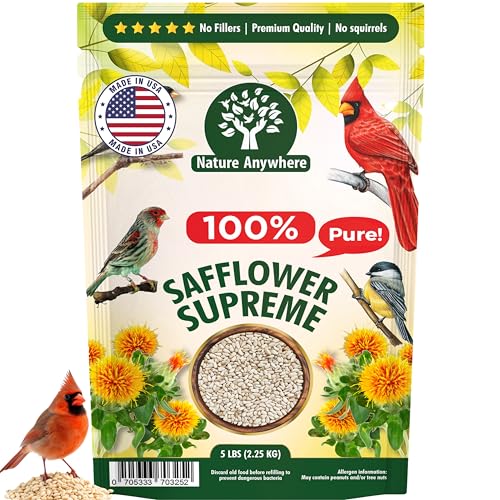
Nature Anywhere Safflower Bird Seed for Cardinals (5 lb)
More On The Choices That Made The List
Shelled peanuts flip the usual feeding script. With no shell to crack, blue jays, woodpeckers, and curious squirrels can grab a calorie-dense bite and move on, which keeps your feeder turning over quickly through a busy morning. The 20-pound format suits a household that shares space with energetic squirrels as much as songbirds, especially in regions where whole peanuts sit untouched in a tray.
Compared with the CountryMax in-shell option that follows, this one trades the foraging enrichment of cracking for sheer convenience. Where pest species dominate a yard, shelled peanuts can occasionally attract unwanted rodents, so placement on a pole feeder away from low cover tends to work best. Storage in a sealed bin helps the natural oils stay fresh between refills.
Everyday Wins
- Raw, unsalted kernels grown and packed in the USA, with no chemical treatments or artificial additives listed.
- Already shelled, so birds and squirrels can eat them in one stop without leaving a pile of cracked hulls.
- Strong protein and fat content suits cold-weather feeding when natural insects thin out.
- Works in platform, tray, and many tube feeders without the dust that lower-grade bagged feed sometimes produces.
Things To Consider
- Shelled nuts spoil faster in wet weather, so covered feeders or sheltered placement help prevent mold.
- Squirrels dominate this feed, which may push smaller songbirds aside at a single shared tray.
Feature Snapshot
Who Should Grab It
Backyards where squirrels and bold jays outnumber tiny finches, and a household that wants one bag to cover most of the season.
Look Elsewhere When
Cole’s BR20 Blue Ribbon Blend is the better match when you want a wider cast of songbirds instead of peanut-heavy traffic.
Whole peanuts in their shells invite a different kind of feeding. Jays, crows, squirrels, and even deer spend real time on each one, cracking and caching, which turns a quiet patch of ground into a small wildlife theater. The 50-pound format suits farms, rural properties, and anyone running a long row of platform feeders across a large property.
Where the TRAILMARK bag focuses on shelled convenience, this one leans into the natural foraging behavior that many wildlife watchers enjoy watching. The shells do accumulate, so scattering on open ground or in a low tray typically cleans up easier than a hanging tube. Storage goes smoother with a metal bin, since the high oil content can turn rancid in warm garages over many weeks.
Where It Excels
- Whole raw peanuts in shell, naturally grown in the USA without additives.
- 50 lb bulk format keeps a high-traffic setup fed through most of the season.
- Encourages natural cracking and caching, which adds movement and drama at the feeder.
- Pulls in larger visitors like blue jays, crows, and woodpeckers that smaller mixes can miss.
Worth Noting
- Shells build up fast on the ground and need raking or sweeping under busy feeders.
- Heavy bag takes a garage or shed to store dry and pest-free between pours.
Made For
Rural lots, hobby farms, and dedicated wildlife watchers who don’t mind a little cleanup in exchange for lively feeder activity.
Skip It When
Valley Farms Whole Sunflower Hearts for Birds is the cleaner alternative for a tidy patio where shell litter is a deal-breaker.
Regional mixes earn their keep by matching what local birds actually prefer. The Kaytee Western Regional blend leans on seed preferences and visual cues typical of songbirds found in the western United States, so the kernels on offer look and taste like what those species are already searching for. Backyard feeders in mountain, desert, and Pacific states tend to see quicker turnover when a mix fits the local palate.
The 7-pound twin pack is a comfortable middle ground between a small starter bag and a full storage bin. Where Cole’s BR20 chases broad nationwide variety, this one narrows the species list for a tighter match in western yards. Expect a fair share of hulls under tube feeders, so a tray catcher below saves sweeping.
Benefits That Matter
- Blend shaped around seed preferences of western songbirds, not a generic nationwide mix.
- Two 7 lb bags in one order, which spreads the weight and keeps a backup sealed.
- Designed to pull in more birds than basic black oil sunflower alone.
- Suits both hopper and tube feeders without reformulating.
Trade Offs
- Some seed types get flicked aside by picky eaters, so a ground tray catches the rejected bits.
- Less useful outside the western region, where a different regional mix would outperform it.
Right Fit For
Western US households from the Rockies to the Pacific coast who want a blend tuned to their local cast of songbirds.
Consider Something Else When
Kaytee loses ground to Cole’s BR20 Blue Ribbon Blend in the Southeast or Midwest, where broader perch and ground feeding is the goal.
Sunflower meats are the shelled hearts of black oil sunflower seeds, the inner kernel with the hull removed. Cole’s SM20 leans entirely on that single ingredient, which means every gram goes toward feeding birds instead of decorating the patio with discarded shells. Balcony and condo feeders in particular benefit, since there’s nothing left to sweep into a planter.
Where the TRAILMARK peanuts pull bold jays and squirrels, this feed goes the other direction, targeting songbirds that prize soft kernels over whole seeds. The pure-kernel approach also means more food per pound by weight, since you are not paying to ship shells. Refills happen less often in busy periods, though you’ll still want a sealed container to keep the natural oils from going stale.
What Stands Out
- Pure sunflower kernels with virtually no shell debris left under the feeder.
- Designed for small patios, balconies, and any spot where hull mess is a deal-breaker.
- No synthetic additives, chemicals, or artificial flavors in the ingredient deck.
- Compatible with Cole’s Terrific Tube, Mighty Mesh, and Bountiful Bowl feeders.
Points To Keep In Mind
- Higher fat content means the kernels can spoil in wet weather, so a covered feeder helps.
- Less attractive to squirrels, which can be a downside for households actively feeding them.
Quick Facts
Whose Shelf It Belongs On
Apartment dwellers, condo owners, and anyone feeding from a deck where hull cleanup would be a constant chore.
Reach For A Different Pick When
CountryMax in-shell peanuts make more sense on a rural lot where the goal is to draw squirrels, deer, and cracking birds.
Some feeders want one bag that handles nearly every common songbird, and Blue Ribbon Blend fits that brief. The mix pairs sunflower for perch feeders with white millet and cracked grain aimed at ground feeders, so the same open tray or hopper pulls in cardinals, juncos, grosbeaks, and towhees throughout the day. It’s the kind of cast-list seed that keeps a new birder entertained without juggling several open bags.
Compared with the no-mess sunflower hearts from Valley Farms, this is a higher-traffic, higher-cleanup option that rewards a yard with space to spread out. Cole’s avoids added synthetics or artificial flavors, which lines up with how most casual feeders expect their blends to be built. Expect regular hull sweeping and a watchful eye for wet weather, since cracked grain can clump on a rainy day.
Useful Strengths
- Targets both perch and ground feeding, which broadens the species list at a single station.
- No added synthetics, chemicals, or artificial flavors in the mix.
- Works across tube, mesh, and bowl feeder formats.
- Strong fit for households that prefer one bag over multiple specialty options.
Room For Improvement
- Birds pick through and discard filler grains, so a tray catcher below saves sweeping.
- Cracked components can clump in damp weather without a covered feeder.
Best Suited To
Suburban yards that want a single reliable mix to draw a varied flock through spring, summer, and fall.
Where Another Pick Suits Better
Kaytee Western Regional Wild Bird Seed pulls ahead in western backyards where regional species dominate the feeder.
Sunflower hearts, sometimes called girasol kernels, are sunflower seeds with the hull already removed. Valley Farms positions this bag as a vacuum-cleaned product, which keeps the dust and broken fragments that some heart blends leave behind out of your feeder tray. The 4-pound size is friendly to first-time buyers who want to test the format without committing to a 20-pound sack.
Unlike Cole’s SM20, which uses the same general idea in a much larger pack, Valley Farms targets the smaller household that values whole, intact kernels. Where the Kaytee regional blend lets birds flick unwanted grain aside, hearts leave nothing to discard, so the area under the feeder stays clean. The trade-off is cost per pound, which runs higher for the cleaning and packaging involved.
Where It Helps
- Whole, intact sunflower hearts rather than dusty or broken pieces.
- No shells means a noticeably tidier patio, deck, or balcony.
- Strong appeal for finches, cardinals, and other small songbirds.
- Vacuum-cleaned process reduces feeder-clogging dust at the bottom of the bag.
Honest Caveats
- Smaller 4 lb bag means more frequent reordering than a 20 lb option.
- Higher price per pound is the trade for cleanliness and whole kernels.
Feature Rundown
Perfect Match For
Small households and tidy patios where the priority is keeping the area under the feeder clean and presentable.
A Better Fit Elsewhere
Cole’s BR20 Blue Ribbon Blend suits yards that want a broader species mix, even with more cleanup involved.
The Bird Banquet blend is built around the idea that most households just want a dependable mix that the local songbirds will actually eat. By skipping common filler grains and leaning on domestically grown ingredients, the blend aims to be finished to the bottom of the feeder rather than picked through and discarded. That’s a meaningful shift for anyone tired of raking wasted seed off the patio each weekend.
Where the Nature Anywhere Very Berry option leans into fruit, this blend stays closer to a traditional mix without the colorful extras. It also pairs naturally with a hopper or tube feeder, so most existing setups won’t need an upgrade. Compared with Cole’s BR20, the focus on no fillers is the most distinctive difference, especially for households tracking waste and refill frequency.
Points In Its Favor
- No filler grains, so birds eat closer to the full serving each refill.
- Made in the USA with domestically sourced ingredients.
- Suits common backyard setups, from a single hanging tube to a platform tray.
- Smaller 5 lb bag is approachable for new feeders testing the brand.
Small Caveats
- Less species-specific than the Kaytee regional blends.
- Smaller bag means more frequent reordering than 20 lb options.
Built With In Mind
Common suburban yards with a single hanging feeder where the goal is a reliable daily visit from local songbirds.
Not Your Match When
Kaytee Western Regional Wild Bird Seed pulls ahead in western yards that want region-specific species tuning.
No-mess blends strip out every seed that comes with a shell. This one keeps only shelled sunflower hearts, kernel peanuts, and hulled millet, which means birds eat nearly every kernel and leave nothing to rake up underneath. The triple-ingredient approach is a useful middle ground for shoppers who want broader appeal than straight hearts but still need a tidy ground line.
Compared with the Very Berry blend further down the list, this one trades fruit pieces for a simpler, nut-and-grain profile that finches and cardinals respond to strongly. The 5-pound bag fits a typical feeder cadence for one or two stations, and the no-milo, no-wheat claim addresses one of the most common filler frustrations in cheaper mixes. You may still find a few hull fragments, but they will be few.
Noteworthy Benefits
- Three ingredients only, with no shells or peels left behind.
- No milo, wheat, or cheap filler grains that birds tend to ignore.
- Attracts finches, cardinals, chickadees, robins, and blue jays.
- Works in hanging, tube, tray, and platform feeders without changes.
Potential Drawbacks
- Higher fat content means covering the feeder during long rain spells.
- Doesn’t pull in fruit-loving species the way the Very Berry blend does.
Who Will Love This
Shoppers who want the cleanest possible ground line below their feeders without giving up species variety.
Swap It Out When
Nature Anywhere Very Berry Wild Bird Seed is the better fit when fruit-eating species like robins and orioles are the priority.
Fruit and nut blends add visual interest at the feeder that standard mixes don’t always deliver. The Very Berry blend layers sunflower kernels, peanuts, safflower, and assorted dried fruits into one bag, which appeals to birds that prefer softer textures and brighter colors. Cardinals, robins, blue jays, and chickadees tend to find this combination particularly rewarding, especially through migration windows.
Where the No Mess blend keeps things simple, this one brings variety to the table and welcomes fruit-loving species into the mix. The fruit pieces can clump in humid weather, so a covered platform feeder or a sheltered tray makes the bag last longer. Compared with TRAILMARK’s protein-forward peanuts, this is a friendlier choice for households that watch the feeder as much as they fill it.
The Practical Payoff
- Layered mix of sunflower kernels, peanuts, safflower, and dried fruits and berries.
- Designed to attract cardinals, blue jays, robins, chickadees, and finches.
- No milo, wheat, or cheap filler grains in the formulation.
- Compatible with hanging, tube, tray, and platform feeders.
Less Ideal Details
- Fruit pieces can clump in humid or rainy conditions without covered storage.
- Smaller 5 lb bag may run out fast during migration peaks.
The Right Fit
Households that enjoy identifying a wide cast of visitors and want fruit-loving species to feel at home.
Another Choice May Suit
Nature Anywhere No Mess Wild Bird Seed is the better pick when spotless ground below the feeder matters more than fruit content.
Safflower seed has a mild, slightly bitter flavor that many songbirds like but squirrels and some larger bully birds tend to leave alone. That makes it a useful alternative for households whose feeders get overrun by grackles, starlings, or persistent squirrels. The 100% pure formulation also means no filler grains to sweep up at the end of the week, which keeps maintenance low.
Compared with the variety-led Very Berry blend, this is a more focused, single-ingredient option that does one job well. Cardinals in particular take to safflower quickly once they discover it, though finches can take longer to convert. The 5-pound bag suits a single dedicated feeder, and you’ll want a covered station in wet weather, since the soft shells break down faster than sunflower hulls.
Reasons It Performs
- 100% pure safflower, with no dust, twigs, or mixed grains.
- Made in the USA with domestically grown ingredients.
- Cardinals, chickadees, and titmice readily switch to safflower once they discover it.
- Many squirrels and bully birds leave safflower alone, which protects smaller visitors.
Practical Considerations
- Finches can take longer to convert from sunflower-based mixes.
- Soft shells break down in wet weather, so covered feeders matter more here.
Key Attributes
Who Should Grab It
Households dealing with persistent squirrels or bully birds who want cardinals and chickadees at a calm, shared feeder.
Where A Sibling Pick Shines
Nature Anywhere Very Berry Wild Bird Seed wins when a more colorful, varied cast matters more than squirrel deterrence.
Choosing The Right Bird Seed For Your Yard
Bird seed choice comes down to three core questions. How much cleanup are you willing to do under the feeder. Which species do you most want to attract. And how much space do you have for storage, since some bags are easier to keep fresh than others. Most backyard feeders benefit from a mix of sunflower hearts for clean eating and a varied blend for species diversity, but a single specialty bag can outperform either on its own terms.
Match The Feed To Your Local Species
Different regions favor different birds, and your feeder mix should follow. Sunflower hearts attract finches, cardinals, and titmice across most of North America, while regional blends like Kaytee’s western mix tune seed choice to local preferences. Safflower works especially well in yards where squirrels and bully birds dominate, since many of those visitors leave safflower alone.
Decide How Much Mess You Can Live With
Shell litter is the single biggest maintenance issue for casual feeders. Hulled seeds, hearts, and no-mess blends keep the patio cleaner but cost more per pound and spoil faster in rain. Whole seeds and traditional mixes offer more variety and longer shelf life, but expect to sweep under the feeder weekly. Covered feeders help either approach last longer through wet weather.
Pick A Size That Matches Your Refill Rhythm
Larger 20-pound bags lower the per-pound cost and cut down on reorders, but the natural oils in sunflower and safflower can turn stale in warm garages over many weeks. Smaller 5-pound bags stay fresh through a single season and suit households testing a new blend, though the per-pound cost runs higher. Sealed metal bins extend the life of either option.
Key Considerations Across These Picks
Mistakes Worth Dodging
The most common error is choosing a bargain mix heavy on milo, wheat, and cracked grain. Birds pick through those fillers and leave a pile on the ground, which attracts rodents and weeds. Another slip-up is ignoring storage. Open bags in a warm garage go rancid fast, so a sealed container protects the natural oils. Finally, skipping a covered feeder in rainy climates leads to clumping, mold, and a short bag life.
What The Higher Tier Buys
Premium blends earn their higher cost through cleaner ingredients, whole rather than broken kernels, and the absence of filler grains that birds ignore. You’re paying for what gets eaten, not for packaging or freight on shells. A higher-tier pick like vacuum-cleaned sunflower hearts or a pure safflower bag often stretches further per pound because nothing ends up on the ground.
Frequently Asked Questions
Which bird seed attracts the widest variety?
Mixed blends with sunflower, millet, and cracked grain pull in both perch and ground feeding species across most of North America. Single-ingredient feeds like pure safflower narrow the species list but solve specific problems.
Are no-mess blends worth the higher price?
For tidy patios, balconies, and condo feeders, the answer is usually yes. Hull-free hearts and kernels eliminate raking and keep the area under the feeder presentable, which matters more than the per-pound cost difference.
What keeps squirrels away from a feeder?
Safflower seed is one of the most reliable natural deterrents, since many squirrels avoid its bitter taste. Pole-mounted feeders with baffles and a generous distance from climbing surfaces add further protection.
How long does an open bag stay fresh?
In a cool, dry garage, most bags stay fresh for several weeks. In warm or humid storage, natural oils turn stale faster and the seed can develop mold. Sealed bins extend usable life by months in moderate conditions.
Do I need a covered feeder?
A roof or weather guard helps in any region with regular rain, since wet seed clumps and spoils quickly. Covered designs also keep the food visible to birds while protecting it from above, which extends the life of every bag on this list.
Bottom Line
A reliable backyard feeder starts with the right bag, not the most expensive one. For clean eating on a patio, sunflower hearts and no-mess blends do the job. For sheer variety, traditional mixes and regional formulas pull in the broadest cast. Pick based on the species you want to see, the cleanup you can handle, and the storage space you have on hand, and you’ll spend less time reordering and more time watching the feeder.
