

If you’ve ever priced out a backyard overhaul and felt the sticker shock hit twice, you’re not alone. Between rolls of synthetic turf, anchoring pins, marking dyes, and edging stakes, the bill climbs fast, and the gap between “starter roll” and “professional-grade install” is wider than most shoppers expect. This shortlist breaks down ten products that actually move the needle on cost, durability, or finish quality, so you can spend where it counts and skip the rest.
How The Shortlist Stacks Up

FEED GARDEN 6 Inch Galvanized Landscape Staples 200 Pack

LFL Artificial Grass Turf 3×5 Feet
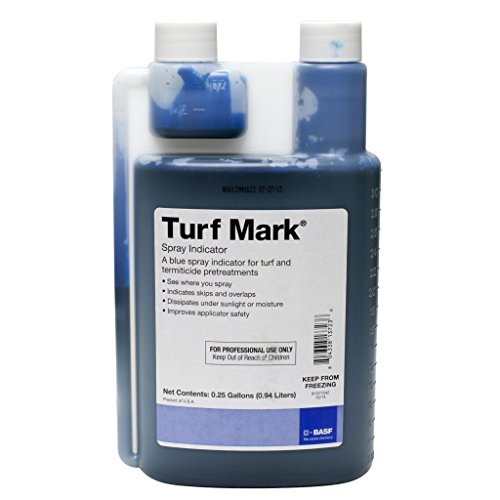
BASF Turf Mark Blue Spray Pattern Indicator Dye 32 oz

CooRug Professional Artificial Turf Grass Outdoor 3×5 Ft
TEANTECH 24 Pack Plastic Landscape Edging Stakes 9.8 Inch

Bakulyor 50pcs Green Turf Stakes with Buffer Washers
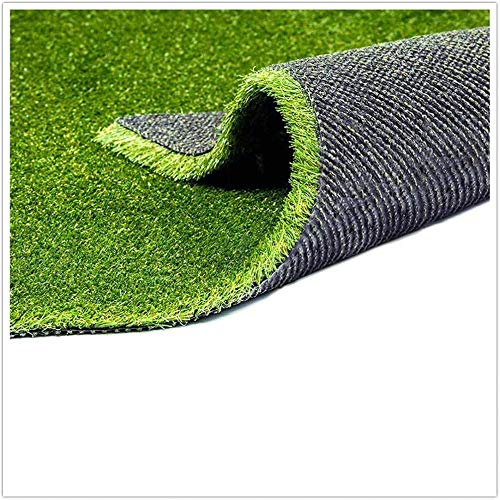
Fas Home Artificial Grass Turf 7×15 ft Synthetic Rug

EISENSP 6.3-Inch Galvanized Spiral Turf Spikes 150 Pack

Fas Home Artificial Grass Turf 15×20 Feet
Fas Home Artificial Grass Turf 6.5×10 ft Synthetic Rug
Meet The Standout Selections
Anchoring turf and weed barrier fabric is unglamorous work, but skipping it costs you re-dos after the first hard rain. The FEED GARDEN 6 Inch Galvanized Landscape Staples 200 Pack leans into that reality with a generous headcount and a serious 6-inch leg that bites into packed clay and loose topsoil alike.
For anyone rolling out a full sheet of synthetic turf or pinning down a long run of landscape fabric, the count matters. Two hundred pins covers roughly 1,500 to 2,000 square feet of fabric at standard spacing, so most DIYers won’t run short mid-project.
What Stands Out
- The 11-gauge steel is heavier than the thin wire pins sold at big-box stores, so it resists bending when driven into compacted ground.
- Six inches of leg length gives the pin real pull-out resistance, which matters once a dog or foot traffic starts tugging at the turf edge.
- Galvanized coating fights rust through several seasons of wet-dry cycles, so the pins can be pulled and reused on a future bed or border.
- Bulk count keeps the per-staple cost low enough that you won’t ration pins around trouble spots.
Practical Considerations
- You’ll want a rubber mallet rather than a steel hammer; the latter tends to mushroom the top on harder hits.
- In rocky soil you may burn through a few pins that hit stone before seating fully.
Who Should Grab It
Homeowners laying a full sheet of synthetic turf or installing long runs of weed barrier where standard 4-inch pins keep popping loose.
A Better Fit Elsewhere
For thinner decorative borders where the 6-inch leg is overkill, the TEANTECH 24 Pack Plastic Landscape Edging Stakes 9.8 Inch offers a lighter touch.
A short-pile mat looks tidy but tends to lie flat, and a dog sees right through the illusion. The LFL Artificial Grass Turf 3×5 Feet pushes a 1.38-inch pile that flops like real turf and stands up to paw traffic without matting down after a wash.
The 3×5 footprint is the sweet spot for renters and balcony gardeners who want the look without committing to a full roll. Drainage holes punched through the backing keep puddles from forming after a rinse-down, which matters more than most people realize in tight outdoor corners.
Strengths Worth Knowing
- The taller pile hides the backing and gives the surface a believable lawn texture rather than a doormat feel.
- Drainage perforations move rinse water off the surface quickly, so it dries within an hour in mild sun.
- Cut-to-size friendly: a utility blade scores the backing cleanly, so you can trim it around railings or planters.
Points To Keep In Mind
- The taller pile holds pet odor longer than short-pile mats; a monthly enzyme rinse is worth budgeting for.
- No UV-fade claim is listed, so balcony installs in full afternoon sun may show wear sooner than shaded patios.
Built With In Mind
Pet owners outfitting a small potty patch or balcony dwellers building a cozy green corner without permanent installation.
Look Elsewhere When
Anyone covering a full backyard will find the CooRug Professional Artificial Turf Grass Outdoor 3×5 Ft a better size match for layered coverage.
Most homeowners don’t realize they’re double-spraying their lawn until the bill comes back from the lawn service. The BASF Turf Mark Blue Spray Pattern Indicator Dye solves that invisible problem by tinting the mix so every pass leaves a temporary blue trail.
Tank-mixed with fertilizer or herbicide, the dye shows exactly where the spray has landed. That single visual cue tends to cut product use by 15 to 25 percent on over-spraying tendencies, depending on the lawn shape.
Bright Spots
- Bright blue contrast reads clearly on both lush green turf and dormant brown grass.
- The tint fades within a day or two of sunlight, so it won’t leave any lasting color shift on the lawn.
- Mixes cleanly with most water-based pesticide and fertilizer tanks without foaming.
Honest Caveats
- The 32 oz bottle treats a fair number of applications, but you’ll want a small measuring cup on hand; eyeballed dosing under-tints the spray.
- On windy days the blue mist can drift onto nearby concrete, so sweeping nearby walks before you start saves cleanup time.
Made For
DIYers applying their own fertilizer or weed control who want visual confirmation that every square foot got covered exactly once.
Skip It When
You hire a full-service crew for every treatment and won’t see the sprayer yourself, since the dye primarily helps the person holding the wand.
First-time turf shoppers usually want one thing: a roll that looks decent the moment it lands. The CooRug Professional Artificial Turf Grass Outdoor 3×5 Ft delivers a four-tone blade pattern that reads as natural at a glance, even before any infill goes down.
The 3×5 size is forgiving to work with, easy to flip, and small enough that a single person can position it without calling a friend. The non-toxic, lead-free construction makes it a sensible choice for households where kids crawl across the lawn during summer afternoons.
The Upside
- Four-tone blade coloring breaks up the uniform green look that gives cheap turf away.
- UV-resistant fibers hold their color through multiple summers in most climates.
- Maintenance drops to occasional rinsing, with no mowing, watering, or fertilizing in the picture.
Things To Consider
- The pile height isn’t stated in the listing, so shoppers comparing to taller mats should measure before ordering.
- At 3×5 it covers a small patch only; full-yard installs will need multiple units seamed together.
The Right Fit
First-time turf shoppers testing the look in a backyard corner before committing to a larger order.
Where A Sibling Pick Shines
The LFL Artificial Grass Turf 3×5 Feet is the stronger call for households with dogs, since its taller pile and drainage holes handle rinses better.
Plastic edging looks crisp on day one and heartbreaking by month six if the anchors let go. The TEANTECH 24 Pack Plastic Landscape Edging Stakes 9.8 Inch targets that exact failure point with a longer-than-standard leg and textured grip features.
The 9.8-inch reach goes deep enough to clear the loose topsoil layer and seat into firmer ground beneath, which is where edging typically loses its battle against frost heave and foot traffic.
Real Benefits
- The 9.8-inch length holds firmer than shorter 6-inch plastic pins in soft or sandy beds.
- UV-resistant material survives multiple seasons of direct sun without snapping.
- The textured body grips the edging channel rather than slipping out sideways.
Potential Drawbacks
- Plastic spikes can shear off if driven into gravel or hit a buried stone, so a pilot hole helps in rocky beds.
- Twenty-four stakes cover a moderate border only; longer runs will need a second pack.
Best Suited To
Homeowners installing flexible plastic edging around flower beds where shorter stakes have previously pulled loose.
Swap It Out When
You’re anchoring heavier steel edging or synthetic turf, where the FEED GARDEN 6 Inch Galvanized Landscape Staples 200 Pack offers the strength plastic can’t match.
Silver pins on green turf show up like exclamation points. The Bakulyor 50pcs Green Turf Stakes with Buffer Washers hides in plain sight with a green baked-on finish that fades into the lawn rather than shouting from it.
The bundled buffer washers solve a frustration most turf installers know well: the staple head slowly sinks into the foam backing under foot traffic. A washer spreads the load and keeps the head visible, so you can always find it for future adjustments.
Standout Benefits
- The green coating blends with turf in a way that silver galvanized pins never do.
- Buffer washers prevent the staple head from sinking into foam-backed turf over time.
- Eleven-gauge steel core matches the strength of plain galvanized pins.
Some Limits To Know
- The painted finish can chip at the head if struck with a steel hammer, so use a rubber mallet.
- Fifty pins suit a smaller patch or two; large turf installs will need a higher-count option.
Whose Shelf It Belongs On
Design-focused landscapers who want anchors that disappear into a finished synthetic lawn rather than drawing the eye.
Reach For A Different Pick When
You’re pinning a long commercial-grade run where the 150-pack EISENSP 6.3-Inch Galvanized Spiral Turf Spikes delivers better value per pin.
Once a lawn project crosses 50 square feet, seams become the headache. The Fas Home Artificial Grass Turf 7×15 ft Synthetic Rug gives you a single, unbroken 105-square-foot sheet that lays flat and looks continuous without tape or glue.
The 0.8-inch pile height reads as a well-kept lawn rather than a putting green, which suits backyards aiming for a natural look. Polypropylene fibers and a PE surface layer handle weather without the crunchy feel cheaper mats develop after a season outside.
Real-World Strengths
- A single 7×15 sheet covers a meaningful backyard zone without seams or joins.
- Drainage holes punched through the backing shed rainwater instead of pooling.
- The 0.8-inch pile looks like a maintained lawn at conversational distance.
Things To Weigh
- Seven by fifteen feet is heavy; plan to have a second person on hand for positioning.
- Lighter traffic only on this pile height, so a kids’ play structure may flatten sections over time.
Who Will Love This
Homeowners converting a mid-size patio or side yard into a low-maintenance green zone without seaming multiple rolls.
Consider Something Else When
You’re covering more than 200 square feet, since the Fas Home Artificial Grass Turf 15×20 Feet handles larger footprints more economically.
Straight pins come out the day after a hard frost. The EISENSP 6.3-Inch Galvanized Spiral Turf Spikes 150 Pack uses a corkscrew shaft that locks into soil the way a wood screw locks into lumber, which is a meaningful upgrade for slopes and high-traffic edges.
The 6.3-inch leg lands between the FEED GARDEN 6-inch staple and a 9-inch monster pin, hitting a useful middle ground. Galvanized steel keeps the finish intact through multiple winters, and the 150-pin count covers a typical backyard without breaking the budget.
The Good Stuff
- The spiral shaft resists pull-out far better than straight pins on slopes and soft soil.
- Galvanized coating lets the pins be pulled, stored, and reused on the next project.
- The 150-pin count hits a sweet spot for a typical 500-square-foot install.
Less Ideal Details
- Spiral pins take more torque to drive; a drill-driving bit or a heavy rubber mallet saves your wrist.
- In rocky ground the spiral can hit a stone and refuse to thread further.
Perfect Match For
Installers anchoring synthetic turf on slopes, pet runs, or anywhere straight pins keep working themselves loose.
Another Choice May Suit
For flat, sandy soil where straight staples seat easily, the FEED GARDEN 6 Inch Galvanized Landscape Staples 200 Pack offers a lower per-pin cost.
A full backyard deserves a single sheet, not a patchwork. The Fas Home Artificial Grass Turf 15×20 Feet gives you 300 square feet of continuous coverage, which means no seams, no joins, and no visible tape lines across the finished lawn.
The 0.8-inch pile balances realism and resilience, while the rubber backing grips the sub-base without sliding. Straight polyethylene fibers paired with curled polypropylene thatch give the surface a natural mix of upright blades and underlying body, the way real turf looks.
What It Does Well
- A 300-square-foot single sheet removes seam concerns entirely on most residential lots.
- Four-tone blade coloring reads as natural turf at typical viewing distance.
- Rubber backing grips the sub-base and resists shifting under foot traffic.
Where It May Fall Short
- A 15×20 roll is heavy enough that professional delivery or a helper vehicle is worth arranging.
- Smaller yards will have more waste than with a tighter roll size.
Right Fit For
Homeowners tackling a full backyard conversion who want a seamless, premium-looking finish without professional installation.
Not Your Match When
You’re working with a narrow side yard or tight access, where the smaller Fas Home Artificial Grass Turf 6.5×10 ft Synthetic Rug maneuvers more easily.
A balcony or narrow side yard rarely needs 300 square feet of turf, and over-ordering wastes money on cuts you’ll never use. The Fas Home Artificial Grass Turf 6.5×10 ft Synthetic Rug hits 65 square feet in a single sheet that one person can position in a stairwell or side gate.
The 0.8-inch pile matches the rest of the Fas Home lineup, so the look stays consistent if you decide to expand the lawn later. Drainage holes punched through the backing prevent puddles, which matters on covered balconies where water has nowhere to drain naturally.
A Strong Showing
- The 6.5×10 size is manageable for a single person to carry and position without help.
- Consistent pile height and color match the larger Fas Home rolls for future expansion.
- Drainage holes shed rinse water quickly on covered patios.
Trade-Offs To Consider
- Sixty-five square feet suits a balcony or small patio only; full-yard installs require multiples.
- Same pile-height limitation as the larger Fas Home roll, so heavy play structures may leave flat spots.
Who Should Grab It
Apartment dwellers, condo owners, and townhouse residents adding a green surface to a small patio or balcony without committing to a full roll.
A Better Fit Elsewhere
Anyone covering more than 100 square feet will find the Fas Home Artificial Grass Turf 7×15 ft Synthetic Rug a better value per square foot.
What To Weigh Before Choosing Turf And Anchors
Pile height drives the look more than any other spec. Anything under one inch reads as a putting green or a doormat at conversational distance, while a 1.3-inch pile flops and recovers like real turf. Drainage holes matter more on covered patios than open lawns, since rainwater finds its own path on bare ground.
Anchoring pins are easy to under-buy. A 500-square-foot install typically needs 100 to 150 staples spaced at one per square foot around edges and seams. Steel pins cost more upfront but reuse for years, while plastic spikes save money on light borders but snap in rocky soil. If your soil runs rocky or compacted, plan on a few sacrificial pins per project.
For DIY fertilizer and herbicide work, a marking dye pays for itself the first season. The BASF Turf Mark Blue Spray Pattern Indicator Dye cuts over-spray overlap, which is the most common reason homeowners burn patches into their lawn without realizing it.
Key Considerations Across These Picks
Where Shoppers Go Wrong
Buying turf by square footage without accounting for waste. Cut edges around planters, posts, and corners typically add 10 to 15 percent to the measured area, and most DIYers forget that piece of the math. Order one tier up from your measured footprint to leave room for trimming mistakes.
Another common trap is underestimating anchor count. A roll of turf anchored with one staple every three feet will shift under foot traffic; one per square foot at seams and every two feet in the open field holds far better. The FEED GARDEN 200 Pack and EISENSP 150 Pack exist because under-buying is the rule, not the exception.
Where The Extra Money Goes
Higher-tier turf spends your money on pile density, four-tone blade coloring, and UV-stable backing. Those three things are why a $2-per-square-foot roll still looks fresh after five summers while a budget roll fades to blue-green by year two. Premium backing materials like the rubber base on the Fas Home Artificial Grass Turf 15×20 Feet also resist tearing at seams where cheap backing gives out first.
For anchors, the upgrade story is grip and longevity. Spiral pins hold slopes where straight pins fail, and galvanized or green-coated finishes outlast plain steel by several seasons. Whether the upgrade is worth it depends on how visible the pins will be and how much foot traffic the install will see.
Frequently Asked Questions
How much does artificial turf cost per square foot? Most residential synthetic turf rolls land in a wide range depending on pile height, density, and backing quality. Measure your project area in square feet, then add 10 to 15 percent for cuts and waste before comparing.
How long does synthetic turf last? A mid-grade residential turf typically looks good for 8 to 15 years in typical weather. Premium piles with UV-stable backing can push past 15 years, while budget rolls often show fade or matting within 5 to 7 years.
How many landscape staples do I need per square foot? For typical installs, plan on one staple per square foot along seams and edges, and one every two to three feet across the open field. A 500-square-foot lawn usually needs 100 to 150 staples to feel truly anchored.
Can synthetic turf be installed over real grass? No. Real grass must be removed, or it will decompose and leave uneven dips under the turf. A compacted decomposed granite or road base sub-layer gives the best long-term result.
What is a turf marking dye used for? A marking dye tints liquid fertilizer or herbicide so you can see exactly where the spray has landed. It prevents the over-application that causes lawn burn and the missed strips that let weeds survive.
The Takeaway
The cheapest turf rarely stays cheap once you factor in staples, edging, and the waste from a poorly sized roll. Pick the sheet that fits your space with a small buffer, match it with anchors strong enough for your soil, and your yard should look settled for years. Whatever you choose, measure twice, order once, and your weekend project will thank you for it.
