

A good garden starts at the root zone, and the wrong soil turns an otherwise promising bed into a slow, frustrating season. You spend good money on seedlings or established plants, then watch them sulk because the medium is too dense, too dry, or starved on day one. This roundup walks through ten soil and amendment options, from small bags of coarse perlite for houseplants up to large compressed coco coir blocks that expand into enough medium for a full backyard project.
The list mixes ready-to-use blends with bare-bones amendments, so you can match a product to the kind of gardening you actually do. Containers on a balcony, a windowsill herb garden, a freshly built raised bed, or a bonsai collection each ask for something a little different in drainage, texture, and nutrient density.
The Leading Options At A Glance
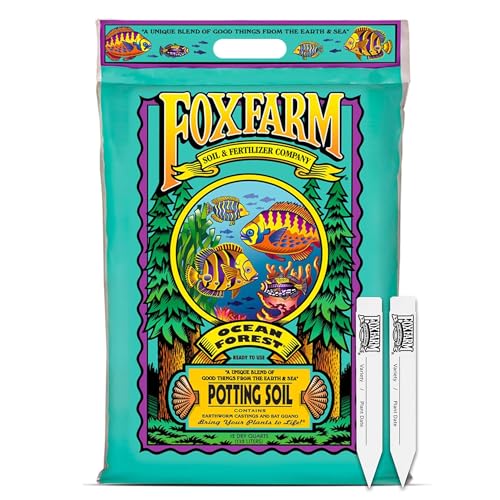
FoxFarm Ocean Forest Potting Soil 12 Quarts with Plant Tags

ZeeDix 3QT Coarse Perlite Soil Amendment

Bonsai Jack 2 Quarts Universal Bonsai Soil Mix #221

Wonder Soil 30 Quarts Compressed Coco Coir 3-Pack
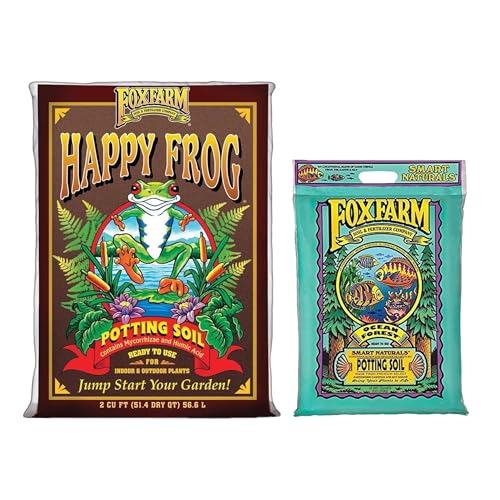
FoxFarm Happy Frog 2 Cu.ft and Ocean Forest 12qt Bundle

ZeeDix 3QT Tropical Potting Mix for Monstera and Pothos
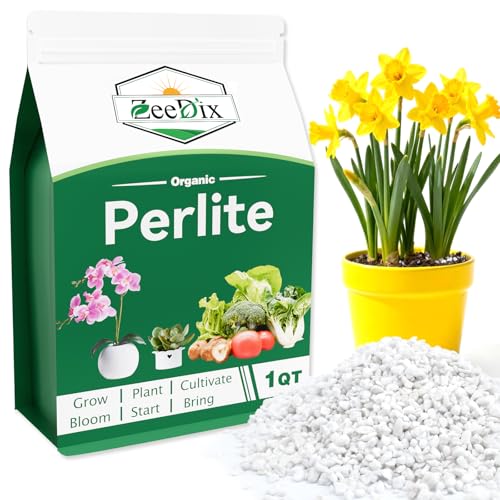
ZeeDix 1QT Coarse Perlite Soil Amendment
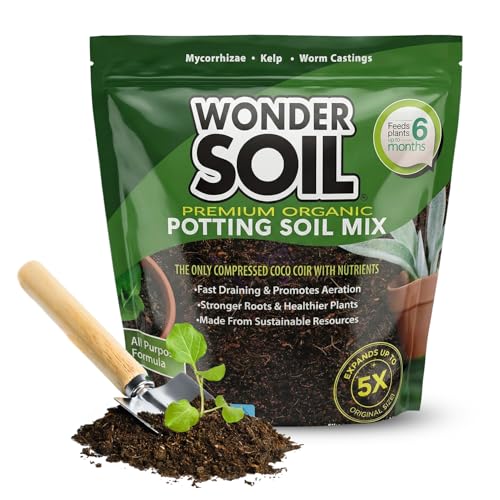
Wonder Soil 12 Quarts Organic Potting Soil Coco Coir

Wonder Soil 72 Quarts Compressed Coco Coir Block

ZeeDix 1QT Tropical Potting Mix for Plants
More Details On Our Top Picks
If you want a single bag that works the moment you tear it open, FoxFarm Ocean Forest is the easy answer. The 12-quart size hits a sweet spot for indoor houseplant collections, starter patio containers, and the kind of small repotting job that happens on a Saturday morning.
Compared to the loose perlite amendments later in this list, this one arrives fully blended, so you skip the measuring cup and the mess. Two plant tags come tucked inside, a small but genuinely useful touch for anyone juggling multiple seedlings at once.
Why It Works Well
- Ready to use straight from the bag, no mixing or amending needed for most container setups
- Light, aerated texture helps young roots push through without compacting
- Includes organic inputs like fish meal, crab meal, and earthworm castings, a term referring to nutrient-rich worm waste used as a natural fertilizer, for an early nutrient boost
- Two included plant tags make labeling seedlings and planting dates simple
- Works equally well for indoor houseplants and outdoor patio planters
Things To Consider
- At 12 quarts, larger raised bed projects will go through this bag fast
- The light texture dries faster than denser mixes, so watering frequency may creep up in summer
Feature Snapshot
Best Suited To
Container gardeners and houseplant owners who want a no-fuss, nutrient-loaded blend for small to medium projects.
Skip It When
You are filling a full raised bed; the Wonder Soil 72-quart compressed block covers that scale more economically.
Perlite is the white, porous volcanic glass you see puffed into most potting mixes, and ZeeDix sells it loose so you can dial in your own ratios. The coarse grade suits plants that hate wet feet, like succulents, orchids, and a range of herbs.
Unlike the FoxFarm bag above, this is not a finished growing medium. It is a tool you mix in. For anyone struggling with compacted soil or yellowing roots, perlite is often the first cheap fix.
The Case For It
- Coarse 3 to 9mm particles open up airflow in heavy or peat-heavy blends
- Lightweight and porous, which improves water distribution through the root zone
- Doubles as a standalone propagation medium for cuttings that need airflow
- Useful across indoor, outdoor, and hobby greenhouse setups
Trade Offs
- Perlite dust is fine and tends to drift when pouring, so work near a sink or outdoors
- Does not contain nutrients on its own, so plants still need feeding through the season
Right Fit For
Succulent and orchid growers who already have a base soil and need to loosen it up for better drainage.
Look Elsewhere When
You want a finished mix you can pot into immediately; the FoxFarm Ocean Forest bag is the simpler route.
Bonsai trees sit in tiny pots, so the soil has to perform harder than a backyard bed ever does. Bonsai Jack #221 is screened at a uniform particle size and pre-washed, which removes the fine dust that typically settles at the bottom of a pot and clogs drainage holes.
For anyone serious about bonsai, this skips the most tedious prep step. The 2-quart size is small enough to handle a single repotting or two without leaving a half-bag of soil sitting around losing structure.
Features That Help
- Screened and pre-washed, so it pours clean and drains freely from day one
- Targets a balanced pH around 6.4, a near-neutral level most bonsai species tolerate
- Engineered for water absorption, evaporation rate, and bulk density
- Suitable for tropical bonsai and many other tree species commonly kept in containers
Worth Noting
- 2 quarts is enough for one or two small trees, not a full collection refresh
- Premium screened soils cost more per quart than general-purpose mixes
Made For
Bonsai enthusiasts repotting individual trees and wanting a screened, ready-to-use medium without extra prep.
A Better Fit Elsewhere
The ZeeDix 3QT Coarse Perlite is the better pick for orchid growers who want to tune their own mix.
Coco coir is the fibrous husk material left over from coconut processing, and Wonder Soil ships it compressed into small bricks that fluff up dramatically when water hits them. Three bricks expand into roughly 30 quarts of usable medium, which is a lot of soil from something you can store on a shelf.
That storage angle is what sets the 3-pack apart. Renters, apartment gardeners, and anyone without a garage get a full season’s worth of medium without dedicating half a closet to bags.
What Helps Most
- Compressed bricks save serious shelf space compared to bagged mixes
- Pre-loaded with worm castings, mycorrhizae, and kelp for early nutrition
- Peat-free, which matters for gardeners trying to reduce peat harvesting impact
- Expands predictably with water, so measuring the final volume is straightforward
Room For Improvement
- Requires a soaking tub or bucket and a few minutes of breaking up the brick
- Coir alone can compact over time, so blending in perlite helps long-term structure
Perfect Match For
Renters and small-space gardeners who need to stash soil somewhere other than a garage or shed.
Swap It Out When
You need ready-to-pour convenience; the FoxFarm Ocean Forest bag skips the hydration step entirely.
This bundle pairs the larger Happy Frog 2 cubic foot bag with a 12-quart Ocean Forest, giving you two distinct FoxFarm blends for a single project. Happy Frog leans into soil microbes and worm castings for a steady nutrient release, while Ocean Forest is the punchier starter blend from item 1.
Most shoppers use Happy Frog for established containers and Ocean Forest for transplants and starts. The combo covers a full patio garden or a long stretch of balcony planters without running out mid-season.
Positive Points
- Two complementary blends cover both transplant and ongoing feeding in one order
- Happy Frog includes soil microbes that support root efficiency over time
- 2 cubic foot volume is enough for multiple large patio containers
- Sourced from a garden center supplier with a straightforward return window
Minor Gripes
- Bulk shipments are heavier to carry from the door to the planting area
- Two separate bag sizes mean you may have leftover 12-quart Ocean Forest at season’s end
Spec Overview
Whose Shelf It Belongs On
Container gardeners scaling up a patio garden who want a chunky volume plus a nutrient-rich starter blend.
Reach For A Different Pick When
You only need one or two small pots; the ZeeDix 1QT Tropical Potting Mix handles single repots without leftovers.
Aroids like monstera and pothos are a different beast from succulents. They want moisture without staying soggy, and a chunky, airy mix that mimics their native tree-bark habitat. This ZeeDix blend aims straight at that crowd.
Where item 1’s FoxFarm blend suits a wide range of container plants, this 3-quart bag is dialed in for foliage houseplants. You open the bag and start repotting, no measuring or blending required.
Points In Its Favor
- Pre-blended formula removes the guesswork of mixing your own aroid medium
- Promotes aeration and drainage, two things monsteras and pothos need most
- Also works for ferns and other tropical foliage that enjoys steady moisture
- 3-quart size fits a couple of medium aroid repottings
Soft Spots
- Specific blend, so it is less useful if your collection spans succulents and tropicals
- Aroids are heavy feeders, so plan to supplement with liquid fertilizer during the active season
Who Should Grab It
Indoor gardeners building a tropical foliage collection and wanting a purpose-blended medium that suits aroids.
Not Your Match When
You keep a mixed indoor garden including cacti or succulents; the FoxFarm Ocean Forest bag covers a wider plant list.
This is the same coarse perlite as item 2, just in a smaller 1-quart bag. It exists for the gardener who only needs a handful of amendments, not a full shelf of soil-building supplies.
Smaller bags also mean less dust exposure when pouring, since you are handling a quarter of the volume. For a single succulent repotting or a small orchid refresh, the size is genuinely the right fit.
What Stands Out
- Compact size suits apartment storage and small gardening kits
- Same coarse 3 to 9mm grade as the larger ZeeDix perlite bag
- Easy to pour without wrestling a bulky bag in a tight space
Honest Caveats
- 1 quart goes quickly if you are amending multiple pots
- Per quart, smaller bags often cost more than the bulk 3-quart option
Who Will Love This
Tinkerers and small-scale plant owners who want perlite on hand without committing to a large bag.
Another Choice May Suit
You maintain a sizable succulent collection; the ZeeDix 3QT Coarse Perlite offers better value for ongoing use.
The 12-quart Wonder Soil bag is the small-batch sibling to the larger compressed bricks earlier in the list. A 3-pound compressed bag expands to roughly 12 quarts once hydrated, which is a comfortable size for someone potting up a handful of houseplants or starting a small herb garden.
Newer gardeners tend to like this format because the expansion step is quick and visual. You see exactly how much soil you are about to work with, instead of guessing from a flat brick.
Benefits That Matter
- Pre-mixed with worm castings, perlite, mycorrhizae, and kelp for an early boost
- Peat-free formulation suits gardeners avoiding peat-based products
- Compressed format keeps the unopened bag light and easy to ship or carry
- Family and pet-friendly formulation without synthetic additives
Points To Note
- Hydration step requires a container large enough to catch the expanded coir
- Smaller compressed bag is less efficient per quart than the larger 30- or 72-quart options
Right Fit For
First-time gardeners starting a small houseplant or herb collection who want a forgiving, ready-to-expand medium.
Where A Sibling Pick Shines
The Wonder Soil 72-quart compressed block is the better value for filling a raised bed or multiple large containers.
The 72-quart Wonder Soil block is the largest compressed option in the roundup. A 10-pound block expands dramatically once water hits it, ending up with enough medium to fill a sizable raised bed or refresh every container in a small patio garden.
Compared to the smaller Wonder Soil formats, this one trades convenience for scale. You need a wheelbarrow or large tub and a few minutes to hydrate and break up the block before you can plant into it.
What Pays Off
- One block produces 72 quarts of usable soil, enough for a full raised bed
- Pre-loaded with worm castings, mycorrhizae, and kelp to feed plants through establishment
- Compressed format saves on shipping weight compared to bagged equivalents
- Peat-free formulation for gardeners avoiding peat-based products
Factors To Consider
- Requires a soaking vessel large enough to fully submerge the expanding block
- Once expanded, you may have more medium than a single weekend project can use
Quick Facts
Perfect Match For
Gardeners filling raised beds or doing a full-season container refresh who want one large compressed block instead of multiple bags.
Consider Something Else When
You only need a few pots; the Wonder Soil 12-quart bag is a less wasteful starting point.
This is the 1-quart version of the tropical blend from item 6, scaled down for a single repotting or a small starter plant. The same pre-mixed formula aims at aeration and drainage, with the convenience of a small bag that fits on a shelf.
Smaller bags are useful when you want to test a new blend on one plant before committing to the larger 3-quart size. If your monstera loves it, you can scale up later.
Positive Takeaways
- Compact 1-quart bag suits a single small repotting or starter plant
- Pre-blended formula removes the measuring and mixing step
- Same aeration-focused approach as the larger ZeeDix tropical bag
Some Limits To Know
- 1 quart covers one small plant, not a multi-pot refresh
- Per quart, smaller bags tend to cost more than the larger 3-quart option
Who It Suits Best
Trial gardeners testing a tropical blend on a single plant before committing to a larger bag.
A Better Fit Elsewhere
The ZeeDix 3QT Tropical Potting Mix offers better per-quart value when repotting multiple plants at once.
What Matters Most Before Choosing Prices On Garden Soil
Match The Medium To The Plant, Not The Other Way Around
Soil is not a one-size-fits-all purchase. Succulents and orchids want sharp drainage, so coarse perlite or screened bonsai blends like Bonsai Jack keep roots from sitting wet. Tropical foliage like monsteras and pothos prefer a chunky, airy mix that holds some moisture without compacting, which is why the ZeeDix tropical blends work for that crowd. For mixed container gardens, a balanced blend such as FoxFarm Ocean Forest covers most general needs. Think about the plants you already have before choosing a bag.
Container Size Changes Everything
Small pots dry out quickly, and a 12-quart bag will only fill a few medium containers. Larger patio containers and raised beds need bagged mixes or compressed blocks measured in cubic feet or tens of quarts. The Wonder Soil 72-quart block exists for exactly that scale, while the 12-quart Wonder Soil bag and FoxFarm Ocean Forest suit tighter indoor setups. A common mistake is underestimating how much soil a project actually requires.
Ready-Made Versus DIY Mixing
Pre-blended soils cost more per quart but remove the measuring cup and the mess of mixing perlite, coco coir, and peat on your own. Loose amendments like the ZeeDix perlite bags offer flexibility for gardeners who want to dial in ratios for specific plants. Beginners usually do better with a ready-to-use blend, while experienced growers often keep perlite and coir on hand for custom mixes.
Storage And Handling Matter
Compressed coco coir blocks save shelf space and ship light, but they require a soaking vessel and a few minutes of preparation. Bagged mixes are heavier to carry but ready to pour the moment you cut them open. Apartment gardeners without a garage often prefer compressed formats, while homeowners with a potting bench can handle bulk bags easily.
Key Considerations Across These Picks
Pitfalls Shoppers Hit
One of the most common mistakes is buying general garden soil for containers or houseplants. Ground soil compacts badly in pots and drains poorly, which suffocates roots. Another slip is grabbing a tropical blend for succulents or vice versa; the watering needs are opposite. Always match the soil to the plant type, and read the bag’s intended use before pouring.
What The Higher Tier Buys
Premium blends like Bonsai Jack and FoxFarm Happy Frog cost more per quart, but you pay for screening, balanced pH, and added amendments like microbes and earthworm castings. For a single houseplant, a generic mix works fine. For a bonsai collection or a long-season vegetable garden, the upgrade pays back through healthier root development and steadier nutrient availability. The right call depends on how much you have invested in the plants you are potting.
