

Healthy container plants start with the right growing medium, but picking the best fit for your windowsill jungle or patio herb corner can feel like guesswork. Some mixes drain fast for succulents, others hold moisture for leafy tropicals, and a few bagged amendments simply improve whatever soil you already own. This roundup breaks down ten options worth comparing, from ready-to-use blends to specialty amendments and plant-targeted feeds, so you can match the medium to the plant instead of the other way around.
The Choices Worth Comparing

Legigo 4 Quarts Organic Perlite Soil Amendment

FoxFarm Ocean Forest Potting Soil 1.5 cu ft
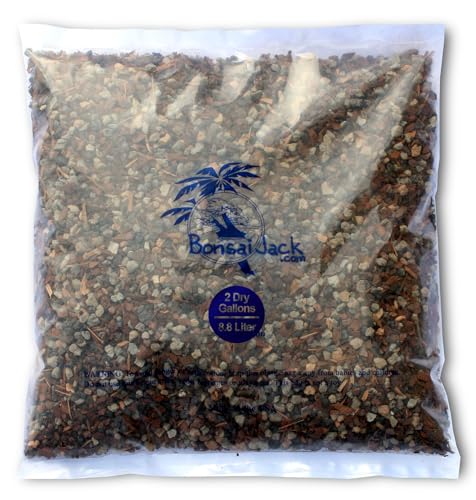
Bonsai Jack Universal Bonsai Soil Mix 2 Gallons

Legigo 15 Quarts Organic Perlite Soil Amendment

Legigo 20 Quarts Organic Perlite Soil Amendment

Legigo 6 Quarts Organic Perlite Soil Amendment
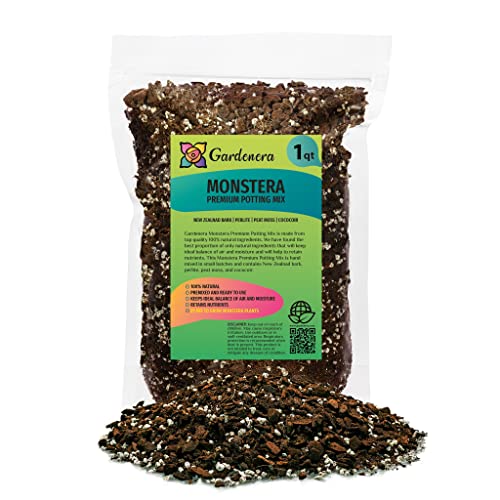
Gardenera Premium Monstera Potting Soil 1 Quart

Gardenera Monstera Spray Fertilizer Mist 8oz

Gardenera Monstera Organic Superfood Mist 8oz

NOHOBE Hard Akadama Bonsai Soil 2.5lb
The Details Behind The Selections
Perlite is a heated volcanic stone that expands into a lightweight, porous white granule used to aerate soil mixes. The Legigo 4-quart bag arrives in a manageable size that suits anyone with a small succulent collection or a single repotting project on the calendar. Because the stones are coarse and evenly graded, they integrate cleanly into either a peat-heavy tropical blend or a sand-based cactus recipe.
The pH-neutral nature of perlite keeps it from shifting the acidity of whatever mix you pair it with, which matters when you’re topping up established houseplants. For most indoor gardeners starting out, four quarts is enough to amend a handful of pots without crowding a closet or garage with leftover material.
Key Advantages
- Coarse, evenly sized granules that mix smoothly into custom blends
- pH-neutral volcanic material that won’t alter soil acidity
- Compact 4-quart size suits small collections and single repottings
- Drains efficiently to protect cacti and carnivorous plants from soggy roots
- Lightweight bag is easy to carry from car to shelf
Points To Keep In Mind
- Dust settles at the bottom of the bag, so pour slowly and consider a quick rinse before use
- Four quarts disappears quickly in larger container gardens
- Perlite is an amendment, not a standalone growing medium on its own
Who It Suits Best
Succulent and cactus owners assembling a custom mix on a small scale.
Where Another Pick Suits Better
Anyone repotting multiple large containers should reach for the Legigo 15 Quarts Organic Perlite Soil Amendment instead.
FoxFarm Ocean Forest arrives ready to use straight from the bag, which removes the guesswork of blending your own medium. At 1.5 cubic feet, a single bag fills several mid-size planters or refreshes a windowsill grouping. The light, aerated texture is the kind of quality that translates into faster root recovery after repotting, particularly for hungry container plants.
Compared with the perlite amendments earlier in this list, this is a finished soil rather than a single ingredient to mix in. For most beginner to intermediate indoor gardeners, the “open and plant” convenience is the real draw, especially during spring repotting season when time matters more than custom blending.
What Helps Most
- Ready-to-use out of the bag, no extra mixing required
- Aerated texture supports strong root development
- Generous 1.5 cu ft volume fills multiple containers
- Works across a wide range of container plants
Honest Caveats
- Not optimized for true cactus or succulent needs on its own
- 1.5 cu ft is bulky to store once a bag is opened
Quick Facts
Right Fit For
Container gardeners who want a finished, ready-to-use medium without custom blending.
Look Elsewhere When
Specialty growers focused on bonsai or cactus should consider Bonsai Jack Universal Bonsai Soil Mix 2 Gallons for faster drainage.
Bonsai soil is a fundamentally different animal than standard potting mix. Bonsai Jack’s blend arrives screened and pre-washed, sparing you the dusty afternoon of rinsing components by hand. At two gallons, the bag is sized for several small trees or one significant repotting session.
The mix targets a pH near 6.4 and is tuned for water absorption, evaporation, and bulk density, which is the kind of engineered balance that general-purpose mixes don’t bother with. Where FoxFarm Ocean Forest leans rich and moisture-retentive, this blend runs lean and gritty, the better fit for trees that hate wet feet.
Strengths Worth Knowing
- Pre-screened and washed to reduce dust and debris
- Engineered for water absorption and fast evaporation
- pH-balanced around 6.4 for steady uptake
- Particle sizing tuned for shallow bonsai containers
Things To Consider
- Specialty blend commands a higher outlay than general-purpose mixes
- Less suitable for moisture-loving tropicals
- Some roots need a settling period before the mix shows full performance
Feature Snapshot
Made For
Bonsai enthusiasts repotting tropical or deciduous trees that demand sharp drainage.
Skip It When
Vegetable container gardeners should default to FoxFarm Ocean Forest Potting Soil 1.5 cu ft instead.
Stepping up from the 4-quart trial size, this 15-quart Legigo bag covers a meaningful repotting session without jumping all the way to a bulk order. The coarse, even granulation handles the same role as the smaller bag: improving drainage and aeration in whatever base mix you prefer.
For most indoor gardeners juggling a dozen houseplants across the year, fifteen quarts strikes the right balance between storage and supply. You can amend several tropicals, refresh a few cactus pots, and still keep a sealed bag on the shelf for future tune-ups.
Everyday Perks
- Mid-range volume covers a full repotting sweep
- Even granulation mixes predictably into various blends
- pH-neutral formula plays well with peat, coco coir, or compost bases
- Same dependable format as the smaller Legigo line
Trade-Offs To Consider
- Larger bag means more dust to manage when pouring
- Requires an existing base mix to work as intended
Whose Shelf It Belongs On
Multi-plant households that cycle through repotting every season and need a steady amendment supply.
Consider Something Else When
Cactus specialists working with shallow bonsai-style pots may prefer NOHOBE Hard Akadama Bonsai Soil 2.5lb for its visual watering cue.
The 20-quart Legigo bag is the heavyweight of the perlite line and the pick for serious soil overhauls. Whether you’re refreshing raised bed mix or rebuilding a collection of large patio planters, this volume absorbs a big session without running out halfway through.
Compared with the 4-quart version covered earlier, the practical difference comes down to logistics. You’ll want a clean corner to pour from and ideally a slightly damp surface to keep dust contained, but the same coarse, neutral, evenly sized stones show up bag after bag.
The Practical Payoff
- Largest perlite volume for multi-container projects
- Even particle sizing integrates cleanly across batches
- Neutral pH protects existing soil chemistry
- Useful for both indoor and outdoor applications
Points To Note
- Bulky to store once opened; consider a sealed bin
- Dustier than smaller bags on initial opening
Feature Card
Who Should Grab It
Gardeners maintaining a large plant collection or tackling spring repotting across multiple containers.
A Better Fit Elsewhere
Window-sill growers with only a few pots get more practical use from the Legigo 6 Quarts Organic Perlite Soil Amendment.
Six quarts lands between the smallest trial size and the mid-range 15-quart option, making it the friendliest entry point for casual plant owners. If you’ve just adopted a couple of succulents and want to tweak your store-bought mix for sharper drainage, this is the size that finishes the job without leftovers.
The familiar Legigo characteristics carry over: coarse, evenly sized stones that pour cleanly and don’t shift your soil’s pH. For most beginner setups, six quarts covers a typical three-pot refresh with material left over for future touch-ups.
Where It Excels
- Right-sized for first-time amendment users
- Coarse texture suits cactus and succulent blends
- pH-neutral performance won’t disturb existing soil balance
- Manageable weight for one-handed pouring
Some Limits To Know
- Runs short for medium or large plant collections
- Still requires pairing with a base soil to function
Best Suited To
New plant parents working with a handful of small pots and learning to customize their mixes.
Reach For A Different Pick When
Anyone with a steady repotting rotation across many planters should consider the Legigo 20 Quarts Organic Perlite Soil Amendment for fewer restocks.
Monstera plants thrive on a balance between moisture retention and fast drainage, which is a tougher mix to hit than it sounds. Gardenera’s dedicated blend uses organic aged bark, coco coir, perlite, and worm castings to thread that needle. At one quart, the bag is sized for a single repotting of a small to medium Monstera.
This is a different proposition than the perlite amendments earlier in the roundup: a complete, plant-targeted soil rather than a single ingredient to add. For most Monstera owners, that specificity means less guesswork about ratios and fewer brown spots after the switch.
Practical Pluses
- Pre-blended for Monstera-specific drainage needs
- Organic bark and worm castings feed gradually
- Coco coir helps hold moisture without waterlogging roots
- One-quart bag fits a typical Monstera repotting
Worth Bearing In Mind
- Specialized blend is pricier per quart than general mixes
- Not optimized for other tropicals or succulents
- One quart won’t cover a large, mature Monstera root ball
Quick Technical Notes
Who Will Love This
Monstera owners who want a plant-specific blend instead of mixing perlite into a generic base.
Swap It Out When
Gardeners with a diverse collection across multiple species get more mileage from FoxFarm Ocean Forest Potting Soil 1.5 cu ft.
Foliar sprays feed plants through their leaves, and this 3-1-2 blend is tuned specifically for Monstera. The mild ratio is forgiving if you mist weekly, which matters for gardeners who like a quick routine rather than a monthly deep feed. The 8-ounce bottle delivers enough for regular use across a few plants.
Where soil amendments focus on roots, this mist is about the leaves themselves, supporting the glossy sheen Monstera owners tend to chase. For most indoor gardeners, it slots in as a complement to a quality potting mix like Gardenera Premium Monstera Potting Soil 1 Quart covered above.
Points In Its Favor
- Mild 3-1-2 ratio suits routine weekly use
- Designed for Monstera leaf uptake and shine
- Compact 8-ounce bottle fits on a windowsill
- Pairs well with any quality Monstera soil base
Where It May Fall Short
- Foliar feed complements, but doesn’t replace, root-zone nutrition
- Specialized for Monstera, with limited cross-species use
Perfect Match For
Monstera owners who already have their soil dialed in and want a gentle weekly leaf feed.
Another Choice May Suit
Gardeners looking for denser nutrient support may prefer the Gardenera Monstera Organic Superfood Mist 8oz for its broader nutrient profile.
The Superfood Mist is the dense cousin of the standard spray above, packing 18 key vitamins and minerals alongside micro-fungi cultures. Micro-fungi support the soil microbiome, which in turn helps roots access nutrients more efficiently. For most Monstera owners chasing faster growth or recovering from leaf damage, that combo is meaningful.
It occupies a different role than the perlite amendments reviewed earlier. Think of it as finishing treatment rather than foundational medium, layered onto whatever soil you’ve already planted in. The 8-ounce size keeps the routine manageable without overwhelming a small collection.
A Few Strong Suits
- 18-nutrient formula covers broad plant needs
- Micro-fungi cultures support soil microbiome activity
- Foliar application delivers quick leaf-level support
- Same handy 8-ounce bottle format as the milder mist
Less Ideal Details
- Denser formula may be overkill for already-healthy plants
- Specialized Monstera focus limits cross-species value
Built With In Mind
Monstera keepers wanting maximum nutrient density in a foliar spray.
Where A Sibling Pick Shines
Beginners seeking a simpler weekly routine may prefer the lighter Gardenera Monstera Spray Fertilizer Mist 8oz.
Akadama is a Japanese clay-like soil component prized for its water retention and drainage balance. NOHOBE’s 2.5-pound bag covers a small bonsai or a handful of cactus and succulent repottings. The small grain size, between 1/8 and 1/4 inch, fits shallow bonsai containers comfortably.
What sets this product apart from generic amendments is the visual cue: akadama darkens when wet, giving you a built-in moisture gauge. For most hobbyists who occasionally forget to check soil moisture, that color shift is genuinely helpful in avoiding both overwatering and bone-dry pots.
Useful Touches
- Visual moisture indicator via color shift when wet
- Hard grain structure resists breakdown over time
- Fast drainage protects against root rot
- Suited for bonsai, cactus, and succulent use
Things That May Matter
- Premium component commands a higher cost per pound
- Often blended with other ingredients for best results
- Color shift is subtle and may be missed in low light
Feature Overview
Whose Shelf It Belongs On
Bonsai and cactus hobbyists who want a premium clay-based component with built-in moisture feedback.
Not Your Match When
General indoor gardeners should default to a perlite amendment like Legigo 15 Quarts Organic Perlite Soil Amendment for everyday versatility.
What To Weigh Before Picking Potting Soil
Match The Mix To The Plant
Different plants demand fundamentally different soil behavior, so start with the species rather than the bag. Cacti, succulents, and bonsai want sharp drainage and fast evaporation, while leafy tropicals like Monstera prefer moisture retention balanced with airflow. General-purpose mixes work for mixed container gardens, but specialty blends remove guesswork when you’re focused on one plant type. For most beginners, picking a plant-targeted blend beats trying to mix your own from scratch.
Drainage Beats Density
Heavier, denser soils hold water longer, which sounds gentle but actually suffocates roots over time. Perlite, pumice, and akadama open up the structure so air reaches the root zone. For most indoor setups, a light, aerated texture is the safer bet, especially for gardeners who tend to overwater. If your soil compacts when wet or stays soggy days after watering, that’s the structure telling you it needs aeration.
Amendments Versus Finished Mixes
Perlite and akadama are single ingredients meant to improve a base soil, while products like FoxFarm Ocean Forest arrive ready to plant in. For most people maintaining a varied collection, a finished mix plus a bag of perlite on hand covers the most ground. Specialty plant blends earn their place when you’re committing to one species and dialing in its specific needs.
Volume And Storage Reality
Bigger bags cost less per quart but demand storage space and stay open longer. For most casual gardeners, smaller to mid-size bags (six to fifteen quarts) keep material fresh and the closet uncluttered. Larger bags suit repotting seasons with several big pots on the schedule.
Key Considerations Across These Picks
Pitfalls Shoppers Hit
One common trap is grabbing a moisture-retentive mix for a cactus, then watching the plant slowly decline in soil that stays wet for days. Another is treating perlite as a standalone soil rather than an amendment. For most shoppers, the safest move is matching the bag’s intent to the plant’s native environment, and keeping perlite or pumice on hand for quick fixes.
Where The Extra Money Goes
Premium options like Bonsai Jack or NOHOBE akadama command more because the components are screened, pre-washed, or graded to specific particle sizes. That precision translates into predictable drainage and pH, which is exactly what sensitive plants require. For most hobbyists, paying up pays off when you’re focused on a single plant type rather than juggling many species with one bag.
Frequently Asked Questions
How Do I Know If My Current Potting Soil Needs Replacing?
If the soil compacts when wet, develops a white crust, or the plant shows slowed growth despite regular watering, it’s likely time to refresh. Most container soils benefit from replacement every one to two years, especially for fast-growing tropicals.
Can I Mix Different Products From This List Together?
Yes, and many gardeners do. A common approach is starting with a finished mix like FoxFarm Ocean Forest and adding perlite to dial up drainage for cacti or succulents. Akadama is best reserved for bonsai and similar shallow containers.
Is Bigger Bag Size Always The Better Deal?
Not always. Bulk bags cost less per quart but need a dry storage spot and lose freshness once opened. For most small collections, mid-size bags strike a better balance between convenience and waste.
Do Foliar Mists Replace Regular Fertilizing?
No, foliar sprays supplement root-zone nutrition but don’t replace it. Use them as a complement to a quality potting mix, not a substitute for it.
How Often Should I Repot With Fresh Soil?
Most houseplants benefit from fresh soil every 12 to 24 months, while fast growers may need annual refreshes. Watch for roots circling the pot or water running straight through, both signs the soil structure has broken down.
Closing Thoughts
The right soil makes plant care noticeably easier, but the best fit depends entirely on what you’re growing and how you tend it. Match the medium to the plant, keep a bag of perlite handy for quick adjustments, and don’t overthink the basics. Your plants will tell you, through leaves and growth, whether the match is working.
