

Tired of hacking through rose canes with dull, hand-cramping clippers? The right pair of pruning shears turns a frustrating chore into a quick pass through the garden, and a dull pair turns a five-minute job into an hour of regret. Whether you’re deadheading herbs on the patio or tackling overgrown shrubs, this roundup covers ten solid options across manual, ratcheting, and cordless designs. You’ll find picks for small hands, big branches, tight budgets, and serious daily use, so you can stop fighting your tools and start enjoying the work.
A Snapshot Of The Selections

DEWALT 20V MAX Cordless Pruning Shears (DCPR320B)
gonicc Professional Hori Hori Garden Knife with Sheath
Fiskars Bypass Pruning Shears, 5/8″ Cut Capacity
gonicc 8″ Premium Bypass Titanium Pruning Shears (GPPS-1003)
gonicc 8″ Professional Sharp Bypass Pruning Shears (GPPS-1002)

gonicc Micro-Tip Pruning Snips (GPPS-1008)

Fiskars Forged Steel Bypass Pruning Shears, 1″ Cut
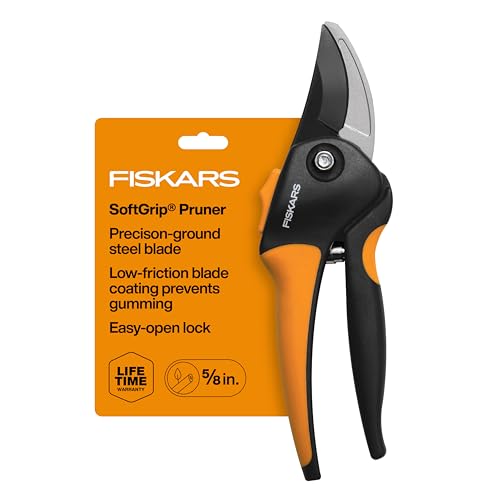
Fiskars SoftGrip Bypass Pruning Shears, 5/8″ Cut

Felco F2 9.25″ Swiss-Made Pruning Shears
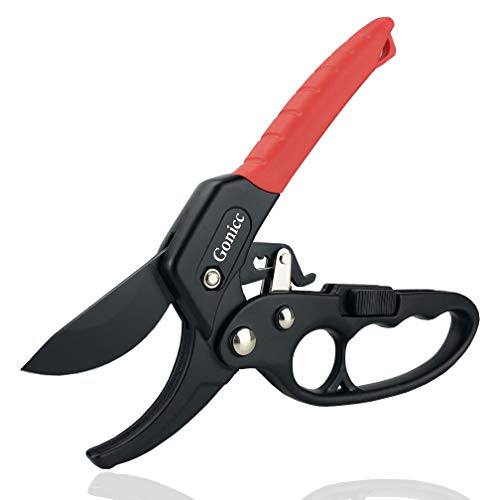
gonicc 8″ Ratchet Anvil Pruning Shears (GPPS-1011)
The Details Behind The Selections
If hand fatigue is the reason pruning keeps getting postponed, a cordless pruner like this DEWALT changes the math. The DCPR320B is a bare tool that fits any 20V MAX battery you may already own, and it’s designed to slice through branches up to roughly 1-1/2 inches wide without the squeeze-and-shrug cycle of manual shears.
Where most manual options in this list ask your forearm to do all the work, this one uses an electric blade action. That makes it a strong fit for anyone with arthritis, limited grip strength, or a long list of shrubs to trim. You’ll need to budget for a battery and charger separately since this version ships as tool-only.
The Upside
- Non-stick coated blades help the cut stay clean and reduce sap drag
- On-board LED work light is genuinely useful for dense hedges at dusk
- Quick-change blade system lets you swap edges without hunting for special tools
- Cuts through thick stems with minimal hand pressure, which protects your wrists
Things To Consider
- Battery and charger sold separately, raising the real cost of ownership
- Heavier than any manual shear in this roundup, so it’s tiring to hold overhead
- Best suited to outdoor work where occasional noise won’t bother neighbors
Who It Suits Best
Owners with established 20V MAX batteries and a yard full of thick, woody growth.
Where Another Pick Suits Better
Casual patio gardeners with light trimming needs will get along fine with the Fiskars Bypass Pruning Shears and skip the battery investment.
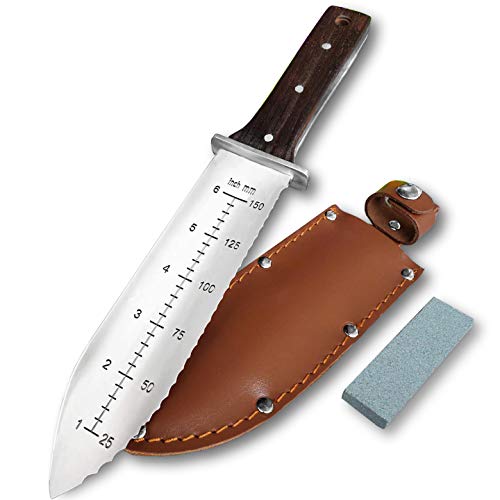
Technically a garden knife rather than a pair of shears, the gonicc Hori Hori earns its place because pruning is rarely just snipping. A hori hori is a Japanese-style digging and cutting blade that handles weeding, transplanting, root slicing, and light branch work in one tool.
The 440 stainless steel blade combines a straight edge for slicing with a serrated edge for sawing through tough roots. A built-in depth scale lets you measure as you dig, which is handy for bulbs and seedlings. It comes with a leather sheath for safer storage between uses.
Notable Gains
- Replaces a trowel, a small saw, and a weeder in one tool
- Hardened steel holds up to rocky soil without bending
- Depth markings help you plant bulbs at a consistent level
- Protective handguard keeps your grip from sliding forward
Worth Noting
- Not a true bypass pruner, so it’s slower on repeated stem snipping
- Requires regular wiping and occasional sharpening to prevent rust at the edge
- Leather sheath needs to stay dry to last more than a season
Made For
Gardeners who want one rugged hand tool to handle weeding, digging, and light pruning in a single pass.
Consider Something Else When
If your main task is repetitive deadheading on flower beds, the gonicc Micro-Tip Pruning Snips will be faster on each cut.
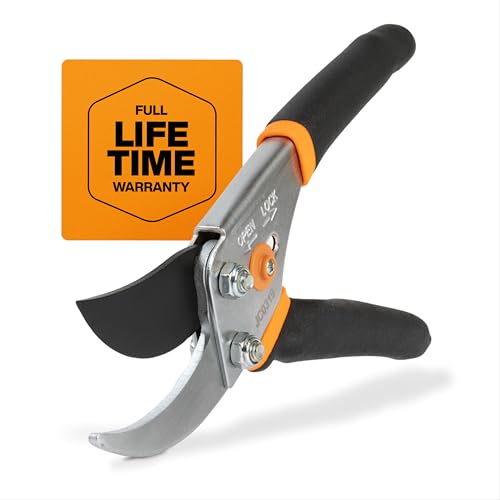
For most home gardeners, a classic bypass pruner like this Fiskars is the right starting point. The 5/8-inch cut capacity handles the bulk of what grows in a typical yard: rose canes, small fruit tree suckers, herb stalks, and perennials that need a midseason chop.
A bypass blade works like a pair of scissors, with two curved edges passing each other to make a clean cut on live green wood. That action matters because it leaves a tidier wound than an anvil-style blade, which can crush soft stems. For someone starting a tool collection, this is the pair you’ll reach for most often.
Everyday Perks
- Clean bypass cut helps live plants heal faster
- Lightweight enough for extended use without wrist strain
- Simple design with fewer parts that can break or rattle loose
- Easy to find replacement parts and sharpening guides
Trade Offs
- Will not cut through branches thicker than about 5/8 inch
- Basic grip lacks the cushioning of the SoftGrip model below
- Blades need occasional sharpening to stay clean on woody stems
Key Specs
Right Fit For
New gardeners building a first tool kit, or anyone needing a dependable all-rounder for general yard work.
Look Elsewhere When
Anyone cutting woody stems thicker than a pencil will outgrow this fast and want the Fiskars Forged Steel Bypass Pruning Shears with a 1-inch capacity.
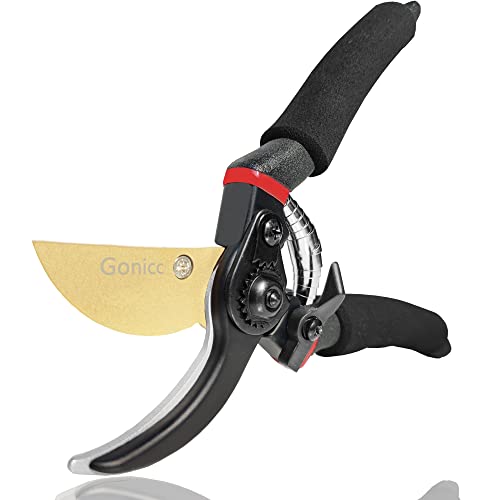
Step up from a basic pruner and you land in gonicc’s premium tier, where the GPPS-1003 gets a drop-forged body and titanium-coated SK-5 steel blade. That combination is built for people who prune often and want a tool that won’t loosen up after a season.
Compared to the Fiskars 5/8-inch model, this gonicc has a heftier hand-feel and noticeably sturdier handles. The aluminum core wrapped in PVC grips stays cooler than all-metal handles in summer sun. A built-in sap groove helps channel sticky residue away from the cutting edge.
The Good Stuff
- Drop-forged body resists twisting under heavy load
- Titanium coating slows rust and helps sap wipe off cleanly
- Aluminum handles keep the tool light despite its strength
- Non-slip PVC wrap gives a secure grip in wet conditions
Room For Improvement
- Heavier than the Fiskars classic, which may tire smaller hands
- Premium build means a higher cost than entry-level options
- Replacement parts aren’t as easy to source as with Felco
Best Suited To
Regular gardeners managing established shrubs, roses, and small fruit trees on a weekly basis.
A Better Fit Elsewhere
For very light, infrequent snipping, the Fiskars Bypass Pruning Shears offer similar results at a friendlier cost.
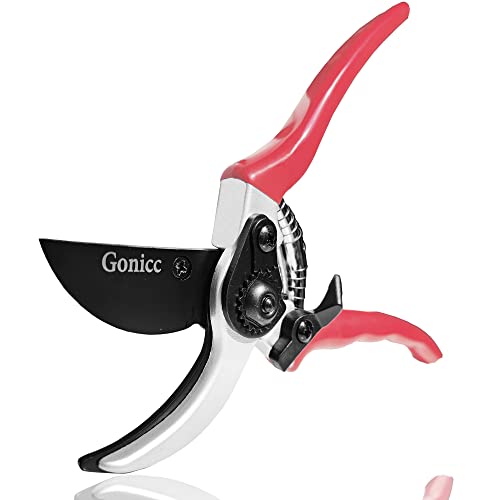
The GPPS-1002 sits one step below the titanium-coated GPPS-1003, trading the titanium finish for a high-carbon steel blade with an ultra-fine polish. You get the same drop-forged handle construction at a friendlier price point, which makes this a sensible middle-ground pick.
Like its sibling, this is a bypass pruner aimed at live wood rather than dead branches. Owners commonly find it works well on roses, vines, and small ornamental trees, though the carbon steel will need a wipe-down after use to prevent surface oxidation.
Key Advantages
- Drop-forged body and handles stand up to daily use
- High-carbon steel blade takes a sharp edge and stays that way
- Non-slip handle design reduces hand fatigue during long sessions
- Sap groove keeps sticky residue from gumming up the cut
Points To Note
- No titanium coating, so blade needs drying after wet use to avoid rust
Feature Snapshot
Who Will Love This
Home gardeners who prune regularly and want a strong, sharp manual tool without paying for titanium coating.
Skip It When
You cut mostly dead wood or thicker branches, in which case the gonicc 8″ Ratchet Anvil Pruning Shears is purpose-built for that work.
Once you have a primary pruner for big cuts, the gonicc Micro-Tip Snips earn a spot in the apron pocket for the fiddly work. These are the shears you reach for when deadheading spent blooms, trimming herbs for dinner, or tidying up a houseplant.
The micro-tip blade design (a narrow, pointed cutting head) lets you get into tight spaces between leaves without slicing what you don’t intend to. High-carbon steel holds its edge well, and the compact size means you can carry them in a back pocket while you weed.
Advantages To Know
- Precision-ground tips handle delicate work without crushing stems
- Lightweight build reduces fatigue during long harvesting sessions
- Stainless steel construction resists rust in humid greenhouses
- Narrow profile fits between leaves and into tight plant centers
Honest Caveats
- Not designed for woody branches thicker than a pencil
- Small handles may be cramped for users with larger hands
- Easy to misplace in dense foliage due to the compact size
Perfect Match For
Indoor plant collectors, herb gardeners, and anyone doing precision work on soft green growth.
Not Your Match When
Most of your cuts involve woody shrubs, where the Felco F2 Pruning Shears would serve you far better.
When your pruning list includes thicker stems that a basic 5/8-inch pruner can’t handle, this Fiskars forged model steps in. The 1-inch cut capacity covers branches you’d otherwise need loppers to manage, which is a real time-saver on overgrown hedges.
Forged steel handles give the tool a solid, planted feel in the hand, and the precision-ground blade is designed to stay sharp through repeated heavy use. The trade-off is weight: this is a noticeably heftier tool than the classic Fiskars bypass pruner, so extended overhead work can wear you out faster.
Where It Helps
- 1-inch capacity tackles branches most hand pruners can’t
- Forged steel construction adds strength for tough cuts
- Fully hardened blade holds its edge across many cuts
- Reduces the need to switch between pruners and loppers
Points To Keep In Mind
- Heavier than standard bypass pruners, which may tire smaller hands
- Overkill for gardens where most growth stays under half an inch
- Larger handles may be difficult for users with smaller grips
Feature Rundown
Built With In Mind
Gardeners maintaining mature shrubs, saplings, and fruit trees that produce wood too thick for entry-level pruners.
Swap It Out When
If your pruning is mostly light, quick snipping, the Fiskars Bypass Pruning Shears will be easier on your wrists.
If you’ve ever set down a pruner mid-job because your hand cramped up, the Fiskars SoftGrip model is worth a serious look. The handle design layers cushioning over the same proven bypass blade platform, which is a small change that makes a noticeable difference during long sessions.
You get the same 5/8-inch cut capacity as the classic Fiskars bypass pruner, with the addition of a self-cleaning sap groove to keep the cut smooth. For someone with arthritis, a small hand, or just a long to-do list, the comfort upgrade often justifies the modest price difference.
Standout Benefits
- Soft-grip handle reduces pressure points during extended use
- Self-cleaning sap groove keeps the blade moving freely
- Non-slip grip surface stays secure in damp or sweaty conditions
- Familiar Fiskars blade geometry for clean, predictable cuts
Soft Spots
- Cushioned grip adds slight bulk, which may not suit very small hands
- Same 5/8-inch capacity as the basic model, so no extra cutting power
The Right Fit
Gardeners with joint sensitivity or anyone who spends an hour or more pruning in a single session.
Another Choice May Suit
Those needing both comfort and significantly more cutting power should consider the Felco F2 Pruning Shears instead.
The Felco F2 is the pruner you buy when you want the last pair you’ll need for a long time. Made in Switzerland with forged aluminum handles and a hardened steel bypass blade, it’s been the standard at vineyards, orchards, and nurseries for decades, and home gardeners swear by it too.
What separates the F2 from the field is serviceability. Every part, from the blade to the spring to the handle catch, can be replaced. You can sharpen the blade, swap it when it eventually wears, and tune the handle tension to your hand. That kind of long-term repair path is rare in a category built around disposable tools.
A Favorable Mix
- Hardened steel blade holds a working edge through long sessions
- Forged aluminum handles stay light without feeling flimsy
- Replaceable blade, spring, and catch extend the tool’s working life
- Proven ergonomic shape used by professional growers worldwide
Practical Considerations
- Higher upfront cost than most home-grade pruners
- Requires periodic disassembly to clean sap from the pivot
- Handle opening is wider than average, which may challenge small hands
Quick Facts
Whose Shelf It Belongs On
Daily pruners who want a long-lasting, serviceable tool and don’t mind paying more up front for the privilege.
Reach For A Different Pick When
You prune only a few times a season, in which case the Fiskars Bypass Pruning Shears will handle the work without the higher spend.
Most of the picks in this list use a bypass action, but the gonicc GPPS-1011 takes a different approach with an anvil design and a ratcheting mechanism. An anvil blade closes down onto a flat surface rather than sliding past a second curved edge, which works better on dry, dead wood where crushing isn’t a concern.
The ratchet system clicks through the cut in stages, multiplying your hand pressure into the blade force. That makes this a smart pick for anyone with limited grip strength, dealing with arthritic hands, or facing woody growth that a standard pruner simply can’t push through. The chrome vanadium handles add strength, and SK-5 steel keeps the edge honest.
What Works In Its Favor
- Ratcheting action multiplies hand pressure for tough cuts
- SK-5 steel blade holds up to woody and dry branches
- Chrome vanadium handles add strength without excessive weight
- Easier on hands with arthritis or limited grip strength
Less Ideal Details
- Anvil design can crush soft, live green stems, leaving ragged wounds
- Multi-step ratchet cut is slower than a single-squeeze bypass
- Heavier than most bypass pruners in the same size class
Who Should Grab It
Gardeners with weaker grip or anyone clearing out dead wood, thick rose canes, and old shrub growth.
A Better Fit Elsewhere
For mostly live green pruning where clean cuts matter, the gonicc 8″ Professional Sharp Bypass Pruning Shears will be a better daily tool.
What To Weigh Before Choosing Pruning Shears For Gardening
Cut Capacity And Branch Size
Start with the largest stems you realistically expect to cut. A 5/8-inch bypass pruner handles the majority of home garden work, from rose canes to small fruit tree suckers. Once you start wrestling branches thicker than that, you burn through hand strength and risk bending the blade. The 1-inch Fiskars forged model or the cordless DEWALT exists for that reason: matching the tool to the wood means cleaner cuts and a longer tool life.
Bypass Versus Anvil Blade Action
A bypass blade acts like scissors, with two curved edges passing each other to make a clean slice on living wood. An anvil blade closes onto a flat plate, which delivers more force but can crush soft stems. For mostly live growth, bypass is the right default. Anvil designs like the gonicc GPPS-1011 make more sense for dry, dead wood or anyone who needs ratcheting leverage.
Handle Comfort And Grip Size
Pruning is repetitive, and the handle shape determines whether your hand gives out before the job does. Soft-grip or padded handles like the Fiskars SoftGrip reduce pressure points. Larger grips favor bigger hands but may be awkward for smaller users. In our view, the best handle is the one that lets you finish the task without setting the tool down.
Build Materials And Long-Term Service
Carbon steel and SK-5 take a sharp edge and stay that way, while titanium coatings add rust resistance. Forged aluminum or steel handles resist flexing under load. If you want a pruner that lasts years rather than seasons, look for replaceable parts, as Felco offers, so a worn blade doesn’t mean a discarded tool.
Smart Considerations Before You Decide
Common Shopping Slip Ups
The biggest mistake is buying for the garden you wish you had rather than the one you actually maintain. A heavy-duty 1-inch pruner is overkill for someone with a few potted herbs, and a tiny micro-tip snip is no use against a wild rose. Consider the most common cutting task in your yard, not the rare one. Another trap is ignoring grip fit; a tool that feels awkward in the hand gets left in the shed, no matter how sharp the blade.
What The Higher Tier Buys
Premium pruning shears cost more for a reason, and the difference shows up in three places. First, blade steel holds an edge longer between sharpenings. Second, forged handles resist flexing, which means cleaner cuts and less fatigue. Third, serviceable construction lets you replace the blade, spring, or catch instead of replacing the whole tool. For a casual gardener, those upgrades are nice to have. For someone who prunes every weekend, they pay for themselves in a single growing season.
Frequently Asked Questions
What Cut Capacity Do Most Home Gardeners Actually Need?
For typical shrubs, roses, and small ornamental trees, a 5/8-inch bypass pruner covers the vast majority of cuts. Step up to a 1-inch capacity only if you regularly tackle thicker woody growth like mature hedges or small tree branches. Anything beyond 1 inch usually means reaching for loppers or a small saw.
How Often Should Pruning Shears Be Sharpened?
A good rule of thumb is a light touch-up after every few hours of cutting, with a more thorough sharpening once or twice per season depending on use. If blades start crushing stems instead of slicing cleanly, that’s the signal to stop and sharpen rather than push harder. Wiping blades clean and lightly oiling them after each session also helps them hold an edge.
Are Ratcheting Pruners Better For Arthritic Hands?
Yes, the ratcheting mechanism on a tool like the gonicc GPPS-1011 lets you cut in stages rather than one continuous squeeze. That spreads the effort across multiple hand movements and significantly reduces the force needed per squeeze. For anyone with joint pain or reduced grip strength, this design can turn a frustrating task into a manageable one.
Can The Same Shears Handle Both Live And Dead Wood?
A bypass pruner is built for live green growth and produces the cleanest cuts there, though it can manage small dry twigs. For substantial dead wood, an anvil-style pruner like the gonicc GPPS-1011 is generally a better match. Many experienced gardeners keep one of each, since the blade types serve genuinely different purposes in the yard.
Do Cordless Pruning Shears Make Sense For Small Yards?
Cordless pruners like the DEWALT DCPR320B shine when you face lots of thick cuts and want to save your hands, but they add cost, weight, and battery management to the task. For a small yard with light trimming, a good manual pruner is simpler, quieter, and ready whenever you pick it up.
Final Verdict
A reliable pair of pruning shears pays you back every time you step into the garden, and the right pick depends on what you actually grow. Match the cut capacity to your thickest branches, the blade style to whether you mostly cut live or dead wood, and the grip to your hand size. The Fiskars classic covers most needs at a fair cost, the Felco F2 rewards regular pruners who want a long-term tool, and the cordless DEWALT is the upgrade worth considering when hand fatigue is the main obstacle. Choose the one that fits your routine, and you’ll stop thinking about your tools and start enjoying the work.
