

A bare soil surface rarely stays that way. Moisture escapes, weeds creep in, and the soil underneath slowly loses the structure your plants depend on. The right mulch changes that equation, holding moisture, regulating temperature, and giving garden beds a finished look. The wrong mulch, though, can suffocate roots, wash away in the first storm, or even throw off the chemistry of your soil.
You probably don’t have time to research ten different mulch types. That’s where this roundup helps. Whether you’re repotting a windowsill orchid, top-dressing a bed of raised planters, or seeding a brand-new lawn patch, the picks below cover the most common scenarios. Each one pairs a specific material with a specific use case, so you spend less time guessing and more time getting your hands dirty.
The Lineup, Simplified

Rio Hamza Houseplant Mulch 8 Quarts

Legigo Organic Orchid Bark 2 Quarts

Biotolot 9qt Orchid Bark Mulch

Biotolot 18qt Orchid Bark Mulch

EZ Straw Seeding Mulch 1 cu. ft.

Biotolot 29qt Orchid Bark Mulch

Rubberific Shredded Rubber Mulch 1.5 cu. ft.

Back to the Roots Coconut Husk Mulch 58 Quart
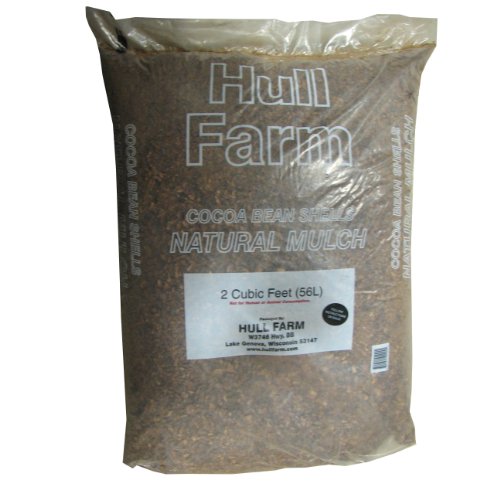
Hull Farm Cocoa Bean Shell Mulch 2 cu. ft.

EZ Straw Seeding Mulch 2-Pack 1 cu. ft.
Why These Options Stand Out
Starting a houseplant collection often means staring at exposed potting soil that dries out fast and looks unfinished. The Rio Hamza Houseplant Mulch addresses both problems in one move, covering the soil surface with small bark chips sized for indoor pots and patio containers. The 8-quart bag offers enough material to top-dress several medium plants without breaking the budget.
If you’re new to mulching houseplants or want a clean visual upgrade on a windowsill, this pick earns its place at the top. The texture is fine enough to settle around stems without leaving gaps, and the material stays where you place it. In most apartments and sunrooms, that’s exactly the look plant parents are after.
Where It Delivers
- Eight-quart volume covers a small indoor collection comfortably
- Small bark chips lay flat against the soil without floating away
- Works for both decorative top dressing and patio container finishing
- Longer-lasting coverage than loose coconut coir or shavings
Things To Consider
- Designed for indoor use, so it isn’t a substitute for outdoor ground cover
- Wood-based material breaks down slowly and may need refreshing once a year
Best Suited To
Apartment dwellers with a handful of potted houseplants who want cleaner-looking soil and steadier moisture between waterings.
Where Another Pick Suits Better
Orchid owners repotting multiple plants should consider the Legigo Organic Orchid Bark, which is sized specifically for orchid roots.
Orchids behave nothing like ordinary houseplants. Their roots demand a chunky, fast-draining medium that mimics the bark of a tropical tree. Regular potting soil smothers them, which is why the Legigo Organic Orchid Bark exists: pine bark pieces cut to roughly 3/8 inch, the size that lets air and water move freely around orchid roots.
You might wonder whether two quarts is enough. For someone with a small orchid collection of three or four plants, it covers a repotting session comfortably, especially when you mix the bark with a bit of perlite or coarse soil. This is a focused, purpose-driven option rather than a generalist mulch.
Features That Help
- Clean organic pine bark screened to roughly 3/8 inch for orchid roots
- Chunky texture promotes airflow and quick drainage
- Doubles as mulch or as a base ingredient in a custom orchid mix
- Compact 2-quart bag suits windowsill growers
Worth Noting
- Two quarts won’t cover a larger orchid collection without running out mid-repotting
- Pine bark breaks down over time and may need refreshing every year or two
Quick Facts
Who It Suits Best
Beginner orchid keepers with a handful of phalaenopsis or similar plants who need a small, clean bark supply for a single repotting.
Consider Something Else When
People maintaining a dozen or more orchids should reach for the Biotolot 29qt Orchid Bark Mulch instead, which supplies far more volume per bag.
Biotolot’s 9-quart bag lands in the sweet spot for orchid growers who run a small but established collection. The bark is screened to roughly half an inch, a size that strikes a balance between fine and chunky pieces. Compared to the smaller Legigo bag, this one gives you room to repot several plants at once or refresh a half-dozen pots in a single session.
For most home growers, nine quarts is a comfortable middle ground that doesn’t leave you scrambling for more mid-repotting. The bark is also listed as suitable for succulents and cacti, which broadens its usefulness beyond just orchids. In our view, that flexibility is a quiet win for plant parents juggling different species on the same shelf.
The Case For It
- Nine-quart volume handles multiple repottings in one session
- Screened to about half an inch, suitable for orchids and succulents alike
- Listed without added dyes or impurities
- Useful as a soil amendment as well as a top dressing
Points To Note
- Heavier than the Legigo option if you only have one or two orchids
- Bag is bulky to store compared to the Legigo 2-quart option
Who Should Grab It
Mid-size plant collectors who split their time between orchids and succulents and want a single bark source that handles both.
A Better Fit Elsewhere
Casual orchid owners with a small windowsill setup will find the Legigo Organic Orchid Bark easier to store and use.
Eighteen quarts is the kind of volume that stops feeling like a one-time purchase and starts feeling like a season’s supply. The Biotolot 18-quart bag doubles down on the same screening standard as the smaller Biotolot options, with bark cut to roughly half an inch and no added dyes, so quality stays consistent across the lineup.
You’ll appreciate this size once you have more than a handful of plants demanding attention at once. Repotting an entire shelf, refreshing soil across several large pots, or topping up a deep planter all become single-visit projects rather than trips back to the bag. In a busy plant room, that kind of headroom pays off quickly.
Useful Highlights
- Generous 18-quart size covers an entire repotting cycle
- Suitable for orchids, succulents, and cacti in mixed collections
- Screened to roughly half an inch for consistent airflow
- Works as both a mix ingredient and a top mulch layer
- Free of dyes and listed impurities per the product description
Trade Offs
- Bigger bag means heavier lifting and a larger storage footprint
- May be more bark than casual orchid owners actually need
Feature Snapshot
Right Fit For
Dedicated hobbyists with a multi-shelf plant room who want to repot several orchids and succulents in one sitting.
Swap It Out When
People who only have a small orchid collection will find the Biotolot 9qt Orchid Bark Mulch easier to store and finish before bark breaks down.
Lawn seed needs a protective blanket to germinate well. Straw alone blows away in the first breeze or washes downhill in a heavy rain, which is why the EZ Straw Seeding Mulch comes with a tackifier. A tackifier is a natural bonding agent that gives straw a slight stickiness, so it stays put while seeds sprout underneath.
This single 1-cubic-foot bale covers about 250 square feet, which makes it easy to size for a typical patch job. The UV-protected bag means you can leave it outdoors between sessions, useful if your reseeding project stretches over a weekend. It’s a focused tool rather than a decorative mulch, but that’s exactly the point.
Why It Works Well
- Built-in tackifier keeps straw anchored through wind and rain
- Covers about 250 square feet per bale for easy planning
- Biodegradable processed straw breaks down naturally
- UV-protected bag allows outdoor storage
A Few Limitations
- Single bale covers modest patches, not full-lawn projects
- Not a decorative mulch and looks out of place in flower beds
Whose Shelf It Belongs On
Homeowners reseeding bare patches or thin spots in cool-season lawns who need quick, wind-resistant coverage.
Look Elsewhere When
People planning a full-lawn renovation should reach for the EZ Straw Seeding Mulch 2-Pack, which covers twice the area for larger projects.
Twenty-nine quarts is bulk mulch territory, and the Biotolot 29-quart bag fits the bill for serious orchid growers. The same screening standard holds here, with bark pieces cut to roughly half an inch and no dyes listed. If you run a sunroom, a greenhouse corner, or a small greenhouse business, this size keeps you supplied through several repotting cycles.
You won’t necessarily use it all at once, which is worth thinking about. Pine bark does break down over time, so the value of buying in bulk depends on how quickly you’ll move through the supply. For hobbyists with multiple rooms of orchids, though, the math works out well.
What It Does Well
- Bulk 29-quart size supports multi-room orchid setups
- Consistent half-inch particle size across the Biotolot range
- Listed as free of dyes and impurities
- Useful for orchids, succulents, cacti, and general soil amendment
Things That May Matter
- Heavy to lift and awkward to store if space is tight
- Excess bark sitting too long may degrade before you use it
At A Glance
Built With In Mind
Greenhouse operators and orchid hobbyists with a rotating repotting schedule who can move through a large bag before bark ages.
Not Your Match When
Apartment dwellers with a single windowsill of orchids should reach for the Biotolot 9qt Orchid Bark Mulch instead.
Rubber mulch flips the usual expectation. The Rubberific Premium Shredded Rubber Mulch is made from recycled rubber, shredded into pieces that mimic the look of natural wood mulch. It doesn’t decompose, fade quickly, or vanish into the soil the way bark does, which makes it a long-term landscape solution rather than a seasonal refresh.
This 1.5-cubic-foot bag weighs about 27 pounds and suits permanent beds around trees, play areas, or decorative borders. You may find the heavier weight a chore at first, but it also means the mulch won’t wash away in heavy rain. In most backyards, that’s a fair trade for a one-time application that lasts for years.
Useful Strengths
- Recycled rubber holds its color longer than natural bark
- Doesn’t decompose, so a single application lasts for years
- Textured surface mimics shredded wood mulch visually
- Available in multiple bag sizes for different project scales
Honest Caveats
- Heavier than bark mulch and harder to lift or rearrange later
- Not a soil amendment, since rubber doesn’t break down to feed plants
Made For
Homeowners who want permanent landscape beds around trees, shrubs, or play areas and prefer a single application over annual mulching.
Reach For A Different Pick When
Vegetable gardeners who want mulch that breaks down and feeds the soil should consider the Back to the Roots Coconut Husk Mulch instead.
Compressed mulch bricks solve a problem that rarely gets attention: storage. The Back to the Roots Organic Mulch ships as a dense block that expands into two cubic feet (about 58 quarts) of fluffy coconut husk chips when you add water. That single brick fits on a closet shelf, which is more than you can say for a bag of loose mulch taking up half a garage.
Once hydrated, the coconut husk chips work well for moisture retention and soil aeration, which makes them a flexible choice for raised beds, container gardens, and flower borders. The material is also listed as suitable for pet bedding, giving it a second use beyond the garden. Depending on your storage setup, that dual-purpose angle can be a real plus.
The Good Stuff
- Compact brick form saves storage space
- Expands to two cubic feet when hydrated, ready in minutes
- Improves moisture retention and soil aeration
- Listed as suitable for pet bedding as well as gardens
Where It Is Less Suited
- Requires water and prep time before use
- Lightweight chips can drift in windy exposed beds
Who It Suits Best
Urban gardeners and apartment dwellers who lack garage space but still want enough organic mulch to cover raised beds or large containers.
Skip It When
People who want a one-step, ready-to-spread mulch without prep should consider the Rubberific Shredded Rubber Mulch.
Cocoa bean shells are an unusual mulch material, and they bring a distinctive look. The Hull Farm 50150 Cocoa Bean Shell Mulch comes in two cubic feet of rich brown shells that smell faintly of chocolate when fresh. That aroma fades over time, but the dark color holds up well in decorative landscapes, giving flower beds a finished, uniform appearance.
The shells also carry a light fertilizer value listed at roughly 2.5-1-3 (a low nitrogen-to-potassium ratio that won’t burn vegetation). That makes this mulch more than just decoration, since it slowly contributes nutrients as it breaks down. For most flower beds and shrub borders, the combination of color and gentle feeding makes it a thoughtful choice.
Everyday Perks
- Rich brown color complements flower beds and borders
- Listed with a low fertilizer value that won’t burn plants
- Two cubic feet covers a moderate decorative bed
- Breaks down slowly to feed the soil underneath
Small Caveats
- Lightweight shells may need refreshing after heavy rain
- Not the right pick for edible gardens where chocolate-scented mulch is undesirable
Perfect Match For
Homeowners decorating flower beds and shrub borders who want a dark, finished look combined with gentle, slow-release feeding.
Another Choice May Suit
Lawn-seeding projects call for the EZ Straw Seeding Mulch, which is built for grass seed rather than decorative beds.
When the lawn project stretches beyond a single patch, the EZ Straw 2-Pack makes more sense than buying bales one at a time. You get two 1-cubic-foot bales, each covering about 250 square feet, so the pair handles roughly 500 square feet of reseeding. The same tackifier treatment applies, so the straw stays put through wind and rain while seeds germinate below.
If you’re tackling a full front yard or a long, thin strip of thinning turf, this two-pack removes the guesswork of running out halfway through. The UV-protected packaging still allows outdoor storage between sessions, which matters for projects that stretch over a weekend or two.
Real Benefits
- Two bales cover about 500 square feet combined
- Tackifier bonding agent reduces washout and wind drift
- Biodegradable straw breaks down naturally into the soil
- UV-protected bags allow outdoor storage between sessions
- Useful for both small patch jobs and full-lawn renovations
Worth Bearing In Mind
- Excess straw needs dry storage if the second bale waits weeks to be used
- Still a functional straw mulch, not a decorative option
Built With In Mind
Homeowners reseeding a full lawn section or managing multiple patches who want a single delivery instead of repeated orders.
Skip It When
People with only one or two small bare patches should pick the single EZ Straw Seeding Mulch bale instead and avoid leftover straw.
How To Pick The Right Mulch For Your Garden
Mulch looks simple from the outside, but the wrong material in the wrong place can undo hours of work. Before choosing, think about what role the mulch needs to play: moisture retention, weed suppression, decoration, root insulation, or all of the above. Different materials do different jobs well, and matching the mulch to the goal matters more than chasing a single universal solution.
Match The Mulch To The Plant
Orchids and other epiphytic plants, which are species that grow on trees in nature rather than in soil, need a chunky, fast-draining medium like pine bark to keep roots healthy. Decorative beds around shrubs and perennials do better with finer materials like cocoa shells or shredded rubber that hold moisture and look tidy. Lawn seed needs a loose blanket, and tackified straw fits that purpose well.
Think About How Long You Want It To Last
Rubber mulch and similar permanent materials are one-and-done applications that last for years without refreshing. Bark mulches break down over a single season or two, which means annual or biennial top-ups. Coconut husk sits in between, lasting longer than straw but still slowly decomposing. Your willingness to refresh the bed each year should drive the material choice.
Storage And Handling Matter More Than You’d Think
Compressed mulch bricks, like the Back to the Roots Coconut Husk Mulch, fit on a shelf and expand when you need them. Loose bark bags take up half a garage and get heavy fast. If you’re working without a lot of storage, the brick format is genuinely useful, even if it requires a few minutes of prep.
Smart Buying Advice Across These Picks
Where Shoppers Go Wrong
One of the most common missteps in this category is buying the cheapest bark mulch for orchids without checking the particle size. Fine particles hold too much water and smother orchid roots, so screening size matters as much as material. The Biotolot options in this roundup list their screening size for that reason. Another trap is assuming all dark mulches look the same, since cocoa shells, dyed rubber, and shredded bark each behave differently over time and need different refresh schedules.
What The Higher Tier Buys
Stepping up to a larger bag, like the Biotolot 29-quart option, or a premium material like Rubberific, usually delivers value through reduced maintenance rather than any single feature. Bigger bags lower the cost per quart, and rubber mulch eliminates the annual refresh cycle entirely. For someone managing a permanent landscape bed, that time savings is the real upside of paying more upfront.
Frequently Asked Questions
What Is Mulch Used For In A Garden?
Mulch covers the soil surface to retain moisture, suppress weeds, and regulate soil temperature. It also gives beds a finished look and, in the case of organic mulches like cocoa shells, slowly feeds the soil as it breaks down.
Can I Use Orchid Bark For Other Plants?
Yes, pine bark works well for orchids, succulents, cacti, and other plants that prefer fast-draining soil. It is not ideal for moisture-loving plants like ferns, which do better with finer, water-retentive mixes.
How Often Should I Refresh Mulch?
Organic mulches like bark and cocoa shells typically need refreshing once or twice a year. Inorganic options like rubber mulch can last for years without replacement, since they don’t decompose.
Is Rubber Mulch Safe Around Plants?
Rubber mulch is widely used in landscaping and doesn’t break down to alter soil chemistry the way organic mulches do. It does not feed the soil, so it works best in decorative beds rather than vegetable gardens.
What Is Tackifier On Straw Mulch?
Tackifier is a natural bonding agent that gives straw a slight stickiness, helping it stay in place over seed during wind and rain. It’s what makes straw mulch practical for lawn-seeding jobs rather than just decorative use.
The Takeaway
Mulch choice depends on what you’re growing, how long you want the coverage to last, and how much storage and maintenance you’re willing to take on. Orchids need chunky bark, decorative beds reward rich-colored materials like cocoa shells, and lawn-seeding projects call for tackified straw. Match the material to the job, and the rest of the work gets a lot easier.
