

Raising your own vegetables beats bending over a dirt patch, and choosing the right dimensions decides whether the project feels rewarding or exhausting. Most gardeners underestimate how much space tomatoes, herbs, and root crops actually demand, then end up rebuilding within a season. This guide walks through ten raised garden bed sizes spanning compact balcony planters to sprawling backyard beds, so you can match the footprint to the harvest you want.
A Quick View Of The Lineup

Annoell 8x4x1.5 ft Galvanized Raised Garden Bed (18″ Tall)

Vego Garden 17″ Tall 4′ x 10′ Modular Metal Raised Garden Bed Kit (Pearl White)

Anleolife 8x4x2 ft Oval Galvanized Raised Garden Bed (Quartz Grey)

Anleolife 2-Pack 3 ft x 24 in Round Galvanized Raised Garden Beds (Quartz Grey)
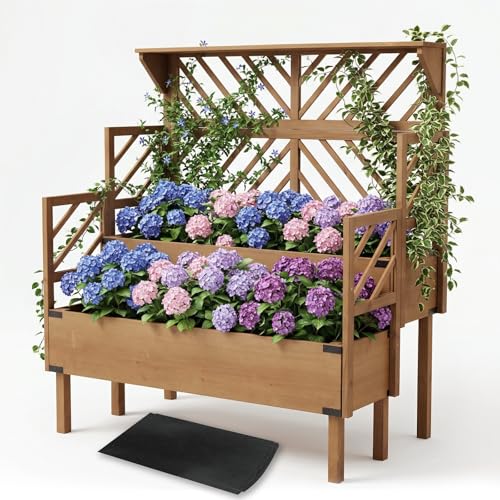
ketive 2-Tier Raised Garden Bed with Trellis and Top Shelf

Anleolife 6x3x2 ft Oval Galvanized Raised Garden Bed (Quartz Grey)

ketive Mobile Elevated Wood Planter with Lockable Wheels (55.5 x 24 x 32 in)
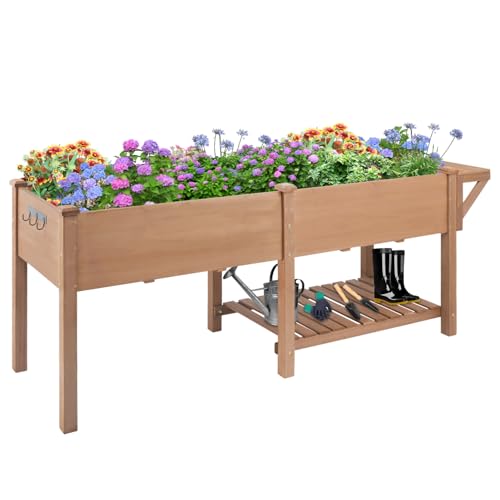
ketive Elevated Garden Box with Legs (80 x 23 x 30 in, Brown)

ketive Elevated Wooden Planter Box (33.5 x 18 x 30 in)

ketive 2-Tier Elevated Planter Box with Lattice Trellis
More Details On Our Top Picks
The 8×4 footprint is the workhorse of raised garden bed sizes, and Annoell wraps it in a corrugated Zn-Al-Mg (zinc, aluminum, magnesium alloy coated) steel shell that holds its shape through wet springs and dry summers. Eighteen inches of depth gives tomato roots room to stretch while keeping the soil cool enough for lettuce and kale. For most backyards, this is the first size worth considering before scaling up or down.
You assemble the panels with food-grade stainless hardware, and the edges arrive rolled and coated, so kids helping in the garden avoid the sharp cuts that plague cheaper metal kits. The open base drains freely into native soil, which matters more than people realize: standing water kills roots faster than drought.
Everyday Advantages
- 18-inch depth suits deep-rooted tomatoes and shallow salad greens in the same bed.
- Internal support rods keep the long sides from bowing outward once the soil gets heavy.
- Rounded, coated edges reduce the risk of nicks during assembly and harvest days.
- Mg-enriched coating helps the steel self-protect at any scratch that develops over time.
Trade Offs
- Eight feet of length demands a fairly open stretch of yard; tight side yards may need a shorter option.
- Metal conducts heat, so a midday sun reflection can warm the soil faster than wood alternatives.
Key Attributes
Made For
Family gardeners growing a mix of vegetables and herbs who want a generous bed without committing to a full backyard overhaul.
Reach For A Different Pick When
The Vego Garden 17″ Tall 4′ x 10′ Modular Metal Raised Garden Bed Kit suits you better if your harvest plans demand a deeper, longer run for heavy-feeding crops.
Vego’s 4×10 modular kit lands at the top end of raised garden bed sizes for serious home growers. The longer span accommodates crop rotation that a smaller rectangle cannot, and the 17-inch depth handles root vegetables with confidence. Where the Annoell bed in the previous slot fits one tomato family, this one lets you run a full succession of cool-weather and warm-weather crops side by side.
Modular panels mean the bed can be reconfigured as your garden evolves, which is a genuine long-term advantage for anyone who treats gardening as a multi-year project. The protective coating is engineered to last, so you can plan around it for many seasons rather than budgeting for replacement.
What Earns Its Place
- Up to 40 square feet of planting area in a single footprint, enough for an ambitious kitchen garden.
- Modular panels support multiple configurations beyond the standard 4×10 rectangle.
- Tall walls suit crops that need consistent soil depth and moisture control.
Things To Consider
- Requires more soil volume upfront, which adds to the first-season cost of filling.
- Needs two or more people to position panels during assembly, depending on your layout choice.
- You may find the length overwhelming if you only grow a handful of herbs and greens.
Right Fit For
Growers committed to feeding a household from the backyard who want a deep, long bed that anchors a multi-season rotation plan.
Skip It When
The Annoell 8x4x1.5 ft Galvanized Raised Garden Bed matches your space better, because a smaller rectangle is easier to reach across and fill with bagged soil.
Two feet of soil depth is the upgrade path for gardeners whose ambitions outgrow a standard 18-inch bed, and Anleolife’s oval shape keeps the silhouette from feeling boxy. The taller walls hold a meaningful volume of soil, which insulates roots against summer heat swings and gives carrots, parsnips, and long-rooted herbs the room they need to fork properly.
Quartz Grey sits gently in a backyard without pulling focus, and the open base lets earthworms migrate in and out, slowly improving the bed’s biology over time. For anyone tired of stunted root crops, the extra depth is the difference between frustration and a real harvest.
Where It Excels
- 24-inch depth supports root vegetables that branch or split in shallow soil.
- Oval footprint softens the visual weight against lawn and patio edges.
- Powder-coated finish over galvanized steel holds up through multiple weather cycles.
Worth Noting
- Deep soil volume means a heavier fill and a longer settling period before planting.
- Reaching the center of an 8-foot oval from one side requires some stretching.
Best Suited To
Vegetable growers who rotate root crops through the season and want one bed that handles everything from lettuce to long carrots.
Consider Something Else When
The Anleolife 6x3x2 ft Oval Galvanized Raised Garden Bed fits tighter side yards and still delivers the same 2-foot depth, which matters when length is the constraint.
Two round beds in one package open up creative layouts that single rectangular beds cannot match. Each 3-foot diameter circle is a tidy 24 inches tall, so the depth story mirrors the larger Anleolife picks reviewed above, just in a footprint that suits patios and entryways. You can flank a path, frame a bench, or split culinary herbs from pollinator-friendly flowers.
The 22-gauge steel (about 0.8mm thick) and powder coating combine to resist the moisture and UV exposure common in open yard settings. Many owners find that a pair of rounds solves problems a single rectangle would not, especially when the planting list mixes aggressive mint with delicate salad greens.
Advantages To Know
- Two separate beds let you keep invasive herbs like mint contained in their own space.
- 24-inch walls work for both shallow and medium-depth crops.
- Round shape reaches into every planting point from the perimeter, with no wasted middle row.
Soft Spots
- Smaller diameter means lower total yield per bed than rectangular picks earlier in this list.
- Two beds require two soil fills and two spots of full sun to thrive.
Who Should Grab It
Design-minded gardeners who want to break up a flat lawn with circular planting nodes and need contained beds for herbs or specimen flowers.
A Better Fit Elsewhere
The Annoell 8x4x1.5 ft Galvanized Raised Garden Bed serves you better when the goal is a single, productive rectangular bed for everyday vegetables.
Where the previous Anleolife picks spread outward, this ketive tiered unit climbs upward, doubling the planting surface within the same floor footprint. The two tiers are sized for separating crops, so deep-rooted plants can live below while herbs or trailing flowers spill over the upper level. A built-in trellis (a vertical lattice panel for climbing vines) opens the door to pole beans, peas, and small climbing roses that would sprawl across the ground in a flat bed.
For apartment patios and narrow side yards, the vertical approach is often the only realistic way to grow a meaningful amount of food. Depending on the configuration, the overall frame can run around 44 inches wide by 24 inches deep and 47 inches tall, which fits comfortably against most railings.
Practical Advantages
- Two planting tiers double usable space without doubling the floor area.
- Trellis panel gives climbing plants a dedicated support structure.
- Elevated height reduces the need to kneel or bend during routine care.
Points To Note
- Wood construction requires sealing or staining periodically to extend its outdoor life.
- Upper tier soil dries out faster than ground-level beds and may need more frequent watering in summer.
Whose Shelf It Belongs On
Balcony and patio gardeners who want to mix herbs, greens, and a few climbing crops without sacrificing their limited floor space.
Swap It Out When
The ketive Elevated Garden Box with Legs (80 x 23 x 30 in) works better for you if a single long elevated bed suits your strip of yard better than a tiered unit.
This is the smaller sibling to the 8×4 oval covered earlier, trading two feet of length for a footprint that slips into side yards and narrow lots. You still get the full 24-inch depth, so root vegetables perform as they would in a longer bed. The Quartz Grey finish matches the rest of the Anleolife line, which helps if you plan to mix bed sizes in the same garden.
Owners commonly report that the 6×3 oval becomes the dedicated herb or salad bed, leaving room in larger rectangles for tomatoes, squash, and other heavy feeders. It is a sensible middle ground in the raised garden bed sizes conversation, balancing yield against usable space.
Strong Points
- Compact 6-foot length fits where longer beds cannot, against fences or in side yards.
- Two-foot depth supports deep-rooted crops despite the smaller footprint.
- Powder-coated galvanized steel handles repeated watering cycles without visible wear.
Practical Considerations
- Smaller planting area means less total yield per bed than the 8×4 oval.
- Two-foot depth requires a meaningful amount of soil to fill on the first setup.
Who It Suits Best
Urban and suburban gardeners with limited lawn or patio area who still want deep soil for a productive kitchen garden.
Not Your Match When
The Vego Garden 17″ Tall 4′ x 10′ Modular Metal Raised Garden Bed Kit fits the bill better for larger yards that can support a 40-square-foot footprint.
Most raised beds anchor in place, which is great for permanent gardens and frustrating for renters or anyone who needs to move with the sun. This ketive unit solves that problem with lockable wheels and a lower storage shelf, giving you a planter that rolls out for morning light and tucks back against a wall by dinner. The 55.5-inch length provides a useful planting surface without dominating a small patio.
The fir wood frame carries a protective liner, which helps the wood last longer and keeps soil from sifting through the joints. For renters and rooftop gardeners, in our view, the wheel kit is the feature that justifies the upgrade over a stationary elevated bed.
The Good Stuff
- Lockable wheels let you chase the sun and rearrange the patio on a whim.
- Lower shelf stores bags of soil, tools, or pots within arm’s reach.
- Protective liner extends the life of the wood by reducing direct soil-to-wood contact.
Honest Caveats
- Wood construction requires sealing periodically to handle repeated weather exposure.
- Wheeled base sits lower than raised garden bed sizes that sit directly on soil, so the soil volume per square foot is more limited.
Made For
Renters, rooftop gardeners, and anyone who wants the freedom to reposition their planter as seasons or layouts change.
Where Another Pick Suits Better
The Annoell 8x4x1.5 ft Galvanized Raised Garden Bed works better for permanent backyard installations where mobility is not a concern.
Long, narrow beds solve a specific problem: tight side yards and fence-line strips where a wider rectangle would crowd the path. This ketive model stretches 80 inches long while keeping the depth at 23 inches, which fits a salad garden or herb row without dominating a thin patch of ground. The elevated legs raise the soil to a comfortable working height, so daily weeding does not become a back-breaking chore.
A storage shelf underneath holds soil amendments and small tools, keeping the gardening kit in one place. The brown fir wood finish blends with most deck and fence colors, which matters when the bed is visible from a kitchen window or living room.
Useful Highlights
- Long, narrow footprint fits fence lines and side-yard strips that wider beds cannot use.
- Elevated legs reduce bending for routine tasks like harvesting lettuce or pulling weeds.
- Under-shelf storage keeps tools and amendments close at hand.
Potential Sticking Points
- Narrow planting width limits what you can grow side by side, especially vining crops.
- Fir wood needs a weatherproof finish refreshed every season or two for the longest life.
Who Will Love This
Gardeners with a narrow side yard, a long balcony, or a fence line that calls for a slim bed rather than a wide rectangle.
Where A Sibling Pick Shines
The ketive Mobile Elevated Wood Planter with Lockable Wheels serves you better when you need to relocate the bed throughout the day or season.
At roughly 33 by 18 inches, this is the smallest footprint in the ketive lineup and one of the most space-efficient raised garden bed sizes overall. It slips onto apartment balconies, next to a grill, or beside a sunny window, holding a meaningful herb or salad garden without crowding the seating area. Drainage holes at the base prevent the root rot that often kills container herbs in rainy climates.
The fir wood construction is 0.7 inches thick, which provides a sturdy frame for daily use, and the reinforced corners resist the wobble that thinner wood can develop under wet soil. For most apartments, the honest read is that this size hits a sweet spot between usability and footprint.
What Pays Off
- Compact footprint fits balconies, small patios, and entryways where larger beds would crowd the space.
- Reinforced fir frame holds up to repeated watering without twisting at the joints.
- Pre-drilled drainage holes protect roots from sitting in saturated soil.
Less-Strong Areas
- Limited planting area restricts you to herbs, lettuces, and a few small flowers.
- Wood needs a weatherproof finish to maintain its appearance across seasons.
Perfect Match For
Apartment dwellers and condo owners who want a functional herb garden without sacrificing usable outdoor square footage.
Look Elsewhere When
The ketive 2-Tier Raised Garden Bed with Trellis and Top Shelf suits you better if you want vertical growing space for climbing crops alongside your herbs.
The final entry in the lineup tilts toward style without abandoning function. The lattice back panel gives climbing plants a structure to grip while creating a focal point against blank patio walls. Two planting tiers separate edibles from ornamentals, so the same bed can host kitchen herbs below and a flowering clematis above.
Modern minimal lines keep the silhouette clean, which matters in tight courtyards where the bed sits in full view from indoors. Depending on your style, the lattice either anchors a cottage garden look or softens a contemporary patio with a touch of vertical greenery.
Real-World Strengths
- Lattice back panel supports climbing plants while acting as a decorative focal point.
- Two tiers let you blend ornamental and edible plantings in the same footprint.
- Elevated design keeps the soil within easy reach for daily watering and harvest.
Possible Compromises
- Wood frame requires regular sealing to maintain its clean lines across weather cycles.
- Lattice is decorative as well as functional, but may not support the heaviest vining crops like full-size squash.
Built With In Mind
Style-conscious gardeners who want their raised bed to contribute to the patio aesthetic while still producing herbs, flowers, or compact vegetables.
Another Choice May Suit
The ketive Elevated Wooden Planter Box (33.5 x 18 x 30 in) is a cleaner fit if you prefer a simple, single-level elevated bed without the trellis element.
Sizing Up The Right Raised Garden Bed For Your Space
The first decision when comparing raised garden bed sizes is the available footprint, not the planting wish list. Measure the sunny stretch of your yard or patio before browsing, and remember that a bed needs at least 18 to 24 inches of clearance on every side for comfortable reach and maintenance. A 4-foot-wide rectangle lets you tend the middle from either edge without stepping into the bed, which protects soil structure over time.
Depth matters more than most first-time gardeners expect. An 18-inch wall handles tomatoes, peppers, and most leafy greens with room to spare. A 24-inch wall adds root vegetables like carrots, parsnips, and daikon to the menu, and it buffers the soil against rapid temperature swings during shoulder seasons. Anything shallower than 12 inches restricts you to shallow-rooted crops and dries out fast in summer.
Material choice trades aesthetics against upkeep. Galvanized steel resists rot and rodents, holds its shape under heavy wet soil, and lasts many seasons with minimal care. Wood warms up faster in spring, which gives early crops a head start, but it needs a weatherproof finish refreshed periodically. Elevated and mobile wood beds solve bending and renter concerns, while tiered units expand the planting surface upward in tight spaces.
Smart Buying Advice
Traps First Timers Fall Into
A common mistake is buying a bed that is too wide for the available reach. Anything wider than 4 feet forces you to step into the soil, which compacts it and stunts root growth. Another slip is underestimating soil volume. A 4×8 bed at 18 inches deep holds roughly 48 cubic feet of soil, so plan your soil budget before the bed arrives, otherwise you end up with a half-filled frame and a delayed start.
When Paying More Pays Off
The higher tier in this category tends to buy thicker steel, deeper soil depth, and modular construction that adapts as your garden evolves. For most gardeners, those upgrades matter most when the bed will stay in place for many years or anchor a serious kitchen garden. A simple elevated planter is the right call when the priority is a quick start with minimal commitment.
