

Tomatoes thrive when their roots stay warm, their soil drains freely, and their supports have somewhere to anchor. A raised bed gives you all three. The right one also saves your back during the long summer months of tying, pruning, and picking. The picks below cover a range of footprints, depths, and materials, so you can match a bed to your climate, your soil, and the way you actually garden.
A Snapshot Of The Selections
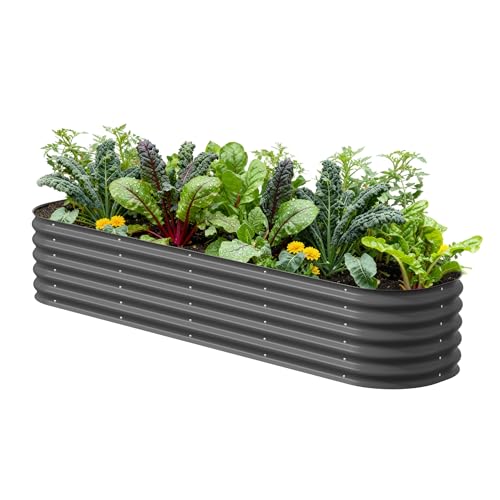
Vego garden Raised Garden Bed Kits 9-in-1 Metal Planter (Modern Gray)
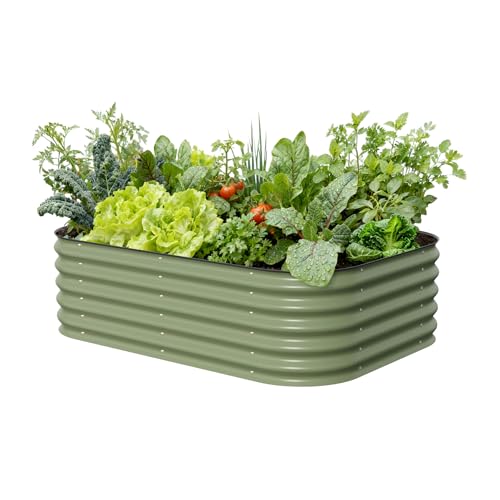
Vego garden Raised Garden Bed Kits 6-in-1 Modular Planter (Olive Green)

Kesfitt Round Raised Garden Bed 4x4x1 ft Galvanized Steel

Annoell 8x2x1.5 ft Galvanized Raised Garden Bed 18″ Tall (Moss Green)

Souwuokoo Large Elevated Plastic Raised Garden Bed Kit

Plant & Plot Galvanized Raised Garden Bed 4x2x1 ft (Silver)
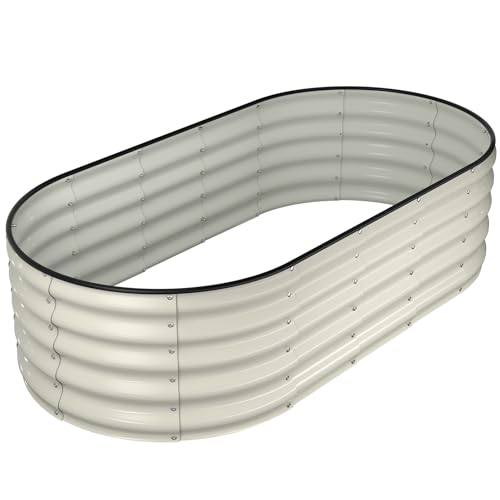
Winpull Raised Garden Bed Kit 6x3x1.5 ft with Safety Edging (Pearl White)

INNO STAGE Round Galvanized Raised Garden Beds 2x2x1 ft (3-Pack)

ONCEMORE Galvanized Raised Garden Bed Kit with Tomato Cages 6x3x1 ft

LIFETIME 60069 Raised Garden Bed Kit 4×4 ft (Brown, 3-Pack)
Why These Options Stand Out
Most raised beds lock you into a single shape the moment you open the box. The Vego garden 9-in-1 kit flips that idea on its head, letting you rearrange the same set of panels into nine different layouts before you ever break soil. For tomato growers, that flexibility matters: a long, narrow rectangle gives you a single tidy row of stakes, while an L-shape can wrap a corner and catch extra sun.
The 17-inch depth is a meaningful jump over the 10- to 12-inch beds you’ll see elsewhere, and it suits both determinate and indeterminate varieties that want room to send roots down. Compared with the lighter Souwuokoo plastic kit later in this list, this one feels like a long-term installation rather than a seasonal experiment.
What Makes Sense
- Nine configuration options from a single panel set, useful when the garden shape keeps changing
- 17-inch wall height supports deep tomato root systems and reduces bending at harvest
- Coated steel construction designed to resist corrosion over many growing seasons
- Open bottom design that lets excess water drain straight into the ground below
- Modular panels that two people can usually assemble without specialty tools
Honest Caveats
- Smaller yard layouts may end up with leftover panels, since the kit always includes enough parts for the largest configuration
- Metal sides can heat up in strong summer sun, so a layer of mulch on the soil surface helps moderate the temperature
Key Specs
Whose Garden It Belongs In
Home growers planning a permanent tomato bed who want one kit that can flex as their yard evolves.
Where Another Pick Suits Better
The Plant & Plot 4×2 ft bed is a friendlier first choice if you want something smaller and faster to assemble.
The Olive Green Vego kit shares the same 17-inch wall height as the 9-in-1 above, but trims the configuration count to six. For a smaller yard or a more straightforward garden plan, fewer layouts is actually a feature, not a limitation: you spend less time staring at diagrams and more time planting.
Owners commonly cite the heavy-duty rubber edge capping, which softens the top rim and makes leaning over to reach the far row a little friendlier on the wrists. Compared with the entry-level Plant & Plot bed, this kit costs more, but the deeper soil depth pays off quickly once indeterminate tomatoes start pushing out their deeper root masses.
Where It Delivers
- 17-inch wall depth handles deep-rooted tomato varieties with room to spare
- Rubber edge capping along the top rim reduces scrapes during frequent tending
- Six configuration options cover most common backyard footprints
- Coated steel panels resist corrosion across multi-year outdoor exposure
Trade-Offs To Consider
- Heavier panels usually mean a two-person setup rather than a solo project
- Olive green finish may weather visibly over several seasons in coastal climates with salt air
Best Match For
Growers who want a deep, long-term tomato bed and don’t mind spending a little extra time during assembly.
Skip It When
The Kesfitt 4×4 round bed is a better fit if you garden on a patio and prefer a circular footprint.
Round beds rarely make it into tomato roundups, but this 4-foot Kesfitt pulls it off by leaning into its compact footprint. A 12-inch depth handles smaller determinate patio varieties just fine, and the circular shape gives you a clean visual anchor on a deck or near a back door.
The galvanized steel panels are rust-resistant, and the open bottom design keeps water moving rather than pooling at the root zone. Against the rectangular 8-foot Annoell bed below, this one trades row-style planting for a cluster-friendly setup that suits a single tomato plant surrounded by basil or marigolds.
Everyday Wins
- Compact 4-foot diameter fits comfortably on small patios and balconies
- Galvanized steel panels hold up to repeated watering and rain
- Open bottom prevents the soggy root conditions tomatoes dislike
- 12-inch depth is enough for determinate and smaller patio varieties
Some Limits To Know
- Curved walls make it harder to attach straight stakes or rectangular trellises
Right Fit For
Patio gardeners growing a single tomato plant in a tight, defined circle.
Look Elsewhere When
The Plant & Plot 4×2 ft bed makes more sense if you want to grow two or three tomato plants in a row.
At 18 inches, the Annoell bed is the deepest option in this roundup, and that extra height pays off in two specific ways. Tomato roots have more vertical room to chase moisture during dry spells, and your back has less distance to travel every time you reach in to prune suckers or check ripeness.
The 0.85mm corrugated Zn-Al-Mg steel is paired with a magnesium-infused coating that helps scratched areas resist rust over time. Compared with the Winpull bed below, the Annoell also bundles food-grade stainless hardware and rounded crimped edges, which makes the assembly process a little easier on bare hands.
A Few Highlights
- 18-inch wall depth gives tomato roots more room to develop fully
- Magnesium-infused coating helps protect exposed scratches from rusting
- Rounded, coated edges stay friendlier around kids and pets during setup
- Internal support rods keep the long side panels from bowing outward under soil weight
Points To Keep In Mind
- Long 8-foot footprint needs a fairly clear stretch of yard or driveway space
- Filling 18 inches of depth requires more soil upfront than shorter beds
Feature Card
Best Suited To
Backyard growers who want one deep, long bed dedicated to a serious tomato harvest.
A Better Fit Elsewhere
The LIFETIME 4×4 ft kit is a more approachable option if you want a shallower bed that goes together without tools.
Plastic raised beds often get overlooked in tomato conversations because steel sounds more permanent. The Souwuokoo kit earns its spot by being genuinely lightweight, which matters when the bed has to live on a second-floor balcony or move with a renter between leases.
The reinforced PP material handles outdoor weather without rusting, and the built-in water storage tray gives roots a buffer during hot stretches. The trade-off shows up in soil depth, which is shallower than the steel options here, so this bed works best with determinate varieties or compact patio types rather than sprawling indeterminates.
What Stands Out
- Lightweight build is easy to搬 or reposition between seasons
- Water storage tray buffers plants during short dry spells
- Side drainage holes let excess water escape without drowning roots
Worth Noting
- Shallower soil profile limits the size of tomato varieties you can comfortably grow
- Plastic sides can flex outward if you heap soil too high against the walls
Made For
Renters and balcony gardeners who want a movable tomato bed without permanent modifications.
Another Choice May Suit
The Kesfitt round bed is a sturdier metal pick if your patio can support something that doesn’t move often.
The Plant & Plot 4×2 ft bed is the smallest steel option here, and that’s the point. First-time tomato growers often overestimate how much space they need, and a compact bed forces you to focus on two or three healthy plants rather than a row of struggling ones.
The patented tool-free design means the panels slot together without a drill, wrench, or spare set of hands. Compared with the modular Vego kits above, the assembly feels closer to building with large LEGO pieces, which can be a relief for anyone who has never put together a raised bed before.
The Helpful Details
- Tool-free interlocking panels keep setup to a single afternoon
- 4×2 ft footprint fits along fences, walls, or narrow side yards
- Galvanized steel build handles repeated watering without corroding
- Open base supports natural drainage into the soil below
Less Ideal Details
- 12-inch depth is shallower than the Vego or Annoell options, limiting root development for larger varieties
Who It Suits Best
New gardeners testing out their first tomato bed without committing to a large footprint.
Where Another Pick Fits Better
The LIFETIME 4×4 ft kit offers a wider planting area if you want more than two tomato plants.
Steel beds have a reputation for sharp edges, and the Winpull kit is designed specifically to undo that image. Every panel ships with rolled safety edging along the top rim, so leaning across the bed to reach a far tomato plant doesn’t end with a scraped forearm.
The 6×3 ft footprint strikes a middle ground: large enough for a small row of tomatoes, narrow enough to leave room for a path on either side. Multi-screw reinforcement along the panels helps prevent the bowing that cheaper beds sometimes develop once the soil gets wet and heavy.
Benefits That Matter
- Safety edging covers the top rim to reduce scrapes during daily tending
- 6×3 ft footprint fits a row of three to four tomato plants comfortably
- Multi-screw reinforcement keeps side panels from flexing under wet soil
- Pearl white finish brightens up smaller yards visually
Possible Compromises
- White finish may show soil splashes more visibly than darker beds after heavy rain
- Heavier than the smaller Plant & Plot bed, so plan for a two-person move once filled
Quick Technical Notes
Who Will Love This
Families with kids or pets who want a sturdier steel bed without the sharp-edge worry.
Swap It Out When
The Annoell 8×2 ft bed is a stronger choice if you want a longer row and don’t need the rounded safety edges.
Most tomato beds assume you want one large rectangle. The INNO STAGE three-pack goes the other direction and gives you three small 2-foot rounds, which works beautifully when your “garden” is a row of pots along a sunny fence.
You can dedicate one round to a single tomato, one to basil, and one to marigolds for pest control, all in matching olive green finish. The 1-foot depth keeps the soil profile shallow, so this trio is best treated as a container-style cluster rather than a serious in-ground tomato operation.
The Practical Payoff
- Three matching rounds let you separate tomatoes from companion plants cleanly
- Compact 2-foot footprint tucks into corners and along walkways
- Olive green finish blends into most garden color schemes
Where It May Fall Short
- 1-foot depth is too shallow for indeterminate tomato varieties with long root runs
- Three separate beds means three times the watering and feeding attention
Perfect Match For
Apartment gardeners splitting a sunny strip into a tomato bed and a few herb clusters.
Consider Something Else When
The Plant & Plot 4×2 ft bed gives you one continuous root zone if you’d rather not manage three small containers.
Most raised bed kits stop at the walls and leave the rest of the shopping to you. The ONCEMORE bundle keeps going, packing in two tomato cages, gloves, trellis netting, plant labels, and ties. For someone starting from scratch, that saves an afternoon of comparing accessories across different listings.
The 6x3x1 ft footprint is on the modest side, but it comfortably holds two tomato plants with a single cage each. The black finish recedes visually in the garden, which can be a plus if your eye keeps catching on louder colored beds elsewhere in this list.
Standout Benefits
- Bundled tomato cages, trellis netting, and plant labels save a separate accessory run
- Black galvanized finish reads as neutral in most garden designs
- 6×3 ft footprint is manageable in narrow side yards
Practical Considerations
- 12-inch depth is shallower than the 17- and 18-inch steel beds above
- Bundled cages may not be tall enough for vigorous indeterminate varieties past mid-season
Feature Snapshot
Who Should Grab It
First-timers who want a tomato-ready starter package without piecing together separate parts.
Not Your Match When
The Annoell 8×2 ft bed makes more sense if you want a deeper soil profile and a longer row of plants.
The LIFETIME 60069 kit breaks away from the steel theme with UV-protected HDPE panels molded to look like wood. The result is a lightweight, weather-resistant bed that doesn’t need painting, sealing, or sanding the way real wood does after a few seasons outdoors.
The 3-pack arrangement gives you three 4×4 squares, which is a clever way to organize a backyard into rotation zones, one for tomatoes this year, one for legumes, and one resting under cover crop. The 9-inch wall height is the shallowest in this roundup, so this kit works best for determinate and bush-style tomatoes rather than tall indeterminates.
Notable Upsides
- Tool-free interlocking panels make setup accessible for first-time builders
- HDPE construction resists rot, splintering, and UV damage
- Three separate 4×4 beds allow simple crop rotation year to year
Things To Weigh
- 9-inch wall height is the shallowest in this roundup, limiting root depth
- HDPE panels can flex outward if you overfill the bed with heavy wet soil
Built With In Mind
Gardeners new to raised beds who want a simple three-bed rotation system rather than one large rectangle.
Where A Sibling Pick Shines
The Plant & Plot 4×2 ft steel bed is a better fit if you want a deeper root zone in a similar small footprint.
What To Weigh Before Choosing A Bed For Tomatoes
Depth is the first number to check. Tomato roots want at least 12 inches of loose soil to branch out, and 17 to 18 inches gives you a real buffer for indeterminate varieties that push deep during hot weather. The Annoell and Vego kits here sit at the deeper end of the range, while the LIFETIME and Souwuokoo options land closer to 9 to 12 inches.
Material drives the second decision. Galvanized or coated steel handles years of wet soil without rotting, and the magnesium-infused panels on the Annoell bed add a layer of scratch protection. HDPE plastic, as on the LIFETIME kit, stays light and rust-free but trades some long-term rigidity. Wood-look finishes look great in year one and tend to need monitoring after that.
Footprint ties everything to your space. A 4×2 ft bed fits along a fence or side yard, while an 8×2 ft bed wants a clear run of lawn. Round beds like the Kesfitt and INNO STAGE options work on patios and corners where a rectangle would feel awkward. Measure the sunny spot in your yard first, then shop, since the right bed is the one that fits the space you actually have.
Finally, think about the accessories. The ONCEMORE bundle ships with cages and netting included, which removes a step for new growers. The Vego kits and the Annoell bed ship as walls only, leaving you to choose your own stakes, cages, and trellises based on how tall your chosen tomato varieties tend to grow.
Key Considerations Across These Picks
Where Shoppers Go Wrong
The most common mistake is buying a bed that’s too shallow. Determinate varieties can manage in 9 to 12 inches of soil, but most indeterminates want closer to 17 or 18 inches to fully develop. Soil depth also buffers moisture, so deeper beds dry out less quickly during July heat. Measure twice and remember that the listed wall height is usually measured from the ground, not the inside of the soil.
What The Higher Tier Buys
The premium Vego kits cost more for two specific reasons. The coated steel panel system is engineered to last 20-plus years outdoors, and the modular designs let you reconfigure the same panels if your garden layout changes. You pay for flexibility and longevity, not for a fancier color or finish. The Annoell bed earns its tier pricing through its 18-inch wall depth and magnesium scratch protection, both of which matter most for growers who plan to keep the same bed in the same spot for many seasons.
Frequently Asked Questions
What Depth Of Raised Bed Do Tomatoes Need?
Tomatoes grow best in raised beds with at least 12 inches of soil depth, and 17 to 18 inches gives you more root room and better moisture retention. Deeper beds also reduce how far you bend during harvest.
Is Galvanized Steel Safe For Growing Tomatoes?
Galvanized steel is widely used in food gardens and is considered appropriate for vegetable beds, including tomatoes. The coatings on the kits in this list are designed for outdoor soil contact and resist corrosion over many growing seasons.
Can I Put A Raised Bed Directly On Grass?
Yes, most of the beds here have open bottoms designed to sit on grass or soil directly. Laying down a layer of cardboard under the bed helps smother the grass while the roots establish themselves.
How Often Should I Water Tomatoes In A Raised Bed?
Raised beds drain faster than in-ground plots, so tomatoes often need water every two to three days during warm weather. Check the top inch of soil and water deeply when it feels dry, rather than watering on a fixed schedule.
Do Tomato Plants Need Cages In A Raised Bed?
Cages and stakes keep indeterminate tomato vines off the soil and make harvest easier. The ONCEMORE bundle includes cages in the kit, while the other options here pair well with aftermarket stakes or trellises you choose separately.
Closing Remarks
The best raised bed for your tomatoes is the one that matches your space, your soil depth needs, and how long you plan to keep the bed in place. Deep steel kits like the Annoell and Vego options handle serious harvests, while the LIFETIME and Souwuokoo picks suit smaller footprints and shorter commitments. Pick the bed that fits your yard, fill it with good soil, and your tomatoes will tell you the rest.
