

You want to grow vegetables, herbs, or flowers without wrestling with bad soil or a sore back, and a raised bed solves both problems in one weekend. The right planter keeps roots happy, drains well, and lifts the work to a comfortable height. These ten options cover everything from modular kits for ambitious gardeners to compact patio planters that fit a balcony corner.
The Leading Options At A Glance

Vego Garden Raised Garden Bed Kits (Olive Green)

Anleolife 8x4x2ft Oval Deep Root Galvanized Raised Garden Bed (Quartz Grey)

Anleolife 2-Pack 3ft x 24in Round Raised Garden Beds (Quartz Grey)
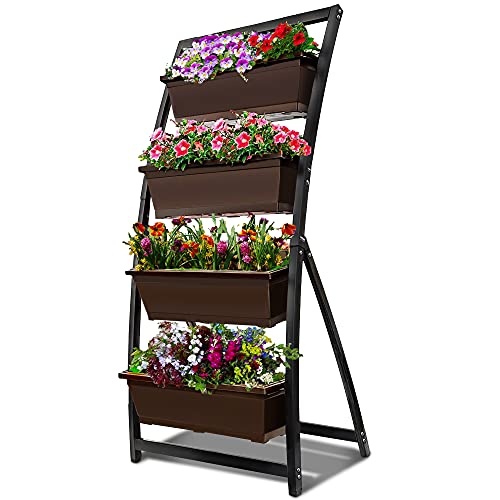
Outland Living 6-Ft Raised Garden Bed with 4 Container Boxes

ketive 2-Tier Raised Garden Bed with Legs Outdoor Elevated Garden Box

Anleolife 6x3x2ft Oval Deep Root Galvanized Raised Garden Bed (Quartz Grey)

ketive Raised Garden Bed with Lockable Wheels Mobile Elevated Wood Planter (Brown)
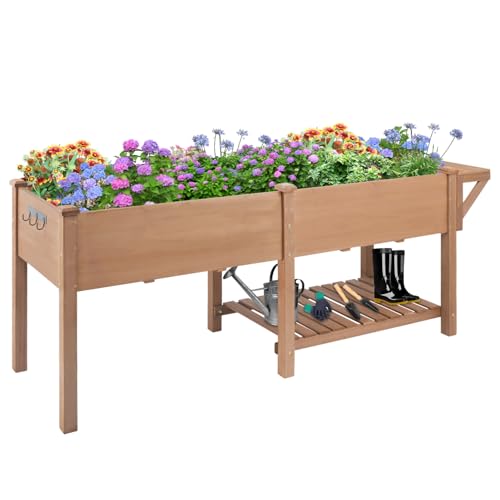
ketive Raised Garden Bed with Legs Outdoor Elevated Garden Box (Brown)

ketive Raised Garden Bed with Transparent Acrylic Side Panels

ketive Raised Garden Bed with Trellis, 2-Tier Elevated Planter Box
Meet The Standout Selections
Vego’s 9-in-1 kit is the most adaptable pick on this list. The same panels can be snapped into nine different layouts, including the standard 8-by-2-foot rectangle, so you can match an awkward corner without trimming panels.
The 17-inch depth gives tomatoes, peppers, and root crops enough vertical room to stretch out, and the steel build shrugs off weather better than wood. You may want a helper for the initial assembly, since the panels lock together with overlapping edges that reward a careful first pass.
The Case For It
- Nine configurations from a single kit, ideal for irregular garden footprints
- Coated steel resists rust through wet seasons
- 17-inch depth supports deeper-root crops without extra excavation
- Modular panels grow with you if you add a second kit later
Honest Caveats
- The olive green color shows water spots until the coating weathers in
- Hardware bag can include extra fasteners, which slows a first-time build
Feature Snapshot
Whose Garden It Belongs In
Backyard growers who want one kit that adapts as planting plans shift from season to season.
Consider Something Else When
The Anleolife 8x4x2ft Oval Deep Root Galvanized Raised Garden Bed suits anyone who needs a taller 24-inch profile for carrot beds.
The Anleolife 8x4x2ft oval is a workhorse, plain and simple. At 24 inches tall, it carries roughly 478 gallons of soil, so carrots, parsnips, and deep-rooted herbs have real depth to work with.
The oval shape softens the footprint against a lawn and removes the sharp corners that can snag a wheelbarrow. The corrugated galvanized steel with its powder-coat finish holds up across freeze-thaw cycles, and the open bottom means roots can reach native soil for drainage.
Where It Helps
- 24-inch wall depth suits deep-root vegetables
- Oval shape integrates cleanly into curved garden layouts
- Corrugated steel adds rigidity against soil pressure
- Powder-coated finish limits rust on cut edges
Trade Offs
- Requires a substantial soil fill on day one
- Color option availability can vary between restocks
Quick Facts
Made For
Vegetable growers planting long-season crops that need uninterrupted root depth.
A Better Fit Elsewhere
The ketive Raised Garden Bed with Lockable Wheels suits anyone who wants mobility over maximum depth.
Two round beds in one shipment gives you a matched pair without ordering separately. The 3-foot diameter fits cleanly beside a doorway, and the 24-inch depth matches the taller oval above.
Owners commonly place one bed near the kitchen for culinary herbs and the second for pollinator flowers. The powder-coated galvanized finish matches the larger Anleolife pieces if you decide to expand your setup later.
A Few Highlights
- Two identical beds keep planting symmetrical
- Round footprint reads softer in a cottage-style yard
- Same 24-inch depth as larger Anleolife beds
Smaller Limitations
- Round shape uses soil less efficiently than rectangles
- Two-pack weighs more at delivery than single beds
Right Fit For
Gardeners pairing herbs and flowers in symmetrical arrangements.
Skip It When
The Anleolife 6x3x2ft Oval Deep Root Galvanized Raised Garden Bed gives you more linear planting space for a single bed.
Outland Living’s vertical planter stacks four separate grow boxes into a six-foot-tall frame, giving roughly ten linear feet of planting in just six square feet of floor space. For renters and balcony gardeners, that vertical reach is the entire appeal.
Each box sits at a comfortable arm height, so watering and pruning don’t require bending. The freestanding design moves easily between indoor and outdoor settings, and the steel frame handles weather exposure without complaint.
Real-World Strengths
- Stacked design maximizes yield per square foot
- Freestanding, no deck railing required
- Multiple boxes separate herbs from ornamentals cleanly
- Suitable for both patio and indoor placement
Things To Consider
- Lower boxes still need crouching for harvest
- Weight capacity per box is lower than full beds
Best Suited To
City dwellers and renters who need to grow upward rather than outward.
Look Elsewhere When
The Vego Garden Raised Garden Bed Kits fits anyone with yard space who wants in-ground depth.
The ketive 2-Tier design separates the planting surface into a lower box and an upper shelf, which doubles usable space on a small patio. It’s a smart layout for anyone mixing shallow-root lettuce on top with deeper greens below.
The legs raise the planter to a workable level for most adults, and the fir construction handles outdoor use with routine sealing. Depending on what you plant, you may want to line the lower box to extend its lifespan.
Useful Highlights
- Two growing surfaces in a single footprint
- Leg height removes most bending during routine care
- Compact dimensions suit condo patios
Less-Strong Areas
- Fir wood benefits from seasonal sealing to last longer outdoors
- Lower tier sits closer to ground splash and moisture
Perfect Match For
Patio growers mixing lettuces and herbs in a tight footprint.
Another Choice May Suit
The ketive Raised Garden Bed with Transparent Acrylic Side Panels appeals if you enjoy watching root development happen in real time.
This is the smaller sibling to the 8×4 oval, with the same 24-inch depth but a more compact 6-by-3 footprint. It fits narrower side yards where the larger oval would crowd a walkway.
The open base lets excess moisture move into the ground below, which prevents the soggy-bottom problem that sealed planters sometimes develop. Same powder-coated steel, same low-maintenance ownership story.
Noteworthy Benefits
- Compact oval fits side-yard planting strips
- 24-inch depth matches larger Anleolife beds
- Open base encourages natural drainage
Points To Note
- Smaller footprint means fewer rows for larger crops
- Color may weather unevenly in direct southern sun
Spec Overview
Who Should Grab It
Family gardeners with a narrow side-yard who still want deep planting depth.
Reach For A Different Pick When
The Anleolife 8x4x2ft Oval Deep Root Galvanized Raised Garden Bed gives you more row space if the yard allows it.
The four lockable wheels are the headline feature here. You can roll the bed to chase morning sun, slide it under cover during a hailstorm, then park it back on the patio when the weather clears.
The lower storage shelf holds soil bags, tools, and pots, which keeps the deck tidy. A protective liner separates the wood from wet soil and slows the wear that untreated fir experiences over time.
Points In Its Favor
- Lockable wheels reposition the bed without lifting
- Lower shelf adds tool and soil storage
- Protective liner extends wood life
- Fir construction weathers into a soft silver patina
Things That May Matter
- Wood construction needs sealing for multi-season durability
- Wheels work best on smooth patio surfaces
Who It Suits Best
Sun-chasers and renters who may want to relocate the bed between seasons.
Swap It Out When
The ketive 2-Tier Raised Garden Bed with Legs Outdoor Elevated Garden Box gives you more planting tiers in a stationary frame.
The 80-inch length is the standout. That’s enough room for a proper herb row, several tomato cages, or a cut-flower cutting garden without cramping the plants.
The lower storage shelf doubles as a potting bench when you’re starting seeds, and the protective liner keeps soil moisture away from the fir frame. The upgraded W-shaped metal brackets at the joints reduce wobble, though some older inventory may arrive without that reinforcement.
Everyday Wins
- Generous 80-inch planting surface for mixed crops
- Storage shelf doubles as a work surface
- Leg height eases back strain during weeding
Practical Considerations
- Long frame may not suit narrow balconies
- Older stock may lack the upgraded bracket hardware
Right Fit For
Backyard growers with deck space to spare and an interest in mixed-row planting.
Where A Sibling Pick Shines
The ketive Raised Garden Bed with Lockable Wheels suits anyone who values mobility over length.
The clear acrylic panels turn this raised bed into a learning tool. You can watch root systems develop, check soil moisture without guessing, and observe the layers in your soil mix as seasons pass.
It works equally well for kids learning how plants grow and for seasoned gardeners fine-tuning a soil blend. The fir frame, lower storage shelf, and protective liner mirror the other elevated ketive beds on this list.
What Helps Most
- Transparent walls make root growth visible
- Useful educational tool for young gardeners
- Same elevated frame as other ketive models
Honest Caveats
- Acrylic can scratch if cleaned with abrasives
- Clear walls show every bit of algae or mineral staining
Feature Rundown
Best Suited To
Curious growers and families who enjoy watching the science of growing happen in plain sight.
Not Your Match When
The Anleolife 6x3x2ft Oval Deep Root Galvanized Raised Garden Bed suits anyone prioritizing planting volume over visibility.
The lattice trellis at the back of this bed gives climbing plants something to grip without an extra stake purchase. Beans, peas, sweet peas, and morning glories will weave through the slats without fuss.
The two-tier layout adds variety: ground-level herbs up top, root crops below. The minimalist wood frame fits modern patios and cottage gardens alike.
Features That Help
- Built-in trellis supports vining crops without extra stakes
- Two planting tiers in a slim footprint
- Minimal styling suits modern and cottage layouts
Soft Spots
- Lattice is decorative rather than heavy-duty structural
- Tall vines can catch wind in exposed locations
Who It Suits Best
Growers planting climbing flowers or pole beans alongside compact kitchen herbs.
Look Elsewhere When
The ketive Raised Garden Bed with Legs Outdoor Elevated Garden Box gives you a simpler, longer platform without trellis hardware.
What To Weigh Before Picking Your Bed
Choosing the right raised garden bed comes down to where it lives, what you want to grow, and how much bending your back tolerates. Start with footprint, since a bed that overflows a balcony corner never gets used the way you hoped. Match wall height to your crops: 17 inches handles most vegetables, while 24 inches gives carrots and parsnips the depth they crave.
Material matters more than color over time. Galvanized steel shrugs off rain and snow but heats up under direct sun, which matters for southern exposures. Fir wood feels warmer and weathers attractively, but needs occasional sealing to last beyond a few seasons. For patio use, elevated beds with legs protect the surface underneath and remove most of the bending, while ground-level kits give deeper soil for ambitious root systems.
Think about accessibility too. If reaching the far side of a long bed becomes a daily chore, shorter or vertical layouts save frustration. For families with kids, lower boxes invite participation without risky climbing. For renters, lighter elevated designs are easier to move when leases end. Drainage is another quiet factor: open-bottom beds let excess water escape into native soil, while closed-bottom planters need careful watering to avoid soggy roots.
Key Considerations Across These Picks
Pitfalls Shoppers Hit
Underestimating soil volume is the most common surprise. A 4-by-8 oval at 24 inches tall swallows close to 500 gallons of soil, which adds up in both cost and delivery weight. Plan for that fill before the bed arrives. Another frequent misstep is placing a wood bed directly on a lawn without a liner, which lets grass and weeds push up through the bottom. A layer of cardboard or landscape fabric stops that before the first season ends.
Where The Extra Money Goes
Higher-tier steel beds typically use thicker gauges of galvanized steel and multi-layer coatings that resist corrosion for a decade or more. Premium wood beds lean on rot-resistant cedar or fir with upgraded bracket hardware that prevents the wobble cheaper frames develop after a wet season. The upgrade pays off when the bed sits in full sun, heavy rain, or close to a sprinkler zone, since cheaper materials weather faster in those exact conditions. For a shaded patio with light use, a budget option can serve you well for years before that gap matters.
Frequently Asked Questions
How deep should a raised garden bed be for vegetables?
For most leafy greens and herbs, 12 inches of soil is enough to keep plants happy. Root crops like carrots and parsnips prefer 18 to 24 inches so the taproot has room to grow straight down. Tomatoes and peppers do well in 17 to 24 inches.
What is the best material for a raised garden bed?
Galvanized steel is durable, low-maintenance, and holds up well in wet climates. Cedar and fir offer a warmer look and can last many seasons when sealed, though they need occasional upkeep. The honest read is that material choice depends on your climate and aesthetic preference more than any single winner.
Do raised garden beds need a bottom?
Open-bottom designs drain naturally and let roots reach native soil, which is helpful for long-term plant health. Closed-bottom planters are better for decks and patios where you want to protect the surface below. Both approaches work when matched to the right location.
Can raised garden beds be placed on a deck or balcony?
Elevated planters with legs are designed specifically for decks and balconies, since they distribute weight and protect the surface underneath. Ground-level beds work too, but check your deck’s weight rating for a fully loaded bed, since wet soil gets heavy fast.
How do you keep a raised garden bed from drying out?
A two- to three-inch layer of mulch on top of the soil slows evaporation and keeps roots cooler. Watering in the early morning reduces midday loss, and adding compost to the soil improves its water-holding capacity over time.
Wrap Up
The best raised garden bed is the one that fits your space, matches your crop list, and gets used often. Start with the footprint you can spare, choose wall depth for what you actually want to grow, and pick a material that suits your climate. The right bed quickly becomes the most-used corner of your yard.
