

Raised beds demand a different kind of growing medium than in-ground plots, because the soil has to do all the work the earth would normally handle. Drainage, moisture retention, and nutrient density matter more in a confined box than anywhere else in the garden. Choosing the wrong blend leads to compacted roots, sad tomatoes, and more watering than you signed up for. This shortlist breaks down ten soils and amendments that genuinely help raised beds thrive, from compressed coco coir to organic worm castings and specialty blends.
How The Shortlist Stacks Up

MODELLOR Coco Coir Bricks, 4-Pack (5 lb)

FarmTek Horticultural Vermiculite Planting Soil Additive, 4-Cubic Feet

Earth Science Earthworm Castings, 3 lb

FoxFarm Ocean Forest Potting Soil, 1.5 cu ft

Compressed Organic Potting Soil for Garden, Plants & Vegetables

Worm Bliss (1 Qt) Organic Worm Castings

Espoma Organic Garden Lime, 5 lb. Bag, 2-Pack
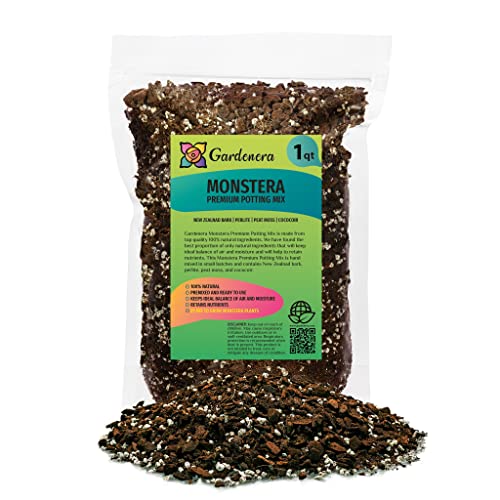
Gardenera Premium Monstera Potting Soil, 1 Quart

Gardenera Professional Monstera Spray Fertilizer Mist, 8 oz

Gardenera Professional Monstera Organic Superfood Spray Mist, 8 oz
A Breakdown Of The Leading Choices
Raised beds that lean toward seedlings or small transplants benefit from a medium that holds moisture without suffocating roots, and MODELLOR Coco Coir Bricks step into that role with a tidy, shelf-friendly package. Each brick hydrates into a fluffy, peat-free growing medium, so a four-pack covers a respectable stretch of bed without taking up much storage room.
For apartment balconies, classroom trays, or anyone starting tomatoes indoors before the last frost, the compact brick form factor is genuinely easier to handle than wrestling a torn bag of loose mix.
Why It Works Well
- Four compressed bricks expand into up to 9 gallons of finished medium, enough for several seed trays or a small raised bed refresh.
- Triple-washed, low-EC (electrical conductivity, a measure of soluble salt content) coir reduces the risk of salt burn on tender seedlings.
- pH-balanced starting point means less tinkering for crops that prefer a neutral root zone.
- Peat-free composition appeals to gardeners avoiding bog-harvested ingredients.
- Lightweight bricks store on a shelf without busting the back when you carry them to the patio.
Things To Consider
- Coir on its own contains almost no nutrients, so plants still need a feeding program once true leaves appear.
- Hydration takes a few minutes per brick and uses a meaningful amount of warm water; planning ahead helps on busy weekends.
Best Suited To
Beginners starting seeds indoors, small-space gardeners refreshing raised beds each season, and anyone avoiding peat-based products will find the brick format approachable.
Look Elsewhere When
Vegetable gardeners wanting nutrient density straight out of the package should reach for FoxFarm Ocean Forest Potting Soil instead.
Vermiculite, a heat-expanded mineral that soaks up moisture like a sponge, has long been a quiet workhorse behind thriving raised beds, and FarmTek’s four-cubic-foot bag gives serious gardeners enough volume to amend multiple beds at once. Where MODELLOR’s coco bricks suit a couple of seed trays, this bag leans into the kind of bulk mixing that fills a 4×8 raised bed comfortably.
You can blend it into homemade mixes or top-dress established beds that have compacted over a season.
Strong Points
- Mineral-based and sterile, so it won’t introduce weed seeds or pathogens into your bed.
- Holds water and nutrients in the root zone, lengthening the time between waterings during summer.
- pH-neutral profile doesn’t fight the chemistry of your existing blend.
- Four-cubic-foot volume suits gardeners with several raised beds rather than a single container.
Trade Offs
- Vermiculite is an additive, not a complete soil, so you still need organic matter alongside it.
- The bag is bulky and dusty during pouring, which some gardeners find messy indoors.
Who It Suits Best
Serious raised bed builders mixing custom soil blends and growers managing multiple beds will appreciate the bulk size.
Skip It When
Someone tending a single small patio planter should grab Organic Plant Magic’s compressed soil for simpler handling.
Earthworm castings, the nutrient-rich excrement worms leave behind as they digest organic matter, are arguably the gentlest soil amendment you can add to a raised bed, and Earth Science’s three-pound bag brings that benefit to vegetable growers without overwhelming the bed. Castings work as a top-dress, a transplant mix-in, or a compost tea starter.
Compared with FarmTek’s mineral vermiculite, this is the biological side of the soil-building equation, and the two complement each other nicely.
A Favorable Mix
- Slow-release nutrient profile feeds plants without the burn risk of synthetic fertilizers.
- Adds organic matter that improves both water retention and drainage in tired beds.
- Supports microbial life in the root zone, which strengthens long-term soil structure.
- Three-pound pouch is approachable for gardeners testing castings for the first time.
Worth Noting
- Castings work best as a supplement, so you still need a base soil underneath.
- Strong earthy odor during application can catch first-time users off guard.
Made For
Vegetable gardeners rebuilding tired beds and anyone wanting organic matter without synthetic inputs will find this a solid starter.
Not Your Match When
Houseplant-only growers should skip toward Worm Bliss or the Gardenera Monstera blends for more targeted nutrition.
FoxFarm’s Ocean Forest is one of those rare blends that feels ready to grow the moment you open the bag, and it earns its reputation among raised bed growers for good reason. The light, aerated texture, where aeration refers to the air pockets between soil particles that roots need to breathe, suits everything from salad greens to container tomatoes, making it a versatile workhorse for mixed plantings.
Where earlier picks focused on individual amendments, this bag delivers a complete growing medium in a single pour.
Positive Takeaways
- Ready to use straight from the bag, no mixing required for most container applications.
- Blend of earthworm castings, fish meal, and crab meal delivers nutrients gradually over weeks.
- Light texture resists compaction even after a full season of watering.
- 1.5 cubic foot bag fits easily in a wheelbarrow for single-bed top-ups.
Small Caveats
- Some gardeners notice gnats or fungus activity in the first week as the organic components activate.
- On its own, it can be rich for very young seedlings, so dilution with coir helps.
Feature Snapshot
Right Fit For
Mixed-vegetable raised beds and container gardens where one bag needs to support a variety of crops.
Reach For A Different Pick When
Houseplant-only growers focused on aroids like Monstera should pivot to Gardenera Premium Monstera Potting Soil for chunkier drainage.
Storage is the silent problem of bagged soil, and Organic Plant Magic tackles it head-on by compressing everything into lightweight granules that expand up to four times their volume with water. A small apartment gardener or weekend-only waterer can tuck the bag into a closet without dedicating half a closet to peat.
It blends coconut coir with worm castings, so you’re getting organic matter and biological nutrition in a single package.
The Good Stuff
- Compressed form factor saves significant shelf space versus traditional bags.
- Mixes up to roughly three gallons of finished soil from a small starting volume.
- Resealable bag keeps unused granules fresh between sessions.
- Coconut coir base adds water retention without the weight of traditional potting mixes.
A Few Limitations
- Smaller finished volume means larger raised beds need multiple bags.
- Granules need thorough stirring during hydration to avoid dry pockets.
Who Will Love This
Apartment gardeners, indoor herb growers, and anyone short on storage space will find the compressed format a relief.
Consider Something Else When
Filling a full-size backyard raised bed calls for FoxFarm Ocean Forest Potting Soil or FarmTek Vermiculite by the cubic foot.
Worm Bliss brings something Earth Science Castings doesn’t always emphasize: OMRI-listed status, meaning it has been reviewed and approved for certified organic production by the Organic Materials Review Institute. For gardeners who track their inputs carefully or sell produce under an organic label, that listing carries real weight.
The one-quart size suits smaller beds or container systems where precision matters more than volume.
Features That Help
- OMRI-listed certification supports organic gardening compliance.
- Vegan, manure-free castings appeal to gardeners avoiding animal byproducts.
- Rich in nitrogen, phosphorus, and potassium alongside trace minerals.
- Compact one-quart pouch is easy to measure for small applications.
Room For Improvement
- Smaller volume means larger beds need several jars, raising the per-application cost.
- Still an amendment, so a base soil is required underneath.
Perfect Match For
Certified organic growers, vegan gardeners, and anyone tracking inputs for compliance reasons will appreciate the listing.
Where Another Pick Suits Better
Backyard vegetable beds needing bulk nutrition are better served by Earth Science Earthworm Castings in the larger three-pound pouch.
Lime lives in a different corner of the soil-building world, addressing chemistry rather than nutrition. Espoma’s organic garden lime, made from pelletized dolomitic lime (a powdered limestone pressed into easy-spread pellets), raises the pH of acidic raised beds and adds calcium and magnesium in the same pass. Gardeners with blue hydrangeas who want pink blooms rely on this kind of adjustment, and the two-pack format covers multiple beds.
Key Advantages
- Approved for organic gardening as a registered Organic Input Material.
- Pelletized format spreads easily without the powdery mess of traditional lime.
- Adds calcium, which helps prevent blossom end rot in tomatoes and peppers.
- Two-pack provides enough material for several beds or seasonal maintenance.
Things To Weigh
- Over-application can swing pH too far, so testing soil beforehand matters.
- Slow-acting mineral means results take weeks rather than days.
Quick Facts
Whose Shelf It Belongs On
Vegetable gardeners chasing blossom end rot prevention and hydrangea growers chasing pink blooms will find this a useful addition.
A Better Fit Elsewhere
Anyone focused on building organic matter rather than adjusting chemistry should stick with Worm Bliss or Earth Science Castings.
The raised-bed mindset applies to indoor tropicals too, especially Monsteras and other aroids (plants in the family Araceae, which includes Monsteras, philodendrons, and anthuriums), which demand a chunky, well-draining blend rather than a moisture-holding vegetable mix. Gardenera’s one-quart bag delivers exactly that: a coarse mix of peat moss, perlite, coco coir, biochar, worm castings, and bark that keeps roots breathing.
Good Reasons To Consider
- Quick-draining formula helps prevent the brown spots and root rot Monstera owners dread.
- Biochar and bark add long-lasting structure that resists compaction over time.
- Worm castings provide gentle baseline nutrition for newly potted plants.
- One-quart size suits a single repotting without leftovers going stale.
Practical Considerations
- Specialty blend costs more per quart than general-purpose soils, which matters for large collections.
- Some growers prefer to mix their own aroid blends for cost savings.
Built With In Mind
Monstera, philodendron, and other aroid owners repotting a single plant will find this blend ready to use out of the bag.
Swap It Out When
Backyard raised bed builders are better served by FoxFarm Ocean Forest Potting Soil’s broader nutrition.
Foliar feeding, where a nutrient solution is misted directly onto leaves for fast absorption, complements soil feeding rather than replacing it, and Gardenera’s 3-1-2 spray mist targets Monstera foliage specifically. The 3-1-2 ratio refers to the proportions of nitrogen, phosphorus, and potassium in the formula, a mild blend that supports leafy growth without overwhelming the plant.
Compared with the previous Gardenera potting soil, this is a routine maintenance product rather than a foundational medium.
Bright Spots
- Gentle 3-1-2 nutrient ratio suits Monstera’s preference for mild feeding.
- Spray format reaches leaves that soil drenches miss.
- Eight-ounce bottle is portable for plant shelves and small collections.
- Free from harsh chemicals in the formulation, fitting an indoor gardening routine.
Honest Caveats
- Spray mists supplement but cannot replace a balanced soil base for long-term health.
- Needs consistent application to deliver meaningful results.
Who Should Grab It
Monstera owners wanting a quick foliar boost between soil feedings will appreciate the convenience of a spray format.
Where A Sibling Pick Shines
Gardenera Premium Monstera Potting Soil handles the foundational work better for newly potted plants.
The Organic Superfood Mist builds toward a more ambitious routine: 18 balanced nutrients, including poultry-based components, plus micro-fungi enrichment for the leaf surface. Compared with the simpler 3-1-2 spray, this formula targets a richer biological profile rather than just basic N-P-K (nitrogen, phosphorus, potassium) feeding, which appeals to indoor gardeners chasing glossy split leaves.
Where It Delivers
- 18 nutrient profile covers trace elements basic fertilizers often skip.
- Micro-fungi enrichment supports leaf-surface biology beyond simple feeding.
- Organic formulation aligns with chemical-free indoor gardening goals.
- Spray format fits cleanly into a weekly leaf-care routine.
Trade-Offs To Consider
- Higher nutrient density may be more than casual plant owners need.
- Poultry-derived components rule it out for vegan gardening routines.
Feature Card
The Right Fit
Monstera enthusiasts committed to a richer organic feeding routine will find the broader nutrient profile compelling.
Another Choice May Suit
Vegan indoor gardeners should pivot to Worm Bliss for plant nutrition that aligns with their values.
What To Weigh Before Filling Your Raised Bed
A raised bed rewards gardeners who match the medium to the crop, because the same soil that suits a tomato won’t satisfy a hydrangea. Drainage matters most: vegetables prefer loamy, organic-rich blends like FoxFarm Ocean Forest, while aroids need chunky, airy mixes like Gardenera’s Monstera blend. Moisture retention comes next, and that’s where vermiculite, coco coir, and worm castings earn their place.
Nutrient density varies wildly across this list. FoxFarm delivers a complete feed out of the bag, while MODELLOR’s coco coir provides almost none and waits for the gardener to supplement. Organic certification splits the field further, with Worm Bliss and Espoma Garden Lime carrying OMRI listings for certified production. pH management is its own discipline, and Espoma’s pelletized lime covers acidic beds that hold blueberries or hydrangeas poorly.
For small patios, compressed options like Organic Plant Magic save storage. For multi-bed gardeners, FarmTek’s four-cubic-foot vermiculite and FoxFarm’s larger bags cut down on constant reordering.
Key Considerations Across These Picks
Wrong Turns To Avoid
Buying the cheapest bag without reading the ingredient list often means peat-heavy mixes that compact quickly in raised beds. Another common slip is treating worm castings as a complete soil rather than an amendment layered on top of a base medium. New raised bed builders also tend to skip pH testing, which matters more than most realize for hydrangeas, blueberries, and tomatoes alike.
What The Higher Tier Buys
Premium blends like FoxFarm Ocean Forest deliver worm castings, fish meal, and crab meal together, sparing you the cost of buying each separately. Specialty products like the Gardenera Organic Superfood Mist carry nutrient profiles basic fertilizers skip, which matters for indoor collections where leaf quality signals overall plant health. Paying up front typically means less supplementation later.
Frequently Asked Questions
How much soil does a typical raised bed need?
A 4×8-foot bed at 12 inches deep holds roughly 32 cubic feet of growing medium, so most gardeners order two to four bags of bulk soil plus targeted amendments.
Can I mix different soils and amendments together?
Yes, blending FoxFarm with vermiculite and worm castings is a common approach that balances nutrition, drainage, and organic matter in one pass.
Do organic certifications like OMRI matter for home gardeners?
They reassure you that no synthetic chemicals were used, which helps if you grow food for sensitive households or follow organic principles personally.
How often should I replace raised bed soil?
Top-dressing each season with compost or worm castings is usually enough, though a full refresh every three to five years prevents severe compaction and nutrient depletion.
Is compressed soil worth the savings on storage?
For apartment gardeners and small patios, yes; the compressed format genuinely saves shelf space, though larger beds end up needing many packets.
Bottom Line
Raised beds thrive when the medium matches the crop and the gardener’s routine. Coir bricks and vermiculite handle structure, worm castings and lime handle biology and chemistry, and specialty blends like FoxFarm or Gardenera’s aroid mixes handle complete, ready-to-use nutrition. Pick the foundation that fits your space, then layer amendments based on what you’re growing.
