

There’s a reason crape myrtles anchor so many Southern yards. A well-placed red variety pumps out six to ten weeks of saturated color when most ornamentals look tired, handles clay and drought once established, and asks for almost nothing in return. The lineup below leans into that sweet spot: trees sized for real residential lots, shipped in containers so they transplant cleanly, and matched to USDA zones where they actually thrive. A couple of picks are dwarf cultivars for tight beds, one is a multi-pack for fence-line planting, and one is a red yucca (a popular companion plant) for gardeners building a hot-color bed around a myrtle. Each entry below explains the trade-off in plain terms, so you pick the plant that fits your space and not someone else’s yard.
A Quick View Of The Lineup

Black Diamond Red Hot Crape Myrtle (3 gal)
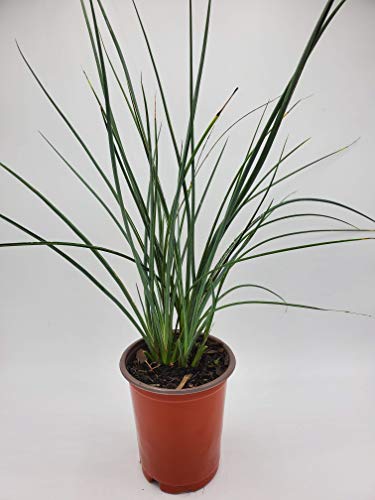
Red Yucca (Hesperaloe parviflora) 6-Pack

Black Diamond Radiant Red Crape Myrtle (3 gal)
Black Diamond Crape Myrtle Crimson Red (3 gal)
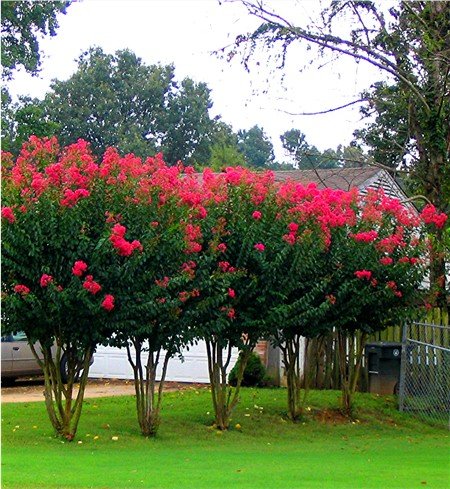
6-Pack Red Flowering Crape Myrtle Quart Trees

Tonto Crape Myrtle Dwarf Tree (Southern Charm)

American Plant Exchange Black Diamond Red Hot (3 gal)
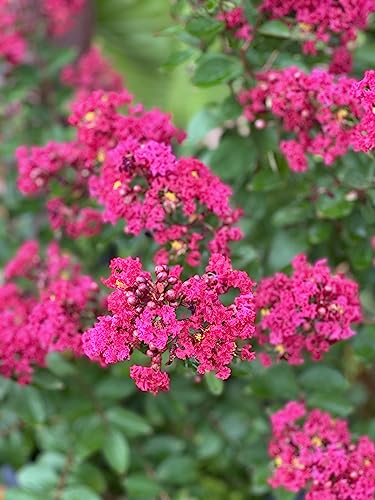
4-Pack Red/Fuchsia Crape Myrtle Quart Trees

Natchez Crape Myrtle White 3 gal (1 ft)

Dynamite Crape Myrtle 1-2 ft (DAS Farms)
More Details On Our Top Picks
For gardeners who want a crape myrtle that does more than bloom, the Black Diamond Red Hot pairs near-black foliage with vivid red flower clusters, giving the tree a moody, layered look from spring through frost. The plant ships at 1-2 feet in a 3-gallon nursery pot with a multi-stem habit, which means you can shape it as a small tree or let it run shrubby along a fence. It matures into a sizeable specimen in USDA zones 7 through 9, so it suits most of the South and warm-edge transition zones.
If your yard already has green-leafed ornamentals and you want one plant that punches through the background, this is the move. Compare it to the bare-bones Dynamite entry further down: that one offers pure red blooms on standard green leaves, while Red Hot trades some of the bloom volume for that dramatic dark-leaf contrast.
Positive Takeaways
- The dark foliage stays interesting even when the blooms fade, so the plant earns its space year-round.
- Multi-stem form means you can let it go shrubby for a privacy screen or train it up into a clean small tree.
- Container-shipped root ball transplants cleanly with minimal transplant shock.
- Heat and drought tolerance make it a low-drama choice once the first summer is past.
Trade Offs To Consider
- Cannot be shipped to CA, AZ, AK, or HI, which cuts off the West Coast and tropical zones entirely.
- Black-leaf varieties can read as sparse if you skip annual shaping; a light late-winter prune keeps the canopy full.
- Bloom color reads more crimson than fire-engine red, so set expectations against a true-red variety like Dynamite.
Who It Suits Best
Design-minded gardeners in zones 7-9 who want a single specimen that earns its place twelve months a year.
Look Elsewhere When
You live outside the shipping zone, in which case the Dynamite Crape Myrtle from DAS Farms offers a similar red-bloom focus with broader availability.
Red yucca isn’t a crape myrtle, but it’s the perennial that experienced Southern gardeners pair with one. Hesperaloe parviflora sends up tall, slender flower spikes in coral-red from a clump of soft, grass-like evergreen foliage, and it thrives in the same hot, dry beds where myrtles shine. The 6-pack ships live plants in quart containers at 6-12 inches tall, with established fibrous roots that handle transplanting better than bare-root stock.
Mature foliage tops out around 2-3 feet, and once established, the bloom spikes can reach 4-6 feet, putting real vertical interest at eye level. The hummingbirds will find them, which is half the appeal.
A Few Highlights
- Evergreen foliage keeps the bed looking alive in winter when the myrtles are bare.
- Six plants give you enough material to line a path or fill a hot corner without buying singles.
- Quart containers with intact root balls transplant with minimal stress in any season but deep winter.
- Drought tolerance after establishment means almost no supplemental watering once the bed settles in.
Honest Caveats
- Not actually a yucca despite the common name; folks who buy expecting rigid yucca leaves are sometimes surprised by the softer arching foliage.
- Flower spikes take a year or two to reach their full 4-6 foot height, so the first summer looks modest.
- Plants arrive 6-12 inches, which is small enough that shipping stress can show as yellowing tips; expect some recovery time.
Made For
Hot, dry beds and pollinator gardens in zones 6-10 where you want long-blooming companions around a taller crape myrtle.
Consider Something Else When
You want a true small tree for a container patio, in which case the Tonto Crape Myrtle is a tighter fit.
Where the Red Hot leans compact and architectural, the Radiant Red leans vertical. The mature height range lands at 15-20 feet, which puts it in privacy-screen and shade-tree territory rather than foundation-shrub territory. The dark-leaf genetics carry over from the Black Diamond line, but the bloom clusters push the saturated crimson color in dense, long-lasting panicles from midsummer into early fall.
For yard layouts with second-story windows, this is the one that actually fills the view. Compared to the smaller Crimson Red entry, Radiant Red gives up some of that tidy hedge behavior in exchange for serious height.
What Pays Off
- 15-20 foot mature height provides real screening value along property lines.
- Dark foliage holds color through summer heat without washing out.
- Long bloom window from midsummer into early fall stretches the color payoff.
A Few Limitations
- Cannot ship to CA, AZ, AK, or HI, so Western gardeners need to source locally.
- Reaches a mature height that demands spacing; planting too close to a structure means annual pruning you’ll resent.
- Zones 7-9 only, so cold-edge gardeners should look at hardier picks.
Feature Snapshot
Right Fit For
Homeowners with room to spare who want a tall, dark-leaf specimen that doubles as a seasonal screen.
Skip It When
You need a low hedge instead of a tall tree, in which case the Crimson Red 3-gallon offers a tidier 10-12 foot profile.
The Crimson Red is the mid-size member of the Black Diamond family. The mature size lands closer to 10-12 feet tall with a 6-8 foot spread, which keeps it firmly in the large-shrub-to-small-tree category. That makes it the most versatile entry in the lineup for foundation plantings, hedge runs, or anchoring a mixed border without overwhelming the bed.
The dark-leaf backdrop pairs with the same crimson bloom palette as the taller Radiant Red, so mixing the two in one yard gives a layered look without clashing colors. Zone 7-9 is the sweet spot, and the same shipping restrictions apply.
Standout Benefits
- Mid-size mature profile fits tighter lots where a 20-foot tree would dominate.
- Same dark-leaf-and-crimson look as the Radiant Red, just in a more garden-scaled package.
- Works as a hedge, a specimen, or a back-of-border anchor with equal ease.
Points To Keep In Mind
- Cannot be shipped to CA, AZ, AK, or HI; check state restrictions before ordering.
- As with most dark-leaf varieties, bloom coverage looks thin the first year as the plant establishes.
- Will reach 10-12 feet at maturity, so plan spacing from a young plant rather than relying on the 1-2 foot shipping size.
Best Suited To
Layered border designers in zones 7-9 who want the Black Diamond look at a residential scale.
Another Choice May Suit
You want a true dwarf under 10 feet, in which case the Tonto Crape Myrtle from Southern Charm Crape Myrtles is the closer match.
This is the entry for gardeners thinking in numbers. Six quart-container Lagerstroemia seedlings arrive at 6-12 inches tall, ready to mass-plant along a fence row, a property line, or a long driveway. Red blooms run through the entire summer season, and the trees mature to 20+ feet if you let them run, which gives you a real screen within a few years.
The trade-off is patience: at 6-12 inches, you won’t see much color the first year. The payoff is uniform bloom timing across the row once they establish, since they ship at similar sizes.
What Stands Out
- Six trees at once beat buying singles if you have a long run to fill.
- Quart containers protect roots during shipping and transplant cleanly.
- Red bloom runs through the summer rather than peaking in a short window.
Things To Weigh
- Arrival size is small, so expect two to three seasons before you see meaningful bloom coverage.
- Mature height runs 20+ feet, which is more than most foundation plantings can absorb.
- Best suited to Southern climates; northern gardeners should treat these as annuals or potted plants.
Whose Shelf It Belongs On
Rural and suburban gardeners with a long fence line or driveway who want a uniform mass planting on a budget.
Reach For A Different Pick When
You want a single specimen tree instead of a row, in which case the Black Diamond Red Hot delivers more visual punch per plant.
Tonto is the dwarf cultivar Southern landscapers reach for when they want crape myrtle color without the looming scale. It matures at 8-10 feet tall and wide, so it fits under most first-story windows. The blooms read as a deep watermelon red against standard green foliage, and the fall color brings a second wave of reds, oranges, and yellows before the exfoliating bark takes over the winter interest.
Plants ship 3-4 feet tall in nursery pots with intact soil, which puts them ahead of the small quart starters. Compared to the Crimson Red above, Tonto trades the dark-leaf drama for a more traditional green-leaf look in a tidier, more contained size.
Everyday Advantages
- True dwarf size means no ladder pruning, ever.
- Shipping height of 3-4 feet gives a meaningful head start over quart-sized competitors.
- Three-season interest: summer bloom, fall foliage, and winter exfoliating bark.
- Fast growth rate means you reach mature size in roughly half the time of slower cultivars.
Practical Considerations
- Standard green leaves, not the dark-foliage look that Black Diamond cultivars offer.
- Bloom color reads as watermelon-red, not true crimson, so the palette skews warmer.
Perfect Match For
Small-yard gardeners in Southern climates who want a flowering focal point that won’t outgrow the space.
Where A Sibling Pick Shines
You want dark foliage in a compact form, in which case the Black Diamond Crimson Red gives the same scale with moodier leaves.
American Plant Exchange is a known name in the live-plant nursery world, and their Black Diamond Red Hot ships in a 3-gallon pot at 1-2 feet tall. The plant carries the same dark-foliage-and-red-bloom genetics as the first entry on this list, with an explicit drought-tolerance focus in the marketing that suits hot, dry climates where crape myrtles sometimes struggle.
For shoppers who prioritize a recognized nursery brand over a generic listing, this entry offers the same cultivar through a different supply chain. The end result in your yard should look comparable to the other Black Diamond Red Hot pick above.
What Earns Its Place
- Recognized nursery brand for shoppers who want a tracked seller.
- Drought tolerance appeals to low-water gardeners in arid Southern climates.
- 3-gallon pot size transplants with a mature root system that establishes quickly.
- Dark-leaf and red-bloom combo holds visual interest across multiple seasons.
Some Limits To Know
- Larger 3-gallon pot ships heavier and may cost more to transport than quart-sized alternatives.
- Cultivar is functionally similar to other Black Diamond Red Hot listings, so shop on price and availability.
Feature Snapshot
Who Should Grab It
Gardeners in drought-prone climates who want a known nursery brand rather than a generic listing.
Swap It Out When
You want a similar plant at potentially lower cost, in which case the Black Diamond Red Hot from the first entry may suit just as well.
The 4-pack from Crape Myrtle Guy is the smaller sibling to the 6-pack entry above. Four quart-sized trees ship at 6-12 inches tall, with the seller emphasizing that the plants are secured in their original containers rather than shipped bare-root. Container-grown trees can be planted any time of year, but crape myrtles especially thrive in summer heat, so this listing suits gardeners transplanting mid-season.
Red/fuchsia blooms run all summer long, and the trees mature to 5-10 feet at roughly 2-3 feet of growth per year, which puts them in the mid-size range.
What Makes Sense
- Container-grown (not bare-root) stock transplants with far less stress.
- Crape myrtles actually thrive in summer heat, so summer planting is realistic.
- Four plants suit a smaller mass planting than the 6-pack alternative.
Factors To Consider
- At 6-12 inches, you won’t see meaningful bloom until the second season.
- Smaller pack than the 6-pack listing, so per-plant economics may be slightly higher.
Built With In Mind
Southern gardeners doing a smaller planting project who want container-grown stock rather than bare-root.
Where A Sibling Pick Shines
You want a longer run of plants, in which case the 6-pack Red Flowering Crape Myrtle offers two more trees for a similar project.
The Natchez isn’t red, but it earns a spot here because experienced gardeners plant it alongside red cultivars to break up the color block. Pure white flower clusters bloom for an extended window in summer, and as the tree matures, the bark exfoliates to reveal a smooth cinnamon underbark that adds winter interest. The plant ships 1 foot tall in a 3-gallon pot and prefers well-drained soil in full sun.
Care is straightforward: regular watering during dry spells, late-winter pruning to encourage shape and bloom, and a spring application of slow-release fertilizer. Pruning crape myrtles correctly (light shaping rather than severe topping) is the single biggest factor in bloom performance.
A Few Strong Suits
- Exfoliating bark gives four-season interest rather than just summer color.
- White flowers pair naturally with red cultivars for a mixed bed.
- Extended bloom window through summer keeps the white going when other varieties fade.
Worth Bearing In Mind
- Cannot ship to CA, AZ, AK, or HI, like the other Generic listings on this list.
- 1-foot shipping height means a longer wait before meaningful bloom coverage.
- White blooms aren’t what shoppers searching for red crape myrtles came looking for, so this is a companion pick rather than a centerpiece.
Feature Snapshot
Who Will Love This
Designers building a mixed-color crape myrtle bed who want white as a foil for the reds.
Consider Something Else When
You want a single bold red statement, in which case the Black Diamond Red Hot is the more direct fit.
Dynamite is the heritage red crape myrtle: a true-red bloomer that’s been a Southern landscape staple for decades. DAS Farms ships live plants at 1-2 feet tall, ready to plant on arrival with the included care instructions. Deciduous plants ship without leaves in winter, which is normal and not a sign of damage.
The variety produces bright red flower clusters rather than the deeper crimson of the Black Diamond line, which makes it the cleanest match for gardeners who specifically want that classic fire-engine red. It reaches standard crape myrtle size at maturity.
Useful Touches
- Pure true-red bloom color is the cleanest match for the classic crape myrtle look.
- DAS Farms ships with care instructions for immediate planting.
- Heritage variety means widespread availability and grower familiarity.
Points To Note
- Standard green leaves, not the dark-foliage drama of newer cultivars.
- Shipping size of 1-2 feet means a multi-season wait for full bloom coverage.
- Deciduous shipping can confuse first-time buyers; bare stems in winter are normal.
The Right Fit
Traditionalists who want the classic red crape myrtle look without modern cultivar trade-offs.
Not Your Match When
You want dark leaves and crimson blooms in a compact size, in which case the Black Diamond Red Hot gives more visual interest.
Choosing Red Crape Myrtles That Actually Fit Your Yard
Mature size matters more than bloom color when picking a crape myrtle. A Dynamite at full height towers over a Tonto at the same age, and planting the wrong scale tree creates years of corrective pruning. Decide first whether you want a dwarf (under 10 feet), mid-size (10-15 feet), or full tree (15+ feet), then match the cultivar to that role.
Foliage color is the next major split. Black Diamond cultivars give you dramatic near-black leaves that hold interest year-round, while traditional green-leaf varieties like Dynamite and Tonto offer a more classic look. The dark-leaf types tend to read as more architectural; the green-leaf types blend better into mixed perennial beds.
Bloom tone varies more than most shoppers expect. Crimson reds (Black Diamond line), watermelon reds (Tonto), and true fire-engine reds (Dynamite) all read differently against a house or fence. If color matching matters, look at bloom photos in similar lighting rather than relying on names alone.
Shipping restrictions deserve a final check. Several of the Generic listings cannot ship to CA, AZ, AK, or HI due to agricultural laws, so West Coast and tropical-zone gardeners should source locally. Quart-sized seedlings transplant cleanly but bloom slowly, while 3-gallon plants give a meaningful head start at the cost of heavier shipping.
Key Considerations Across These Picks
Pitfalls Shoppers Hit
A common mistake is choosing a tree based on shipping size rather than mature height. A 1-2 foot Dynamite looks manageable at delivery, but at full size it can dominate a small yard. Another trap is underestimating how slowly young quart-sized crape myrtles bloom; first-year disappointment is common and leads to unnecessary replacing.
Where The Extra Money Goes
Paying more for a 3-gallon pot instead of a quart generally buys a more developed root system and a meaningful head start on bloom. The premium on established nursery brands like American Plant Exchange reflects grower reputation and shipping reliability rather than a different cultivar, so weigh that against price when comparing similar plants.
Frequently Asked Questions
When is the best time to plant red crape myrtles?
Late winter through early spring is ideal, though container-grown plants transplant cleanly almost any time the ground isn’t frozen. Crape myrtles actually thrive in summer heat once established, so don’t fear warm-season planting if the rest of the conditions are right.
How much sun do red crape myrtles need?
Full sun is the standard recommendation, meaning at least six hours of direct light per day. Less than that and bloom coverage thins dramatically while disease pressure rises.
Do red crape myrtles need special soil?
Well-drained soil is the main requirement. Crape myrtles tolerate clay better than most flowering trees, but they won’t survive waterlogged roots. A spring application of slow-release fertilizer and light late-winter pruning keeps them productive.
Can I grow red crape myrtles in containers?
Dwarf cultivars like Tonto work well in large containers for a few years, but full-size varieties outgrow pots quickly. Plan to transplant into the ground within two to three seasons for best results.
Why are some crape myrtles restricted from shipping to certain states?
State agricultural laws prohibit shipping live plants across certain borders to prevent pest and disease spread. The CA, AZ, AK, and HI restrictions are the most common, and orders to those states get cancelled rather than refunded differently.
Closing Thoughts
The right red crape myrtle comes down to your space, your climate, and the look you want. Match mature height to the planting site before falling for a bloom color, and you’ll avoid the corrective pruning that frustrates so many gardeners. Plant it in full sun, give it well-drained soil, and a single shrub will reward you with more summer color than almost anything else in the yard.
