

Choosing the right variety turns a rose bed into a steady source of homegrown bouquets, and it changes how your vases look all season. Gardeners who love arranging flowers at home usually want long stems, repeat blooming, and fragrance that fills a room. This list mixes live rose bushes for planting outdoors with bulk cut stems and faux options for crafters, so you can pick what actually fits your space and your plans.
The Essentials At A Glance

Heirloom Roses Gemini Hybrid Tea Rose Bush

Heirloom Roses Black Baccara Hybrid Tea Rose Bush

Zeyune 16 Bunches Artificial Mini Rose Bouquet (Pink and Red)

Heirloom Roses Belinda’s Dream Shrub Rose
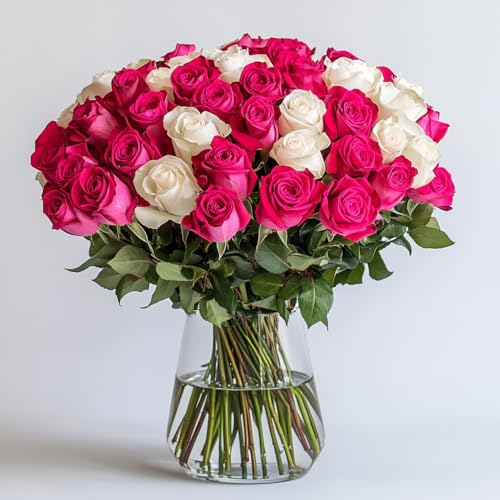
GlobalRose 50 Fresh Cut Roses (Hot Pink and White)
Zeyune 16 Bunches Artificial Mini Rose Bouquet (White and Red)
Zeyune 16 Bunches Artificial Mini Rose Bouquet (White and Blue)
What Each Pick Brings To The Table
If you want a hybrid tea (a classic rose type prized for long, single stems topped with one large bloom) that pulls double duty in the garden and the vase, Gemini is a strong starting point. It arrives as a 12 to 16 month old own-root plant in a one-gallon pot, which gives it a meaningful head start over smaller starter material. Own-root means the plant grows from its own root system rather than being grafted onto a different rootstock, so any winter dieback tends to regrow true to variety the following spring.
Hardy through zones 6 to 10, it suits a wide swath of the continental U.S. and continues blooming through the warm months rather than offering one short flush. For most suburban backyards with full sun, that translates into a steady supply of stems long enough for a mixed bouquet.
Where It Delivers
- Own-root construction improves long-term hardiness and true-to-type regrowth after hard winters.
- Hybrid tea form produces long, straight stems ideal for vase arrangements and bridal work.
- Continual blooming across the season keeps your cutting bowl filled rather than empty for weeks.
- One-gallon size means less waiting around for the plant to reach producing age.
- Strong fragrance fills a room, which matters if you grow roses specifically for indoor enjoyment.
Things To Consider
- Hybrid teas demand regular feeding and deadheading (snipping spent blooms) to keep pushing new flowering canes.
- Outside zones 6 to 10, you may need to winter-protect or grow it in a large container that can move indoors.
At A Glance
Who It Suits Best
Home gardeners in zones 6 to 10 who want a fragrant hybrid tea they can actually clip for arrangements without feeling guilty about reducing garden display.
Look Elsewhere When
The Heirloom Roses Belinda’s Dream Shrub Rose suits you better if you want a larger, fuller landscape shrub rather than a discrete hybrid tea cane.
Where Gemini leans cream and coral, Black Baccara leans into drama. It’s the rose you reach for when the arrangement calls for a near-black, velvety red that reads as moody rather than cheerful. Like its sibling above, it’s an own-root hybrid tea shipped in a one-gallon pot at 12 to 16 months old, so it carries the same head start in the garden.
The trade-off is that its fragrance is light, so plan to pair it with a stronger-scented partner in mixed bouquets. For evening events, photography setups, or any arrangement that needs a darker note, this plant earns its keep.
Useful Strengths
- Distinctive deep red coloring offers something different from standard reds in mixed bouquets.
- Own-root production supports long-term hardiness and consistent regrowth.
- One-gallon, 12 to 16 month age means faster first blooms after planting.
Worth Noting
- Light fragrance means it won’t carry a room on its own.
- Hardy only in zones 6 to 10, so cold-climate gardeners may need protection.
- Dark petals can show weather damage more visibly than lighter varieties.
Made For
Florists and home arrangers who want a standout dark rose for themed weddings, moody centerpieces, or photography work.
Consider Something Else When
The Zeyune Pink and Red Artificial Mini Rose Bouquet suits you better if you need stems on demand for events without waiting on a plant to mature.
Sometimes the right answer isn’t a living plant at all. Zeyune’s 16-bunch mini rose set ships 160 silk heads on flexible wire stems, which bends easily into bouquets, vases, and arch installations. The pink and red pairing suits Valentine’s styling, anniversary dinners, and bridal work where you need predictable color without seasonal supply swings.
For crafter workshops or anyone outfitting a venue in advance, this kind of bulk artificial stock removes the last-minute scramble for fresh flowers. You arrange once and reuse as needed.
The Helpful Details
- Bulk quantity covers large installations without piecing together small bouquets.
- Wire-core stems let you shape arches, hoops, and wearables by hand.
- Silk heads stay color-stable under most indoor lighting conditions.
Trade Offs
- Plastic and wire construction won’t pass for fresh at close range for some viewers.
- Mini size means you need many heads for a single full-looking vase.
Quick Facts
Right Fit For
Event stylists, DIY brides, and home decorators who need a reusable supply of pink and red roses for themed décor.
Swap It Out When
The GlobalRose 50 Fresh Cut Roses suit you better if your event calls for genuine petals and fragrance rather than reusable artificial heads.
If your cutting garden leans more landscape than row, Belinda’s Dream flips the script. It’s a shrub rose (a bushier rose form that grows on its own root structure with multiple canes) that matures to roughly 5 feet tall and 3 to 4 feet wide, so it doubles as a border planting. The pink, cupped blooms arrive on stems that can still be cut, but the overall plant reads as a garden feature first.
Hardy from zones 5 to 10, it tolerates colder winters than the two hybrid teas above. Arrival size is 12 to 15 inches, so the first season is about establishment rather than production.
Useful Highlights
- Mature size fills a border or focal point rather than blending into a perennial row.
- Zone 5 hardiness extends the range into colder northern states.
- Repeat bloom in flushes keeps the plant productive through summer.
Room For Improvement
- Larger mature footprint demands more garden space than a discrete hybrid tea.
- Ships at 12 to 15 inches and may arrive partially defoliated, which can look alarming at unboxing.
- Moderate fragrance won’t dominate an outdoor seating area.
Best Suited To
Gardeners in zones 5 to 10 with room for a five-foot shrub who still want plenty of stems to bring indoors.
Reach For A Different Pick When
The Heirloom Roses Gemini Hybrid Tea Rose Bush suits you better if your priority is a tight, formal cutting row rather than a landscape shrub.
For one-off events and centerpieces, growing roses in the garden can’t keep up with demand. GlobalRose delivers 50 fresh-cut roses in two bundles, with this colorway offering 25 hot pink and 25 white stems. That’s enough to dress multiple tables or build one statement arrangement without last-minute flower-shop runs.
Fresh-cut roses do best when conditioned immediately: trim stems at an angle, strip lower leaves, and place them in cool water with the included nutrition. Compared to the artificial picks earlier, this option gives you genuine fragrance and texture, which matters for weddings and milestone dinners.
A Favorable Mix
- Bulk quantity covers large events without cobbling together small bouquets.
- Hot pink and white pairing suits many themed color palettes.
- Fresh-cut delivery skips the multi-year wait to grow your own.
Small Caveats
- Vase life is limited, so timing matters for event-day use.
- Requires same-day conditioning upon arrival to maximize bloom duration.
- Color is fixed to this specific pairing rather than open selection.
Who Should Grab It
Hosts and event planners who need ready-to-use fresh roses for a wedding, shower, or anniversary gathering.
A Better Fit Elsewhere
The Zeyune White and Red Artificial Mini Rose Bouquet suits you better if you need décor you can set up days in advance without worrying about vase life.
White and red is the classic bridal colorway, and this Zeyune set delivers the same 160-head, 16-bunch format in a more traditional palette. The flexible wire stems make quick work of pew décor, table runners, and arch clusters where you’d otherwise need hundreds of fresh stems.
Compared to the pink and red version, this pairing skews more formal. For rustic barn weddings or hotel ballroom events alike, the contrast reads cleanly against most linens and backdrops.
Bright Spots
- Wire stems hold shape once arranged, so installations survive transport.
- Bulk packaging reduces per-stem cost for large venue setups.
- Color pairing matches traditional wedding palettes without dye work.
Points To Note
- Artificial petals may collect dust over time in stored décor.
- Mini head size means heavy assembly to fill large floor arrangements.
Perfect Match For
Couples and venue stylists working on a classic white-and-red wedding theme who want reusable flowers.
Skip It When
The GlobalRose 50 Fresh Cut Roses suit you better if you need real petals for a one-time event where authenticity matters more than reuse.
The white and blue colorway is the wildcard of the artificial trio, and it solves a real problem: blue roses don’t grow naturally, so any blue rose arrangement has to be artificial or dyed. This set delivers the cool-toned contrast without the dye mess or fading issues that come with tinted fresh flowers.
For “something blue” bridal details, baby showers, or nautical-themed tablescapes, the white and blue pairing handles situations where living plants can’t. The same 160-head bulk applies, so you’ll have plenty for larger installations.
Practical Advantages
- Blue tones are impossible to source from living rose bushes.
- Bulk format suits layered centerpieces and arch work.
- Reusable over multiple events with simple storage between uses.
Less Ideal Details
- Blue dye saturation may vary head to head in artificial stems.
- Cool palette reads seasonal, so year-round use may feel themed.
Built With In Mind
Themed-event decorators who need a true blue rose effect for showers, nautical weddings, or contrast bouquets.
Another Choice May Suit
The Zeyune White and Red Artificial Mini Rose Bouquet suits you better if you prefer classic wedding colors over a cooler themed palette.
Matching Roses To Your Cutting Goals
The first real decision is whether you want a living plant or finished stems, because that choice drives everything else. Gardeners with years of patience and the right hardiness zone get unmatched fragrance, repeat blooming, and a sense of accomplishment from a hybrid tea or shrub rose in the ground. Event hosts and crafters usually want predictable supply, and that pushes them toward fresh-cut bulk deliveries or reusable artificial bunches.
For living plants, hardiness zone is non-negotiable. Own-root hybrid teas like Gemini and Black Baccara need zones 6 to 10, while Belinda’s Dream shrub extends that range down to zone 5. Container growing in colder zones is possible, but it adds the chore of winter protection. Stem length matters too, since hybrid teas give you the long, straight canes florists prize, while shrub roses produce more abundant but slightly shorter cuts.
For cut and artificial options, count your heads and stems honestly. A 50-stem fresh bundle dresses about three to four generous centerpieces, while 160 artificial heads cover a much larger installation. Color palette is the other key filter, since white and red, white and blue, and pink and red each solve different styling problems.
What To Weigh Before You Buy
Stem Length And Bloom Form
Hybrid teas offer classic long stems with single large blooms, which suits traditional vase arrangements. Shrub roses produce clusters on shorter stems that work better in low bowls or garden-style arrangements. Artificial stems max out around 12 inches, which favors compact centerpieces over tall floor displays.
Hardiness Zone Reality
Always match the plant to your actual zone rather than hoping for the best. A rose advertised as zone 6 will struggle in zone 4 without serious winter protection, no matter how much you mulch. Container-grown roses in cold zones need to move into an unheated garage or basement.
Reuse Vs One-Time Use
Fresh-cut roses serve one event beautifully. Artificial roses serve many, but only if you store them out of direct sunlight to avoid fading. Decide which model fits your lifestyle before placing an order.
Key Considerations Across These Picks
Pitfalls Shoppers Hit
The most common mistake is buying a rose bush for a zone colder than your own, then losing it the first hard winter. Another is underestimating how much sun a hybrid tea needs, since anything less than six hours of direct light reduces bloom production sharply. For artificial options, the trap is buying a single small bouquet when your venue needs ten times that volume.
What The Higher Tier Buys
A premium own-root hybrid tea in a one-gallon pot saves you a full growing season over a small liner plant. In the artificial world, paying more usually means better dye saturation and more flexible wire cores that don’t snap on the first bend. The GlobalRose bulk tier buys you genuine petals and fragrance that artificial roses can’t replicate, which matters more for weddings than for everyday décor.
Frequently Asked Questions
What kind of rose is best for cutting?
Hybrid teas are the classic answer because they grow on long, straight stems topped with a single large bloom. Shrub roses also work, especially if you want a fuller plant in the landscape.
Can I grow roses for cutting in containers?
Yes, especially in colder zones where ground planting isn’t reliable. Choose a pot at least 15 inches across and plan to winter the plant in an unheated garage if you drop below zone 6.
How many rose bushes do I need for a steady cutting supply?
A small home cutting garden usually starts with three to five bushes of different varieties. That gives you enough variety for mixed bouquets and enough volume to clip a few stems a week through summer.
Do artificial roses look realistic enough for weddings?
At table distance, decent silk roses pass well. Up close or in photographs, most viewers can tell the difference, so artificial works best for backdrop installations rather than handheld bridal bouquets.
How long do fresh-cut roses last in a vase?
With proper conditioning, expect five to seven days of good display, with peak color in the first three days. Trim stems every other day and change the water to extend vase life.
Closing Remarks
Your real goal decides the category: long-term garden enjoyment points you toward a hybrid tea or shrub rose in a zone that fits your climate, while event-based use makes fresh bulk stems or artificial sets far more practical. Pick the option that matches how often you’ll actually use it, and the rest of the decision tends to follow.
