

Pruning roses rewards the right tool, not the most expensive one. A clean cut seals quickly, while a ragged one invites disease, so the shears you carry around the garden matter more than people expect. Whether you tend a single climber on a patio or a row of shrubs along a fence, this shortlist covers the angles: heavy stems, delicate deadheading, wrist fatigue, and the awkward reaches that make a session drag on. Each pick below earns its spot for a specific reason, and a few are smart buys in pairs so the toolbox covers both coarse cuts and detail work without compromise.
How The Shortlist Stacks Up
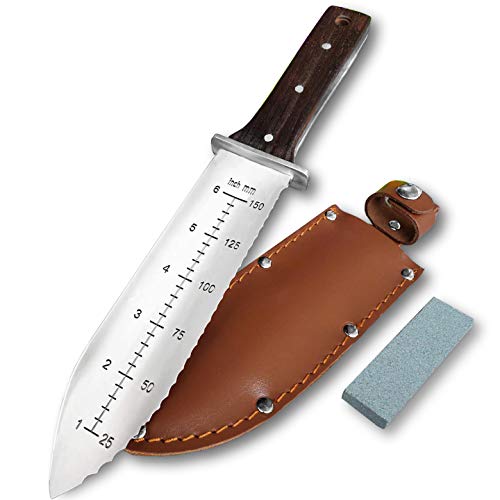
gonicc Professional Hori Hori Garden Knife with Leather Sheath
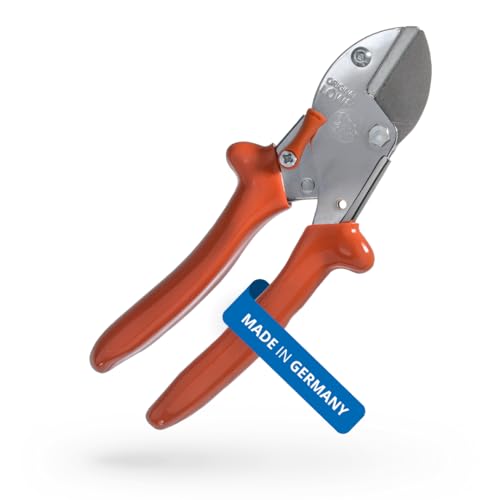
Original LÖWE 5 Professional Anvil Pruning Shears 5.107
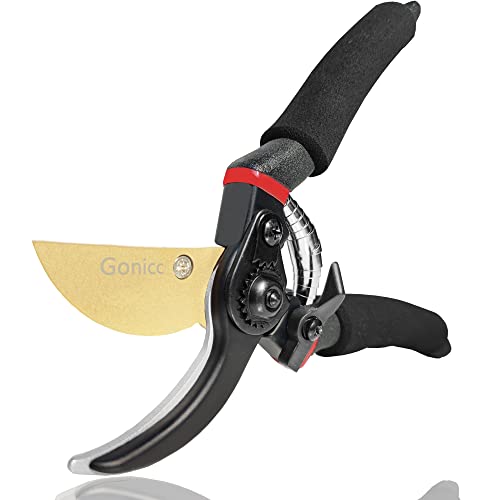
gonicc 8″ Professional Premium Bypass Titanium Pruning Shears (GPPS-1003)
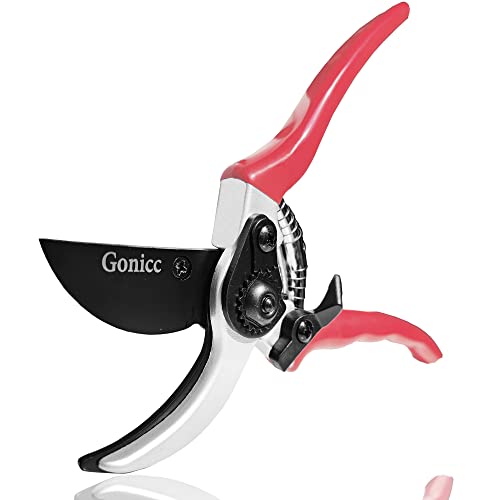
gonicc 8″ Professional Sharp Bypass Pruning Shears (GPPS-1002)

gonicc Micro-Tip Pruning Snips (GPPS-1008)

Kynup Pruning Shears for Gardening, Garden Shears Heavy Duty

Original LÖWE Bypass Pruner 14.104

Fiskars Floral Pruning Shears
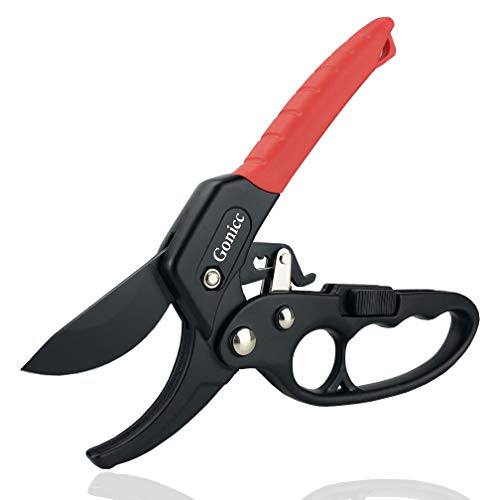
gonicc 8″ Professional Ratchet Anvil Pruning Shears (GPPS-1011)

SPDTECH Curve Gardening Scissor (Pink Handle)
Meet The Standout Selections
The gonicc Hori Hori earns the first slot not because it is the most obvious rose pruner, but because it solves problems the other picks cannot. The high polished 440 stainless steel blade carries both a straight edge and a serrated edge, which means a single tool handles slicing open root balls, sawing through stubborn old canes, and slipping between thorns to carve out dead wood.
What makes it genuinely useful during a rose session is the depth scale etched into the blade. When you are transplanting or measuring how deep a sucker has run, that scale removes the guesswork. The included leather sheath and protective handguard add safety when you carry it down a row of climbers.
A Favorable Mix
- 440 stainless steel blade resists rust during wet spring sessions
- Straight and serrated edges cover slicing and sawing in one tool
- Built-in depth scale helps when measuring planting or root depth
- Leather sheath keeps the edge covered in a tool bag
Worth Noting
- It is a knife first, a pruner second; small green stems still call for snips
- Leather sheaths need an occasional conditioning to stay supple
Feature Snapshot
Whose Garden Bag It Belongs In
Garden owners who handle transplanting, dividing, and pruning in the same afternoon and want one tool to cover the rough work.
A Better Fit Elsewhere
For pure deadheading and tight stem work, the gonicc Micro-Tip Pruning Snips (GPPS-1008) is a more comfortable daily carry.
Pull-cut anvil shears work differently from the bypass designs elsewhere in this list. Instead of two blades sliding past each other, a single sharpened edge drives the stem into a flat anvil plate. The LÖWE 5.107 uses that mechanism to push hard, dry, or dead wood out of the way with surprising ease for such a small tool.
The inward curved handle is the comfort hook here, fitting either hand and keeping knuckles clear of thorny canes. For old apple, pear, or overgrown rose thickets where live green growth is rare, the design pays off.
Where It Helps
- Anvil action crushes through dry, brittle, and older wood
- Inward curved handle suits right- and left-handed users
- Compact size keeps control in tight interior cane work
- Lightweight enough to carry alongside a larger pair
Trade Offs
- Not the right choice for live green stems; anvil blades bruise soft tissue
- Limited reach into tall shrubs due to the short frame
Right Fit For
Orchard owners and rose gardeners clearing dead wood from established shrubs where live green cuts are a separate task.
Swap It Out When
For mostly live green growth on modern roses, the gonicc 8″ Professional Premium Bypass Titanium Pruning Shears (GPPS-1003) gives a cleaner live cut.
When most gardeners picture rose pruners, this is the silhouette they imagine. The GPPS-1003 is built around drop-forged construction, which shapes the metal under pressure for a denser, more durable body than cast or stamped alternatives.
The titanium-coated blade stays sharp through repeated use and shrugs off sap, a real convenience during a long spring cleanup. The non-slip aluminum handles wrapped in PVC keep the weight low without sacrificing grip when conditions turn wet or thorny.
Practical Pluses
- Drop-forged body holds up to years of routine heavy cutting
- Titanium coating extends sharpness and resists rust on damp mornings
- Aluminum core keeps the shears light during long sessions
- PVC wrap adds grip security when gloves are thin
Room For Improvement
- Wider handle spread can challenge gardeners with smaller hands
- Premium blade care calls for a wipe-down after cutting sappy canes
Key Specs
Made For
Experienced rose growers managing multiple shrubs through the season and who want one primary tool that handles most cuts cleanly.
Consider Something Else When
For closer detail work on small canes and spent blooms, the gonicc Micro-Tip Pruning Snips (GPPS-1008) is the better companion.
The GPPS-1002 sits one rung below the titanium-coated sibling but pulls more weight than its price suggests. The drop-forged body and handles carry the same heavy-use DNA, while the high carbon steel blade relies on ultra-fine polishing rather than a coating to keep cuts clean.
For gardeners who keep their shears sharp with a quick stone pass between sessions, this is the dependable daily choice. The non-slip ergonomic handles and built-in sap groove tackle roses, perennials, and light woody growth without the same maintenance premium that coated blades demand.
Everyday Perks
- Drop-forged build adds longevity at a sensible price
- High carbon steel holds a refreshed edge well
- Non-slip handle wrap keeps grip secure in damp weather
- Sap groove channels sticky residue away from the cutting face
Points To Note
- Uncoated carbon steel needs drying after use to avoid surface rust
- Not designed for the thickest old wood; reserve heavy anvil cuts for another tool
Who Should Grab It
Newer gardeners and intermediate rose growers who want a capable bypass pruner without paying for premium coatings.
Another Choice May Suit
For thin stems and frequent deadheading, the Fiskars Floral Pruning Shears handle detail work with less hand strain.
Snips live in a different category from full-size pruners, and the GPPS-1008 leans into that. The micro-tip blades taper to a fine point, which lets you reach inside a rose canopy to clip a single spent bloom without taking nearby buds with it.
High-carbon steel ground to a precision edge makes quick work of soft green stems, flower stems, and the kind of tender trimming you avoid doing with bigger blades. Compact, light, and balanced for pinch grip, they earn a spot in the apron pocket even on days when the main pruners do the heavy lifting.
Points In Its Favor
- Precision-ground high-carbon steel holds a clean edge
- Fine tip reaches tight interior spots without collateral damage
- Compact form keeps hand fatigue low during long sessions
- Well matched to deadheading, herbs, and houseplant care
Less Ideal Details
- Not suited to woody canes beyond pencil thickness
- Smaller grip may feel cramped during extended use for larger hands
Perfect Match For
Growers who deadhead roses weekly and want a tool that reaches inside the canopy without scarring neighboring growth.
Where A Sibling Pick Shines
For thicker seasonal cuts, the gonicc 8″ Professional Premium Bypass Titanium Pruning Shears (GPPS-1003) is the better primary pruner.
Kynup designed this pair with safety and ease in mind, and it shows in the details that matter when you are new to pruning. A single-button lock keeps the blades closed in a tool drawer or apron pocket, and the SK-5 steel blade stays sharp through the first several seasons of learning cuts.
It feels approachable in hand without feeling flimsy. For a gardener building confidence on a few roses, a small shrub border, and the occasional herb harvest, this is the kind of tool that grows with the skill rather than fighting it.
Bright Spots
- SK-5 steel blade handles roses, shrubs, and light branches in one pass
- Single-button lock adds safety during storage and transport
- Corrosion-resistant finish forgives the occasional missed wipe-down
Points To Keep In Mind
- Not built for old, thick, or neglected wood beyond the light branch range
- Lock mechanism can stiffen in cold storage if not occasionally cycled
Best Suited To
First-time pruners and casual gardeners maintaining a small mixed bed of roses, shrubs, and herbs.
Look Elsewhere When
For larger old-wood cuts, the Original LÖWE 5 Professional Anvil Pruning Shears 5.107 is a stronger specialist.
The 14.104 is a precision instrument dressed as a garden tool. Made in Germany, it is built around a sliding lacquer finish that reduces friction during the cut and adds a layer of corrosion protection through wet seasons. At roughly 7.5 inches long, the small head reaches into rose interiors that bigger pruners cannot access without disturbing nearby growth.
For growers with established rose beds where cut quality matters as much as speed, the smooth action and clean slice are the appeal. The tool also handles twigs, branches, and cut-flower trimming without swapping.
The Case For It
- Sliding lacquer finish reduces friction and resists corrosion
- Compact 7.5-inch frame reaches tight interior cuts
- Versatile across roses, shrubs, twigs, and cut flowers
- Clean cut profile helps plants heal quickly
Some Limits To Know
- Premium construction carries a higher cost than most hobbyist pruners
- Smaller frame feels less stable on thicker branches past its capacity
Who Will Love This
Rose enthusiasts with established beds who want a precise daily tool and are willing to invest in German engineering for the long term.
Not Your Match When
For rough clearing of thick, old wood, the gonicc 8″ Professional Ratchet Anvil Pruning Shears (GPPS-1011) is the more capable brute.
Fiskars positions this as the gap between a traditional pruner and a pair of snips, which turns out to be a useful middle ground. The fully hardened, precision-ground steel bypass blade cuts through stems up to about half an inch, which covers most rose deadheading and light shaping work without the bulk of a full-size pruner.
You feel the lightness the moment you pick it up, and that matters when a quick tidy-up turns into a longer session. The small bypass design suits anyone who finds standard pruners too heavy for frequent one-handed use.
Standout Benefits
- Lightweight build reduces fatigue during repeat use
- Hardened steel blade keeps a clean edge through seasons
- Bypass action handles live green growth cleanly
Small Caveats
- Half-inch capacity leaves thicker old wood for a heavier pruner
- Compact grip may feel tight for larger hands on long sessions
Technical Highlights
Built With In Mind
Growers who deadhead frequently, arrange cut flowers, and want a lighter tool than a full-size pruner for daily tidy-ups.
Reach For A Different Pick When
For routine cuts on thicker rose canes, the gonicc 8″ Professional Sharp Bypass Pruning Shears (GPPS-1002) gives more leverage.
Ratchet mechanisms change the physics of a cut. Instead of slicing through the stem in one motion, the GPPS-1011 lets you squeeze, release, and squeeze again, multiplying force without demanding more grip strength. For gardeners with arthritic hands, limited wrist strength, or simply long sessions, that mechanical advantage is the entire point.
The SK-5 steel blade and chrome vanadium handles keep the build honest, and the anvil design handles thicker wood than a standard bypass pruner. It is the tool to reach for when fatigue would otherwise cut the session short.
The Practical Payoff
- Ratchet assist multiplies cutting force with less hand strain
- SK-5 steel blade handles thicker light branches and old wood
- Chrome vanadium handles add strength without excessive weight
- Anvil design supports dry, hard, or dead wood cuts
Worth Bearing In Mind
- Anvil design can crush soft green stems; not the choice for live growth
- Multi-step ratchet action slows down rapid deadheading work
The Right Fit
Growers with reduced grip strength, recovering from hand or wrist strain, or tackling thicker, harder wood on established shrubs.
Where Another Pick Suits Better
For fast, clean cuts on live green growth, the gonicc 8″ Professional Premium Bypass Titanium Pruning Shears (GPPS-1003) is the quicker tool.
The SPDTECH Curve earns its place by being the tool you actually find when you set it down. The pink handle stands out against mulch, soil, and green foliage in a way that dark-handled shears rarely do, which saves the walk back to the shed more often than you would expect.
Underneath the visible color, it is a straightforward bypass scissor with a stainless steel blade rated for stems up to about 10mm. That covers flower trimming, herb harvest, and the lighter end of rose deadheading, which is exactly the kind of work you do with a second tool while a main pruner rests.
The Upside
- Pink handle is easy to spot in grass and undergrowth
- Lightweight design suits one-handed floral and herb work
- Safety lock keeps the blade closed during transport and storage
Honest Caveats
- 10mm capacity rules out thicker rose canes and shrub wood
- Lightweight build is not designed for heavy or prolonged leverage cuts
Who Will Love This
Garden owners who want a second, easy-to-spot pair for flowers, herbs, and light trimming alongside a heavier primary pruner.
Skip It When
For routine rose pruning on established shrubs, the gonicc 8″ Professional Sharp Bypass Pruning Shears (GPPS-1002) is the more capable primary choice.
Factors To Weigh Before Choosing Your Next Pair
Bypass Versus Anvil, And Why It Matters
A bypass pruner uses two curved blades that slide past each other like scissors, producing a clean slice across live green stems. An anvil pruner drives a single blade into a flat plate, which crushes through dry, hard, or dead wood but can bruise tender growth. For most rose care, a bypass is the right primary tool, while an anvil earns a spot as a secondary helper for cleanup work.
Blade Steel And Edge Retention
High-carbon steel sharpens easily and holds a refreshed edge well, but it wants a wipe-down after damp sessions to avoid surface rust. SK-5 steel, a higher-grade carbon tool steel, adds toughness for thicker cuts. Titanium coatings reduce sap sticking and slow corrosion, at the cost of more careful sharpening later. Pick the steel type that matches how patiently you maintain tools.
Handle Fit, Grip, And Reach
A handle that opens too wide tires smaller hands during a long session. Non-slip wraps help in damp conditions, and curved or rotating grips reduce wrist strain. For tight interior cuts on tall shrubs, a shorter frame reaches where longer pruners cannot.
Weight, Balance, And Session Length
Light shears feel great in the first ten minutes and stay comfortable for an hour. Heavier, forged pruners feel substantial but demand more grip. Match the weight to the length of your typical session and to whether you prune with one hand while holding a cane with the other.
Key Considerations Across These Picks
Common Shopping Slip Ups
Treating a single pruner as a do-everything tool is the most frequent mistake. Roses ask for both coarse structural cuts and gentle detail work, and one blade rarely does both well. Buying the heaviest pruner you can find also backfires when it sits in the shed because it is too tiring to carry around. Match the tool to the session, not the other way around.
What The Higher Tier Buys
Premium rose pruners earn their price through tighter manufacturing tolerances, more consistent blade geometry, and corrosion-resistant finishes that lower long-term maintenance. That translates to cleaner cuts that heal faster on the plant and less time spent sharpening or replacing tools. The upgrade pays off most for gardeners with established beds where cut quality affects plant health, and less so for casual one-shrub owners.
