

A big garden asks more of a tiller than any other tool in the shed. Breakout beds, packed-down rows, and stubborn clay all push back, and the wrong machine turns a Saturday into a backache. The picks below cover the spread from budget hand tools to cordless and corded workhorses, so you can match the tool to the soil and the size of the job, not the other way around.
The Lineup, Simplified
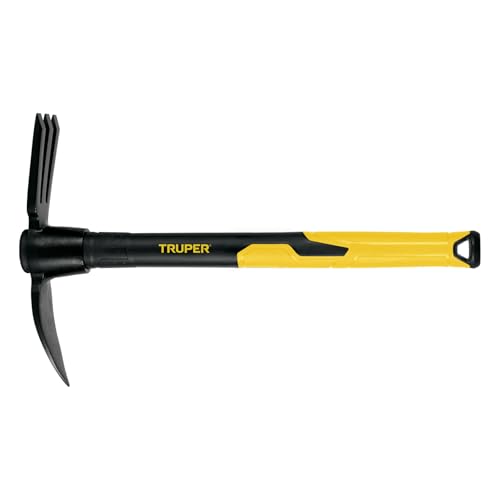
Truper Rapid Tiller Dual-Head Digging Tool

Garden Weasel Double-Sided Hand Cultivator

Seesii 40V Cordless Tiller 12-Inch Cultivator
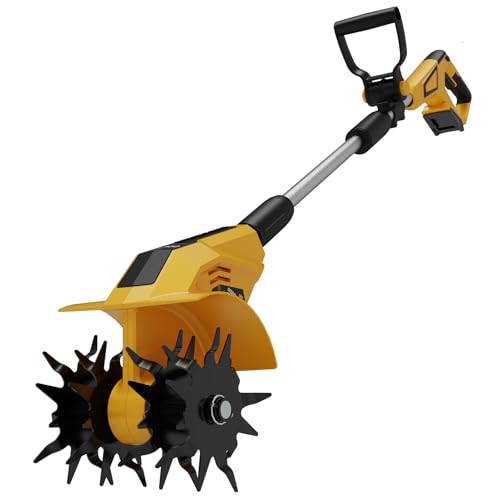
Brushless Tiller for Dewalt 20V Max Batteries

Lmozim 21V Cordless Tiller with 48 Steel Tines
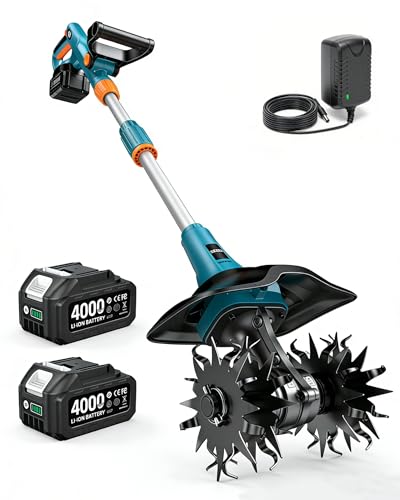
Seesii 20V Cordless Tiller Cultivator

Honda FG110 Mini Tiller Cultivator

BILT HARD 10 Amp Corded Electric Tiller

FORDWALT 36V Brushless Tiller for Makita 18V

Seesii Mini 20V Cordless Tiller Cultivator
The Strengths Of Each Pick
For gardeners who want to skip fuel and cords entirely, this forged dual-head hand tool earns its spot at the front of the list. The 14-inch fiberglass shaft (a glass-fiber-reinforced handle that resists weather and absorbs shock) keeps weight manageable while standing up to prying force, and the ergonomic cushion grip helps when you’re working a long bed row by row.
It suits smaller plots, raised bed corners, and the kind of spot weeding that a power tiller would either skip or chew up. Reach is the obvious trade-off compared to the wheeled units further down the lineup, but for precision work between established plants, this is the tool many seasoned gardeners reach for first.
Everyday Advantages
- Dual-purpose head flips between a digging blade and three cultivator tines, so you swap jobs without grabbing another tool.
- Fiberglass handle stays cooler in summer sun and shrugs off weather that would rot a wood shaft.
- No fuel, no batteries, no cord drag means zero noise and zero maintenance beyond wiping it clean.
- Light enough for one-handed use between vegetable starts.
Things To Consider
- A short handle means bending over for long stretches, which adds up across a full garden.
- Hand-powered, so packed clay and root-heavy ground will tax your shoulders faster than any powered option here.
Who It Suits Best
Small-plot gardeners, raised-bed owners, and anyone wanting a quiet, fuel-free tool for spot cultivation between established plants.
Where Another Pick Suits Better
If your plot stretches past a few raised beds and you want to cover ground quickly, the Seesii 40V Cordless Tiller 12-Inch Cultivator trades your effort for battery power.
The Garden Weasel earns its reputation through three sturdy prongs that twist into soil with a ratcheting motion. Unlike the Truper’s single-purpose digging face, this tool’s whole identity is cultivation: loosening, aerating, and raking the top few inches of an established bed without disturbing plant roots below.
It’s the kind of tool that feels almost mechanical in the hand, doing more per stroke than a hoe or hand fork. Most folks buy it for season-long maintenance, not for breaking raw ground, and that’s where it really shines against the heavier power tillers in this roundup.
What Stands Out
- Three-pronged design pulls up weeds and breaks crusted soil in a single twisting motion.
- Heavy-duty construction means a few seasons of rough use without bending tines.
- Pulls double duty as a small aerator for top-dressing compost into lawn edges.
Points To Note
- Not built for breaking new ground or busting sod, so power-tool shoppers should look elsewhere.
- Handle length is fixed, so taller users may find themselves crouching more than they’d like.
Who It Suits Best
Gardeners with established beds who want fast, low-effort cultivation between plantings without dragging out a powered machine.
Consider Something Else When
Anyone staring down compacted clay or a brand-new plot should skip this and pick up the BILT HARD 10 Amp Corded Electric Tiller instead.
This is the pick where cordless convenience starts to feel like real tiller territory. The 40V platform pushes meaningful torque through four steel tines, and the 12-inch working width handles a raised bed in a handful of passes. A 320W motor (rated wattage at the housing, not the tines) drives the tines fast enough to break up lightly compacted soil without bogging down.
It moves from the manual tools above into powered cultivation without dragging you toward a gas engine. For most home gardens with a mix of vegetable beds and flower borders, this is the sweet spot between reach and maneuverability.
What Makes Sense
- 40V battery delivers genuine cordless tiller performance without gas, oil, or pull-starts.
- 12-inch tilling width covers a standard raised bed in a manageable number of passes.
- Compact enough to steer between tight rows and around established plants.
- Simple assembly out of the box means more tilling, less fiddling with tools.
Honest Caveats
- Heavy clay or root-choked ground will drain the battery faster than softer loam.
- Runtime depends on how aggressively you push it, so larger plots may need a second battery on hand.
Made For
Homeowners running a mid-size garden with mixed beds who want powered cultivation without gas-engine upkeep.
Skip It When
You already own a fleet of 18V or 20V batteries from a major brand, since the FORDWALT 36V Brushless Tiller for Makita 18V lets you skip buying another battery system.
This tiller leans hard into the tool-only model: bring your own 20V Max batteries and skip the extras. The 800W brushless motor (a motor with no carbon brushes, so it runs cooler, quieter, and lasts longer than brushed designs) gives this unit more grunt than you’d expect from a 20V platform, and that translates to deeper, more confident bites into soil that would stall lesser corded tools.
If you’ve already invested in Dewalt’s battery wall, this is one of the smartest ways to expand what your existing kit can do. The trade-off is obvious: brand-new gardeners starting from zero will pay twice, once for the tiller and once for the batteries.
The Case For It
- Brushless motor delivers stronger torque and longer motor life than brushed equivalents.
- Plugs straight into your existing 20V Max batteries and charger, no extra platform needed.
- Compact frame reaches raised-bed corners that bigger wheeled tillers can’t navigate.
- Lower noise and zero direct emissions make it neighbor-friendly in dense suburbs.
Worth Noting
- Tool-only pricing assumes you already own Dewalt batteries and charger.
- Less working width than the corded and 36V options, so large open plots mean more passes.
Best Suited To
Existing Dewalt 20V Max owners who want to add tilling to their cordless lineup without buying a second battery system.
Look Elsewhere When
You start fresh with no batteries at all, in which case the Seesii 40V Cordless Tiller 12-Inch Cultivator ships ready to run out of the box.
The headline here is the tine count: 48 steel tines spinning at up to 400 RPM (revolutions per minute, a measure of how fast the tines turn), which produces a noticeably finer finish than the four-tine machines above. For seedbed prep where you want a smooth, even tilth (loose, crumbly soil structure ready for sowing), this design earns its keep.
Two batteries ship in the box, so downtime between cells isn’t a concern for a normal garden session. The 9.5-inch width reads smaller than the bigger wheeled units, but the trade-off is control, especially in tight, planted beds where a wide pass would tear up the wrong roots.
Strong Points
- 48 steel tines deliver finer soil texture than four-tine tillers, ideal for direct-sowing prep.
- Two batteries included extend runtime without buying extras upfront.
- 7-inch working depth reaches below the crust most shallow cultivators leave behind.
- Brushless motor keeps weight down while extending motor life.
Trade Offs
- 21V platform is the gentlest of the cordless options here, so very compacted ground may bog it down.
- Narrower working width means more passes across wide open plots.
Who Will Love This
Vegetable gardeners prepping seedbeds for direct sowing who want the smoothest soil texture a cordless tiller can deliver.
A Better Fit Elsewhere
Anyone with raw, compacted ground to break should reach for the Honda FG110 Mini Tiller Cultivator and its gas-engine bite.
This Seesii slots in as the all-purpose 20V option, aimed at gardeners who want one tool for breaking ground, mixing compost, loosening crusted soil, and aerating beds. The “all-in-one” framing here means it covers four common soil tasks without swapping attachments, which is the kind of versatility that justifies shelf space.
It sits below the 40V Seesii in raw power, so think of it as the smaller cousin that handles weekly maintenance more than weekend sod-busting. For compost turning and mid-season bed refresh, the smaller platform is honestly easier to wrangle.
What Pays Off
- Handles tilling, cultivating, mixing, and aerating without needing separate attachments.
- Lower voltage means lighter weight for one-handed maneuvering around perennials.
- Quieter than gas alternatives, easy on neighbors during early morning sessions.
Soft Spots
- 20V is on the modest side for raw ground; expect slower progress on first-time beds.
- Runtime drops noticeably under sustained load, so budget for recharge breaks on larger plots.
The Right Fit
Gardeners wanting a single cordless tool for bed maintenance, compost turning, and seasonal aeration in established beds.
Swap It Out When
Your main goal is breaking new ground in a large garden, in which case the BILT HARD 10 Amp Corded Electric Tiller offers more bite for the long haul.
The Honda FG110 is the only gas engine on this list, and it earns its slot by doing what batteries can’t yet match: long, sustained tilling without recharge anxiety. The Honda GX25 4-stroke engine is the kind of motor known for easy cold starts and years of reliable service, and the patented hybrid tines (blades arranged with some angled for digging and others angled for cultivating) handle both breaking and fluffing in one pass.
For gardeners with big plots who don’t want to baby batteries, the trade-offs are real but familiar: fuel mixing, pull starts, exhaust, and engine maintenance. None of that is a deal-breaker, and many homestead gardeners consider it a fair swap for the unlimited runtime.
Bright Spots
- Honda GX25 4-stroke starts easily and runs cool without a fuel-oil mix.
- Hybrid tine design digs and cultivates in a single pass, saving time on prep.
- Unlimited runtime as long as fuel is in the tank, ideal for long sessions across a large garden.
- Honda’s reputation for longevity means this tiller often outlives cheaper gas competitors.
Less-Strong Areas
- Engine maintenance (oil checks, air filter cleaning) is part of ownership, unlike cordless models.
- Louder and heavier than every electric alternative on this list.
Perfect Match For
Large-garden owners prioritizing runtime and torque over noise and weight, especially those already comfortable with small gas engines.
Reach For A Different Pick When
Your garden sits close to neighbors who care about noise, or you want grab-and-go simplicity, since the Seesii 40V Cordless Tiller 12-Inch Cultivator runs quieter with less fuss.
The BILT HARD lands as the corded workhorse of the lineup: 10 amps of continuous power, 14 inches of tilling width, and four steel tines spinning at up to 360 RPM each. An AC motor that reaches 17,000 RPM at no-load keeps the bite aggressive enough for soil that would stall a smaller cordless unit.
Unlike the cordless picks above, runtime is unlimited as long as an outlet is within reach of an extension cord. The foldable handle and 6-inch adjustable wheels turn it into a genuinely portable machine, weighing roughly 18 pounds, easy enough to lift over a low fence or roll to the truck.
What Helps Most
- 14-inch width and 8.7-inch depth cover large beds efficiently, beating most cordless widths.
- Foldable handle with quick-release knobs collapses for tight garage or shed storage.
- Adjustable wheels make transport between plots and across hard ground easier.
- Unlimited runtime through any outdoor extension cord, no battery anxiety mid-bed.
Honest Caveats
- Cord drag requires attention to avoid cutting the cable or wrapping it around plants.
- Needs a GFCI-protected outdoor outlet (a ground-fault circuit interrupter that shuts off power if current leaks, required by code for outdoor receptacles) and a heavy-duty extension cord rated for the amperage.
Right Fit For
Large-garden owners with outdoor outlets nearby who want plug-in power without buying or charging batteries.
Where A Sibling Pick Shines
If your beds sit far from any outlet, the FORDWALT 36V Brushless Tiller for Makita 18V trades the cord for battery freedom.
FORDWALT leans into the heavy end of cordless tilling, drawing 36V of power by running two 18V Makita batteries in series (stacked so their combined output equals 36V). Sixteen steel tines span a 14.2-inch pass, and the brushless motor pushes an operating speed of 175 RPM under load, fast enough to handle soil that’s halfway between established bed and raw patch.
The safety lock is a small detail that matters in a busy garden, especially with curious kids or dogs around. It’s also the broadest cordless pass on this list, so the per-pass coverage matters when you’re working a sizeable vegetable plot.
Useful Strengths
- 14.2-inch working width is the widest cordless option here, cutting down passes across large beds.
- Dual-battery 36V setup delivers serious torque without gas-engine maintenance.
- Safety lock prevents accidental startup, useful in family gardens.
- 8.7-inch working depth reaches below the crust layer most electric cultivators skip.
Practical Considerations
- Requires two Makita 18V batteries to run, sold separately, doubling the upfront cost for newcomers.
- Heavier than the 20V and 21V cordless options, so fatigue builds faster on long sessions.
Built With In Mind
Makita 18V system owners with multiple batteries who want the widest cordless tilling pass without buying a third platform.
Not Your Match When
You don’t already own Makita batteries, since the Brushless Tiller for Dewalt 20V Max Batteries or the BILT HARD corded model would land at a lower total cost.
The Seesii Mini closes the list as the lightest cordless option, around 2.6 pounds without battery, light enough that one-handed operation feels realistic for older gardeners or anyone who has bounced off heavier tools before. Two 2.0Ah batteries ship in the box, doubling the value for newcomers to cordless gardening.
It’s not built for raw ground, and it doesn’t pretend to be. Where it shines is the daily touch-up work that larger gardens still need: loosening the top inch around seedlings, fluffing compost into the surface, and quick weeding between established plants.
Real-World Strengths
- 2.6-pound body makes one-handed cultivation realistic for seniors or anyone with limited strength.
- Two batteries included extend runtime for a full garden session.
- Reaches tight corners and narrow strips that bigger tillers physically cannot access.
- Quiet enough for early morning or evening use without disturbing neighbors.
Small Caveats
- Limited bite in compacted or clay-heavy soil; this is a surface cultivator, not a ground-breaker.
- Small footprint means lots of passes across anything wider than a flower border.
Whose Shelf It Belongs On
Seniors, first-time gardeners, or anyone wanting a featherweight tool for the small finishing work a bigger tiller leaves behind.
Another Choice May Suit
Breaking new ground across a large garden calls for the Honda FG110 Mini Tiller Cultivator and its gas-engine torque.
Choosing A Tiller That Actually Fits Your Garden
A “large garden” can mean different things to different people, and that gap decides more than any single spec sheet. Before comparing tines and torque, sketch out the rough square footage, the soil type (sandy loam, heavy clay, or anything in between), and whether you’ll be breaking new ground or maintaining established beds. Most of the picks above assume established beds or light breaking; if your patch is raw sod, expectations shift toward the gas-powered end of the list.
Tilling width matters more than people expect. A 14-inch pass halves the number of lanes across a wide bed compared to a 7-inch cultivator, but it also means heavier steering and less precision around plants. Tilling depth, usually 6 to 9 inches on the units here, decides whether you’ll reach the root zone for deep-rooted crops or just scratch the surface.
Power source is the other big fork. Cordless tillers keep getting better, and 40V platforms like the Seesii 40V now rival older corded units for most home gardens. Corded models still win on unlimited runtime, and gas engines still lead on raw torque and long sessions far from an outlet. Match the power source to your layout, not the other way around.
Finally, think about storage and transport. A foldable-handle corded unit like the BILT HARD tucks into a garage corner; a gas engine takes more space and asks for fuel handling. Choosing a tiller you can actually store, lift, and start will get used far more than the one with the best paper specs.
Smart Shopping Notes Before You Decide
Where Shoppers Go Wrong
The most common mistake is choosing by tilling width alone. A 14-inch pass on a tiller you can’t comfortably steer turns a quick job into a wrestling match, and the fatigue cuts effective working time well before the battery dies. Width and weight need to scale together, not separately. The other classic slip is buying a heavy-duty gas tiller for a small urban garden, where a 20V cordless cultivator does the job with less noise and no fuel storage.
Where The Extra Money Goes
Premium tiers in this category usually buy three things: brushless motors (which last longer and run cooler), wider working widths, and broader battery compatibility. The jump from a 20V brushed tiller to a 40V brushless unit isn’t just about power. It’s about motor longevity, runtime per charge, and how confidently the tool handles soil that isn’t perfectly loose. For gardeners tilling monthly across a big plot, that upgrade pays back quickly in fewer stalls and longer tool life.
Frequently Asked Questions
What size tiller do you need for a large garden?
For plots over roughly 1,000 square feet, a tiller with at least a 12-inch working width and 7 to 9 inches of depth handles most prep efficiently. Smaller widths work fine, but you’ll spend more passes covering the same ground.
Are cordless tillers powerful enough for big gardens?
Yes, especially 36V and 40V platforms with brushless motors. They handle established beds and light breaking comfortably, though heavy clay or raw sod still favors gas engines.
How deep should a rototiller dig?
Most vegetables benefit from 6 to 8 inches of loosened soil. Deeper passes matter for root crops like carrots and potatoes, and for breaking compacted layers below the surface crust.
Can you use a tiller in wet soil?
Working wet soil risks compaction and clumping, which undoes the loosening you’re after. Wait until soil crumbles in your hand rather than forming a wet ball before tilling.
How do you maintain a cordless garden tiller?
Keep tines clean of debris after each session, store batteries at moderate temperatures, and check that moving parts stay free of packed soil. Cordless units need far less maintenance than gas engines.
Wrap Up
The right tiller for a large garden is the one that matches your soil, your layout, and your tolerance for noise. Start with the power source decision, then match width and weight to how you’ll actually work the plot, and the rest of the choice tends to settle on its own.
