

Cordless leaf cleanup works best when the blower, battery capacity, and yard size match. I’ve included complete blower kits, tool-only Ryobi options for established 18V or 40V setups, plus compatible replacement battery sets for keeping an existing blower in rotation. Small patios, long driveways, damp leaves, and stored-spare needs all call for slightly different equipment.
The Picks In Brief
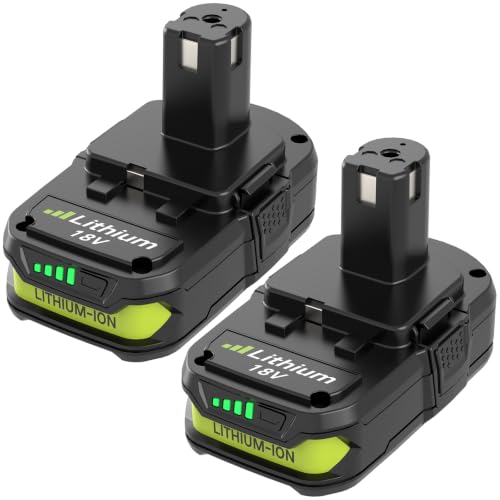
Fhybat 3600mAh Ryobi P102 18V Battery

Fhybat 8000mAh Ryobi P108 18V Battery

RYOBI RBL18JB40F 18V Leaf Blower Kit

Fhybat Ryobi P108 18V Battery 8Ah

Fhybat P108 18V Battery and Charger

RYOBI ONE+ HP 18V Whisper Leaf Blower

RYOBI 40V HP Whisper Leaf Blower
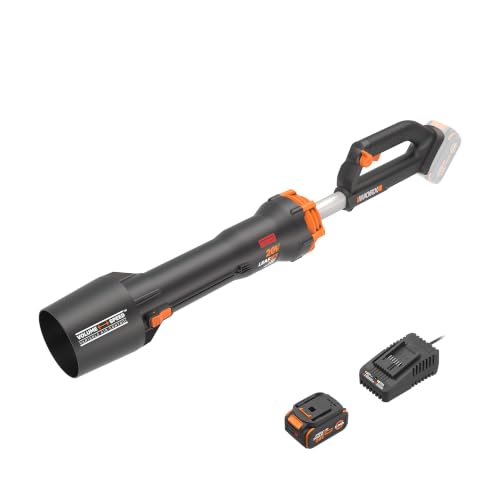
WORX WG550 20V Cordless Leaf Blower

WORX WG550.9 20V Cordless Leaf Blower

Fhybat P102 18V Battery and Charger
The Strengths Of Each Pick
This two-pack focuses on keeping a Ryobi 18V blower supplied for short cleanup rounds. Each rechargeable battery carries a 3.6Ah capacity, meaning 3.6 amp-hours of stored charge, a sensible fit for patio edges, porches, and quick driveway passes.
The supplied compatibility list covers many Ryobi 18V battery references, including P102 through P109 and several PBP models. For a household already using a compatible P117, P118, P118B, or P119 charger, the honest read is that this is mainly a spare-battery purchase rather than a complete restart kit.
The Case For It
- Two batteries allow one pack to cool or charge while another handles a quick sweep.
- 3.6Ah capacity keeps the pack more manageable than larger high-capacity alternatives.
- Fits a broad stated range of Ryobi 18V tool and battery references.
Things To Consider
- No charger is included, so storage and charging depend on an existing compatible unit.
- Owners commonly keep spare lithium-ion packs indoors and dry between seasonal yard tasks.
Who It Suits Best
Homeowners with a compatible Ryobi 18V charger and brief weekly blower sessions get the clearest fit.
Where Another Pick Suits Better
Fhybat 8000mAh Ryobi P108 18V Battery suits longer clearing sessions where fewer battery changes matter more.
Compared with the 3.6Ah Fhybat pair, this set puts runtime first with two 8.0Ah rechargeable 18V batteries. That larger capacity makes more sense for a longer driveway, repeated passes along fencing, or households sharing one battery system across several tools.
The stated compatibility reaches P102, P103, P104, P105, P107, P108, P109, P189, P190, P197, P122, P191, and listed PBP batteries. Larger packs can add hand weight to a blower, so this choice favors duration over the lighter feel of Item 1.
Strengths Worth Knowing
- Two 8.0Ah batteries create a deep reserve for extended outdoor work.
- Longer available charge reduces interruptions during leaf collection around larger hard surfaces.
- Stated support for multiple legacy and newer Ryobi 18V battery codes broadens household use.
- Rechargeable design suits a rotating tool shelf rather than one dedicated blower.
Worth Noting
- Higher-capacity packs are likely less comfortable for overhead or extended one-handed work.
- Owners commonly label paired batteries so both receive similar rotation and storage time.
- A compatible charger is separate from this package.
Key Specs
Made For
Frequent yard workers running compatible Ryobi 18V tools across medium-size outdoor spaces fit this set well.
Consider Something Else When
Fhybat P108 18V Battery and Charger fits households lacking a compatible charger.
A battery and charger in the box gives the RBL18JB40F a cleaner starting point than the tool-only Ryobi blowers later in this list. Its included 4.0Ah battery creates an immediately usable 18V setup for routine paths, decks, and small-to-medium garden areas.
Variable speed lets me frame the tool as more than a blunt-force blower, since low output suits loose debris near planters while turbo airflow concentrates the stream for stubborn material. The removable tube also makes garage storage less awkward, nothing flashy but genuinely useful.
The Value In It
- Included 4.0Ah battery and charger avoid separate platform setup.
- Variable-speed control gives gentler handling around gravel borders and planted beds.
- Turbo jet airflow concentrates output for stubborn leaf piles.
- Integrated scraper helps lift debris stuck to paving joints.
- Removable tube takes up less room on a garage shelf.
Trade Offs
- The bundled battery is a mid-capacity option, so large autumn clearups may need charging breaks.
Feature Snapshot
Right Fit For
New cordless-tool owners wanting one box with the blower, battery, and charger will appreciate this arrangement.
Not Your Match When
RYOBI 40V HP Whisper Leaf Blower suits properties with heavier, repeated leaf buildup and an existing 40V battery.
This two-pack follows the same long-runtime idea as Item 2, with two stated 8.0Ah P108-style replacements for the Ryobi 18V system. I see its appeal in households that already own a compatible charger but need enough stored power to avoid stopping halfway through a larger clearup.
Its compatibility list includes P102 through P109, P122, P189, P190, P191, P197, and several PBP battery references. A bigger battery is useful for blower runtime, although the added mass can make detailed cleanup near raised beds feel less nimble.
Advantages To Know
- Two 8.0Ah packs provide a substantial rotation for multiple compatible tools.
- Extended capacity is practical for driveway, patio, and walkway cleanup on the same afternoon.
Minor Gripes
- A charger is not part of the package.
- High-capacity batteries take more shelf space than compact P102-style packs.
- Owners commonly wipe battery contacts clean and dry before long-term storage.
Who Will Love This
Existing Ryobi 18V households needing a larger reserve for regular outdoor and workshop tasks have the strongest use case.
Look Elsewhere When
RYOBI RBL18JB40F 18V Leaf Blower Kit suits first setups because it includes the actual blower and charging equipment.
Fhybat adds a charger here, making this package more complete than the battery-only 8.0Ah options above. Two 8.0Ah batteries plus a P117-style charger give a compatible 18V blower setup enough flexibility for a depleted older battery collection.
The charger accepts 100V to 240V AC input and uses a status light to show charging progress. For a household starting fresh with replacement batteries, that visual indication is handy, though I’d still leave the charger on a clear, dry surface with ventilation around it.
A Favorable Mix
- Includes two 8.0Ah batteries and a charger in one coordinated package.
- Status lighting gives a quick check on charging progress without guessing.
- 3A lithium-ion charging output supports the listed battery chemistry.
- Wide input range suits normal household power arrangements.
Room For Improvement
- The higher-capacity batteries can feel substantial on a hand-held blower.
- Charging gear needs a protected storage spot away from moisture and loose garden debris.
Quick Facts
Built With In Mind
Households replacing both aging 18V batteries and a missing compatible charger receive the most practical value here.
A Better Fit Elsewhere
Fhybat 3600mAh Ryobi P102 18V Battery suits lighter cleanup where compact spare packs matter more than maximum capacity.
The RYOBI ONE+ HP Whisper model makes the clearest case for an established 18V system. Brushless motors use electronic control rather than physical brushes, a design commonly chosen for lower-maintenance operation, while its stated 450 CFM and 130 MPH target both broad airflow and focused movement.
CFM means cubic feet of air moved per minute, so 450 CFM describes the volume pushed through a wide area. A variable trigger and cruise control provide more measured control than the bundled RBL18JB40F, especially around gravel, but the listing is tool only.
Good Reasons To Consider
- 450 CFM supports broad clearing across patios and driveways.
- 130 MPH helps concentrate airflow for damp leaf clusters.
- Variable trigger makes low-output work around mulch beds more controlled.
- Cruise control can reduce repeated trigger holding during long straight paths.
- Stated 57dB output suits yards where lower operating sound matters.
- Brushless construction avoids brush wear as a routine maintenance concern.
Points To Note
- Battery and charger are separate, so this works most cleanly inside an existing Ryobi 18V collection.
- Owners commonly clear dry debris from the intake area before storing a blower.
- Dense wet leaf layers may require slower, repeated passes.
Feature Rundown
The Right Fit
Ryobi 18V owners who value controlled airflow and calmer neighborhood cleanup sessions fit this tool-only blower well.
Skip It When
RYOBI 40V HP Whisper Leaf Blower suits larger properties where higher stated airflow is the priority.
Moving from the 18V Whisper model to this 40V HP version means moving toward larger-scale debris work. The stated 650 CFM airflow and 160 MPH airspeed exceed the output listed for Item 6, giving it stronger paper specs for long driveways and thick leaf accumulation.
That extra output has a clear platform trade-off: this is tool only and requires a Ryobi 40V battery, not an 18V ONE+ pack. For most large backyards, that separation is worthwhile only where a 40V tool collection already exists or is being built deliberately.
Useful Strengths
- 650 CFM targets large-area movement over lawns and paved surfaces.
- 160 MPH gives concentrated airflow for heavier debris piles.
- HP brushless design suits repeated seasonal yard maintenance.
Softer Spots
- A separate 40V battery and charger are required.
- Higher-output tools can be less convenient for quick indoor garage dust cleanup.
- Owners commonly keep the blower tube clear of packed leaves before putting it away.
- The 40V battery platform does not interchange with Ryobi 18V ONE+ batteries.
Whose Shelf It Belongs On
Property owners already invested in Ryobi 40V equipment and handling regular heavy leaf volume fit this model best.
Another Choice May Suit
RYOBI ONE+ HP 18V Whisper Leaf Blower suits smaller spaces where quieter, adjustable airflow matters more than maximum output.
The WORX WG550 sits outside the Ryobi battery platform, yet its 20V layout may suit a small property already using WORX PowerShare tools. With stated output up to 620 CFM and 125 MPH, it emphasizes a broad stream for patios, decks, garages, walkways, and modest lawn areas.
A brushless motor and turbine fan work together to move air efficiently, while variable speed helps reduce scatter around gravel or potted plants. The 650-CFM Ryobi 40V model remains the stronger large-yard direction, but this WORX is more at home in close-quarters cleanup.
Features That Help
- Up to 620 CFM helps move dry leaves across broad patio surfaces.
- Variable speed allows more restraint near doors, planters, and garage corners.
- 125 MPH airspeed gives focused help with grass clippings along walkway edges.
- Brushless motor design reduces brush-related upkeep.
Small Caveats
- It does not use Ryobi 18V or 40V batteries.
- Wet, compacted leaf layers may call for several passes rather than a single sweep.
Core Details
Who Should Grab It
WORX PowerShare households with decks, patios, paths, and smaller lawns have the most natural match.
Reach For A Different Pick When
RYOBI RBL18JB40F 18V Leaf Blower Kit suits a first Ryobi setup needing battery and charger inclusion.
The WG550.9 shares the 20V WORX direction and stated 620 CFM, 125 MPH airflow figures of the WG550. For someone already maintaining a compatible 20V tool shelf, its blend of turbine fan airflow and variable-speed control supports everyday cleanup around paved areas.
I’d place it ahead of a larger Ryobi 40V blower for a small deck or narrow side yard, where control can matter more than sheer force. The platform divide still matters though, since neither WORX version accepts Ryobi batteries.
The Good Stuff
- Up to 620 CFM is useful for moving leaves along broad driveways and patios.
- Variable speed supports gentler cleanup near landscaping materials.
- Turbine fan construction targets efficient air movement from a compact cordless format.
- Brushless motor design avoids routine replacement of motor brushes.
- Suitable stated uses include decks, garages, walkways, and smaller lawn areas.
Areas To Watch
- Its 20V system is separate from every Ryobi battery option in this roundup.
Best Suited To
Homes already centered on the WORX 20V system and needing variable airflow for mixed hard surfaces fit this blower well.
Where A Sibling Pick Shines
WORX WG550 20V Cordless Leaf Blower suits the same compact-yard role for households preferring that model designation.
This final Fhybat bundle takes the compact-battery route while including a charger, making it a more complete alternative to Item 1. The supplied information identifies two P102-style batteries and a P117-style charger with smart LED charging status display.
The battery description lists 18V operation and 3.6Ah capacity, a sensible match for short blower sessions rather than long, heavy leaf clearing. Its charger accepts 100V to 240V input and supplies 3A for lithium-ion batteries, which makes setup straightforward for compatible Ryobi 18V equipment.
The Upside
- Two batteries provide a reserve without committing to large, heavier packs.
- Included charger makes this more useful for rebuilding a small compatible tool setup.
- Smart LED indication makes charging status easier to check at a glance.
Honest Caveats
- 3.6Ah capacity will not match the extended runtime of either 8.0Ah Fhybat set.
- Charging equipment needs dry, uncluttered storage between seasons.
- Compatibility should be checked against the exact battery code on an existing tool.
The Right Fit
Light-duty Ryobi 18V blower owners who need both compact spare batteries and a compatible charger suit this bundle.
Swap It Out When
Fhybat P108 18V Battery and Charger suits longer outdoor sessions where 8.0Ah capacity outweighs compact handling.
What Matters Before Choosing Ryobi One Leaf Blowers
Battery Platform First
Ryobi 18V ONE+ and Ryobi 40V batteries are separate systems, so battery ownership should guide a tool-only purchase. I recommend matching the existing platform before comparing airflow figures, because a strong blower without a usable battery adds another required purchase. Complete kits such as the RYOBI RBL18JB40F remove that issue for a first setup.
Air Volume Versus Air Speed
CFM describes how much air moves, while MPH describes how forcefully that air travels. Broad patios and loose dry leaves benefit from more air volume, while damp debris in paving joints responds better to concentrated air speed. Variable triggers help make both numbers more manageable near mulch and gravel.
Runtime and Hand Weight
Amp-hours indicate battery capacity, so 8.0Ah packs generally support longer work than 3.6Ah packs on the same 18V system. The trade-off is weight, which becomes noticeable during extended one-handed use. I favor compact packs for quick porch cleanup and larger packs for long driveway work.
Storage After Yardwork
A removable blower tube saves room in a crowded shed or garage. Battery contacts should stay dry and clear of leaf dust, while chargers need a protected surface rather than a damp floor. Those small habits help keep seasonal equipment ready for the next use.
Details That Separate These Options
Common Shopping Slip Ups
A common mistake is pairing an 18V tool-only blower with no existing 18V battery or charger. Another is choosing 40V power for a tiny patio where adjustable low-speed control would be more useful.
Where The Extra Money Goes
Higher-tier models tend to add brushless motors, more airflow, cruise control, quieter operation, or a larger battery platform. I see the upgrade as worthwhile for larger properties, repeated leaf volume, and households already invested in the matching battery family.
Frequently Asked Questions
Can Ryobi 18V batteries run every Ryobi leaf blower?
No, Ryobi 18V batteries work with compatible 18V tools only. Ryobi 40V blowers require the separate 40V battery platform.
What does CFM mean on a leaf blower?
CFM means cubic feet of air moved each minute. Higher CFM generally helps clear a wider area of loose debris.
Is a tool-only blower enough for a first setup?
A tool-only blower needs a separately owned compatible battery and charger. A kit such as the RYOBI RBL18JB40F includes those core components.
Are 8.0Ah batteries better than 3.6Ah batteries?
An 8.0Ah battery offers more stored capacity than a 3.6Ah battery at the same voltage. The larger pack can add more weight during hand-held work.
Does variable speed matter for leaf cleanup?
Variable speed helps reduce airflow around mulch, gravel, and planted borders. Higher output remains useful for damp leaves on open pavement.
Closing Remarks
I’d match the blower to the battery platform already in place, then consider yard size and the type of debris that collects most often. The RYOBI RBL18JB40F offers a sensible start with power equipment included, while the 18V and 40V Whisper models suit established Ryobi systems. For spare power, the Fhybat battery bundles make the most sense after confirming exact compatibility.
