

A scuffle hoe earns its place in any shed by turning a tedious afternoon of pulling weeds into a quick push-pull rhythm across the soil. The right head shape, blade steel, and handle length make the difference between effortless slicing and a sore back. Home growers with raised beds, market gardeners managing long rows, and weekend warriors tackling an overgrown patch all need slightly different tools. This roundup sorts through ten scuffle hoes worth your attention, from compact stirrup-style weeders built for tight raised beds to heavy-duty forged heads designed for breaking new ground. Each pick earns its spot for a specific reason, and the trade-offs are worth knowing before you commit.
A Side-By-Side Look

Walensee Stirrup Hoe Hand Scuffle Weeder

Rogue Heavy Duty Hoe 70G
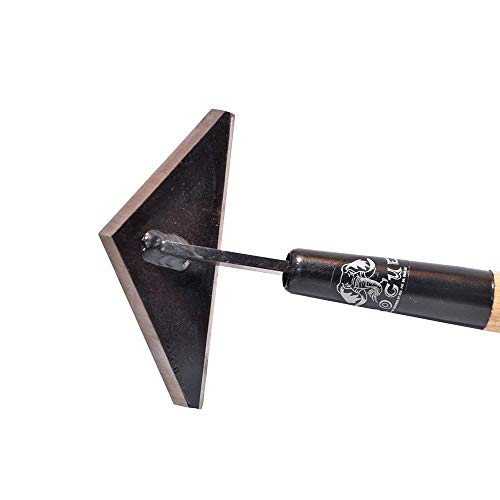
Rogue 60-Inch Ash 6-Inch Triangular Hoe
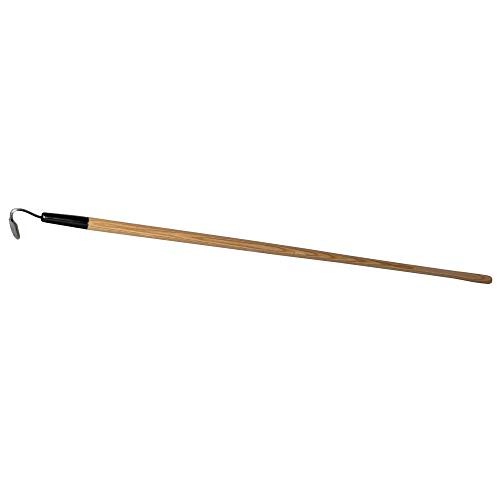
Rogue 5.75″ Disc Hoe 60-Inch Ash Handle

Rogue 575G Garden Hoe 54-Inch USA Made

Haliaeetus Scuffle Hoe for Raised Beds

Rogue Scuffle Hoe 60-Inch Tempered Steel
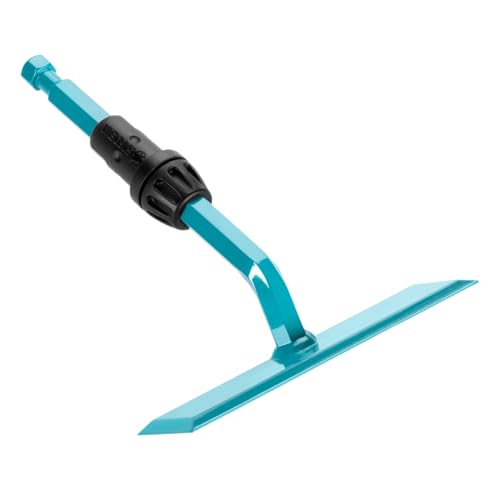
Gardena combisystem Push-Pull Hoe GARDEX
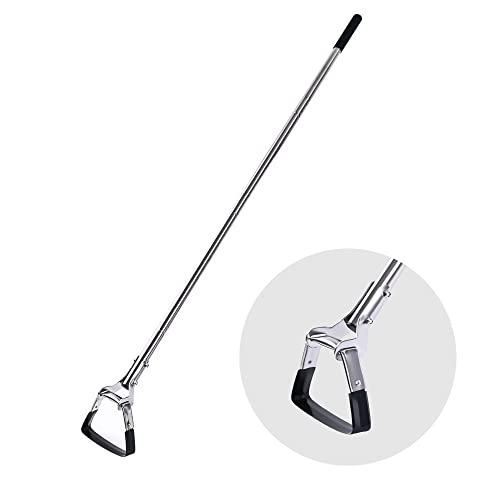
BARAYSTUS Garden Hoe 55.9-Inch Adjustable

2-in-1 Stirrup Hoe and Cultivator Rake
More Details On Our Top Picks
Short-handled scuffle hoes shine where full-length tools feel awkward, and the Walensee Stirrup Hoe leans into that strength. The hollow trapezoid-shaped head (a stirrup hoe uses an open frame rather than a solid blade) works as a hoe, rake, and grass scraper in a single pass, letting you clear a flower bed edge without switching tools.
The ergonomic rubber handle keeps grip secure during long sessions, and the compact format fits nicely in tight planting pockets. New gardeners get a forgiving introduction without a major investment, while the multi-purpose head handles weeding, loosening soil, and light cultivation with equal ease. For most backyards this hits a comfortable middle ground between a full-size hoe and a hand trowel.
The Helpful Details
- Hollow trapezoid head doubles as hoe, rake, and grass scraper
- Rubber grip reduces hand fatigue in extended sessions
- Compact enough for raised beds and container gardening
- Lightweight build suits smaller-framed gardeners well
- Versatile across weeding, seeding, and soil loosening tasks
Things To Consider
- Smaller head covers less ground per stroke on bigger plots
- Short handle requires bending or kneeling in open garden rows
- Storage is easy but reach is limited compared to long-handle hoes
Who It Suits Best
Beginner gardeners and apartment growers working raised beds, container gardens, or small herb patches where precision matters more than raw coverage.
Consider Something Else When
Anyone managing long vegetable rows should look at the Rogue 60-Inch Ash 6-Inch Triangular Hoe instead, since the long handle saves your back on bigger sweeps.
The Rogue 70G earns its place as the original workhorse in the Rogue lineup, and the difference shows up the moment you grip the thick 1.25-inch handle. The 7-inch head carries three sharpened edges, which means the blade cuts on the push stroke and the pull stroke without flipping the tool over. That single detail halves the labor on larger weed patches.
The 54-inch ash handle gives most users a comfortable upright stance, sparing the lower back during long sessions. Compared with the compact Walensee that opened this list, the 70G trades portability for raw coverage and tougher steel. The trade-off is weight; smaller-framed gardeners may find the heft noticeable after an hour, but for breaking new ground or reclaiming neglected plots, the muscle here pays off.
What Helps Most
- Three sharp edges cut weeds on both push and pull strokes
- Thick 1.25-inch handle resists bending under heavy load
- 7-inch head clears significant ground per sweep
- Upright working height saves back strain on big jobs
Worth Noting
- Heavier build may tire smaller gardeners during extended use
- Wider head can disturb soil close to tender root zones
Right Fit For
Homeowners tackling overgrown patches, market gardeners prepping new beds, and anyone needing a durable all-purpose hoe for tough soil.
Look Elsewhere When
Gardeners with closely spaced plants should consider the Rogue 60-Inch Ash 6-Inch Triangular Hoe, since its narrower head slips between crops more easily.
The triangular head on this Rogue model solves the spacing problem that wider hoes create, slipping into tight rows where a 7-inch blade would scalp your seedlings. All three sides arrive sharpened from the manufacturer, so the tool slices weeds from any angle you swing it. For densely planted vegetable beds, that geometry is the whole story.
The 60-inch ash handle offers a comfortable balance point that seasoned gardeners appreciate, and depending on your grip strength you may even guide it one-handed on shallow passes. The head’s longevity is a quiet selling point; this style of forged tool tends to outlast cheaper stamped alternatives by years of regular use. If your priority is precision weeding around established plants, this pick earns a hard look.
The Practical Payoff
- Triangular head fits between closely spaced plants
- Sharpened all three sides for versatile cutting angles
- 60-inch ash handle offers strong weight balance
- Forged construction tends to outlast stamped competitors
Trade Offs
- Narrower profile covers less ground than wider hoes
- Long handle may be cumbersome for shorter gardeners
Made For
Vegetable gardeners managing crowded rows and anyone who needs surgical weeding without disturbing the surrounding crop root systems.
Skip It When
Homeowners working open lawn edges or large uncultivated areas should reach for the Rogue Heavy Duty Hoe 70G instead, since its wider head clears ground faster.
Tempered steel makes the difference on a hoe that takes abuse, and the Rogue 575 is cut from reclaimed agricultural disc blade stock for serious durability. The 5.75-inch head hits a sweet spot often called the right size for both men and women, which suggests the maker has thought about who actually swings these tools. All three sides arrive sharpened from the factory.
This model handles the push-pull scuffling motion that defines the category, but it also packs enough weight to break open new ground and turn over established rows. Compared with the triangular Rogue reviewed just above, this disc-blade version has a slightly different feel and geometry suited to heavier soil work. For gardeners who split time between maintenance weeding and seasonal bed prep, that dual capability matters.
The Value In It
- Reclaimed disc blade steel offers long-term toughness
- 5.75-inch head balances coverage and maneuverability
- Precision-sharpened edges reduce effort on each stroke
- Handles both routine weeding and seasonal ground-breaking
Points To Note
- Steel density adds noticeable weight during long sessions
- Best suited to open ground rather than tight plant spacing
Who Should Grab It
Gardeners who want a single hoe that handles spring bed preparation as well as mid-season weed maintenance without switching tools.
A Better Fit Elsewhere
Anyone working tight raised beds should consider the Haliaeetus Scuffle Hoe for Raised Beds instead, since its shorter handle geometry suits close-quarters work better.
The 575G shares its head design with the longer-handle Rogue reviewed earlier but trims two inches off the handle, putting it in a more manageable size bracket for many users. The head measures roughly 5.75 inches wide by 2.5 inches tall, cut in one piece and bent into shape from hardened reclaimed disc blade steel. You can turn it on its side to slip into tight spots without giving up the cutting power.
Sharpened on all three sides out of the box, the head is sold ready for immediate scuffling work. The 54-inch handle is friendlier for gardeners who find 60-inch tools overly long, and depending on your height you may appreciate the more controlled swing. For mixed-use gardens where you transition between wide sweeps and narrow weeding, this handle length tends to feel just right.
Reasons It Performs
- Compact 54-inch handle suits a wider range of gardener heights
- Reclaimed disc blade head offers solid steel durability
- Sharpened all sides for push-pull versatility
- Side-on use possible for tight space work
Small Caveats
- Slightly less reach than 60-inch models on flat ground
- Made in USA construction often carries a higher price tier
Best Suited To
Mid-sized growers and homeowners who want a durable domestic-made hoe that handles both routine weeding and seasonal soil work.
Swap It Out When
Gardeners who need a folding or adjustable system should look at the BARAYSTUS Garden Hoe 55.9-Inch Adjustable, since its height settings serve multiple users better.
Raised beds change the geometry of weeding, and the Haliaeetus Scuffle Hoe is built specifically for that working height. The short handle solves the common complaint that long-handle hoes feel awkwardly tall when you are crouched beside a bed. You get upright posture without the head crashing into the bed edge.
The oscillating stirrup head (a hinged frame that pivots as you push and pull) chops weeds just below the surface with a back-and-forth motion that requires surprisingly little effort. That push-pull design tends to halve the time spent weeding compared with chopping motions, and the 16.8-inch overall length keeps the tool maneuverable in tight corners. For gardeners who have already invested in raised bed infrastructure, this pick matches that environment almost perfectly.
Standout Benefits
- Short handle suits raised bed working height precisely
- Push-pull head slices weeds with less effort
- Compact form reaches tight corners easily
- Lightweight build reduces fatigue during longer sessions
Areas To Watch
- Short handle requires bending or kneeling on ground-level rows
- Stirrup mechanism needs occasional clearing of debris
Whose Shelf It Belongs On
Raised bed gardeners and anyone working waist-high planters where a long-handle hoe would feel clumsy and overshoot the work area.
Reach For A Different Pick When
Gardeners managing ground-level rows should pick the Rogue 60-Inch Ash 6-Inch Triangular Hoe, since its upright stance suits flat garden plots much better.
Handmade tools carry a different feel from mass-produced alternatives, and this Rogue scuffle hoe leans into that craftsmanship. The 6-inch triangular head uses high-grade tempered steel with all three sides precision-sharpened for the push-pull motion that defines the category. The 60-inch wooden handle provides the classic long-reach posture most gardeners expect from a full-size hoe.
This model doubles as a planting, soil-moving, and rock-raking tool thanks to the head geometry. Depending on your soil conditions, you may find it works well for breaking new ground as well as maintaining established beds. Compared with the disc-blade Rogue reviewed earlier, the triangular shape here reaches better into tight plant spacing while keeping the cutting power of a forged head.
Positive Takeaways
- Handmade construction with high-grade tempered steel
- Triangular head reaches between plants without disturbance
- 60-inch wooden handle offers traditional long-reach comfort
- Versatile across weeding, planting, and light cultivation
Honest Caveats
- Handmade status often means a higher price point
- Wooden handle may require occasional conditioning
Perfect Match For
Demanding home gardeners and small-scale market growers who want a handcrafted hoe with the feel and longevity of a traditional farm tool.
Not Your Match When
Anyone on a tighter budget should consider the Walensee Stirrup Hoe Hand Scuffle Weeder, which offers a more accessible entry point into the category.
Modular garden systems reward shoppers who already own compatible components, and the Gardena GARDEX slots into the combisystem lineup with a 14-centimeter working width. The push-pull blade design (a flat cutting edge that works forward and backward without lifting) handles weeding along beds and paths with a clean stroke that most gardeners pick up within minutes.
The fitting system screws onto any Gardena combisystem handle, and the manufacturer recommends a 150-centimeter handle for upright comfort. That modularity means you can swap heads seasonally without buying a complete tool each time. If your shed already holds Gardena rakes and cultivators, this hoe integrates into that ecosystem without adding storage clutter from a new handle.
Why It Works Well
- 14-centimeter head fits neatly between rows and along paths
- Push-pull design cuts on both directions of stroke
- Modular fit works with existing Gardena combisystem handles
- Compact head weight reduces fatigue during detail work
Things To Weigh
- Requires a separate Gardena handle purchase if you lack one
- International product variant may differ from domestic equivalents
Built With In Mind
Gardeners already invested in the Gardena combisystem who want to add a quality weeding head without buying a whole new tool.
Another Choice May Suit
Shoppers without an existing modular system should pick the BARAYSTUS Garden Hoe 55.9-Inch Adjustable, which arrives as a complete tool ready to use.
Shared tools need to fit multiple users, and the BARAYSTUS Garden Hoe answers that with three height settings at 55.9, 41.75, and 27.55 inches. That adjustability lets you hand the same tool between an adult gardener and a younger helper without anyone working in an awkward posture. The hollow loop head design handles the classic push-pull scuffling motion.
The thickened stainless steel rod construction is heavier than many budget competitors, and depending on your soil you may appreciate the extra durability. The product arrives thicker than most edgers in the same category, suggesting the maker prioritized longevity over lightweight portability. For households where more than one person gardens, the adjustable format avoids buying duplicate tools.
The Case For It
- Three height settings serve multiple users in one household
- Hollow loop head performs push-pull scuffling efficiently
- Thickened stainless steel rod adds structural durability
- Adjustable format eliminates need for separate child-sized tool
Potential Compromises
- Adjustment mechanism can loosen over repeated height changes
- Heavier rod construction may tire smaller users quickly
Who Will Love This
Multi-user households and family gardens where parents and kids share weeding duties and need a tool that adapts to each person’s height.
Where A Sibling Pick Shines
Single-user gardens focused on heavy soil work should consider the Rogue 575G Garden Hoe 54-Inch USA Made, since its forged head handles tougher ground conditions.
Two heads in one tool changes the math on garden storage and task switching, and this combination model packs a stirrup hoe and a 4-tine cultivator rake into a single shaft. You can slice surface weeds in flower beds with the push-pull blade, then flip the tool to loosen soil, break small clumps, and mix compost with the rake side. That versatility reduces trips back to the shed.
The rust-resistant sharpened stainless steel blade handles routine weeding just below the surface, while the pointed rake teeth dig in for aerating planting beds and lifting small roots. The adjustable 60-inch handle accommodates different user heights, and depending on your workflow you may find the dual-head design replaces a separate cultivator altogether. For gardeners with limited storage space who want maximum function per tool, this design is worth considering.
Real Benefits
- Dual-head design replaces two separate tools
- Sharpened stainless steel resists rust through seasons
- Push-pull blade handles routine surface weeding
- Rake side aerates, lifts roots, and mixes compost
- Adjustable 60-inch handle fits multiple user heights
Details To Watch
- Heavier combined head may feel front-loaded during use
- Flip mechanism needs occasional cleaning to stay smooth
The Right Fit
All-in-one gardeners with limited storage who want maximum task coverage from a single tool and value adjustability across user heights.
Where Another Pick Suits Better
Single-task weeding specialists should consider the Haliaeetus Scuffle Hoe for Raised Beds, whose dedicated short-handle design handles close-quarters work without the added head weight.
What To Weigh Before Choosing A Scuffle Hoe
Head geometry drives most of the day-to-day experience. Triangular heads slip between plants, rectangular stirrup heads cover ground faster, and disc-blade designs handle heavier soil work. Pick the shape that matches your planting density rather than chasing the largest head available.
Handle length affects posture more than most shoppers expect. A 60-inch handle suits tall gardeners working flat ground, while a short handle wins on raised beds and container gardens. Adjustable handles serve multi-user households but often sacrifice the solid feel of a one-piece shaft.
Material choice tells you about longevity. Forged steel heads outlast stamped alternatives by years of regular use, while hollow stainless steel loops offer lighter weight for casual gardeners. Ash handles feel traditional and absorb vibration, whereas fiberglass and metal handles resist weathering longer. Match the construction to your soil and how often you plan to swing the tool.
Key Considerations Across These Picks
Pitfalls Shoppers Hit
Many first-time scuffle hoe shoppers underestimate head size, buying a wide model that scalps seedlings in closely planted beds. Measure your typical row spacing before committing to a head width, and remember that a narrower blade reaches where wider ones cannot. Another common slip is ignoring handle length; the wrong size leaves you bent over or stretching awkwardly, which makes weeding feel like a workout rather than a routine task.
Where The Extra Money Goes
Premium forged heads cost more because they survive decades of soil contact without bending or cracking. Handmade triangular hoes command higher prices due to the labor involved in shaping and sharpening each unit individually. Adjustable handles and dual-head designs also add cost through additional mechanical parts that must hold up to repeated use. Paying more typically buys either better steel, tighter tolerances, or modular flexibility that cheaper alternatives skip.
Frequently Asked Questions
What is a scuffle hoe used for?
A scuffle hoe cuts weeds just below the soil surface with a push-pull motion rather than chopping downward. The shallow slice severs weed roots without disturbing crop root systems or bringing new weed seeds to the surface.
How does a stirrup hoe differ from a regular hoe?
A stirrup hoe uses an open frame head that oscillates as you push and pull, while a traditional hoe has a solid blade that strikes downward. The push-pull motion of a stirrup design reduces labor and works faster on established weed growth.
What handle length works best for raised beds?
Short handles around 16 to 24 inches typically suit raised bed work because they match the working height of the bed edge. Long-handle hoes feel awkward and overshoot the planting area when you are crouched beside a raised bed.
Can scuffle hoes handle tough perennial weeds?
Scuffle hoes work best on young annual weeds and shallow-rooted plants. Tough perennial weeds with deep taproots usually require a different approach, since the shallow slicing motion does not reach deep enough to kill them.
How do I maintain a scuffle hoe head?
Keep the blade sharp with periodic filing, wipe it clean after each session to prevent rust, and store it indoors or under cover. Wooden handles benefit from occasional oil conditioning to prevent drying and cracking over multiple years.
Bottom Line
The right scuffle hoe depends more on your planting layout and working height than on any single spec sheet. Raised bed gardeners will feel the difference a short handle makes, while market growers with long rows want the upright stance of a 60-inch ash handle. Pick the head shape that matches your plant spacing, choose a handle length that keeps your posture honest, and you will find weeding turns from a chore into a quick weekly rhythm.
