

Healthy soil is the unglamorous backbone of every thriving garden, and seaweed-based fertilizers have earned a quiet following among growers who want a gentler alternative to harsh synthetics. Whether you’re nursing a windowsill pothos, reviving a tired lawn, or feeding a backyard tomato patch, the right kelp-derived product can nudge growth along without the chemical burn. This roundup breaks down eight seaweed fertilizers that span liquids, powders, and dry meals, so you can match the format and concentration to your actual setup.
A Side-By-Side Look
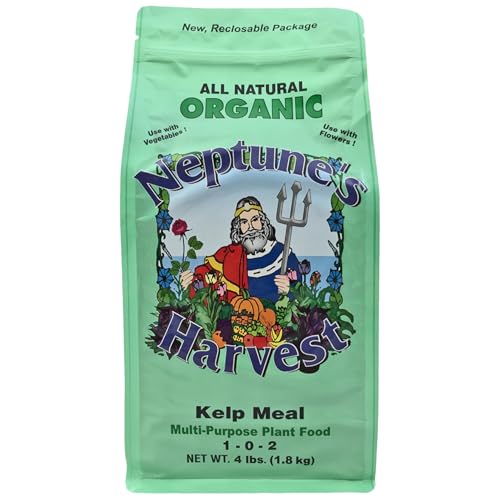
Neptune’s Harvest Organic Kelp Meal Plant Food 1-0-2 (4 lb)

Smart Grower Sea-Kelp Fertilizer (2 oz Powder)

Neptune’s Harvest Seaweed Plant Food 0-0-1 (Quart)

General Hydroponics FloraBlend GH1592 (1 Qt.)

Big Green Leaves Indoor Plant Food 4X (1 lb)

Grow Goodies All Purpose Plant Food Triple 16 (1 lb)

Maxicrop Original Liquid Seaweed (1 Gallon)

BLESS YOUR SOIL Plant Food + Neem Oil Spray Kit
More On The Choices That Made The List
If your gardening life centers on a backyard bed or a midsize lawn, a dry kelp meal can quietly outperform splashier liquid feeds over a full season. Neptune’s Harvest Kelp Meal is a granular option made from Ascophyllum nodosum seaweed, the same cold-water kelp that anchors most of the entries on this list, and it carries a modest 1-0-2 NPK ratio that favors gentle nitrogen and a touch of potash without forcing fast top growth.
For most home growers, the appeal is the slow-release behavior: you work the meal into the top few inches of soil and it breaks down gradually, feeding soil microbes along with the plant roots. Compared with the liquid picks later in the list, this one trades quick green-up for longer soil-building mileage.
Standout Benefits
- Slow-release format feeds soil biology steadily over weeks rather than forcing a quick flush of growth.
- Dry meal is forgiving on dosage, so accidental overapplication is less likely to scorch tender seedlings.
- Four-pound resealable bag covers a meaningful vegetable bed or a small lawn without constant refills.
- Compatible with both indoor containers and outdoor beds when worked into the topsoil layer.
Points To Note
- Granular meal needs to be mixed into soil or top-dressed and watered in, so it’s less convenient than a ready-to-pour liquid.
- You’ll see faster visual response from a liquid kelp if your plants are already in active growth and need an immediate lift.
Right Fit For
Vegetable gardeners and lawn owners who prefer set-it-and-forget-it feeding schedules over weekly liquid routines.
Skip It When
You’re maintaining a strictly indoor foliage collection, in which case the Big Green Leaves Indoor Plant Food is a more focused fit.
Storage space disappears fast in an apartment gardening setup, and a quart bottle of liquid kelp is annoying to stash behind a row of watering cans. Smart Grower’s 2 oz foil pouch solves that problem by going small in the cupboard and large in the watering can: the powder is meant to dissolve into roughly 50 gallons of finished feed, which is enough for months of routine watering on a balcony or windowsill collection.
The formula is built around the same Ascophyllum nodosum base you’ll find in larger competitors, with a 0-0-18 soluble potash figure that makes it more of a finishing-and-resilience feed than a vegetative booster. If you keep mostly flowering or fruiting plants and want a low-shelf-space option, this one earns a look.
Where It Helps
- Compact 2 oz pouch is genuinely shelf-friendly compared to gallon jugs of liquid kelp.
- High potash number targets flowering, fruiting, and overall stress tolerance rather than leafy push.
- Dry powder format sidesteps the freezing risk that hits liquid kelp in unheated sheds during winter.
Honest Caveats
- You have to measure and mix each batch, which adds a step versus a pour-and-go liquid.
- A single pouch is meant to be used over time, so you’ll want a dry storage spot to keep the powder from clumping.
- If your collection leans heavily toward foliage houseplants, the potash-leaning ratio is less targeted than Big Green Leaves Indoor Plant Food.
Feature Snapshot
Built With In Mind
Balcony and small-space growers who want serious coverage from a package that fits in a kitchen drawer.
Look Elsewhere When
You’d rather mix once and pour, in which case Neptune’s Harvest Seaweed Plant Food is a more hands-off liquid option.
Liquid kelp is the format most gardeners reach for first, and Neptune’s Harvest quart bottle is the closest thing the category has to a baseline reference. The 0-0-1 NPK is intentionally mild, which reflects how kelp is used in practice: not as a primary nutrient source, but as a complement that delivers trace minerals, amino acids, and natural growth promoters on top of whatever base fertilizer you’re already using.
Quart sizing hits a useful middle ground between the apartment-friendly Smart Grower pouch and the bulkier Maxicrop gallon reviewed later. Compared to the dry kelp meal that opened this list, the liquid form gives you faster visible response and easier foliar feeding when leaves need a midseason pick-me-up.
Notable Upsides
- Liquid format is genuinely easy to measure and pour, with no mixing of powders required.
- Mild 0-0-1 NPK plays nicely alongside a separate base fertilizer without overloading nitrogen.
- Quart size suits mixed indoor and outdoor use without committing to a full gallon jug.
Trade-Offs
- Mild NPK means you still need a primary fertilizer for hungry crops like tomatoes or corn.
- Liquid kelp can darken or develop mild odor over time, which is normal but worth knowing before storing near food prep areas.
Who It Suits Best
General-purpose gardeners who want a flexible liquid supplement to pair with an existing feeding routine.
Reach For A Different Pick When
You need higher NPK in a single product, in which case Grow Goodies All Purpose Plant Food Triple 16 is the heavier hitter.
If your grow space is a tent, a closet, or a dedicated hydroponic shelf, you’re playing a different game than a backyard bed, and General Hydroponics FloraBlend is built for that environment. It’s positioned as a compost-tea-style supplement you run alongside your regular nutrient program, and it’s labeled for use from germination through the ripening stage, which removes the guesswork of swapping supplements mid-run.
The 0.5-1-1 NPK is a touch beefier than the Neptune’s Harvest quart and adds a small nitrogen and phosphorus component. In a hydroponic or coco setup that already handles base nutrients, FloraBlend slots in as the seaweed-and-rock-mineral complement rather than a stand-alone feed.
Where It Delivers
- Multi-stage compatibility covers germination, vegetative growth, flowering, and ripening in one product.
- Liquid format mixes cleanly into reservoir water without the clumping risk of dry kelp meal.
- Designed to complement a base nutrient program, which suits growers who already run a feeding schedule.
Things To Weigh
- It’s a supplement, not a complete feed, so beginners may need a parallel base nutrient line to see results.
- Bottle and label are aimed at indoor growers, so it’s not the natural first pick for an outdoor flower bed.
Quick Facts
Made For
Indoor and hydroponic growers who already understand base nutrients and want a seaweed-based booster to round out the program.
A Better Fit Elsewhere
Casual outdoor gardeners would find Neptune’s Harvest Seaweed Plant Food easier to integrate into a soil-based routine.
Houseplants are a different feeding environment than a vegetable bed: lower light, smaller root zones, and a much narrower margin for nutrient burn. Big Green Leaves Indoor Plant Food leans into that reality with a urea-free 12-4-8 NPK profile and added organic sea kelp, so you’re getting macronutrients for steady leaf growth without the harsh salt buildup that some synthetic fertilizers leave behind in container soil.
The 4X concentration is the practical hook: a single 1 lb tub goes a long way when you’re only feeding a windowsill collection. Compared to the Neptune’s Harvest quart, this product carries real primary nutrients instead of relying on kelp as a supplement, which is why it earns the indoor-foliage slot on this list.
The Value In It
- 12-4-8 NPK provides actual primary nutrition rather than acting as a stand-alone supplement.
- Urea-free formula reduces the leaf-tip burn that often shows up on sensitive houseplants.
- 4X concentration stretches a 1 lb tub across many watering cycles for typical collections.
Practical Considerations
- Higher NPK means you need to follow dilution rates carefully to avoid salt buildup in small containers.
- It’s designed for indoor foliage, so outdoor beds will burn through the small tub quickly.
Whose Shelf It Belongs On
Indoor plant parents with mixed foliage collections who want a single food that covers most common houseplants.
Swap It Out When
Your main goal is a calming foliar routine, in which case the BLESS YOUR SOIL Plant Food plus Neem Oil kit adds leaf-cleaning into the mix.
Most seaweed fertilizers on this list work best as complements to a base nutrient program, but Grow Goodies All Purpose is built to be the main course. A balanced 16-16-16 NPK delivers equal parts nitrogen, phosphorus, and potassium, and the formula adds organic seaweed and botanical kelp into the same package. The result is a hybrid that doesn’t make you choose between conventional feeding and kelp benefits.
The positioning is broad, covering roses, vegetables, orchids, tomatoes, and general gardens, which is a clue that the manufacturer expects heavy feeders. If your yard includes any of those demanding plants, this is the most direct seaweed-augmented option in the roundup.
Practical Pluses
- Triple 16 NPK stands on its own as a primary feed for demanding flower and vegetable beds.
- Combined synthetic and organic profile means you don’t have to blend multiple products.
- One-pound package covers a meaningful share of a backyard without constant restocking.
Smaller Limitations
- Higher NPK raises the stakes on overapplication, so measuring matters more than with mild kelp-only options.
- It’s overkill for delicate houseplants that thrive on gentler feeding schedules.
Feature Rundown
Best Suited To
Garden owners running mixed flower, rose, and vegetable beds who want a single bag rather than a multi-product stack.
Consider Something Else When
Your feeding plan revolves around gentle, low-NPK kelp supplementation, in which case Neptune’s Harvest Seaweed Plant Food is a calmer choice.
Once your garden grows past a few raised beds, small liquid containers become an exercise in constant refilling. Maxicrop’s 1 gallon jug exists for the opposite problem: a property, orchard, or community garden where you want to mix large watering cans or hook up a hose-end sprayer. The “Original” naming is a hint that this is a long-standing formula, not a flashy rebrand.
Liquid kelp at gallon scale is mostly about convenience per ounce. If you already trust the Neptune’s Harvest quart, Maxicrop gives you the same general use case with fewer bottle changes, which makes routine feeding feel less like a chore across a busy growing season.
The Good Stuff
- Gallon size cuts down on packaging waste and bottle swaps for high-volume users.
- Liquid kelp format doubles as a foliar feed, useful for quick stress relief during heat waves.
- Established formula has been on the market long enough to have a track record among home growers.
Worth Bearing In Mind
- A full gallon is heavy and awkward to handle for anyone with limited lifting capacity.
- Liquid kelp can develop odor over time, so storage in a ventilated shed beats a sealed closet.
Spec Overview
Who Will Love This
Big-yard growers and orchard owners who burn through smaller containers too quickly to make them practical.
Where Another Pick Suits Better
Small indoor collections will get more mileage from the Smart Grower Sea-Kelp pouch, which stores in a drawer.
Most fertilizer reviews stop at feeding, but healthy leaves also need to stay clean to photosynthesize efficiently. This BLESS YOUR SOIL bundle pairs a seaweed-rich liquid plant food with a botanical neem-based leaf wash, which positions it as a small routine rather than a single product. For leafy houseplants like pothos, philodendrons, and monsteras, that combination covers both nutrition and surface care in one purchase.
The kit is built for the same indoor audience that gravitates toward Big Green Leaves, but it adds the leaf-polishing step that some growers handle with a damp cloth. If you’ve ever wished your fertilizer brand also handled dust on the leaves, this is a sensible package.
Everyday Perks
- Two-product bundle covers feeding and leaf cleaning in a single purchase.
- Seaweed-rich liquid food supports the same foliage benefits as standalone kelp products.
Less Ideal Details
- Neem leaf wash adds a botanical scent that some people find strong in small rooms.
- The kit is built for indoor foliage, so outdoor vegetable growers will outgrow it quickly.
Perfect Match For
Indoor plant caretakers who already wipe leaves down and want to fold feeding into the same routine.
Not Your Match When
You need a feed that handles a backyard’s worth of beds, in which case Maxicrop Original Liquid Seaweed scales up better.
What Matters Most Before Choosing Seaweed Fertilizers
Match The Format To Your Routine
Liquid kelp is the easiest entry point because you measure, dilute, and pour, but it means more frequent applications. Dry kelp meal trades convenience for slow-release soil building, which suits gardeners who’d rather feed once and let microbes do the work. Powder concentrates like the Smart Grower pouch split the difference and earn their keep in small storage spaces.
Read The NPK Honestly
Seaweed fertilizers often carry low NPK numbers because the product is meant to complement, not replace, a base feed. If you need real primary nutrition for heavy feeders, look at hybrid options like Grow Goodies Triple 16 that pair kelp with a full macronutrient profile. If you’re already running a base nutrient line, a milder 0-0-1 or 0-0-18 kelp-only formula fits the bill.
Think About Storage And Shelf Life
Liquid kelp can develop mild odor over time, and gallon containers are heavy. Dry meal and powder pouches store anywhere dry and stay light on a shelf. Cold sheds can freeze liquid products, which shortens shelf life and may change the texture, so consider where the bottle will actually live.
Consider Scale And Application
Apartment growers and indoor collections are well served by concentrates and small tubs. Raised beds and small lawns do fine with quart bottles or dry meal. Larger yards, orchards, and community gardens are where gallon liquid or bigger dry bags start to make economic sense.
Picking Smart In The Seaweed Aisle
Common Slip Ups
The most frequent error is treating kelp as a stand-alone fertilizer for hungry crops and then wondering why growth stalls. Kelp shines as a complement, so pair it with a base nutrient program matched to your crop. Another easy miss is overapplying a higher-NPK hybrid like a 16-16-16 product to sensitive houseplants, which can scorch roots in small containers.
When Paying More Pays Off
Premium tier spending in this category usually buys concentration and packaging rather than mystery ingredients. A 4X concentrated tub, a gallon jug, or a kit that bundles feeding with leaf care often works out to less per feeding than a smaller bottle, especially for routine users. The honest read is that price differences mostly reflect format, scale, and convenience rather than a dramatic gap in plant outcomes.
Frequently Asked Questions
How Often Should You Apply Seaweed Fertilizer?
Liquid kelp is typically applied every 2 to 4 weeks during active growth, while dry kelp meal is often worked into soil once at the start of the season and refreshed as needed. Always follow the specific product’s label for rates, because concentration varies widely between options.
Can You Use Seaweed Fertilizer On Indoor Houseplants?
Yes, and many products on this list are designed with houseplants in mind. Look for urea-free formulas with milder NPK numbers, and dilute carefully to avoid salt buildup in small containers. Foliar application on leafy plants is also widely reported as a quick stress-relief move.
Is Seaweed Fertilizer A Complete Plant Food?
Pure kelp products are usually supplements rather than complete feeds because their NPK numbers are intentionally low. For heavy feeders, you’ll want a hybrid product with higher NPK, or plan to pair kelp with a separate base fertilizer that covers the primary macronutrients.
Will Seaweed Fertilizer Burn Plants?
Pure kelp products have very low burn risk because of their mild NPK, but hybrid products with higher NPK can burn if overapplied. Diluting to the recommended rate and avoiding dry application directly against stems are common-sense precautions.
Does Seaweed Fertilizer Help With Plant Stress?
Many growers use kelp-based products specifically to help plants recover from transplant shock, heat stress, and minor drought. The trace minerals and natural growth promoters in Ascophyllum nodosum are the working theory behind that resilience benefit, which is why foliar feeding is popular during heat waves.
Wrap Up
The right seaweed fertilizer depends less on the brand and more on the format that fits your routine: slow-release dry meal for low-effort soil building, liquid concentrate for flexible feeding, powder pouches for small storage spaces, and hybrid high-NPK options for heavy feeders. Pick the shape that matches how you actually garden, and the kelp’s trace minerals and growth promoters do the rest of the work in the background.
