

A tired, patchy lawn rarely comes down to bad luck. Most thin or weedy yards trace back to one of two things: grass seed that wasn’t matched to the conditions, and soil that’s running on fumes. The right pairing of seed and fertilizer can flip that story in a single season, and you don’t need a turf degree to get there. This roundup focuses on the practical combos that actually move the needle at home.
The Leading Options At A Glance
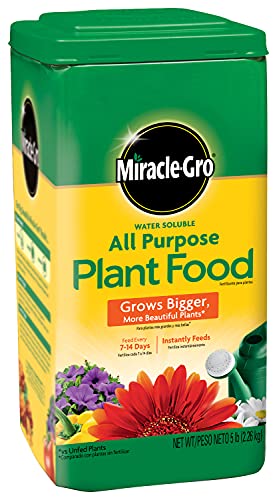
Miracle-Gro Water Soluble All Purpose Plant Food, 5 lb.

Wiggle Worm 100% Pure Organic Worm Casting Fertilizer, 4.5lb
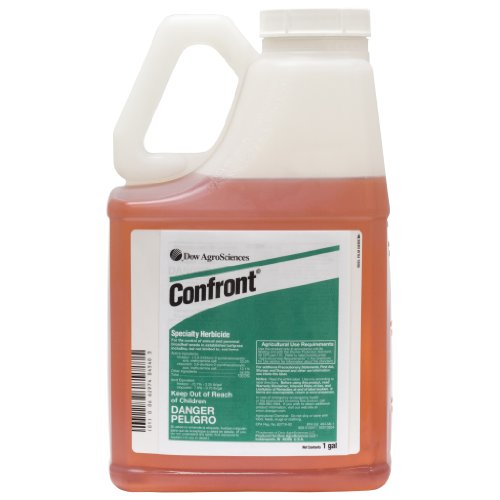
Confront – 1 Gallon – Broadleaf Control for Lawns

Outsidepride Legacy Fine Fescue Grass Seed Mix, 5 lbs.
A Closer Look At Each Pick
Water-soluble plant food has earned its reputation for a reason: it dissolves cleanly, travels through a hose-end or watering can, and reaches roots almost immediately. The 24-8-16 nutrient ratio (that’s nitrogen, phosphorus, and potassium, the three numbers every fertilizer bag displays) tilts heavily toward nitrogen, the element grass craves for blade growth and that deep green color.
For most homeowners with mixed beds, vegetable plots, and lawn edges to cover, this single container pulls double duty. You won’t be juggling five different bags for your tomatoes and your turf.
Strengths Worth Knowing
- 24-8-16 ratio delivers a strong nitrogen push for visibly greener grass within days, which matters during spring wake-up or post-stress recovery.
- Water-soluble format works with standard hose-end feeders and watering cans, so you skip the spreader cleanup that granular products demand.
- Covers a wide plant list including roses, vegetables, and houseplants, meaning one container handles beds, borders, and containers alongside the lawn.
- A 5 lb. jar feeds a meaningful area, useful for households that reapply every 7 to 14 days through the growing season.
Things To Consider
- Reapplication is the trade-off for fast results; missing a scheduled feed can let color fade quickly compared to slow-release options.
- Storage matters: keep the bag sealed and dry, since moisture clumps the powder and can throw off your measuring scoop.
Who It Suits Best
Homeowners who want a single container to handle both lawn feeding and garden beds, and who don’t mind sticking to a regular schedule.
Where Another Pick Suits Better
Gardeners focused on rebuilding tired soil over multiple seasons will get more mileage from Wiggle Worm 100% Pure Organic Worm Casting Fertilizer, which feeds the soil ecosystem rather than just the plant.
Worm castings sit in a different category than synthetic feeds. Rather than pushing nutrients directly into the plant, they rebuild the soil itself, the tiny football-shaped particles loosen compacted earth, balance drainage, and feed the microbial life that does the long-term work.
Where the Miracle-Gro entry hands grass a quick meal, this product works on the kitchen that feeds the grass. For yards with heavy clay, sandy patches, or a few seasons of neglect, that foundation-first approach tends to pay off over time.
What Works In Its Favor
- Listed by OMRI for organic use, so it fits gardens where synthetic feeds are off the table.
- The particle shape improves aeration and water retention in both dense and loose soils, which matters for lawns that puddle or dry out fast.
- Applied as a top dressing above the root zone three times a year, or as a transplant boost, with a half-cup per spot application.
Worth Noting
- Visible green-up is slower than with synthetic feeds, so patience is part of the program during the first season.
- The 4.5 lb. bag covers less ground than granular lawn fertilizer at the same weight, given the recommended application rate.
Feature Snapshot
Right Fit For
Organic-focused gardeners rebuilding tired soil, and anyone establishing new beds or recovering lawn areas over multiple seasons.
Reach For A Different Pick When
Homeowners who need fast color before an event should pair the castings with the Miracle-Gro Water Soluble All Purpose Plant Food for quicker visible results.
A thick, healthy lawn is the goal, but weeds rarely wait for your seeding schedule. Confront tackles the broadleaf category specifically: dandelions, clover, plantain, chickweed, and a long list of similar invaders that crowd out turf. Think of it as the cleanup pass before or between fertilizer and seeding cycles.
For homeowners whose lawn looks more like a wildflower meadow each spring, this concentrated gallon covers meaningful ground and targets weeds without damaging the surrounding grass when applied as directed.
Practical Pluses
- Targets a wide broadleaf list including dandelion, clover, plantain, chickweed, and ground ivy, which covers most common lawn invaders.
- A one-gallon concentrated format suits large lawns, professional applications, or repeated seasonal treatments.
- Selective action means it focuses on broadleaf weeds while leaving established turfgrass largely unharmed.
Honest Caveats
- Not a fertilizer or seed, so it complements rather than replaces the other picks in this roundup.
- Application timing matters: most users see best results during active weed growth in cooler spring or fall windows.
- Reapplication is common for stubborn perennial weeds like dandelion and Canada thistle, so plan on more than one pass per season.
Who Should Grab It
Homeowners with weed-heavy lawns preparing for a seeding project, since clearing competition first gives new grass a cleaner start.
Swap It Out When
Yards with minimal weed pressure and a focus on thickening existing turf will benefit more from the Outsidepride Legacy Fine Fescue Grass Seed Mix applied as overseeding.
Fine fescue blends are a workhorse for challenging lawns: yards with mature trees, dappled light, or transitions from full sun to deep shade. This mix pulls together hard fescue, Chewings fescue, and creeping red fescue, each contributing a slightly different texture and growth habit. The OptiGrowth coating adds zinc, phosphorus, nitrogen, and kelp to support germination, which matters when soil temperatures are slow to warm in spring or cool in fall.
For properties where half the lawn bakes in afternoon sun and the other half hides under maples, a single bag can handle both zones without juggling two seed products.
The Value In It
- Three fescue varieties in one bag, with 20% hard, 40% Chewings, and 40% creeping red, so you get texture variety from a single purchase.
- OptiGrowth coating supports seed-to-soil contact and even spread, which helps during overseeding or patch repair on bare spots.
- Suitable for both new lawn installation and seasonal overseeding across sun, shade, and transition zones.
- The 5 lb. bag covers a meaningful area for residential overseeding projects or new small-lawn installations.
Points To Keep In Mind
- Cool-season grass performs best in northern and transition-zone climates; deep southern lawns may see summer stress.
- Initial watering during germination is non-negotiable: the coating helps, but consistent moisture during the first two to three weeks drives the success rate.
Feature Card
Built With In Mind
Homeowners with mixed-light lawns, tree-shaded yards, and anyone overseeding cool-season turf in spring or fall.
Skip It When
South Florida or deep South Gulf lawns will find the Outsidepride Legacy Fine Fescue Grass Seed Mix struggles in summer heat, and warm-season seed alternatives serve those regions better.
What Matters Most Before Choosing Seed And Fertilizers For Grass
Start with the seed, not the bag. The grass variety has to match your climate zone, sun exposure, and how much foot traffic the lawn actually takes. Fine fescue blends like the Outsidepride Legacy mix shine in shaded northern lawns, while sunny southern yards may need a different category altogether. Once the seed choice is locked, the fertilizer question becomes much simpler.
Next, think about your soil rather than the plant. A quick soil test reveals pH and nutrient gaps, and that single piece of information prevents most feeding mistakes. Soils with low organic matter benefit from the slow, foundational work of worm castings, while soils already in decent shape respond well to a balanced water-soluble feed like the Miracle-Gro entry.
Weed pressure deserves a separate plan. No fertilizer or seed outcompetes a thick stand of dandelions and clover, so a targeted broadleaf treatment like Confront often belongs earlier in the season, before seeding or heavy feeding begins. For most homeowners, a yearly rhythm of weed control, overseeding in fall, and steady feeding through the growing season covers the major bases without overcomplicating the calendar.
Key Considerations Across These Picks
Where Shoppers Go Wrong
The most common mistake is grabbing a general-purpose fertilizer without checking the NPK ratio, those three numbers on the bag that indicate nitrogen, phosphorus, and potassium levels. A high-nitrogen blend pushes blade growth at the expense of roots, which matters for new seed. The other misstep is seeding over weeds and expecting the new grass to win that fight. Clear the broadleaf competition first with a targeted product, then seed into clean soil for a much higher success rate.
The Case For Spending Up
Premium options in this category tend to invest in coatings, organic certification, or concentrated formats that lower the per-application cost. A coated fescue seed germinates more reliably in tough conditions, and an OMRI-listed worm casting product opens doors for organic gardeners. Paying more upfront usually means fewer repeat applications, less reseeding, and a lawn that holds its own through weather stress, which adds up over multiple seasons.
Frequently Asked Questions
How often should you fertilize a new lawn?
Most cool-season grasses benefit from a starter feeding at seeding, followed by a second application four to six weeks later once the seedlings have established. Avoid heavy nitrogen until the new grass has been mowed at least twice.
Can you apply grass seed and fertilizer at the same time?
Many starter fertilizers are designed for simultaneous application, but standard high-nitrogen feeds can burn young seedlings. Check the product label for “starter” wording, or separate the two applications by two to three weeks for safety.
How long does it take for grass seed to germinate?
Fine fescue typically germinates within 7 to 14 days under ideal conditions, though coated blends may run a few days faster. Soil temperature, moisture, and light all play a role, so the timeline shifts with the season.
Is organic fertilizer better than synthetic for lawns?
Organic options rebuild soil biology and feed slowly, while synthetic feeds push quick visible results. Many homeowners use both: organic matter as a seasonal foundation, and a water-soluble synthetic during peak growth months.
When is the best time to overseed an existing lawn?
Early fall is the gold standard for cool-season grasses, since soil stays warm while air temperatures drop. Spring overseeding works but faces more weed competition and summer stress on young seedlings.
Wrap Up
The right seed and fertilizer pairing comes down to your climate, your soil, and your patience for the project. Start with a soil test, pick seed that matches your light conditions, and feed based on what your lawn actually needs rather than a calendar. The four picks above cover the most common paths: quick feeding, soil rebuilding, weed control, and shaded-lawn seeding. Match one or two to your situation, and the lawn will tell you the rest by midsummer.
