

Starting plants from seed rewards patience in a way few garden tasks do. The right medium makes that patience pay off, holding moisture without suffocating roots and giving tiny stems the support they need through their first fragile weeks. This list rounds up ten practical options across trays, soil amendments, and grow lights so you can build a setup that fits your space, your light situation, and the crops on your wishlist.
A Side-By-Side Look

RODINTO 2-Pack Large Seed Starter Tray with 48 LEDs
MIXC 5 Pack Seed Starter Tray, 200-Cell Greenhouse Kit

Perfect Plants Organic Vermiculite, 8 qt Seed Starting Mix

RODINTO 3-Pack Seed Starter Trays with Heat Mat and Grow Lights

RODINTO Full Spectrum Grow Light, 48 LEDs, 2-Pack

MIXC 10 Pack Seed Starter Tray, 120-Cell Kit
MIXC 6 Pack Seed Starter Kit with Grow Light

RODINTO Large Seed Starter Tray with Heat Mat and 48 LEDs
Miracle-Gro Sphagnum Peat Moss, 8 qt (2-Pack)
RODINTO Full Spectrum LED Plant Light with Telescoping Rod
The Strengths Of Each Pick
Two full trays in one box means you can start a spring cutting garden and a kitchen herb collection at the same time without juggling space. The included full spectrum LEDs (full spectrum means the diodes cover the warm and cool color ranges plants use for photosynthesis) sit on adjustable arms, so seedlings at different stages get usable light without leggy stretching toward a single fixed source.
Drainage holes in each cell tray handle the over-watering accidents that happen when a humidifier runs nearby. Compared to the MIXC kits later in this list, this RODINTO bundle adds built-in lighting, which removes the separate grow light purchase for beginners outfitting a single shelf.
Notable Gains
- Two trays let you run cool-season and warm-season crops side by side.
- Adjustable LED brightness and timer simplify daily lighting routines.
- Humidity dome channels condensation back into the base for steadier moisture.
- Included tools and labels reduce the trips to the garden shed mid-project.
Things To Consider
- Two trays take up more shelf real estate than single-tray starter kits.
- Domes can fog heavily in rooms with poor air circulation, so vent early.
Best Suited To
Beginners and intermediate gardeners starting herbs, lettuces, and tomatoes on a kitchen counter or small shelf.
A Better Fit Elsewhere
Large-volume sowers running classroom or community garden starts may prefer the MIXC 10 Pack Seed Starter Tray for its higher cell count per dollar.
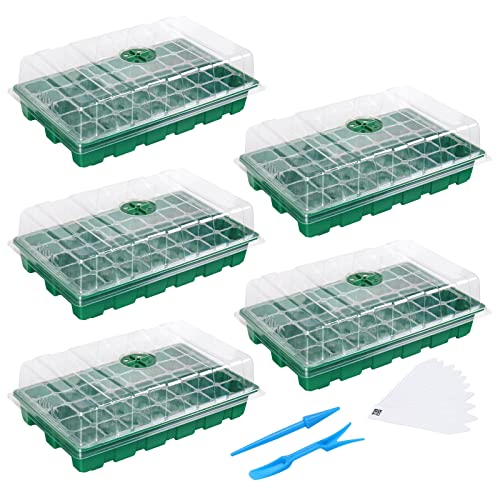
Two hundred cells across five trays turns this kit into a small production line for seed-starting season. The 1.5-inch square cells hold enough starter mix for lettuces, basil, and most flower varieties without forcing early transplanting.
Clear plastic walls let you watch root development without lifting seedlings out of the tray. Adjustable vents on the dome let you crack humidity as seedlings toughen up, which is a step many gardeners skip on their first run.
Practical Advantages
- High cell count spreads variety across many small batches.
- Transparent plastic simplifies root inspection during germination.
- Adjustable vents support hardening off without a separate cold frame.
Trade-Offs
- No built-in lighting means pairing with a grow light for indoor starts.
- Small cells dry out faster in dry homes, so daily misting becomes routine.
Quick Facts
Who Will Love This
Garden enthusiasts running a spring sowing marathon with twenty or more seed varieties.
Reach For A Different Pick When
Solo windowsill gardeners starting a few herb pots will find the RODINTO 2-Pack Large Seed Starter Tray easier to manage at smaller scale.
Vermiculite (a heat-expanded mineral that holds water and air in soil) earns its place in seed starting mixes because it holds moisture against tender roots without compacting. The Perfect Plants bag arrives at an 8-quart size that mixes cleanly into standard potting soil or peat-based blends.
Its porous structure creates space for roots to expand and improves drainage in containers without drainage holes. Unlike the trays earlier in this list, this is a soil amendment, so it pairs with almost any container you already own.
The Helpful Details
- Holds moisture near seeds during critical germination windows.
- Aerates dense mixes so roots can push through without resistance.
- Does not break down quickly, so one batch lasts across multiple seasons.
Small Caveats
- Lightweight particles float during bottom watering, so top-water gently.
- Vermiculite alone won’t feed seedlings, so a starter fertilizer helps long runs.
Right Fit For
DIY mix builders who want to craft their own blend rather than buy a pre-made starter soil.
Look Elsewhere When
You want a ready-to-use single bag with no mixing step, in which case the Miracle-Gro Sphagnum Peat Moss 8 qt covers the same role out of the package.
Heat mats warm the root zone to the 70 to 80 degree range that peppers and tomatoes prefer, and this kit bundles that mat with full spectrum LEDs in one box. For gardeners starting seeds in a chilly basement or unheated mudroom, the combination matters more than any single upgrade.
Five brightness levels and a 4, 8, 12, or 18 hour timer let you match light to seedling stage without babysitting the outlet. Compared to the simpler RODINTO 2-Pack reviewed earlier, this set trades tray count for the heat mat and additional timer flexibility.
Positive Takeaways
- Heat mat speeds germination for heat-loving crops like peppers and eggplants.
- Timer options cover everything from short-day lettuce to long-day tomatoes.
- Three trays let you stagger sowings across several weeks.
Points To Note
- Heat mat draws constant power, so unplug when cells dry out.
- More wiring and components to store between seasons.
Feature Snapshot
Perfect Match For
Northern climate growers starting warm-season crops weeks before the last frost date.
Skip It When
You mainly start cool-season crops in a heated space, where the MIXC 5 Pack Seed Starter Tray offers a lower-cost path.
Two clamp-on gooseneck lights add supplemental lighting to a windowsill without a permanent fixture. The 6000K color temperature (a cool, daylight-balanced tone that plants respond well to during vegetative growth) leans toward the blue end of the spectrum, which suits leafy herbs and young seedlings.
Unlike the integrated grow lights in the trays earlier, this pair works with any existing pot or tray. Gooseneck flexibility means you can swing the beam across multiple small pots on the same shelf.
The Practical Payoff
- Clamp base avoids drilling or permanent mounting.
- Timer and dimmer simplify multi-day absences.
- Two-pack covers a wider shelf than a single light.
A Few Limitations
- Clamp needs a stable shelf edge at least an inch thick.
- Cable length may require an extension in large rooms.
Made For
Apartment dwellers running a small herb and microgreens setup on a single bright shelf.
Swap It Out When
You need to light an entire multi-tray rack from one fixture, in which case the RODINTO Full Spectrum LED Plant Light with Telescoping Rod handles the floor-standing role.
Ten trays at a modest per-cell cost make this the kit of choice for anyone sowing more than they need to share with neighbors. The 120 cells split into manageable batches, so one tray can hold all of one tomato variety without mixing labels.
Bottom drainage holes reduce the root rot risk that comes with bottom-watering trays in still rooms. Compared to the 200-cell MIXC kit earlier, this set spreads cells across more trays, which gives seedlings more airflow between rows.
Advantages To Know
- Ten trays fit standard 1020 nursery trays for easy bottom watering.
- Adjustable vents fine-tune humidity without removing the dome entirely.
- Green tint reduces algae growth on the cell surfaces.
Trade-Offs
- Cells run smaller than the large-cell RODINTO kits, so faster transplanting.
- Lightweight plastic requires careful handling when cells are wet.
Built With In Mind
Community garden coordinators and classroom educators running group sowing projects.
Not Your Match When
You want larger cells that hold seedlings longer before transplant, where the RODINTO Large Seed Starter Tray with Heat Mat fits the bill.
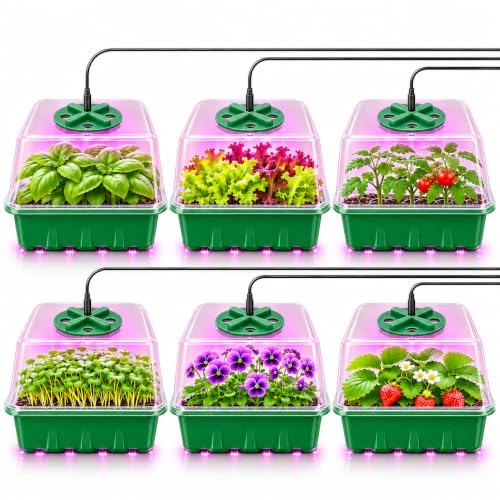
The elevated dome adds extra headroom for fast-growing seedlings like zinnias and squash that outpace standard domes within two weeks. Side grip cutouts on the base tray solve the old problem of trying to lift a damp seedling tray without crushing stems.
Built-in grow light means a single purchase covers lighting and humidity. Compared to the MIXC kits earlier without lights, this bundle saves the separate grow light trip for beginners.
The Case For It
- Elevated dome buys extra time before transplanting.
- Side grips reduce transplant day breakage.
- Included grow light removes guesswork for first-timers.
Where It May Fall Short
- Higher profile requires taller shelf clearance than flat domes.
- Six trays produce a lot of seedlings, so plan a destination for each.
Feature Rundown
Who Should Grab It
First-time seed starters who want a complete kit with lighting and humidity handled in one box.
Where A Sibling Pick Shines
Seed-starting veterans running a heat mat setup will get more from the RODINTO 3-Pack Seed Starter Trays with Heat Mat.
Twenty-four large cells give seedlings more root room than standard cell trays, which keeps peppers, eggplants, and herbs growing indoors longer before they need transplanting. The 10 by 20 inch heat mat matches the tray footprint, so every cell gets even warming.
Five brightness levels and four timer settings dial in the light recipe for each growth stage. Compared to the smaller-cell MIXC kits, this setup trades raw cell count for seedling longevity.
Real-World Strengths
- Larger cells delay transplant stress for slow growers.
- Heat mat fits the full tray footprint for uniform germination.
- Timer options match long-day and short-day crops.
Things To Weigh
- Fewer total cells means smaller batch sowing runs.
- Heat mat power draw adds to yearly electricity use during early spring.
The Right Fit
Growers focused on a few high-value crops like peppers, eggplants, or grafted tomatoes.
Another Choice May Suit
Anyone wanting maximum variety in one sowing window should look at the MIXC 5 Pack Seed Starter Tray with its 200-cell spread.
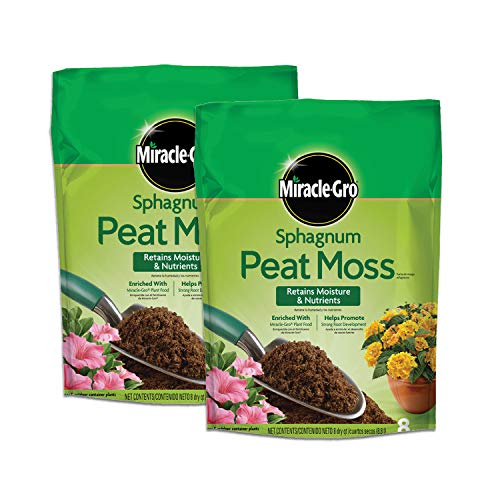
Sphagnum peat moss holds moisture against tender roots and releases it slowly, which suits small cells that dry out quickly. The 16-quart total across two bags covers a season of seed starting for most home gardeners.
Enriched with plant food, this mix gives seedlings a starter nutrient boost without separate fertilizer. Unlike plain peat, the amended version reduces the pale yellow leaves that show up when seeds run out of internal reserves.
The Value In It
- Lightens dense native soils for better root penetration.
- Retains moisture and nutrients through the critical germination window.
- Pre-amended formula saves a separate fertilizer purchase.
Honest Caveats
- Peat is naturally acidic, so lime-sensitive seeds may need adjustment.
- Dusty when dry, so wet the bag before pouring into trays.
Key Attributes
Whose Shelf It Belongs On
Moisture-loving flower and vegetable seed starters who want a single bag with no mixing step.
Consider Something Else When
You prefer to control nutrient delivery yourself, in which case plain Perfect Plants Organic Vermiculite pairs well with your own fertilizer.
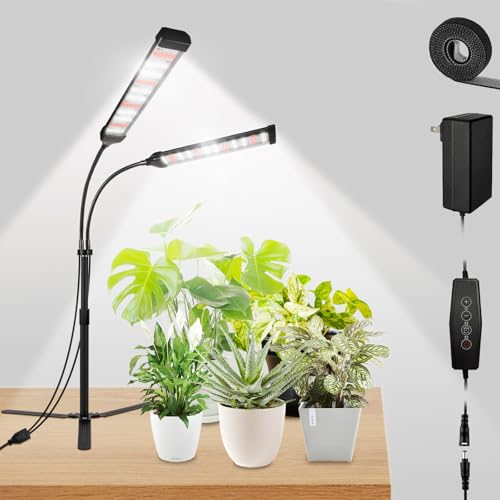
The floor-standing base and telescoping rod let this fixture grow with your seedlings from germination through bloom. 144 LEDs (48 red, 96 white) cover a 120 degree spread, which fills a standard nursery tray without a hot spot in the middle.
The collapsible base stores flat between seasons, which matters in apartments without a dedicated garden room. Compared to the clamp-on RODINTO gooseneck earlier, this stand-up model trades clamping for stable floor placement.
Useful Strengths
- Telescoping rod adjusts from 9.8 to 25 inches.
- Anti-tip metal base stays put on smooth floors.
- Smart timer and dimmer cover the full growth cycle.
Less Ideal Details
- Takes up floor space that clamp lights free up.
- Red diodes are visible, so the glow shows in living areas at night.
Built With In Mind
Multi-tray growers running a small indoor seed starting rack in a finished basement or spare room.
Not Your Match When
A single windowsill herb pot is all you need, where the smaller RODINTO Full Spectrum Grow Light, 48 LEDs, 2-Pack handles the job.
What Matters Most When Choosing Seed Starting Mediums
Drainage and Moisture Balance
Seedling roots need both water and oxygen, and the medium controls the ratio. Peat-based mixes hold moisture well but compact over time, while vermiculite adds loft without drying out too quickly. For most home gardeners, a blend of peat or coir with perlite or vermiculite gives tender roots the moisture and air they need during the first weeks.
Light Coverage and Spectrum
Full spectrum LEDs (diodes that emit across the wavelengths plants use for photosynthesis) prevent the leggy stretching that happens under narrow-spectrum bulbs. Adjustable brightness matters because seedlings at the cotyledon stage (the first pair of seed leaves) need less intensity than true-leaf seedlings pushing toward maturity.
Cell Size and Tray Layout
Small cells dry out fast and force early transplanting, which stresses heat-loving crops like peppers. Larger cells keep seedlings growing indoors longer but cut the total count per tray. Match cell size to the crop: tomatoes and peppers benefit from larger cells, while lettuce and basil handle small cells fine.
Key Considerations Across These Picks
Where Shoppers Go Wrong
A common slip is starting warm-season crops in unheated rooms without a heat mat, then blaming the seeds for slow germination. Soil temperature matters more than air temperature for most vegetables, so a chilly basement calls for the RODINTO kits with built-in heat mats. Another pitfall is overwatering cells without drainage, which suffocates roots even when the surface looks dry.
What The Higher Tier Buys
Upgrading to kits with built-in timers and dimmable LEDs costs more up front but removes daily light babysitting during busy weeks. Heat mat bundles pay off when starting peppers, eggplants, or tomatoes in cool rooms where germination stalls. For casual gardeners starting a few herbs, the budget tier MIXC kits cover the basics without the extras.
Frequently Asked Questions
What Is the Best Medium for Starting Seeds Indoors?
A loose, sterile mix that holds moisture and drains freely, such as peat moss blended with vermiculite, works well for most vegetable and flower seeds. Avoid garden soil, which compacts in small cells and carries weed seeds.
Do I Need a Grow Light to Start Seeds?
You need supplemental lighting unless you have a south-facing window with strong direct sun for at least six hours a day. Full spectrum LEDs with a timer deliver consistent light on cloudy days and through the dim early-spring stretch.
How Warm Should the Soil Be for Germination?
Most vegetables germinate fastest between 70 and 80 degrees Fahrenheit at the root zone. A heat mat maintains that range in cool rooms, especially for peppers and tomatoes.
How Often Should I Water Seedlings?
Check cells daily and water when the surface feels dry to a light touch. Bottom watering (filling the tray beneath cells so roots pull moisture upward) encourages deeper roots and keeps stem surfaces dry, which reduces fungal issues.
When Should I Transplant Seedlings Outdoors?
Transplant after seedlings develop their first set of true leaves and outdoor night temperatures stay above 50 degrees for the crop. Harden off (gradually expose to outdoor conditions over a week) before moving them to the garden to reduce transplant shock.
Bottom Line
Your best setup depends on where you start seeds and how many varieties you grow. A small herb garden on a bright shelf needs less hardware than a pepper crop running in a cool basement, and matching the kit to your real conditions saves money you would otherwise spend on upgrades later. Pick the medium and tray combo that fits your space today, and let the garden teach you what to add next season.
