

Starting seeds indoors sets the tone for your whole growing season, but flimsy trays crack under saturated soil, domes that don’t vent cook tender sprouts, and undersized cells cramp roots before transplant. The right seedling tray depends on what you grow, how many starts you need, and whether you reuse gear year after year. This roundup covers 10 options across budget cell packs, heavy-duty reusable flats, domed propagation kits, and grow-light setups, so you can match gear to your space and ambition.
The Shortlist At A Glance
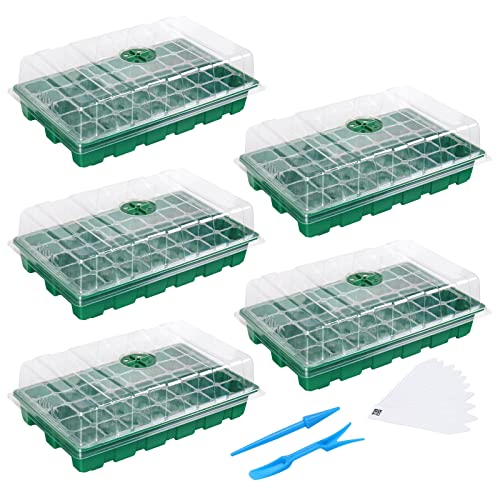
MIXC 5 Pack Seed Starter Tray 200-Cell
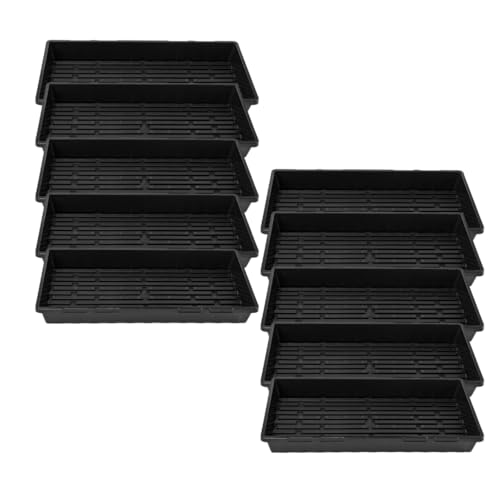
Bootstrap Farmer 1020 Trays 10-Pack No-Hole

AC Infinity Heavy-Duty Germination Kit

MIXC 10 Pack 120-Cell Seed Starter Kit
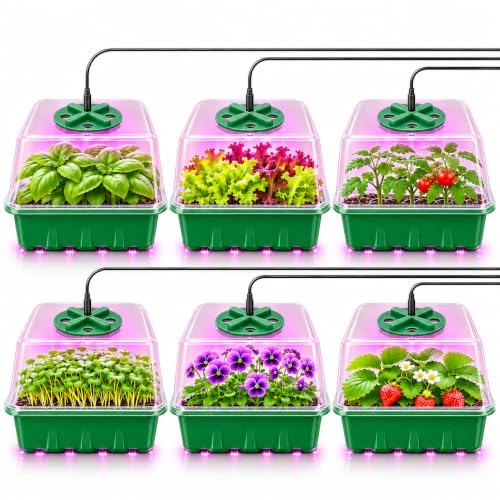
MIXC 6 Pack Grow Light Seed Starter Kit
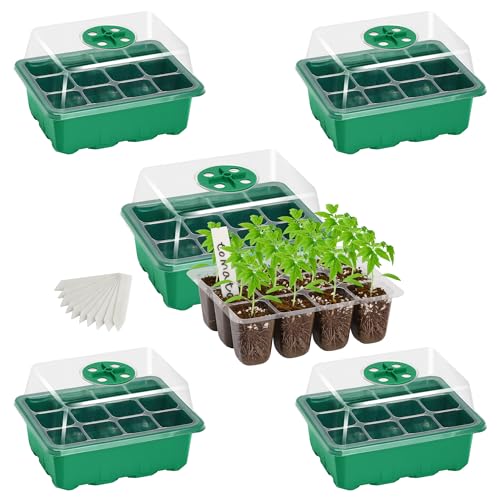
Bonviee 5-Pack 12-Cell Seed Starter Green

Bonviee 5-Pack 12-Cell Clear Dome

Bonviee 10-Pack Tall Dome 12-Cell Clear

Bonviee 10-Pack Tall Dome 12-Cell Green

Bonviee 5-Pack 12-Cell Black Seed Starter
A Closer Look At Each Pick
Bulk seed-starting on a budget gets easier when one purchase covers an entire season’s worth of starts. The MIXC 5 Pack delivers 200 individual cells across five trays, and each cell measures 1.5 inches square, enough room for tomatoes, peppers, and most flower varieties before transplant.
The clear plastic construction makes root development visible at a glance, and adjustable humidity vents on the included dome let you crack airflow as sprouts emerge. For gardeners starting dozens of seedlings for a backyard plot or community garden, this kind of cell density pays off quickly.
The Practical Payoff
- 200 cells cover large spring sowings without buying multiple kits
- Adjustable dome vents help prevent damping off in damp indoor air
- Transparent cells let you check moisture and root growth without lifting seedlings
- Compact 1.5-inch cells fit standard heat mats and shop lights
Worth Noting
- Plastic walls are thinner than reusable alternatives, so expect shorter lifespan
- Small cells may cramp fast-growing varieties like squash or cucumbers
Who It Suits Best
Bulk vegetable and flower starters who want maximum cell count for the money and don’t mind replacing trays each season.
Where Another Pick Suits Better
For gardeners committed to reusing gear year after year, the Bootstrap Farmer 1020 Trays offer thicker walls and a longer service life.
These open flats skip the cell-grid approach entirely, giving you a blank 1020-size canvas (roughly 10 by 20 inches) for microgreens, fodder, or soil-block propagation. The walls run 1.8 to 2.0 millimeters thick in BPA-free #5 polypropylene, which is the same food-safe plastic used in yogurt containers, and that heft shows when you carry a fully watered tray.
Where the MIXC kits above lean disposable, Bootstrap Farmer builds these for repeated cycles across many seasons. The no-hole bottom holds water for bottom-feeding setups, and the rigid walls resist the bowing that thinner trays suffer when soil is saturated.
Where It Delivers
- Thick walls support 50+ pounds of saturated soil without flexing
- Standard 1020 footprint drops into existing racks and humidity domes
- BPA-free polypropylene is food-contact safe for microgreens and fodder
- Reusable design cuts annual replacement costs for serious growers
Trade Offs
- No cells means you must block, broadcast, or add your own insert
- Higher upfront cost than disposable cell trays, depending on pack size
Key Specs
Made For
Multi-season growers running microgreen operations or hobby farms who treat trays as long-term equipment rather than annual purchases.
Skip It When
For tidy, individual cell starts with a humidity dome included, the MIXC 5 Pack Seed Starter Tray offers a simpler all-in-one package.
AC Infinity leans into the propagation end of the spectrum, building this kit around a domed environment tuned for cuttings and slow-germinating seeds. The dome itself is 3 millimeters thick with a glossy finish, far sturdier than the thin vacuum-formed covers that ship with most starter kits.
Adjustable vents on the dome let you taper humidity as sprouts establish, and optional height extension panels raise the ceiling for taller specimens. The 5 by 8 seedling tray inside can support up to 40 seedlings while still fitting a single shelf footprint in most grow tents.
What Helps Most
- Thick 3mm dome resists cracking and holds humidity more steadily
- Height extension panels accommodate leggy seedlings and cuttings
- Glossy interior finish cleans easily between propagation cycles
- Drainage-ready base tray supports up to 40 seedlings at once
Points To Keep In Mind
- Smaller cell count than bulk cell-pack kits on this list
- Premium build carries a higher per-kit cost than basic plastic domes
Best Suited To
Hobbyists propagating cuttings, herbs, and slow starters who want tight humidity control and a domed setup that lasts multiple seasons.
Not Your Match When
For sheer cell volume at a lower price, the MIXC 10 Pack 120-Cell Seed Starter Kit gives you more starts in a single purchase.
Sitting between the 200-cell bulk pack and smaller 12-cell kits, this MIXC kit threads a middle path. Ten trays of 12 cells each produce 120 total starts, a count that handles most home vegetable gardens without overwhelming your shelf space.
Drainage holes at the bottom of each cell reduce the risk of waterlogging, and the included humidity dome features adjustable vents. The 12-cell-per-tray layout also makes labeling simpler, since you can dedicate one tray to a single variety.
The Helpful Details
- 12-cell trays keep varieties organized and labeled with ease
- Bottom drainage holes protect against root rot in heavy-handed watering
- Adjustable dome vents match humidity to germination stage
- Reasonable cell count for a typical backyard garden plan
Some Limits To Know
- Plastic thickness falls between disposable and heavy-duty tiers
- More trays mean more pieces to clean and store between seasons
At A Glance
Who Will Love This
Home gardeners starting a moderate mix of vegetables and herbs who want a tidy, labelable layout with humidity control included.
A Better Fit Elsewhere
For those who want built-in lighting for low-light rooms, the MIXC Grow Light Seed Starter Kit adds a grow light to a similar cell layout.
Seedlings grown in dim basements or north-facing windows tend to stretch toward whatever light they can find, producing weak, leggy stems. This kit tackles that problem head-on by integrating a grow light into a six-tray seed starter, so the lighting equation is solved the moment you open the box.
The vented humidity dome includes an elevated design that adds vertical room for growing seedlings, and side grip cutouts on the base tray make it easier to lift and rotate trays without crushing stems. In practice, the elevated dome is most useful when growing tomatoes or peppers that push against standard-height covers.
Everyday Advantages
- Integrated grow light removes the need to buy a separate fixture
- Elevated dome gives leggy seedlings more vertical room
- Side grip cutouts simplify tray handling and rotation
- Vented dome supports humidity tuning through germination stages
Honest Caveats
- Light coverage works best when trays are kept directly under the fixture
- Six-tray count suits small gardens, not large sowing plans
The Right Fit
Apartment and basement growers with limited natural light who want a single kit that handles starting through the early growth stage.
Reach For A Different Pick When
For sheer cell volume in a sunlit window or greenhouse, the MIXC 5 Pack Seed Starter Tray delivers more starts without the lighting hardware.
Bonviee’s green-tinted trays carve out a clear beginner niche, packaging 12 cells per tray across five trays with a humidity dome and base. The 12-cell count is forgiving for first-time starters, since you can run a small batch of one variety per tray without committing to a larger investment.
Adjustable vents on the dome let you crack humidity once seeds germinate, a step that trips up many beginners. Compared to the MIXC kits above, the Bonviee layout feels more contained, which can help newcomers stay organized without juggling 10 or more trays at once.
Real-World Strengths
- 12-cell-per-tray layout keeps small batches manageable
- Adjustable vents support proper humidity tapering
- Base tray catches drips and protects shelves from water damage
- Green tint reduces algae growth on the soil surface
Soft Spots
- Lower cell count than bulk kits for large gardens
- Plastic walls are moderate thickness, not the heaviest on this list
Perfect Match For
First-time seed starters working with herbs, lettuces, and a few flower varieties in a small kitchen or windowsill setup.
Another Choice May Suit
For gardeners who want the same gentle learning curve with more visual feedback, the Bonviee 5-Pack 12-Cell Clear offers see-through walls instead of green tint.
Sometimes the most useful feature on a seed tray is the ability to see what’s happening underground without disturbing roots. The clear plastic walls and dome on this Bonviee kit make root development, moisture levels, and early germination visible from the outside, a small but meaningful advantage for hands-on gardeners.
The 12-cell-per-tray layout runs across five trays, with adjustable vents on each dome. This configuration matches the green-tinted version above cell-for-cell, trading tint for transparency, so the choice between them comes down to whether you prefer algae suppression or constant root viewing.
Strong Points
- Clear walls let you watch root development without lifting plants
- Adjustable dome vents taper humidity as seedlings mature
- Five-tray count balances organization with manageable scale
- Dome and base pair simplifies setup for new gardeners
Possible Compromises
- Clear walls allow light to reach roots, occasionally encouraging algae
- Modest cell count suits small gardens, not large plots
Who Should Grab It
Curious gardeners and educators who want to monitor germination in real time without disrupting delicate root systems.
Look Elsewhere When
For gardeners starting cuttings or taller seedlings that need extra vertical room, the Bonviee 10-Pack Tall Dome Clear is a more breathable fit.
Standard humidity domes sit low, and once a tomato or pepper seedling hits that ceiling, you have a choice: transplant early or watch leaves press against the plastic. Bonviee’s tall-dome design solves that ceiling problem by raising the lid height, which also accommodates stem cuttings during the early rooting stage.
Across 10 trays of 12 cells, you get 120 starts with the same per-tray organization as the smaller 5-pack. The clear walls carry forward the observation-friendly design, so you still see roots and moisture levels without popping the dome.
Benefits That Matter
- Tall dome extends usable time before transplanting or “potting up”
- Supports both seed germination and cutting propagation
- Clear walls continue the easy-monitoring advantage
- Ten-tray count suits medium-scale garden plans
Things To Consider
- Tall profile demands more vertical shelf clearance than low domes
- Ten trays can crowd smaller windowsills and kitchen counters
Built With In Mind
Gardeners juggling both seed starting and propagation who need extra vertical room and a moderate cell count to match.
Swap It Out When
For a heavy-duty, reusable flat for microgreens and fodder, the Bootstrap Farmer 1020 Trays are a better long-term investment.
The green-tinted version of the tall-dome Bonviee kit trades root visibility for algae suppression. Light passing through the colored walls is reduced, which discourages the green film that sometimes forms on soil surfaces or cell walls under constant humidity.
For gardeners who hold seedlings in their trays for longer stretches before transplanting, that algae resistance pays off over time. The tall dome and 10-tray count match the clear version above, so the choice between them comes down to which trade-off matters more in your setup.
Reasons It Performs
- Green tint limits light to root zone, slowing algae growth
- Tall dome extends the pre-transplant window for leggy varieties
- 120 total cells suit medium home gardens and herb beds
- Adjustable vents support staged humidity control
Small Caveats
- Tinted walls make root development harder to monitor visually
- Ten trays demand more storage space than 5-pack alternatives
Whose Shelf It Belongs On
Patient gardeners who start seeds early and hold trays for weeks before transplanting, where algae tends to creep in over long humidity cycles.
A Better Fit Elsewhere
For growers focused on edible microgreens and reusable equipment, the Bootstrap Farmer 1020 Trays offer thicker walls and open-flat versatility.
Black cells take the algae-resistance idea one step further, blocking light almost entirely from the root zone. The trade-off is obvious: you can’t watch roots develop without lifting the tray. For slow-growing root crops and herbs that stay in cells for extended periods, though, that darkness can be a feature rather than a limitation.
Each cell measures 1.5 inches square, leaving room for larger seeds like beans, peas, or compact squash varieties. Five trays of 12 cells gives you 60 starts, a tidy count for herb beds, container gardens, or supplementing a larger outdoor plot.
Positive Points
- Black cell walls block light to discourage algae and support root growth
- 1.5-inch cells fit larger seeds like beans and compact squash
- Humidity dome with adjustable vents controls germination climate
- 60-cell count is well-suited to small and container gardens
What To Weigh
- Dark walls make it hard to inspect roots without disturbance
- Smaller pack count than the 10-pack Bonviee kits on this list
Right Fit For
Gardeners starting root crops, beans, and other large seeds who value algae control and don’t need to monitor root development visually.
Not Your Match When
For a high-volume bulk start in a single purchase, the MIXC 5 Pack 200-Cell Tray covers far more ground at a similar tier.
What To Weigh Before Choosing Seedling Trays
Cell count and material thickness are the two biggest decision points, and they tend to push in opposite directions. Bulk cell packs like the MIXC 200-cell kit give you a high volume of starts at low cost, but the thin plastic means you’re typically replacing them after a season or two. Reusable trays like the Bootstrap Farmer 1020 flats cost more up front yet amortize across many seasons if you clean and store them properly between cycles.
Dome height matters more than most beginners expect. Standard domes work fine for lettuces and herbs, but tomatoes, peppers, and cuttings quickly outgrow that ceiling. Tall-dome kits like the Bonviee 10-Pack add vertical room, which delays transplanting and reduces shock. Vented domes are the second piece of the humidity puzzle: closed domes help germination, while open vents prevent damping off (a fungal disease that kills seedlings in stagnant, wet air) once sprouts emerge.
Drainage, light, and color tint round out the practical list. Drainage holes at the bottom of each cell protect against overwatering, which is the most common beginner mistake. Built-in grow lights solve dim-basement setups, while tinted or black cells reduce algae growth for long pre-transplant holds. Match these features to your space, light conditions, and how long you plan to keep seedlings in the tray before moving them outside.
What Experienced Growers Know About Seedling Trays
Common Shopping Slip Ups
Cell count grabs attention first, but tray footprint often matters more in practice. A 200-cell kit on a small windowsill becomes a lighting and airflow problem fast, since crowded seedlings compete for both. Buying more cells than your space and light setup can support leads to leggy, weak starts regardless of tray quality. Match the kit to your actual shelf area and light coverage, not the number on the box.
Drainage is the second commonly overlooked detail. Trays without bottom holes work for bottom-watering setups but trap excess moisture in standard top-watering routines. If you tend to water from above with a spray bottle or watering can, drainage holes protect against the root rot that wipes out a tray overnight.
Where The Extra Money Goes
Premium kits like the AC Infinity Heavy-Duty Germination Kit and Bootstrap Farmer 1020 Trays charge more for material thickness and build quality, not just branding. A 3-millimeter dome holds humidity more steadily than a thin vacuum-formed cover, and 1.8 to 2.0-millimeter polypropylene walls survive years of saturated soil without bowing or cracking.
The honest read is that premium gear pays off most when you start seeds every season and clean trays between uses. Casual gardeners who only start a flat or two per year may not recoup the cost difference, while multi-season growers and microgreen operators see the savings compound quickly. Built-in grow lights and tall-dome designs solve specific environmental problems, so they’re worth the upgrade only when those problems match your setup.
Frequently Asked Questions
How Many Cells Per Seedling Tray Do Most Home Gardeners Need?
Most home vegetable gardens run somewhere between 60 and 200 cells, depending on whether you start a few herbs or a full spring planting. A 12-cell-per-tray layout across five to ten trays covers the typical backyard plot without overwhelming shelf space.
Do I Need A Humidity Dome For Starting Seeds Indoors?
A dome helps during germination by holding moisture around the seed, but it’s not strictly required. You can cover trays with plastic wrap as a short-term substitute, then remove it once sprouts emerge to prevent damping off.
Are Reusable Seedling Trays Worth The Higher Cost?
Reusable trays pay off when you start seeds every season and clean them between uses. Disposable cell packs make more sense for one-off projects or school gardens where cleanup time is limited.
Can I Start Larger Seeds In Standard 1.5-Inch Cells?
Most standard cells handle larger seeds like beans, peas, and compact squash, though fast-growing roots may need transplanting earlier. For very large seeds, direct sowing in the garden is often simpler than cell starting.
What Causes White Fuzzy Growth On Seedling Soil?
That white fuzz is usually a harmless saprophytic fungus (an organism that feeds on decaying organic matter) or, in worse cases, the early signs of damping off. Improving airflow, reducing humidity, and avoiding overwatering are the standard fixes for both.
Closing Remarks
The right seedling tray depends on your space, your light, and how many seasons you plan to reuse the gear. For bulk one-season starts, the MIXC kits cover a lot of ground at low cost. For long-term equipment, the Bootstrap Farmer flats and AC Infinity dome are built to last. The Bonviee range fills the middle, with tall domes, tinted walls, and cell counts that fit smaller gardens and propagation projects. Match the tray to the seeds you actually grow, and the rest of the season tends to follow.
