

Hanging baskets turn bare porches and balcony hooks into living color, but the wrong seed choice leaves you with leggy stems that flop over the rim by midsummer. You want trailing varieties that spill naturally, bloom through the heat, and don’t demand a daily watering ritual. This roundup sorts eight seed packets worth your attention, from regional wildflower blends to compact nasturtiums bred for containers, so you can match the right mix to your light, your climate, and your tolerance for fussing.
A Snapshot Of The Selections

Minnesota Wildflower Seed Mix 300 Sq Ft

California Wildflower Seed Mix 300 Sq Ft

Everwilde Farms Tom Thumb Mix Nasturtium Seeds

NatureZ Edge Marigold Seeds Mix
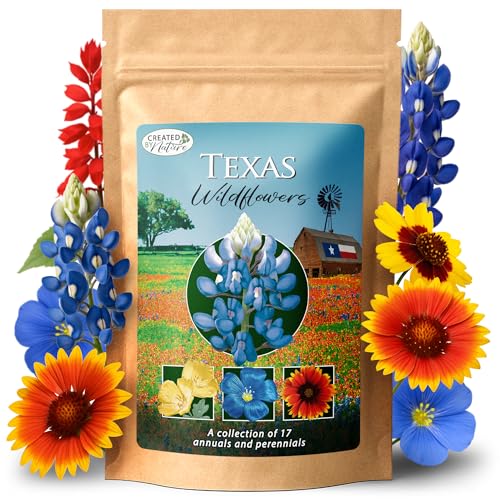
Texas Wildflower Seed Mix 300 Sq Ft

Washington Wildflower Seed Mix 300 Sq Ft

HOME GROWN Wildflower Seeds Bulk Mix 3 oz

Colorado Wildflower Seed Mix 300 Sq Ft
Taking A Closer Look At The Options
If you garden in a climate where winters push single digits and springs arrive late, a regional wildflower blend gives you species that are already acclimated to those swings. The Minnesota Wildflower Seed Mix includes 16 annual, biennial, and perennial varieties chosen for northern gardens, with familiar workhorses like New England aster, purple coneflower, black-eyed Susan, blue flax, lupine, coreopsis, and blanketflower doing the heavy lifting.
Coverage of roughly 300 square feet from a packet of 40,000-plus seeds gives you room to scatter across multiple baskets or share with a neighbor. The annuals fill in the first season while the perennials establish roots, so you see color right away and more reliable return blooms in year two. For most backyards in USDA zones 3 through 5, this kind of regionally tuned blend performs better than a generic national mix.
Reasons It Performs
- 16 mixed annuals, biennials, and perennials keep the basket changing texture across seasons
- Regionally selected varieties handle cold snaps and short growing windows without coddling
- Coverage of about 300 square feet lets you plant several baskets from one packet
- Annuals deliver first-year color while perennials settle in for reliable returns
- Includes pollinator favorites like coneflower and black-eyed Susan that draw bees and butterflies
Things To Consider
- Wildflower mixes can look uneven in a small hanging basket since heights vary widely
- Some varieties may self-seed aggressively in nearby garden beds, depending on your soil
Key Specs
Right Fit For
Cold-climate gardeners in USDA zones 3 through 5 who want a regionally tuned mix that handles short seasons and survives tough winters.
Consider Something Else When
The California Wildflower Seed Mix suits warmer, drier porches where heat-loving natives outperform northern perennials.
Where summers stay hot and dry, sun-baked baskets need plants that laugh at triple-digit afternoons. The California Wildflower Seed Mix leans into that with 22 annual and perennial varieties native to western climates, including California poppies, lupine, forget-me-nots, and yarrow. Compared to the Minnesota mix above, this one trades cold tolerance for drought resilience and brighter, more saturated blooms.
At 54,000-plus seeds covering roughly 300 square feet, you have plenty for a row of baskets along a south-facing fence. The poppy-orange-to-yellow palette tends to dominate, with lupine spires adding vertical interest and yarrow clusters filling the gaps. For most west-coast patios and inland southwestern courtyards, this combination handles reflected heat and lean soil better than most general-purpose mixes.
Everyday Perks
- 22 western-native varieties selected for hot, dry conditions
- California poppies give a signature orange that stands out at a distance
- Heat-tolerant species reduce watering demands through peak summer
- 54,000-plus seeds cover 300 square feet, enough for several baskets
Points To Note
- Some varieties perform poorly in humid coastal areas outside their native range
- Poppy seed heads self-sow readily, so expect volunteers in adjacent pots next season
Built With In Mind
Drought-prone western gardeners and anyone with a sun-baked patio where general mixes tend to crisp by August.
Reach For A Different Pick When
The HOME GROWN Wildflower Seeds Bulk Mix works better for humid, multi-basket plantings where perennial return blooms matter more than drought tolerance.
Nasturtiums have a reputation for rambling, but the Tom Thumb Mix flips that expectation. Bred to stay small and tidy, this variety produces gold, orange, red, and yellow blossoms on compact plants, making it one of the few wildflower-style seeds actually engineered for container life. Where the regional wildflower blends above scatter across a meadow, this one fills a 10-inch hanging basket without taking over.
You get 25 seeds in a resealable Gold Vault packet with a triple-layer mylar and foil construction. That packaging is the real story: it claims roughly three times the storage life of standard paper or plastic packets, which matters when you only need a few seeds per basket and want the rest viable next year. For most balcony gardeners working with small containers, this combination of size and shelf life is hard to beat.
The Helpful Details
- Compact dwarf habit fits baskets without overwhelming the rim
- Mixed gold, orange, red, and yellow blooms create warm, saturated color
- Resealable Gold Vault packaging claims three times longer storage than paper packets
- Edible flowers and leaves add kitchen-garden utility alongside ornamental value
Honest Caveats
- Only 25 seeds per packet means large multi-basket plantings need multiple purchases
- Nasturtiums struggle in heavy, wet soil, so well-drained basket mix is essential
Quick Facts
Whose Shelf It Belongs On
Container gardeners with limited space who want compact, edible flowers that stay tidy in small baskets.
Swap It Out When
The Minnesota Wildflower Seed Mix serves larger native plantings where regional hardiness matters more than compact size.
Marigolds are the gateway flower for new gardeners, and the NatureZ Edge Marigold Seeds Mix keeps that appeal while adding basket-friendly compactness. The blend pulls in Petite French types plus classics like Dainty Marietta and Sparky French, producing those rich orange and yellow hues you remember from grandmother’s porch. Compared to the wildflower mixes reviewed earlier, this one trades biodiversity for a tighter, more uniform look that suits a formal basket display.
With over 5,600 seeds spread across three packets, you have plenty to experiment with across multiple hanging baskets or to share with a curious neighbor. The Petite French habit keeps plants compact and tight, which works around basket edges without flopping. For most beginners who want predictable results, easy germination, and flowers that hold up in summer heat, marigolds remain a reliable choice.
Well-Handled Touches
- Compact Petite French varieties stay tight and bushy rather than leggy
- Over 5,600 seeds across three packets let you trial multiple baskets
- Classic marigold scent helps deter certain pests from nearby vegetables
- Reliable germination makes this a forgiving choice for first-time planters
Softer Spots
- Marigolds need deadheading to keep blooming through the season
- Limited color range means less variety than a multi-species wildflower mix
Best Suited To
Beginner gardeners and pollinator-friendly patios where classic orange and yellow tones and easy germination matter most.
Look Elsewhere When
The HOME GROWN Wildflower Seeds Bulk Mix delivers broader species diversity for pollinator-focused plantings that need more than marigolds.
Texas bluebonnets on a front porch is a specific kind of magic, and this mix leans into that tradition hard. The Texas Wildflower Seed Mix carries 17 annual and perennial varieties chosen for southern gardens, with bluebonnet seeds anchoring the blend alongside black-eyed Susan, coreopsis, blue flax, and lemon mint. Where the Minnesota mix earlier suits cold winters, this one targets long, hot summers and mild winters.
With more than 60,000 seeds covering 300 square feet, you get one of the densest seed counts in this roundup. That density matters when you’re sowing across multiple baskets, since thin coverage leaves gaps that weeds fill. For most Texas, Oklahoma, and Deep South gardeners, the bluebonnet inclusion alone justifies the choice, and the supporting cast extends bloom timing from spring through fall.
What It Does Well
- Includes Texas bluebonnet, the state flower, for an iconic southern display
- 60,000-plus seeds provide dense coverage across multiple baskets or a small meadow
- 17 regionally tuned varieties handle southern heat and humidity reliably
- Lemon mint adds fragrance that complements the visual color
Trade Offs
- Bluebonnets need a stratification period, so fall sowing often works better than spring
- Some varieties can grow tall and may need staking in baskets exposed to wind
Feature Snapshot
Made For
Southern gardeners in Texas and surrounding states who want state-flower bluebonnets alongside complementary heat-tolerant natives.
A Better Fit Elsewhere
The Washington Wildflower Seed Mix suits Pacific Northwest gardens where cooler, wetter conditions favor different native species.
Coastal and mountain climates of the Pacific Northwest reward species that like cool, moist summers more than dry heat. The Washington Wildflower Seed Mix leans into that with 20 annual, biennial, and perennial varieties, including blue flax, black-eyed Susan, lupine, Shasta daisy, California poppy, coreopsis, and blue columbine. Compared to the Texas mix above, this one favors softer colors and longer bloom windows in cooler air.
At over 60,000 seeds covering 300 square feet, this packet matches the Texas mix for density and gives Northwest gardeners enough material for multiple baskets along a deck rail. The blue columbine in particular is a regional favorite that performs well in partial shade. For most Seattle-area, Portland, and coastal Oregon balconies, this blend delivers species already adapted to your microclimate.
Everyday Advantages
- 20 varieties cover a long bloom window from spring through early fall
- Includes blue columbine and lupine for classic Northwest character
- Over 60,000 seeds provide dense coverage across several baskets
- Cool-season annuals bloom early before summer heat sets in
Practical Considerations
- Some species prefer part shade and may struggle in full-sun baskets
- Wet winters can rot seeds sown too late in fall without proper drainage
Right Fit For
Pacific Northwest gardeners with cool, moist summers who want regionally native species that thrive in part shade and damp air.
Not Your Match When
The California Wildflower Seed Mix works better for hotter, drier inland western climates where poppies and yarrow outperform cool-season species.
If you want one packet to cover multiple baskets plus a pollinator patch out back, bulk mixes make more sense than regional specialty blends. The HOME GROWN Wildflower Seeds Bulk Mix packs 24 perennial varieties into a 3-ounce packet, totaling more than 90,000 seeds. That scale is what separates it from the smaller, regional packets reviewed above.
The non-GMO perennial focus means you plant once and let roots establish for returns over multiple seasons. Bees, birds, and hummingbirds are explicitly part of the marketing, so nectar and seed-head species tend to dominate the blend. For most suburban gardeners outfitting several baskets and a small pollinator strip, this kind of volume gives you room to experiment without running out of seed mid-project.
Benefits That Matter
- Over 90,000 seeds in a single 3-ounce packet cover a large planting area
- 24 perennial varieties return year after year once established
- Non-GMO seed suits gardeners who prefer untreated stock
- Blend includes species chosen to attract bees, birds, and hummingbirds
Worth Bearing In Mind
- Larger seed size per variety makes individual basket planting harder to control
- Perennial establishment requires patience; first-year blooms may be modest
Technical Highlights
Who It Suits Best
Suburban gardeners outfitting several baskets and a pollinator strip who want long-season volume from a perennial blend.
Where Another Pick Suits Better
The Everwilde Farms Tom Thumb Mix Nasturtium Seeds suit smaller single-basket projects where compact plant size matters more than volume.
High-elevation gardens face short seasons, intense sun, and dry air that punish unprepared seedlings. The Colorado Wildflower Seed Mix addresses those conditions with 14 annual and perennial varieties, including blue columbine (the state flower), Shasta daisy, black-eyed Susan, plains coreopsis, prairie coneflower, evening primrose, and blue flax. Where the Minnesota mix earlier trades for cold tolerance, this one adds altitude resilience.
With over 53,000 seeds covering 300 square feet, the packet gives you enough material for several baskets at altitude or a small high-country meadow. The blue columbine is a quiet star here, producing delicate spurred blooms that thrive in cooler nights. For most mountain and high-plains gardeners, this combination of state-flower character and altitude-friendly species is hard to match with generic national blends.
A Strong Showing
- Includes Colorado blue columbine, the state flower, for regional authenticity
- 14 species selected for short seasons and intense sun exposure
- Over 53,000 seeds cover 300 square feet, enough for multiple baskets
- Prairie coneflower and evening primrose add evening fragrance
Room For Improvement
- Smaller variety count than the Minnesota or Washington mixes limits bloom diversity
- High-altitude species may struggle at lower elevations with humid summers
Perfect Match For
Rocky Mountain and high-plains gardeners who need species adapted to intense sun, dry air, and short growing seasons.
Skip It When
The Washington Wildflower Seed Mix works better for coastal Pacific Northwest conditions where humidity and milder summers reward different natives.
Matching Seeds To Your Basket Conditions
Picking the right seeds for hanging baskets starts with honest answers about where the basket actually lives. A south-facing porch in Phoenix and a shaded balcony in Seattle need completely different plants, so the region-specific mixes in this roundup matter more than raw seed count.
Light Exposure Drives Variety Choice
Full-sun baskets (six-plus hours of direct light) reward drought-tolerant natives like the California and Texas mixes reviewed above. Part-shade baskets in covered porches favor cool-season annuals and woodland-edge species like blue columbine and lupine from the Washington blend. Indoor baskets near bright windows can handle compact nasturtiums from the Tom Thumb mix, but anything taller tends to stretch and flop.
Seed Count vs. Coverage Area
A packet advertising 90,000 seeds sounds impressive until you realize wildflower seeds are tiny and coverage claims assume broadcast sowing over flat ground. Hanging baskets compress that coverage significantly, so a 300-square-foot packet realistically fills anywhere from five to ten average 12-inch baskets, depending on density. Dense plantings look fuller but crowd root systems quickly.
Annual vs. Perennial Strategy
Annuals deliver first-season color and then fade, which suits gardeners who like to redesign each year. Perennials cost less over time but require patience through the establishment year. The HOME GROWN bulk mix leans perennial-heavy, while most regional blends balance both for immediate impact plus long-term return. Your tolerance for a slow first season shapes this trade-off.
Climate Zone Compatibility
USDA hardiness zones (a regional standard that ranks average annual minimum winter temperatures) determine which perennials survive winter in your basket. The Minnesota mix handles zones 3 through 5; the Texas and California mixes target zones 7 through 10; the Colorado mix targets zones 4 through 7 at elevation. Cross-zone use is possible for annuals but risky for perennials you expect to return.
Key Considerations Across These Picks
Mistakes Worth Dodging
The most common slip-up is choosing a regional mix for a climate it wasn’t designed for, then blaming the seeds when germination disappoints. A Texas bluebonnet in a Minnesota winter rarely survives without protection, and California poppies in a humid Florida summer often rot before flowering. Match the mix to your actual zone, not your aspirational garden.
Another trap is overcrowding baskets with too many species, hoping for a riot of color. Wildflower mixes are designed for broadcast sowing across a bed, where excess plants self-thin. In a confined basket, that competition starves everything. Thin seedlings early so each plant has room to spread.
Why Top Tier Costs More
Higher-tier seed packets in this category justify their cost through three honest upgrades. Seed purity improves, meaning fewer weed seeds and inert filler in the packet. Germination rates climb when suppliers run recent lab tests and store inventory properly. And packaging like the Gold Vault mylar-foil construction on the nasturtium packet extends storage life dramatically, reducing waste when you only need a few seeds per basket.
Whether those upgrades matter depends on how you garden. Casual one-basket gardeners may not notice the difference, while multi-basket landscapers see better stand establishment and less wasted seed across a full planting plan.
Frequently Asked Questions
How many seeds do I need per hanging basket?
A standard 12-inch hanging basket typically needs around 25 to 50 wildflower seeds for a balanced display, though dense plantings can use more. Adjust based on the mature size of the varieties in your mix, since compact nasturtiums need fewer seeds than sprawling regional mixes.
Can I mix seeds from different packets in one basket?
Yes, mixing seeds works well when the varieties share similar light and water needs. Combining cool-season Northwest species with hot-climate Texas natives in one basket usually ends with one set dominating and the other failing. Match growing conditions first, then blend for color variety.
Should I start seeds indoors or sow directly in the basket?
Direct sowing works for most wildflower and marigold seeds, since they handle transplanting poorly. Starting indoors gives you a head start on slow perennials like blue columbine. Follow the timing guidance for each species, since some need fall stratification (a chilling period that breaks dormancy) before spring sowing.
How long does it take for wildflower seeds to bloom?
Annuals typically bloom 8 to 12 weeks after germination, while perennials may wait a full season to establish before flowering strongly. The first-year display from the Minnesota, Texas, and California mixes relies on the annual component, with perennials taking over in year two. Patience in year one pays off in year two.
Do hanging basket seeds need special soil?
Standard potting mix works better than garden soil for hanging baskets, since it drains freely and stays lighter in the suspended container. Avoid mixes with heavy water retention, since basket drainage is already limited and soggy roots rot most basket species quickly.
The Takeaway
The right seed packet depends less on seed count and more on your climate, your basket size, and how much return bloom you expect. Regional mixes like Minnesota, Texas, and Colorado deliver species already adapted to your zone, while specialty options like the Tom Thumb nasturtium solve the compact-basket problem that general wildflowers can’t. Pick the mix your porch actually needs, and the rest tends to take care of itself.
