

A thin, patchy lawn pulls at anyone who cares about curb appeal, and overseeding is the lowest-effort way to thicken what you’ve already got. The trick is matching seed type to your climate, sun exposure, and how much foot traffic the yard takes. This lineup covers everyday turf blends plus a few specialty options for shadier spots, soil-building, and small homestead projects.
The Main Contenders

Nature Jim’s Sprouts Organic Wheat Grass Sprouting Seeds 16oz
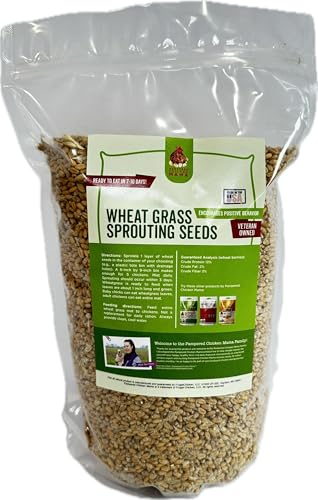
Pampered Chicken Mama Non-GMO Fodder Seeds 3 Pounds

Back to the Roots Organic Wheatgrass Seeds 1 Pound

Outsidepride Crimson Clover Seeds 5 lbs

Outsidepride Perennial Red Clover Seeds 5 lbs

Outsidepride Legacy Fine Fescue Grass Seed Mix 5 lbs

Outsidepride Perennial White Dutch Clover Seed 5 lbs
A Deeper Look At The Lineup
Wheatgrass seed occupies a quirky corner of the lawn-care aisle. Nature Jim’s Sprouts version lands there as a kitchen-counter grow, and it works equally well as indoor cat grass when your feline wants to chew something green. The 16-ounce pouch gives you enough seed to cycle through several trays without constantly reordering.
For most households, a shallow tray, a sprinkle of seed, and a daily mist is all the setup the bag asks for. Compared to the heavier 5-pound turf mixes later in this lineup, this is a smaller-scale choice aimed at pets, smoothies, and a quick windowsill harvest rather than a full lawn renovation.
Useful Touches
- Organic certification reassures anyone growing greens for pets or juicing.
- 16-ounce size fits a steady rotation of small trays for a couple of months.
- Sprouting seed doubles as a low-effort intro to indoor gardening for beginners.
- Works as cat grass, microgreens, or a school-classroom growing project.
Things To Consider
- Not formulated for turf overseeding, so it won’t thicken an outdoor lawn.
- Owners commonly report a shorter shelf life once the bag is opened.
Right Fit For
Cat owners and smoothie makers who want a steady supply of fresh greens without a yard project.
Swap It Out When
You’re actually overseeding a thin lawn, where the Outsidepride Legacy Fine Fescue Grass Seed Mix serves you better.
Backyard chicken keepers often turn to wheat-berry fodder trays as a winter greens supplement. Pampered Chicken Mama packs three pounds of non-GMO wheat berries, sized for a small flock running a few trays on rotation. The seed sprouts in just a few days, so you get a quick return on a daily sprouting routine.
The bag pulls double duty as tortoise pasture mix and indoor cat grass when you run out of coop visitors. Unlike Nature Jim’s Sprouts Organic Wheat Grass Sprouting Seeds, this one ships in a bulkier 3-pound format built for steady fodder production rather than a single windowsill tray.
Useful Strengths
- Three-pound bag keeps a small flock’s fodder trays going for weeks.
- Fast sprouting cuts down on the daily chore load.
- Non-GMO wheat berries suit homesteads that care about sourcing.
- Useful beyond chickens, working for tortoises and indoor cat grass.
Points To Note
- Storage in a cool, dry bin matters once the bag is opened, and damp climates can shorten viability.
- Not blended with other grains, so keepers wanting a varied fodder mix may add a second seed type.
Key Specs
Built With In Mind
Small-flock keepers running daily fodder trays who want non-GMO wheat berries in a usable bulk size.
Reach For A Different Pick When
You need an actual lawn seed, where the Outsidepride Legacy Fine Fescue Grass Seed Mix is the better match.
Back to the Roots leans into the “grow it once, see results fast” approach. The one-pound organic wheatgrass bag aims at first-timers who want a confidence-building first tray, whether for juicing or for an indoor cat patch. The non-GMO sourcing fits households that want clean greens without chasing certifications themselves.
Coming in at a pound, the pouch sits between the smaller Nature Jim’s Sprouts Organic Wheat Grass Sprouting Seeds and the bulkier 3-pound Pampered Chicken Mama bag. That middle ground suits someone who wants more than a starter tray but isn’t yet committed to a daily fodder routine.
Practical Advantages
- One-pound size offers a useful middle ground for casual growers.
- Organic and non-GMO sourcing suits households that vet their seed.
- Quick germination makes it approachable for total beginners.
Honest Caveats
- Not blended for turf, so it won’t fix patchy outdoor grass.
- Once opened, you’ll want to reseal the bag well to keep the seed viable.
Best Suited To
Beginners growing wheatgrass for the first time, whether for smoothies or as a pet grass tray.
Look Elsewhere When
You’re stocking a small flock’s fodder trays, where the Pampered Chicken Mama Non-GMO Fodder Seeds offer a more useful 3-pound bag.
Crimson clover shifts the conversation away from turf and toward cover-cropping. Outsidepride sells a five-pound nitrocoated, inoculated bag aimed at lawns, pastures, hay, and wildlife food plots. The annual lifecycle gives you a single season of brilliant red blooms before you till it under or let it reseed.
The nitrocoat and inoculant prep helps the seed establish faster, which matters on a bare patch you want covered quickly. Compared with the wheatgrass options earlier, this is a true field-scale choice for someone managing more than a windowsill.
Why It Works Well
- Nitrocoating supports quicker, more uniform germination in prepared soil.
- Red blooms pull in bees and pollinators through the growing season.
- Functions as cover crop, forage, or a wildlife food plot in one bag.
- Five-pound size covers a meaningful section of yard or small pasture.
Factors To Consider
- Annual lifecycle means you’ll need to replant each year for continuous coverage.
- Bloom-heavy growth can look unruly in a tidy front-lawn setting.
Who It Suits Best
Homesteaders, food-plot managers, and gardeners building soil while feeding pollinators.
Consider Something Else When
You want a permanent lawn component, where the Outsidepride Perennial Red Clover Seeds make more sense.
Perennial red clover takes the same Outsidepride five-pound bag and stretches it across multiple seasons. Trifolium pratense typically persists three to five years, often longer when it self-seeds into open soil. That longevity makes it a smart pick for someone who wants a one-and-done seeding rather than an annual redo.
The nitrocoating and inoculant work the same way here as on the crimson clover bag, helping the seedlings fix nitrogen from the air into your soil. Run alongside the Outsidepride Legacy Fine Fescue Grass Seed Mix, this clover pulls double duty as a living mulch and a nitrogen source for the turf.
Standout Benefits
- Multi-year lifespan cuts down on yearly reseeding labor.
- Nitrogen fixation naturally improves soil for surrounding grass.
- Self-seeding habit thickens coverage without extra work.
- Doubles as forage for small livestock and pasture mixes.
Less Ideal Details
- Flowers attract bees, which can be a concern in high-traffic play areas.
- Can spread beyond its intended zone if you don’t mow before seed set.
Feature Snapshot
Made For
Pasture managers and soil-focused gardeners who want a multi-year clover stand.
A Better Fit Elsewhere
You’d rather keep a traditional grass lawn, where the Outsidepride Legacy Fine Fescue Grass Seed Mix fits better.
Fine fescue is the cool-season workhorse for shaded lawns where rye and bluegrass struggle. Outsidepride’s Legacy blend combines 20 percent hard fescue, 40 percent Chewings fescue, and 40 percent creeping red fescue, and finishes the seed with an OptiGrowth coating for better seed-to-soil contact.
That coating carries zinc, phosphorus, nitrogen, and Elko kelp to give seedlings a head start, which matters in tricky overseeding situations where you can’t afford weak germination. Compared with the clover picks earlier, this is a true turfgrass seed designed for overseeding thin or worn-out lawns in sun or shade.
Positive Takeaways
- Three-species fine fescue blend handles dense shade better than most turf mixes.
- OptiGrowth coating includes zinc, phosphorus, nitrogen, and kelp to feed seedlings.
- Works across northern and southern lawn regions in sun or shade.
- Creeping red fescue helps the blend fill in thin patches on its own.
- Holds up under foot traffic once the lawn matures.
Practical Considerations
- Cool-season grass may brown early in hot southern summers without irrigation.
- Fine texture looks different from bluegrass, so blending takes some visual planning.
- Coated seed costs more per pound than uncoated alternatives.
Feature Card
Who Will Love This
Homeowners overseeding shaded or mixed-light lawns who want a self-spreading fine-textured turf.
Where Another Pick Suits Better
You want a low-mow, pollinator-friendly alternative to turfgrass, where the Outsidepride Perennial White Dutch Clover Seed fits your goals instead.
White Dutch clover has earned a second look as a low-mow lawn alternative. Outsidepride’s five-pound bag arrives nitrocoated and inoculated, ready to establish in USDA zones 3 through 10. You can use it as a full lawn substitute, a patch filler, or a pasture component, depending on how much of the yard you want to convert.
The clover’s nitrogen-fixing habit means it pulls nitrogen from the air into the soil, which keeps surrounding grass fed. Coming after the Outsidepride Legacy Fine Fescue Grass Seed Mix, this white clover pairs well as a companion seed if you want a more diverse, lower-input lawn.
Useful Highlights
- Nitrocoating and inoculation support faster stand establishment.
- Adapts to USDA zones 3 through 10 in sun or partial shade.
- Functions as lawn alternative, ground cover, or pasture mix.
- Fixes atmospheric nitrogen to feed itself and nearby plants.
- Stays low, reducing mowing frequency compared with traditional turf.
Small Caveats
- White flowers attract bees, which can be a concern in barefoot play zones.
- Doesn’t wear as evenly as turfgrass under heavy, repeated foot traffic.
Whose Shelf It Belongs On
Eco-minded homeowners replacing part of their lawn with a lower-mow, pollinator-friendly ground cover.
Not Your Match When
You want a true shaded turfgrass, where the Outsidepride Legacy Fine Fescue Grass Seed Mix handles the job more directly.
Picking Seed That Actually Fits Your Yard
Match The Seed To The Sun You Get
Fine fescue blends like the Outsidepride Legacy mix thrive where tall trees block midday light, while most ryegrass and Kentucky bluegrass prefer open sun. Walk your yard at noon before you buy. Shaded patches under five hours of direct sun usually call for a shade-tolerant blend, while south-facing areas handle traditional turf mixes well. The wrong match shows up as spotty germination and weak seedlings within a few weeks.
Think About How You Use The Space
A backyard where kids and dogs tear across the lawn each weekend needs a tougher turf blend than a side yard nobody walks on. Fine fescues handle moderate foot traffic, but heavy play areas often do better with ryegrass or bluegrass mixes. If you’d rather skip weekly mowing altogether, white Dutch clover or perennial red clover give you a low-input ground cover that stays shorter on its own.
Weigh Bag Size Against The Job
Small bags of wheatgrass seed work for windowsill trays, but overseeding a thin lawn calls for at least five pounds of turf-type seed per thousand square feet. Cover-cropping a vegetable bed needs even more, depending on the species and seeding rate. Buying too little leaves you with patchy results and a second order, while buying too much means storing seed somewhere cool and dry.
Consider Seed Treatments And Inoculants
Nitrocoating adds a layer of fertilizer to each seed, while inoculation introduces the right rhizobia bacteria so legumes like clover can fix nitrogen from the air. Both treatments improve germination in tough conditions. If you’re seeding legumes for the first time in a given bed, the inoculant often makes the difference between a thick stand and a sparse one.
Mistakes Worth Dodging And Where The Extra Money Goes
Pitfalls Shoppers Hit
Buying a turf blend for a heavy-shade yard is the most common slip-up, and it shows up as bald patches within a month. Skipping a soil test is the next one, since pH below 6.0 or above 7.5 keeps grass seedlings from taking up nutrients even when the seed itself is healthy. Overseeding at the wrong time of year matters too: cool-season grasses establish best in early fall or early spring, while warm-season varieties want late spring soil.
Where The Extra Money Goes
Coated and inoculated seed costs more per pound, and the difference shows up in germination rates and seedling vigor. Higher-end blends also use named cultivars rather than generic VNS (variety not stated) seed, which often means better disease resistance and color. For most homeowners, the upgrade pays off on tough sites like deep shade or compacted soil, where cheap seed fails to establish.
Frequently Asked Questions
How much seed do I need for overseeding?
Most turf-type seed bags recommend 3 to 5 pounds per thousand square feet when overseeding, and closer to 7 to 10 pounds per thousand square feet when starting a new lawn. Measure your yard first so you don’t run short halfway through.
When is the best time to overseed a lawn?
Early fall is ideal for cool-season grasses, when soil stays warm but air temperatures cool down. Spring works as a backup, but seedlings face more weed competition and summer stress before they mature.
Can I mix clover seed with grass seed?
Yes, white Dutch clover mixes well with most turf blends and can fix nitrogen to feed surrounding grass. Spread the two seed types separately or use a higher rate of each, since the seeds differ in size and weight.
Do coated seeds really germinate better?
Coated seeds typically show improved germination in cool or dry soils because the coating holds moisture against the seed hull. The trade-off is fewer pure seeds per pound, so you need a heavier application rate to hit the same plant count.
How long does clover take to establish?
White Dutch and red clover usually germinate within 7 to 14 days and reach a usable stand in about two months under decent moisture. Overseeding in early fall gives the roots time to anchor before winter dormancy.
The Takeaway
Overseeding works best when the seed matches your light, soil, and how you actually use the yard. The Outsidepride Legacy Fine Fescue Grass Seed Mix is the strongest all-around overseeding pick in this lineup for shaded lawns, while the clover and wheatgrass options earn their place on homesteads, food plots, and kitchen counters. Pick the bag that fits your real project, prep the soil, and seed at the right time of year for your grass type.
