

A shaded patio or porch is often the trickiest spot to plant, because most flowering annuals want sun. The right seeds turn dim corners into color, and the picks below cover foliage-heavy coleus, cool-summer monkey flowers, evening-blooming four o’clocks, and old-fashioned balsam that thrives in dappled light.
The Picks In Brief
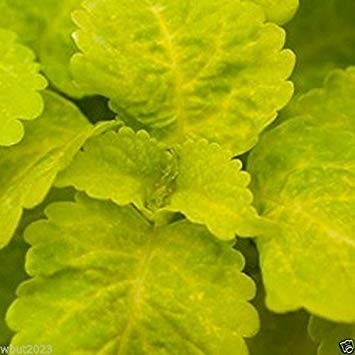
FAIRWAY YELLOW Coleus Seeds Chartreuse leaves (100 Seeds)

1,600 Rainbow Coleus Flower Seeds Mix

Four O’Clock Marvel of Peru Mirabilis Mix – 10 Seeds

Outsidepride Blotch Mix Mimulus Seeds (200 Pcs)

Rainbow Mix Coleus Seeds for Planting (2 Packs)

Sow Right Seeds Part Shade Flower Seed Collection

CarpetC 300+ Balsam Seeds for Planting
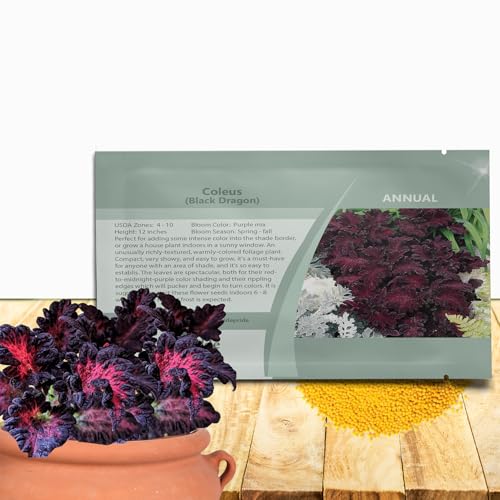
Outsidepride Black Dragon Coleus Seeds (200 Pcs)
What Each Pick Brings To The Table
If your shaded patio stays dim for most of the day, a chartreuse coleus does the heavy lifting. FAIRWAY YELLOW Coleus seeds produce chartreuse leaves traced with softer yellow veins, which read as a glow against dark mulch or weathered stone.
Grown from seed (Solenostemon scutellarioides, the botanical name for coleus), this annual rewards a sunny windowsill start before transplanting to a shady border. You’ll find the foliage reaches a reliable summer size in pots, and the color holds when neighboring blooms fade.
Notable Upsides
- Luminous chartreuse-and-yellow foliage brightens deep shade where flowers struggle
- Compact 100-seed packet suits small pot groupings without oversowing
- Coleus grows reliably from seed for gardeners who prefer starting their own transplants
- Foliage stays interesting from late spring through first frost
Things To Consider
- A single color variant means less variety than a rainbow mix offers
- Seedlings need a sunny indoor start before moving to their final shady spot
Who It Suits Best
Patio gardeners who want a single, dependable foliage accent for one or two containers in deep shade.
Consider Something Else When
The Outsidepride Black Dragon Coleus seeds suit you better if you want a darker, dramatic burgundy tone to anchor the same arrangement.
The 1,600 Rainbow Coleus mix trades focus for range. Plectranthus scutellarioides seeds here bring tropical magentas, greens, yellows, and reds into one packet, so a cluster of pots reads as a curated display rather than a single color.
Plants typically reach about 12 inches tall, which fits nicely into mid-sized patio containers. For most home gardeners, starting seeds indoors 6-8 weeks before the last frost gives a sturdy transplant by the time warm weather arrives.
The Value In It
- 1,600-seed count handles multiple large containers or several seasons of small pots
- Mix of four leaf-color families keeps the arrangement visually layered
- Plays well alongside canna and hibiscus in tropical-themed plantings
- Standard 12-inch mature height fits most patio container sizes
Trade Offs
- Germination depends on consistent indoor lighting and moisture, which adds setup time
- Some gardeners find individual color outcomes unpredictable from a mixed packet
Quick Facts
Made For
Gardeners filling several large containers at once who want a varied foliage palette without buying multiple packets.
A Better Fit Elsewhere
The Sow Right Seeds Part Shade Flower Collection suits you more if you want a sampler that includes flowers, not just foliage.
Mirabilis, called Four O’Clock or Marvel of Peru, opens its trumpet flowers in late afternoon rather than at midday. For a shaded patio where you sit outside in the evening, that timing actually works in your favor, since dim afternoon light doesn’t fade the petals as quickly.
Each plant typically produces a mix of colors on the same bush, which is a charming quirk of the species. The 10-seed packet suits a small pot cluster, and growers commonly report a light, sweet fragrance once flowers open.
The Helpful Details
- Evening bloom timing suits patios used after work hours
- Multi-color flowers on a single plant add unexpected variety
- Light fragrance adds atmosphere in still evening air
- Tolerates partial shade where many annuals struggle
Worth Noting
- Small 10-seed packet means a single missed start hurts your total plant count
- Flowers stay closed during bright midday hours, which can read as a bare plant
- Blooms drop by morning, so daily visual impact is shorter than day-blooming annuals
Best Suited To
Homeowners who enjoy their patio at sunset and want a fragrant, pollinator-friendly annual that peaks when they’re outside.
Look Elsewhere When
The Outsidepride Blotch Mix Mimulus suits you more if you want visible color through the daytime, not just at dusk.
Mimulus, the monkey flower, brings a different rhythm to a shade garden. Outsidepride’s Blotch Mix produces compact plants, about 8 to 10 inches tall and wide, with trumpet-shaped blooms in flame blotches from spring through fall.
The light frost tolerance matters more than it sounds. Gardeners in coastal or northern zones can set plants out earlier, so pots fill in before peak summer heat arrives. You can expect first flowers roughly 8 to 10 weeks after sowing.
What It Does Well
- Frost tolerance lets you plant earlier in cool springs
- Compact 8-10 inch size fits small pots and color bowls neatly
- Long bloom window from spring through fall covers most of the season
- Adapts to containers, hanging baskets, and pond-edge plantings
Small Caveats
- Bloom-heavy plants need consistent moisture in containers, especially in summer
- Some gardeners note seed is small and easy to over-sow at planting time
Feature Snapshot
Perfect Match For
Cool-climate gardeners who want shade color that starts in spring rather than waiting for midsummer heat.
Swap It Out When
The CarpetC 300+ Balsam seeds suit you better if you want a taller, frilly hanging-basket flower in the same shady conditions.
Rainbow Mix coleus from SURVIVAL GARDEN SEEDS offers two packets in one listing, which is a practical setup for beginners. Plectranthus scutellarioides foliage comes in red, orange, yellow, green, and purple hues, so even a first-time seed starter gets a satisfying color spread.
Coleus is a forgiving shade annual. You can tuck transplants under trees or against a north-facing wall, and the foliage stays vivid rather than fading. For most home gardeners, two packs give enough seed for a backup sowing if the first attempt is uneven.
Useful Touches
- Two packs in one order cover both a main sowing and a backup round
- Five-color mix adds red, orange, yellow, green, and purple leaves
- Shade tolerance handles under-tree and north-side placements
- Container-friendly habit adapts to window boxes and patio pots
Points To Note
- Coleus needs pinching back to stay bushy rather than leggy in containers
- Color expression varies seedling to seedling, which is part of the mix
Right Fit For
Beginners starting shade annuals from seed for the first time and wanting a forgiving, multi-color foliage option.
Another Choice May Suit
The FAIRWAY YELLOW Coleus seeds suit you more if you’d rather commit to a single bright chartreuse color across your pots.
Most packets lock you into one species, but this collection bundles five flowers suited to part shade. Blue Columbine, Johnny Jump Up Violet, English Daisy, Forget-me-not, and Rainbow Mix Coleus each arrive in their own individual packet, giving you a sampler to scatter or arrange.
The honest read is that a sampler like this trades precision for variety. You get blooms in blue, pink, purple, and orange alongside varied textures, which is a real asset if you like a wildflower-style planting rather than matched pots.
Where It Excels
- Five species in one order covers colors and textures in one purchase
- Individual packets let you sow in different spots or stagger planting
- Suitable for wildflower scatter or neat container rows
- Mix of bloom shapes, including columbine spurs and daisy faces
Honest Caveats
- Five species means five different germination timelines to track
- Smaller individual packets suit beds more than large patio containers
Whose Shelf It Belongs On
Home gardeners who want a varied cottage-style shade bed without buying five separate packets.
Reach For A Different Pick When
The 1,600 Rainbow Coleus Flower Seeds Mix suits you more if you want a single-species foliage powerhouse for big pots.
Balsam (Impatiens balsamina) is the heirloom cousin of the common impatiens, with camellia-like double blooms along the stem. CarpetC’s 300+ seed packet gives you a long bloom window in shaded garden borders, containers, and hanging baskets.
Starting indoors 8 to 10 weeks before the last frost is the standard approach. Light aids germination here, so you press seeds onto moist starting mix rather than burying them. Once transplanted, plants handle part-shade reliably through warm months.
The Good Stuff
- Heirloom non-GMO seeds with camellia-form double blooms
- Long bloom window keeps color through summer
- Handles shaded borders, containers, and hanging baskets
- 300+ seeds suit multiple plantings over several seasons
Some Limits To Know
- Surface sowing requires careful light and moisture management
- Double blooms drop petals more visibly than single varieties
Technical Sheet
Who Should Grab It
Gardeners with patience for indoor seed-starting who want heirloom balsam blooms in shaded patio containers.
Skip It When
The Rainbow Mix Coleus 2 Packs suit you more if you want foliage color without an indoor seed-starting routine.
Black Dragon coleus is the moody anchor of a shade container. Outsidepride’s 200-seed packet produces serrated foliage in deep burgundy tones, with a compact 12-inch mature height that suits small gardens, borders, containers, and indoor spots.
You get deer-resistant foliage (a real plus in some suburban yards), and the compact growth habit makes creative arrangements easier. Pair it with chartreuse coleus from the FAIRWAY YELLOW packet, and the two tones frame each other without competing.
The Case For It
- Deep burgundy foliage creates a dramatic anchor in shade arrangements
- Compact 12-inch habit fits borders, containers, and indoor spots
- Deer-resistant foliage helps in yards with browsing wildlife
- Serrated leaf shape adds texture against smoother companion plants
Points To Keep In Mind
- Dark foliage can recede visually if planted alone in deep shade without contrast
- Slow start indoors is normal, so patience matters before transplant
Feature Card
Built With In Mind
Design-minded gardeners arranging contrast-rich shade containers who want a foliage anchor rather than a flower.
Where A Sibling Pick Shines
The 1,600 Rainbow Coleus Flower Seeds Mix suits you more if you’d rather scatter color across several pots than build a single bold arrangement.
Matching The Right Seeds To Your Shade Conditions
Shade is rarely one thing. A north-facing patio with a roof overhang is a different world from a dappled spot under a maple, so start by watching the light at your pots across a single day. Coleus holds its color in partial sun to full shade, while mimulus prefers cool, moist conditions and bolts in summer heat, so matching the species to your microclimate matters more than chasing a single perfect variety.
Container size changes everything, too. A 12-inch coleus fills a 10-inch pot by midsummer, but balsam wants room for its stem-heavy blooms. Drainage is the other quiet factor. Most shade annuals dislike wet feet, so a pot with holes and a light potting mix beats dense garden soil every time.
For most home gardeners, starting coleus, balsam, and mimulus indoors 6 to 10 weeks before the last frost gives sturdy transplants. Four o’clocks, by contrast, often do fine direct-sown once soil warms. Pick the species whose sowing style matches how much indoor space and patience you actually have.
Reading Your Light Before You Buy
Full shade means fewer than three hours of direct sun, while part shade lands at three to six. Coleus thrives across most of that range, but balsam and mimulus prefer the cooler, moister end. If your patio gets reflected afternoon light from a wall, treat it as part shade rather than full shade, and lean toward coleus or four o’clocks.
Sizing Containers To The Species
Compact mimulus at 8 to 10 inches fits a 6-inch color bowl, while coleus and balsam want 10- to 12-inch pots for a full season of growth. Crowded roots lead to early wilting in shade annuals, so err toward a larger pot if you can.
Pitfalls Shoppers Hit And Where The Extra Money Goes
Mistakes Worth Dodging
Buying a sun-loving annual by mistake is the most common slip. Petunia and geranium seeds look like shade annuals in marketing photos but fade fast without six hours of sun. Stick to species whose source data actually says shade-tolerant or part shade, like coleus, balsam, mimulus, and four o’clocks.
Another trap is overestimating seed count. A 10-seed packet of four o’clocks covers one pot, while a 200-seed coleus packet covers several. Read the seed count, not just the species, before you commit.
When Paying More Pays Off
Bigger seed counts and curated mixes cost more because they spread the sowing risk across more seeds. A 1,600-seed coleus mix gives you backup transplants if germination is uneven, and a multi-species collection like the Sow Right sampler covers five bloom types for one order. For most shaded patios with three or more pots, the larger packets tend to deliver better value per plant than small trial packets.
