

A shady yard doesn’t have to stay bare. Plenty of ground covers, fabrics, and shade cloths thrive where grass struggles, turning dim corners and under-tree plots into something structured and easy to maintain. You just have to match the right tool to the right spot.
This lineup mixes living plants with practical landscape gear. Liriope and Heuchera handle the planting side, while weed barriers and shade cloths cover the hardscape angle. Each pick below is chosen for a specific situation, so you can zero in on what your yard actually needs.
The Leading Options At A Glance
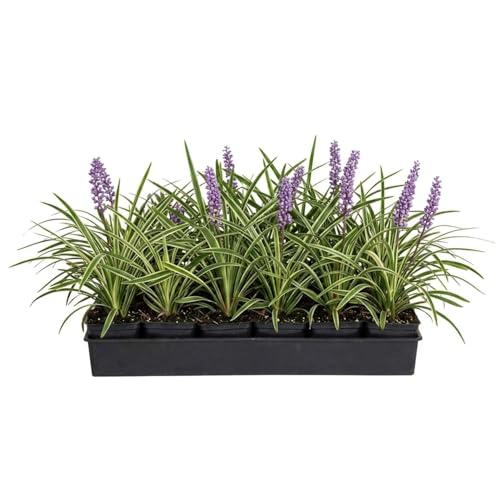
18 Pack – Liriope Variegated Grass

CanopyCrown 8x10FT Waterproof Poly Tarp
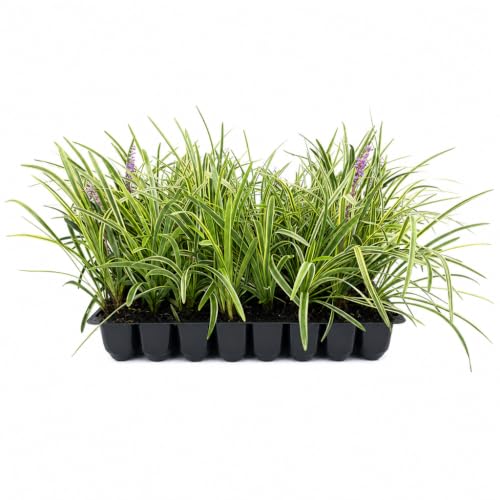
Florida Foliage Variegated Liriope, 40 Live Plants

CanopyCrown 3FTx50FT Weed Barrier Fabric
CanopyCrown 3FTx300FT Weed Barrier Fabric

DGSL 10x20Ft 40% Shade Cloth

DGSL 10×16.4Ft 40% Shade Cloth

Florida Foliage Big Blue Liriope, 10 4-Inch Pots

Daylily Nursery 5 Smoothie Heuchera, 3.5-Inch Pots
A Deeper Look At The Lineup
Variegated Liriope brings a striped green-and-white look to dim spots where turf grass fades out. Each clump tops out around 12 to 18 inches, spreading into a tidy mound that fills in nicely along a walkway or beneath a tree canopy. In late summer, short purple flower spikes appear, giving you a little bonus color when most shade plants have stopped performing.
This 18-pack gives you enough material to outline a path or anchor a small island bed without breaking the bank. The plants prefer partial to full shade and moist, well-drained soil, and once established they handle dry stretches without fuss. For most homeowners, this is the entry point into living shade ground cover without committing to a huge planting.
Positive Points
- Evergreen variegated foliage keeps beds looking structured through winter.
- Tolerates partial to full shade, which is exactly where turf struggles.
- Drought-tolerant once roots settle, cutting down on summer watering.
- Hardy across USDA zones 5 through 10, suiting most U.S. climates.
- Late-summer purple spikes add a touch of color when other shade plants finish.
Things To Consider
- Overwatering in heavy clay can lead to root rot, so drainage matters.
- Clumps expand slowly the first season, leaving visible gaps until year two.
- Mature spread per plant is modest, so covering a large bed takes patience.
Feature Snapshot
Right Fit For
Homeowners with partial-shade walkways or bed edges who want a tidy, evergreen border without heavy maintenance.
Look Elsewhere When
You need to fill a wide bed quickly, where the Florida Foliage 40-plant Variegated Liriope pack covers more ground with the same plant type.
The CanopyCrown 8×10 tarp isn’t a living plant, but it earns its place on a shade-ground-cover list for a specific job. Lay it over a barren patch to suppress weeds, block sun, or protect soil while you plan a planting. The PE textile is lightweight at 130 GSM yet rated for 855N of tensile strength, so it handles real-world handling better than bargain-bin tarps.
At 6.5 mil thick, you get weatherproofing plus UV and anti-aging protection without the bulk of industrial canvas. Grommets along the edges let you stake it down for short-term soil coverage or seasonal debris control. Compared to the CanopyCrown weed barriers coming up, this is the go-anywhere sheet, not the long-term landscape layer.
What Earns Its Place
- Lightweight 130 GSM build is easy to fold, carry, and reposition.
- Grommets along edges make staking and tying straightforward.
- Waterproof plus UV-resistant for short-term outdoor duty.
Worth Noting
- Not a breathable weed barrier, so it can smother soil life under long deployments.
- 8×10 feet suits smaller patches, leaving bigger yards under-served.
Made For
Homeowners needing a flexible cover for short-term weed blocking, seasonal cleanup, or temporary soil shading during a planting project.
Reach For A Different Pick When
You want long-term weed suppression that still lets water and air reach soil, where the CanopyCrown 3FTx50FT Weed Barrier Fabric is the right tool.
Where the smaller Liriope pack edges a path, this 40-plant tray covers the broad bed. Florida Foliage ships the same Liriope muscari Variegata, the striped leaf form, in a quantity large enough to fill a shaded island in a single planting session. The dense, clumping habit suppresses weeds naturally once established, which is the whole reason to choose a ground cover over mulch.
Foliage holds year-round in mild zones, with soft lilac flower spikes arriving in late summer for a pop of color. The plants tolerate sun in cooler climates and lean toward part-shade to shade in hotter regions. For homeowners who want a living carpet instead of fabric, this scale of planting gets you there in one season.
Good Reasons To Consider
- 40 plants cover a large bed without the math of piecing together smaller packs.
- Evergreen foliage gives you year-round structure in zones 5 through 10.
- Drought-resistant once roots establish, easing summer upkeep.
- Tolerates heat and humidity, suiting Southern gardens.
Points To Note
- Forty live plants arrive at once, so planting day is a real commitment.
- Clumps fill in by year two, leaving noticeable gaps the first season.
Quick Facts
Best Suited To
Homeowners ready to plant a full shade bed in one go and willing to wait a season for full coverage.
A Better Fit Elsewhere
You want a smaller starter project, where the Plants by Mail 18-pack offers the same plant in a more manageable quantity.
Shade ground cover isn’t always about plants. Sometimes the smartest move is laying a geotextile barrier under mulch or decorative gravel, blocking weeds while letting rain and air pass through. This 3-foot by 50-foot roll is the right size for a narrow planting strip, a foundation bed, or a small garden plot under a tree.
The 3.2-ounce woven LDPE fabric balances thickness with permeability, and the included 10 U-shaped pegs keep the material pinned against wind and foot traffic. The 3-foot width is genuinely useful for tight spaces where wider rolls are awkward to handle.
Useful Strengths
- 3.2 oz woven LDPE holds up under mulch and gravel without tearing easily.
- Permeable weave lets water and air reach soil biology underneath.
- Includes 10 securing pegs, so installation needs no extra parts.
Trade Offs
- 3-foot width means more seams on wider beds, raising installation time.
- 50-foot length suits modest plots, leaving larger jobs to the 300-foot sibling roll.
Who It Suits Best
Homeowners tackling a narrow bed or single garden plot who want a tidy, low-effort weed barrier without buying a giant roll.
Not Your Match When
You need to cover a long driveway or fence line, where the CanopyCrown 3FTx300FT Weed Barrier Fabric handles the scale better.
The 300-foot sibling to pick number 4 takes the same 3.2-ounce woven LDPE fabric and stretches it across much more ground. At 3 feet wide and 300 feet long, you can run this along a long fence line, under a gravel driveway, or beneath an oversized landscaped slope without stopping to splice rolls every few yards.
You also get 30 U-shaped securing pegs in the box, triple what the smaller roll ships with. That matters for big installations where wind and settling work the fabric loose over time. It’s the same construction as the 50-foot version, just sized for serious coverage.
Useful Highlights
- 300-foot length eliminates seams on long installations.
- 30 included pegs keep the fabric anchored across big areas.
- Same 3.2 oz LDPE weave as the smaller version, so durability matches.
Honest Caveats
- Bulky roll needs space to store and a helper to position.
- 3-foot width still means overlapping strips for wider beds.
Feature Rundown
Perfect Match For
Homeowners and property managers installing landscape fabric across large yards, long driveways, or full perimeter beds in a single project.
Swap It Out When
You only need a short run for a single bed, where the CanopyCrown 3FTx50FT Weed Barrier Fabric is easier to handle and store.
Shade cloth works where you need filtered light rather than a solid barrier. At 40% density, this DGSL mesh cuts harsh midday sun while still letting enough light through for vegetables, ornamentals, or a shaded patio. The HDPE (high-density polyethylene) knit resists tearing, which matters when you’re tensioning it across hoops or a frame.
Grommets along the edges simplify tie-downs, and the 10×20 size covers a sizeable garden bed or seating area. If you’re protecting young plants that don’t want full shade but need a break from direct rays, this hits the middle ground between full sun and a covered canopy.
The Value In It
- 40% shade ratio balances protection with usable light for plants.
- Reinforced HDPE knit handles tensioning across frames.
- Grommets along the perimeter simplify securing with ties or cord.
Factors To Consider
- 40% shading is lighter than what some full-shade plants actually need.
- Open mesh offers no rain protection, only sun filtering.
Who Should Grab It
Vegetable gardeners and patio owners who want to dial down midday sun without plunging beds into deep shade.
Where Another Pick Suits Better
You need a smaller drop for a tight planting bed, where the DGSL 6.5x13Ft 40% Shade Cloth covers a compact footprint.

Same HDPE construction and 40% shade ratio as the larger DGSL rolls, just scaled for smaller jobs. At 6.5 by 13 feet, this cloth covers a single raised bed, a small herb garden, or a child’s sandbox without excess material flapping in the breeze. The compact footprint makes it easier to tension between posts or attach to a pergola corner.
Grommets run along the edges for tie-downs, and the breathable mesh lets air circulate underneath so heat doesn’t build up under the canopy. Compared to the 10×20 sibling, this is the pick when you’ve measured your space and don’t want a lot of leftover fabric to manage.
The Helpful Details
- Compact 6.5×13 size fits raised beds and tight garden corners.
- Same 40% ratio and HDPE knit as the larger DGSL cloths.
- Edge grommets make solo installation realistic for one person.
Less Ideal Details
- Limited coverage falls short for full garden rows or long fence lines.
- Mesh design still allows rain through, so it isn’t a weather shield.
Whose Shelf It Belongs On
Apartment gardeners, small-plot growers, and anyone outfitting a single raised bed with filtered shade.
Skip It When
You need to span a long run, where the DGSL 10×16.4Ft 40% Shade Cloth covers more length without forcing you to stitch two panels together.
Slotted between DGSL’s compact and large shade cloths, this 10×16.4-foot panel fits medium-sized beds and patio nooks. The dimensions suit a backyard vegetable plot that needs relief from late-afternoon sun, or a pergola where you want light filtering without a heavy overhead feel. At 40% density, you reduce the harshest light without plunging the space into darkness.
Construction matches the rest of the DGSL lineup: HDPE knit for tear resistance, edge grommets for clean tie-offs, and an open weave that breathes in summer heat. If the 6.5×13 feels too small and the 10×20 feels excessive, this is the in-between option worth measuring for.
Practical Pluses
- Mid-size dimensions suit most backyard garden beds and patio spaces.
- HDPE construction matches the durability of larger DGSL rolls.
- Edge grommets provide consistent tie points around the perimeter.
Small Caveats
- Open weave offers no rain barrier during heavy storms.
- 40% shade may not be dense enough for plants that need deep cover.
Spec Overview
Built With In Mind
Homeowners with medium-sized vegetable plots or backyard seating areas who want filtered sun without committing to the largest panel.
Where A Sibling Pick Shines
You need a broad canopy across a long patio or wide garden row, where the DGSL 10x20Ft 40% Shade Cloth gives you extra reach.
Big Blue is the solid-green cousin of the variegated Liriope seen earlier in this lineup, and it pulls its weight where you want a denser, more uniform carpet. Each 4-inch pot arrives with a more developed root system than small starter plugs, so the plants establish faster once they’re in the ground. Foliage runs a vivid green and pushes out blue flower spikes in late summer, followed by dark berries.
The plants tolerate a wide soil range and shrug off deer browsing and mild drought once mature. Use them on slopes, beneath trees, or wherever grass won’t grow. For most homeowners planting in a tricky dry-shade transition zone, the bigger starter pots are worth the upgrade over tiny liners.
Points In Its Favor
- 4-inch pots give plants a head start over smaller liner trays.
- Deer-tolerant and drought-tolerant once established.
- Vivid green foliage pairs well with variegated plantings for contrast.
- Adaptable to full sun, part shade, or mostly shade.
Practical Considerations
- Doesn’t tolerate foot traffic well, so don’t plant it as a lawn replacement in walkways.
- Older foliage needs annual pruning before spring growth for a tidy look.
The Right Fit
Homeowners tackling dry-shade slopes or large tree-shaded beds who want a uniform green cover with bigger starter plants.
Consider Something Else When
You prefer striped foliage for visual interest, where the Florida Foliage Variegated Liriope 40-pack brings the same growth habit with leaf color variation.
Heuchera, often sold as Coral Bells, earns the closing slot because it brings something the other picks don’t: vivid foliage color. Berry Smoothie leaves start rosy-pink and deepen into a hot purple-pink that holds through the season, with pale pink flowers on wiry stems in late spring. In a shade garden where everything tends toward green, that contrast matters.
Each 3.5-inch pot ships a single mature plant, so five pots give you a meaningful starter drift along a border or in a mixed container. The plants thrive in heat and humidity, take part sun to shade, and draw hummingbirds once they bloom. If your shade bed feels monotone, this is the easiest way to break it up.
What Works In Its Favor
- Rosy-pink to purple-pink foliage adds color where shade beds usually read green.
- Heat and humidity tolerance suits Southern gardens.
- Compact mounds fit front-of-border and container placements.
- Pale pink flower spikes attract hummingbirds in late spring.
Things To Weigh
- Five plants cover a modest area, so larger drifts need multiple orders.
- Color reads best in part sun; deep shade can mute the pink tones.
Details At A Glance
Who Will Love This
Design-minded shade gardeners who want foliage color, pollinators, and a tidy mounded form in one plant.
Another Choice May Suit
You need a green, low-growing carpet for erosion control on slopes, where the Florida Foliage Big Blue Liriope handles that role more reliably.
What Matters Most Before Choosing Shade Ground Cover
The right pick depends on whether you need living plants or landscape fabric, and how much light the spot really gets. Filtered shade beneath tall trees suits Liriope and Heuchera well, while bare soil under a deck calls for weed barrier and mulch instead.
Measure sun exposure honestly before deciding. “Part shade” can mean anything from two hours of direct light to six, and plants labeled for “shade” often want at least some dappled sun to thrive. A bed that never sees direct rays is a tough site even for shade-loving plants, so factor in mature tree canopy, not just the first-year layout.
For hardscape solutions, match roll size to bed dimensions before buying. A 3-foot-wide fabric works for narrow planting strips and foundation beds, while full garden rows need longer runs or multiple pieces sewn together. Buying too small means seams everywhere, and buying too large means paying for material you store indefinitely.
Finally, decide whether maintenance is a concern. Living ground covers ask for watering the first season and occasional division every few years. Weed barriers and shade cloths go in once and mostly stay out of your way. Choosing based on how often you want to revisit the bed keeps the project realistic long-term.
Key Considerations Across These Picks
Pitfalls Shoppers Hit
Buying ground cover without measuring sun exposure is the most common misstep. A north-facing wall under dense evergreens looks like a shade spot but reads as deep shade, which overwhelms even shade-tolerant plants like Liriope. Spend a day checking light at different hours before placing an order.
Skipping soil prep is the next trap. Both weed barriers and live plants struggle when laid over compacted clay or construction debris. A quick pass with a rake and some added compost gives everything in this list a fighting start.
Where The Extra Money Goes
Bigger pot sizes, like the 4-inch Liriope pots, cost more because the plants arrive with established root systems. That head start saves a full growing season versus tiny plugs, so the upgrade pays off when you want coverage sooner.
Longer fabric rolls command more, but the price per square foot usually drops. The CanopyCrown 300-foot roll covers the same area for less per foot than two 150-foot runs stitched together, and you avoid seam failures down the road.
Frequently Asked Questions
What ground cover grows best in full shade? Liriope muscari handles partial to full shade and stays evergreen in mild zones, making it a strong pick for dim spots. Heuchera also tolerates part to full shade, though its foliage color reads brightest with some dappled light.
How do I keep weeds out of a shade garden? Lay woven weed barrier fabric under mulch or install a living ground cover that forms a dense mat. Both approaches block sunlight from reaching weed seeds, and a living cover adds visual interest while it works.
Is 40% shade cloth enough for vegetables? In most climates, 40% shade cloth reduces harsh midday sun while leaving enough light for leafy greens and many ornamentals. Tomato and pepper growers may want lighter coverage, around 30%, to keep fruiting strong.
Can I mix different shade ground covers in one bed? Yes, combining Liriope, Heuchera, and mulch over weed barrier is a common approach. Layer taller plants behind, shorter ones in front, and use the barrier only where bare soil would otherwise invite weeds.
How long does it take ground cover plants to fill in? Most clumping ground covers, including Liriope, need one to two full growing seasons to knit together. Spacing plants closer at planting speeds coverage, while wider spacing saves money up front but leaves visible gaps longer.
Wrap Up
A shade yard doesn’t have to feel like an afterthought. Match the right plant to the right light, use landscape fabric where you want zero-maintenance coverage, and pull in shade cloth where filtered light is the goal. The picks above cover each of those scenarios, so you can start with the option that fits your space and add to it as your beds evolve.
