

Texas summers punish weak plantings. Choosing trees that thrive in heavy clay, alkaline soils, and triple-digit heat saves years of frustration, and a smart shortlist makes that decision easier. The following ten trees and seed mixes cover a range of goals, from a small patio magnolia to a fast-growing cypress and pollinator-friendly wildflowers that fill the gaps between canopies.
An Overview Of The Picks

Perfect Plants Little Gem Magnolia Tree 1-2 ft

Outsidepride Goldfinger Mexican Sunflower Seeds 500 Pcs
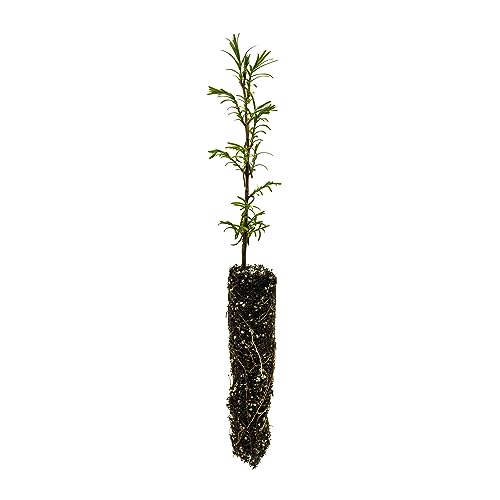
Montezuma Cypress Small Tree Seedling

DAS Farms American Red Maple Shade Trees 4-5 ft Two Pack

Weeping Willow Deciduous Shade Tree 7 gal Nursery Pot

Outsidepride Southeast Wildflower Seed Mix 1 lb

SWEET YARDS Bulk Wildflower Seeds Partial Shade Mix 1 lb

Crape Myrtle Guy Tuscarora Crepe Myrtle Pink Blooms 6 Pack

HOME GROWN Wildflower Seeds Bulk Mix 3 oz

Crape Myrtle Guy Natchez Crape Myrtle White Blooms 6 Pack
A Breakdown Of The Leading Choices
Tiny yards ask different questions of a tree, and the Little Gem Magnolia answers them well at a comfortable 1-2 ft starter height. Compared to most live plants shipped at this size, it ships with a starter dose of plant food, which keeps the first-year transplant stress manageable for new gardeners.
It blooms in summer with white flowers set against narrow, glossy evergreen leaves, and the slow growth means less ladder work on pruning day. For patios, entryways, and tight corners that need year-round greenery rather than a full-canopy shade, this compact magnolia fills the role without crowding walkways.
Everyday Wins
- Stays narrow and shapely without routine pruning, saving weekend maintenance.
- Evergreen foliage keeps a patio looking finished through Texas winters.
- Summer white blooms add fragrance and pollinator value near seating areas.
- Ships with included plant food for a smoother first growing season.
Worth Noting
- Grows far slower than a willow or maple, so it won’t throw real shade for several seasons.
- Dropped leaves and seedpods typically require occasional raking to keep entryways tidy.
Key Specs
Right Fit For
Patio gardeners and entryway planters who want evergreen structure with minimal pruning.
Reach For A Different Pick When
You need quick canopy coverage, in which case the DAS Farms American Red Maple handles the timeline better.
Mexican sunflower isn’t a shade tree, but it earns a place on a Texas shortlist because it pulls double duty under a developing canopy. The Tithonia speciosa variety handles drought-prone beds with ease and sends up bright orange daisies that draw bees, butterflies, and hummingbirds from across the neighborhood.
For most backyard growers, 500 seeds is enough to fill a generous sunny border at low cost. You can think of it as a living understory while slower trees mature, and the tall stems double as a cut-flower source for kitchen vases.
Noteworthy Benefits
- Drought tolerance fits Texas beds that bake in July and August sun.
- Vivid orange color outlasts many summer annuals that fade in heat.
- Sturdy stems work well as cut flowers for casual arrangements.
- Pollinator activity spikes during peak bloom in midsummer.
- Quick growth means visible results within a single growing season.
Trade Offs
- Functions as an annual, so replanting each spring adds recurring work.
- Tall growth may need staking in exposed, windy lots to stay upright.
- Provides no canopy shade on its own, only color and pollinator value.
Whose Yard It Belongs On
Wildlife-friendly gardeners filling sunny beds while slower shade trees establish.
Swap It Out When
You want permanent canopy shade, in which case the Montezuma Cypress seedling suits long-term planning better.
The Montezuma Cypress is Mexico’s national tree for good reason, and Jonsteen’s seedling brings that heritage to Texas lots. Taxodium mucronatum tolerates heat and a range of soils, and over decades it develops the broad, feathery canopy that gives a yard real character.
It’s a project tree rather than an instant fix, which is exactly why it suits patient gardeners. Transplanting and care instructions come in the box, and for most properties the seedling stage requires steady watering for the first year or two.
Where It Helps
- Heat tolerance suits southern summers where many conifers struggle.
- Mature form provides a windbreak, noise buffer, and erosion control.
- Adds long-term property value through sizable landscape maturity.
- Seed-grown on a California coast nursery with care guidance included.
Room For Improvement
- Takes many seasons to deliver meaningful shade, so it isn’t a quick fix.
- Seedling size demands careful watering and protection during establishment.
Feature Snapshot
Made For
Long-horizon gardeners planning decades ahead rather than seeking quick canopy.
Consider Something Else When
You need shade this summer, in which case the Weeping Willow in a 7-gal pot grows in fast.
Two trees at once changes the math on a backyard canopy project, and DAS Farms ships a pair of American Red Maples already 4-5 ft tall. That’s a meaningful head start compared to seedlings, and it lets you frame a yard with matching specimens in one afternoon.
Red maples drop their leaves in winter, so you trade evergreen cover for fiery fall color. They like consistent moisture during establishment, and the included instructions walk new planters through ground planting on arrival.
Advantages To Know
- Pair of trees simplifies symmetrical plantings along driveways or fences.
- 4-5 ft starter height shortens the wait for visible shade structure.
- Fall foliage adds a second season of color beyond the summer canopy.
- Ready-to-plant format reduces the guesswork around shipping size.
Honest Caveats
- California orders ship under different packaging rules due to state regulations.
- Deciduous habit means winter bark and bare branches, with no privacy screen.
- Demand regular watering in their first Texas summers to thrive.
Best Suited To
Homeowners with larger lots wanting a matched pair and quicker shade gains.
Skip It When
You need year-round screening, in which case the Perfect Plants Little Gem Magnolia keeps its leaves.
The 7-gal pot marks this Weeping Willow as a serious starter, sized for gardeners who want growth this season. The cascading green branches show off best near water, so it earns its keep on pond banks, creek-side lots, and any yard with reliable moisture.
Fast growth is the headline feature, and it delivers on the promise when watering stays consistent. Note the agricultural shipping limits: orders to CA, AZ, AK, or HI get cancelled, so Texas shoppers are fine but cross-country gifts need a second look.
Everyday Advantages
- Fast growth fills in a yard’s silhouette within a couple of growing seasons.
- 7-gal pot size means a more developed root system than smaller mailers.
- Cascading form makes a striking focal point near ponds or low spots.
- Deciduous leaves give bright summer greens and clean winter branch structure.
Small Caveats
- Cannot ship to California, Arizona, Alaska, or Hawaii under agricultural rules.
- Roots seek moisture aggressively, so placement near septic lines deserves caution.
- Larger canopies drop heavy limbs in storms, requiring occasional cleanup.
Quick Facts
Who It Suits Best
Yards with moist soil or pond edges that want quick, dramatic shade coverage.
Look Elsewhere When
Your soil is thin and dry, in which case the DAS Farms American Red Maple handles tougher ground more reliably.
Outsidepride’s Southeast mix is built around states that share Texas’s humidity and heat patterns, including eastern Texas in its coverage zone. A one-pound bag opens up a substantial patch of meadow without the cost of plugs or potted plants.
Annual and perennial varieties share the bag, so the first season brings quick color while slower perennials establish. The mix handles low-maintenance sites well, and the blend suits naturalized edges where you want color without constant deadheading.
A Few Highlights
- Tailored to southeastern states, including eastern Texas growing conditions.
- Annual and perennial varieties give layered bloom timing.
- One-pound size covers a generous meadow patch.
- Low-maintenance profile suits casual gardeners.
Points To Note
- Mixed seed results vary depending on soil prep and watering at sowing.
- Some species take a full season to establish visible blooms.
Feature Card
Perfect Match For
Naturalized gardeners in eastern Texas who want low-maintenance meadow color.
Where Another Pick Suits Better
You want flowers that thrive under established tree cover, in which case the SWEET YARDS Partial Shade Mix fits the bill.
Most wildflower mixes want full sun, which leaves shaded understories awkward to fill. SWEET YARDS’ Partial Shade Mix fixes that gap, with over 120,000 open-pollinated seeds (open-pollinated meaning naturally pollinated rather than hybrid-controlled) per pound, enough to cover more than 1,600 square feet.
The blend draws annual and perennial species that handle filtered light beneath maples and crape myrtles. If you’ve got bare ground under a developing canopy and want to dress it up without laying sod, this mix lets nature fill in.
Bright Spots
- Shade tolerance is rare in wildflower blends and earns its place in wooded yards.
- 120,000+ seeds per bag keep the cost per square foot low.
- Open-pollinated varieties support local pollinator populations.
- Annual and perennial mix keeps the bed productive over multiple seasons.
- Bulk size supports sharing with neighbors or seed-bomb projects.
A Few Limitations
- Germination rates depend heavily on proper soil prep and watering at sowing.
- Results vary year to year based on rainfall and shade density.
Who Will Love This
Gardeners with tree-shaded lots who want color without installing turf.
Not Your Match When
Your bed is open and sunny, in which case the Outsidepride Southeast Mix suits those conditions better.
The Tuscarora is one of the best crape myrtle picks for hot summers, and Crape Myrtle Guy ships them in quart containers with a fibrous root system (a dense, branching root structure that transplants with less stress than taprooted stock). Six plants in a single order simplify lining a driveway or fence at a uniform height.
Pink blooms run from summer into fall, and the smooth bark adds winter texture once leaves drop. Best results come in Zones 6-10 or in containers, which covers most of Texas.
Useful Touches
- Pink blooms stretch across the warmest months when many ornamentals fade.
- Fibrous root system helps young plants establish with less transplant shock.
- Multi-trunk potential lets you shape either a tree or shrub form.
- Six-pack format supports symmetrical landscape designs.
Some Limits To Know
- Quart containers mean starter-size plants that need a season or two to fill in.
- Crape myrtles need occasional pruning to remove suckers and crossed branches.
Quick Technical Notes
Who Should Grab It
Homeowners who want matching flowering accent trees along a driveway or fence line.
Where Another Pick Suits Better
You prefer white blooms, in which case the Natchez Crape Myrtle 6 Pack matches the same format with a different color.
Pollinator support is the headline here, and HOME GROWN packs 24 perennial varieties into a manageable 3 oz pouch. Non-GMO seeds (meaning varieties bred without genetic modification) suit gardeners who track sourcing carefully, and the perennial focus means blooms return year after year.
The mix attracts bees, birds, and hummingbirds, which makes it a useful layer beneath larger canopies. Smaller bag size fits a backyard test plot rather than a multi-acre project, so it’s a smart starting point.
Where It Excels
- 24 perennial varieties give extended bloom seasons.
- Designed to attract bees, birds, and hummingbirds.
- Non-GMO labeling appeals to organic-minded gardeners.
- Smaller pouch size suits modest backyard habitat edges.
Points To Keep In Mind
- 3 oz covers a smaller footprint than the bulk mixes on this list.
- Perennial establishment can mean a quieter first season before peak bloom.
Built With In Mind
Wildlife gardeners building layered habitat alongside developing shade trees.
A Better Fit Elsewhere
You need a much larger coverage area, in which case the SWEET YARDS Partial Shade Mix covers substantially more ground.
The Natchez earns its spot as a white-bloom counterpoint to the Tuscarora, and it shares the same fast-growing crape myrtle reputation. Six-pack format supports matched plantings along driveways or property edges where uniform height matters.
Plants ship 6-12 inches tall in quart containers, ready to establish and push toward mature height over a few seasons. Drought tolerance and pest resistance keep maintenance modest once roots settle in.
Points In Its Favor
- White blooms provide a cooler visual tone than pink or red crapes.
- Six-pack format simplifies matching landscape designs.
- Drought tolerance suits Texas summers once established.
- Pest and disease resistance reduce routine spraying.
- Potential height past 20 ft delivers real canopy in time.
What To Weigh
- Quart-container size means a slow start before meaningful shade appears.
- Annual pruning to remove suckers keeps the form tidy.
The Right Fit
Homeowners wanting white-bloom accents with the same drought toughness as their pink counterparts.
Skip It When
You prefer a vivid pink statement, in which case the Crape Myrtle Guy Tuscarora 6 Pack delivers the same format with bolder color.
What Matters Most Before Choosing Shade Trees For Texas
Texas covers climate zones 6 through 9, so a tree that thrives in Houston may struggle in Amarillo. Soil type matters as much as temperature: heavy clay in central Texas demands species with adaptable root systems, while sandy coastal soils reward drought-tolerant picks like crape myrtle and Montezuma cypress. Mature size is the second question to settle, since placing a 50-foot tree near a foundation creates years of future pruning. Sun exposure, water availability, and deer pressure round out the practical checklist.
Container size at shipping is a real signal of how soon you’ll see results. A quart container or seedling needs a couple of seasons to fill in, while a 7-gal nursery pot transplants closer to landscape-ready height. For pollinator support, layering wildflower mixes beneath developing canopies delivers faster returns than waiting on a young tree to mature. Native or regionally adapted species tend to need less supplemental water once established, which matters during dry Texas summers.
Key Considerations Across These Picks
Where Shoppers Go Wrong
Picking a tree for its mature photo rather than its shipped size leaves new planters waiting years for shade. Skipping a soil test is another common slip, since alkaline or compacted clay changes which species truly thrive. Overplanting a small yard with two large trees is a frequent regret, so sketch the mature spread before ordering.
Where The Extra Money Goes
Larger container sizes cost more, but they shave seasons off the establishment period. A 7-gal willow or a 4-5 ft maple arrives closer to landscape-ready than a quart crape myrtle. Multi-pack orders also reduce per-plant shipping impact and let you stage symmetrical plantings without hunting for matching specimens at local nurseries.
Frequently Asked Questions
What shade tree grows fastest in Texas?
The Weeping Willow in a 7-gal pot grows fastest among the picks on this list, especially when soil stays moist. Red maples and crape myrtles run a close second in most regions.
Which trees handle Texas heat without constant watering?
Live oaks, Montezuma cypress, and crape myrtles all earn strong drought-tolerance reputations once established. Plan for steady watering through the first two summers regardless of species.
Are crape myrtles a good shade tree in Texas?
Crape myrtles deliver summer color and modest shade, with mature height past 20 ft for varieties like Natchez. They work best as accent trees rather than full-property canopy.
How soon will a 1-2 ft tree provide real shade?
Expect two to four growing seasons before a 1-2 ft starter provides meaningful shade. Larger container sizes, like the 7-gal willow, shorten that timeline considerably.
Can I plant trees near a foundation in Texas clay soil?
Keep trees at least 10 to 15 feet from a foundation, and choose species with non-invasive root habits. Crape myrtles and Little Gem magnolias handle tight foundations better than willows.
Closing Remarks
Texas rewards gardeners who match the tree to the soil, sun, and timeline. Smaller patios lean toward the Little Gem magnolia and crape myrtles, while larger lots benefit from red maples or a 7-gal weeping willow. Layer wildflower mixes underneath, and the space fills in while slower trees establish. Pick based on your yard’s conditions, not just the prettiest bloom, and the canopy takes care of itself.
