

A windowsill basil, a patio mint patch, and a row of nursery seedlings all live in very different worlds, and the wrong container sinks any of them. Root rot from poor drainage, tippy pots that blow over in a breeze, undersized planters that stunt growth before the season really starts, these are the everyday frustrations that send cooks and gardeners hunting for better gear. This shortlist pairs ten containers across kitchen, patio, and nursery use cases so you can match the pot to the plant, not the other way around. You’ll find drainage notes, material realities, and size guidance that actually helps the next herb you bring home.
How The Shortlist Stacks Up

Rolling Citrus Tree Planter Gen 3 Self-Watering 24” Wide Planter

SQKH 6 Inch Plant Pots 6 Pack with Drainage

D’vine Dev 10-Pack Plastic Pots with Saucers 4-6 in White

D’vine Dev 3-Pack Plastic Pots & Saucers 4/5/6 in Black

VINGLI 3 PCS Large Wooden Planter Barrel Set

SQKH 4 Inch Plant Pots 6 Pack with Drainage
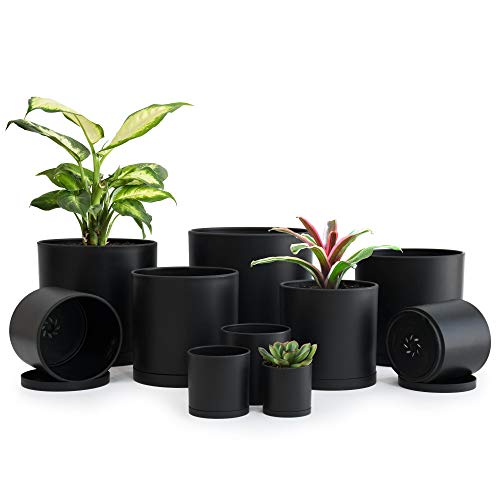
D’vine Dev 10-Pack Plastic Pots with Saucers 2-6.5 in Black

HYX-Yang Sturdy 12 Pack Clear Nursery Pots

Plgardpo Clear Nursery Pots 24 Pack 3/3.5/4 Inch

SQKH 4 Inch Plant Pots 6 Pack Colorful with Drainage
Meet The Standout Selections
Big herb ambitions call for a container that won’t bail out halfway through summer, and this 30-gallon rolling planter treats the patio like a permanent raised bed. The integrated reservoir with a wicking system feeds moisture to the root zone, so a missed watering day doesn’t translate into wilted basil. Locking caster wheels let you chase the sun, dodge a storm, or roll the whole thing into a sheltered corner when frost threatens.
Unlike the smaller plastic starter pots lower on this list, this one uses a corrosion-resistant coated steel shell with stainless hardware, so it’s built for year-round outdoor life. Food-safe construction makes it a reasonable home for edible herbs and small fruit trees on a deck or balcony.
The Value In It
- Self-watering reservoir with a built-in water gauge removes guesswork from moisture management
- 30-gallon volume supports deep root development for lemon trees, figs, and large herb groupings
- Heavy-duty locking casters let you reposition a fully planted container without lifting
- Steel body with stainless hardware resists rust across multiple seasons outdoors
Things To Weigh
- The 24-inch footprint crowds small balconies or narrow stair landings
- Coated steel can show scratches over years of repositioning on rough decking
Feature Snapshot
Made For
Patio and balcony gardeners running a full citrus or mixed herb setup who want mobility and self-watering convenience in one container.
Reach For A Different Pick When
Small-space cooks who only need a kitchen-counter trio should look at the D’vine Dev 3-Pack Plastic Pots & Saucers 4/5/6 in Black for a lighter footprint.
Six-inch planters sit in the sweet spot for kitchen herbs that have outgrown their nursery cell but aren’t ready for a five-gallon home. This six-pack gives you enough pots for a full culinary lineup, and the included trays catch drips so a sunny sill stays clean. Polypropylene construction keeps the weight low, which matters once the pots are full of damp soil.
Compared with the HYX-Yang clear nursery pots lower on the list, this set trades root visibility for a more decorative indoor profile. Drainage holes at the base handle the usual overwatering mistake beginners make with mint and basil.
A Favorable Mix
- Six matching 6-inch pots support a complete kitchen herb collection at once
- Integrated trays protect wood sills and countertops from drainage runoff
- Polypropylene build stays light enough to move for cleaning
- Drainage holes at the base help prevent the soggy-soil failures that hit basil and parsley
Worth Noting
- Plastic walls don’t insulate roots as well as ceramic in cold kitchens or hot windows
- Matching color may not suit every kitchen palette
Best Suited To
Home cooks building a multi-variety indoor herb garden on a counter or sunny sill who want drainage and trays without ceramic weight.
Look Elsewhere When
You want to start herbs from seed and watch the roots develop, in which case the Plgardpo Clear Nursery Pots 24 Pack 3/3.5/4 Inch gives you transparency plus starter size.
When a windowsill or shelf is doing double duty for cooking and decor, a uniform white set pulls the look together while giving each herb its own container. This ten-pack lands two of each size from 4 to 6 inches, which mirrors how a real herb collection grows: smaller pots for chives and thyme, larger ones for basil that needs room to bush out. Thick-walled polypropylene and matte finish give them a more grown-up feel than glossy nursery stock.
Versus the matching black set from the same brand, white reads cleaner against wood and stone but shows mineral deposits from hard-water watering over time.
What Helps Most
- Five distinct sizes cover herbs at every stage from nursery transplant to mature plant
- Detachable saucers catch runoff and lift the pot off wet surfaces
- Matte finish hides minor scuffs and fingerprints
- Drainage holes in each pot match standard care guidance for most culinary varieties
Honest Caveats
- White surfaces show hard-water spotting if you water without a filtered source
- Thick walls make the pots heavier than typical nursery-grade plastic
Who Will Love This
Stylish home cooks who want a coordinated set across several herbs and don’t mind a quick wipe-down now and then.
Skip It When
Your priority is a rustic wood aesthetic rather than clean modern white, in which case the VINGLI 3 PCS Large Wooden Planter Barrel Set fits the look better.
Three pots is the right answer for someone who only needs a few culinary staples, like basil, rosemary, and parsley, without committing to a full ten-pack. The 4, 5, and 6-inch sizes match the realistic growth arc of starter herbs bought at a garden center, so each plant gets the room it actually needs. Black plastic absorbs warmth and tends to hide mineral residue better than lighter colors.
Compared with the white D’vine Dev set, this trio trades volume for visual contrast that suits modern kitchens.
Strong Points
- Three sizes in one set let you match each herb to its growth habit
- Black finish hides water spots and everyday scuffs
- Detachable saucers simplify cleanup when watering
- Lightweight polypropylene makes rearranging a windowsill painless
A Few Limitations
- Three pots is limiting if you cook with a wider herb range
- Dark color absorbs heat, which can stress roots in a hot south-facing window
The Right Fit
Minimalist cooks who rotate three core herbs and want a coordinated look on a small sill.
Swap It Out When
You need to cover seedlings through mature herbs in one set, in which case the D’vine Dev 10-Pack Plastic Pots with Saucers 2-6.5 in Black handles the full range.
Wooden barrels bring a farmhouse or rustic mood to a porch herb display that plain plastic can’t match, and this three-piece set gives you a graduated arrangement from 11.5 to 18 inches across. Each planter comes with predrilled drainage holes and metal side handles, so you skip the assembly and still get the lived-in charm of a real wood container with metal banding. The honey-toned stain pairs well with greenery and stone patios.
Unlike the HYX-Yang clear nursery pots, this set isn’t built for seed-starting; it’s a showpiece for the front step.
Notable Gains
- Three graduated sizes create a layered patio display from a single set
- Predrilled drainage holes eliminate a step at setup
- Metal side handles make moving even a soil-filled planter manageable
- Wood with metal frame construction handles outdoor exposure season after season
Trade Offs
- Wood naturally weathers and may need sealing after a couple of outdoor seasons
- Heavier than plastic, especially when fully planted and watered
Feature Snapshot
Perfect Match For
Rustic-style gardeners outfitting a porch, entryway, or outdoor dining area with multiple statement herbs.
Not Your Match When
You need lightweight containers you can rearrange weekly, in which case the D’vine Dev 10-Pack Plastic Pots with Saucers 4-6 in White offers more flexibility.
A 4-inch pot is the size most herb seedlings come in from the nursery, and transplanting them up just one size keeps roots from sitting in soggy, oversized soil. This six-pack in white lets you grow out a tray of starter herbs on a tight windowsill without crowding each plant. Polypropylene walls keep the weight minimal, and the included trays catch the runoff that often catches beginners off guard.
Versus the larger 6-inch SQKH set earlier in this list, this one is the better pick for chives, thyme, and other compact varieties that don’t need extra depth.
Real-World Strengths
- 4-inch size matches most nursery starter herbs without unnecessary soil volume
- Six pots support a small culinary lineup in a single set
- White finish brightens dim kitchen corners
- Lightweight build simplifies weekly rotation toward the light
Less Ideal Details
- Smaller volume means more frequent drinks in summer heat
- White plastic shows hard-water marks over time
Whose Shelf It Belongs On
Apartment dwellers and beginner gardeners nurturing starter-sized herbs on a sunny narrow sill.
Consider Something Else When
You want to start herbs from seed in transparent containers so you can watch the roots, in which case the Plgardpo Clear Nursery Pots 24 Pack 3/3.5/4 Inch is a better starting point.
Herbs don’t all start at the same size, and a ten-pack that runs from 2 to 6.5 inches lets you propagate cuttings in tiny pots and finish them in something bigger without buying two sets. The included saucers lift each pot off the sill, so moisture doesn’t wick back into the wood. Black plastic keeps the visual profile clean and modern across a mixed herb tray.
Compared with the smaller white D’vine Dev set earlier, you trade coordinated kitchen aesthetics for full size range coverage.
Reasons It Performs
- Ten sizes from 2 to 6.5 inches cover propagation through mature plants in one purchase
- Detachable saucers simplify watering and protect indoor surfaces
- Modern cylinder silhouette fits most kitchen and office decor
- Standard drainage holes support healthy root behavior
Practical Considerations
- Some very small sizes may not be useful unless you propagate herbs from cuttings
- Black finish absorbs sun heat in bright windows
Built With In Mind
Active gardeners who start herbs from seed or cuttings and want one set to walk plants through every growth stage.
A Better Fit Elsewhere
You mostly buy starter plants and don’t propagate, in which case the D’vine Dev 10-Pack Plastic Pots with Saucers 4-6 in White is a simpler match.
Transplanting seedlings is the moment many herbs fail, because the new pot is too big or too small, and a multi-size set solves that problem with one purchase. This twelve-pack spans 5 to 10 inches, two pots per size, so you always have a logical next container ready when roots fill the current one. The included plant labels help you keep varieties and planting dates straight, which matters when several herbs share a tray.
Versus the smaller Plgardpo set, this one leans toward transplanting and finishing rather than seed-starting.
The Helpful Details
- Six sizes from 5 to 10 inches cover the full transplant-to-finish range
- Built-in drainage holes prevent root rot during heavy watering cycles
- Plant labels included for tracking varieties and care schedules
- Clear plastic makes it easy to spot root health and soil moisture
Points To Watch
- Clear plastic shows algae growth if exposed to direct sun for long stretches
- No matching saucers included, so you’ll want to add trays to protect indoor surfaces
Feature Snapshot
Who Should Grab It
Hands-on growers who move herbs through several pot sizes in a single season and value clear root monitoring.
Where Another Pick Suits Better
You only need starter-size containers and want coordinated trays; the SQKH 6 Inch Plant Pots 6 Pack with Drainage covers that with a cleaner countertop look.
Clear plastic earns its keep when you’re learning how herbs grow, because you can actually see the roots reaching, circling, and asking for the next pot up. This 24-pack splits evenly across 3, 3.5, and 4-inch sizes, which mirrors the realistic progression of a seed-starting project for basil, cilantro, and dill. Lightweight polypropylene means a full tray of seedlings still moves easily.
Compared with the HYX-Yang set, this one leans earlier in the lifecycle and lands at a friendlier entry count for first-time seed starters.
Practical Advantages
- Transparent walls let you watch root development and soil moisture
- Three graduated sizes support the typical seed-to-transplant progression
- Generous 24-pack gives room for multiple varieties at once
- Built-in drainage holes prevent the overwatering trap common with new growers
Small Caveats
- Clear plastic can encourage algae on the inner walls in bright light
- Smallest sizes are not ideal once herbs reach the finishing stage
The Right Fit
First-time seed starters and curious gardeners who want a front-row view of root behavior from day one.
Another Choice May Suit
You want a clean decorative look on the kitchen counter, where the SQKH 4 Inch Plant Pots 6 Pack with Drainage reads more polished.
Bright pots turn a windowsill herb garden into a small learning project, especially when kids can match a color to a plant. This 4-inch, six-pack swaps the standard white finish of SQKH’s earlier set for a colorful variety that helps each herb stand out at a glance. Drainage holes and trays handle the same overwatering risks as the white version, so growing basics don’t change.
Versus the plain white SQKH set, this one brings visual variety that works well in shared kitchens and family-friendly spaces.
Advantages To Know
- Color variety helps identify herbs at a glance in busy households
- 4-inch size suits starter herbs without excess soil volume
- Polypropylene build keeps the tray light and easy to move
- Included trays protect sills from drainage runoff
A Few Limitations
- Mix of colors may not match a minimalist kitchen aesthetic
- Same hard-water spotting concerns as the white version
Made For
Families, classrooms, and shared kitchens where a fun, identifiable set beats a uniform monochrome look.
Reach For A Different Pick When
Your kitchen leans minimalist and you want a quiet, neutral finish, where the D’vine Dev 10-Pack Plastic Pots with Saucers 4-6 in White fits the aesthetic.
Matching Size Pots For Herbs to Your Growing Setup
The right pot starts with the plant’s root depth, not the visual size on the shelf. A 4-inch container handles most nursery seedlings and compact herbs like thyme and chives. A 6-inch pot suits basil, parsley, and mint once they’ve outgrown their starter cell. Anything 10 inches or larger belongs to multi-plant arrangements or small woody herbs like rosemary that need room for sustained root growth.
Material matters as much as size, because each behaves differently under kitchen and patio conditions. Polypropylene is light, affordable, and tolerant of splashy watering, but it doesn’t insulate roots in cold or hot windows. Wood looks beautiful but needs occasional sealing to weather outdoor seasons. Coated steel, like the rolling citrus planter, handles full outdoor exposure year after year.
Drainage is the single most important feature, because most herbs die from too much water rather than too little. A pot without a drainage hole is a gamble unless you’re prepared to manage moisture very carefully, and trays underneath keep that runoff off your sill. For seed-starting, clear plastic wins because root visibility removes much of the guesswork.
Sizing To The Herb
Compact herbs like thyme, oregano, and chives do well in 4-inch pots for their full lifecycle. Basil, parsley, and cilantro want at least 6 inches once established. Mint and rosemary prefer 8 to 10 inches because their roots spread aggressively. Larger containers like the 30-gallon rolling planter support mixed plantings and small fruit trees.
Choosing Indoor Versus Outdoor
Indoor pots prioritize trays, lightweight build, and a footprint that fits a sill or counter. Outdoor pots prioritize weather resistance, stable bases, and room for seasonal growth. Wood and coated steel handle outdoor exposure better than standard plastic, while polypropylene stays light enough to shuffle indoors.
Drainage And Watering Habits
Every pot on this list except the wooden barrels (which have predrilled holes) handles excess water through bottom drainage, which is essential for herbs. Pair each pot with a tray or saucer to protect furniture, and water only when the top inch of soil feels dry to the touch.
Seed-Starting Versus Finishing
Seed-starting calls for small transparent containers where you can monitor roots. Finishing pots are decorative, opaque, and sized for a mature plant. Sets like the Plgardpo clear pots cover the first stage; the SQKH and D’vine Dev sets cover the second.
Key Considerations Across These Picks
Common Shopping Slip Ups
The biggest mistake is buying a pot that’s too large for the seedling, because excess soil holds water the roots can’t absorb, leading to rot. Match the pot to the current root mass, then size up gradually. Another common slip is skipping the saucer or tray, which puts moisture directly onto wood sills and stone counters.
Where The Extra Money Goes
Higher-tier options like the rolling citrus planter and the wooden barrel set add features that pay off in specific scenarios: mobility for chasing sun, weather resistance for year-round outdoor life, or visual impact for a showpiece porch. For most kitchen cooks, a mid-range polypropylene set delivers the same herb performance at a more modest spend.
Frequently Asked Questions
What Size Pot Should I Use For Kitchen Herbs?
A 4 to 6-inch pot handles most culinary herbs from seedling through mature plant. Compact varieties like thyme can stay in 4 inches long-term, while basil and parsley usually want 6 inches once their roots fill the starter cell.
Do Herb Pots Need Drainage Holes?
Yes, drainage holes are essential for herb health because soggy soil kills roots faster than dry soil does. Pair each pot with a tray or saucer to catch the runoff and protect indoor surfaces.
Are Plastic Pots Safe For Growing Edible Herbs?
Food-safe polypropylene pots, like the SQKH and D’vine Dev sets, are widely used for edible herbs and don’t leach harmful materials under normal watering conditions. Wooden and coated steel options are also safe when the manufacturer specifies food-safe construction.
Can I Start Herb Seeds In The Same Pot I Plan To Grow Them In?
Starting seeds in a large finishing pot wastes soil and risks overwatering before roots establish. A small 3 or 4-inch clear pot lets you monitor early root growth, and you can transplant up to a finishing pot once the seedling is sturdy.
How Often Should I Repot Herbs?
Most culinary herbs benefit from moving up one pot size every 6 to 12 months during active growth. Signs you need a bigger pot include roots circling the drainage holes, water running straight through, or visible slow-down in new leaf production.
The Takeaway
The best container for your herbs depends on where you grow and how involved you want to be. Kitchen cooks with a sunny sill get the most from a coordinated polypropylene set with trays, while patio growers chasing year-round harvests benefit from weather-resistant options that move with the seasons. Seed-starters and propagators should keep transparent pots in the rotation to see what’s happening beneath the soil. Pick the pot that matches your plant’s current stage, and let it grow into something bigger when the time comes.
