

Apartment balcony or sprawling backyard, the right small bird feeder turns a patch of green into a daily nature channel. The trick is matching the feeder to the birds you actually see: finches and chickadees need tight openings, while a wider tray welcomes towhees and juncos. The picks below cover platform, hopper, mosaic, and even a camera-equipped smart feeder for the curious watcher.
A Fast Comparison Of The Options

Hanging Platform Bird Feeder, 9 in

LUJII Hand Blown Glass Hummingbird Feeder

Sunnydaze Mosaic Glass Bird Feeder

LUJII Ice Cream Spiral Hummingbird Feeder
Kiwibit Solar Smart Bird Feeder with Camera

Gbekery Metal Bird Feeder with 360° Tray

Gbekery Metal Bird Feeder Brown 360° Tray
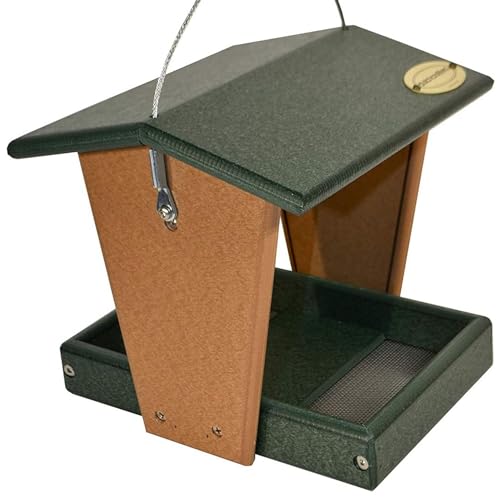
DutchCrafters Hanging Hopper Bird Feeder
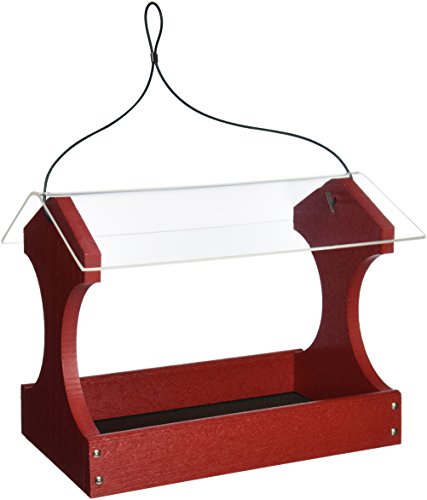
Woodlink 32305 Going Green Fly Thru Feeder
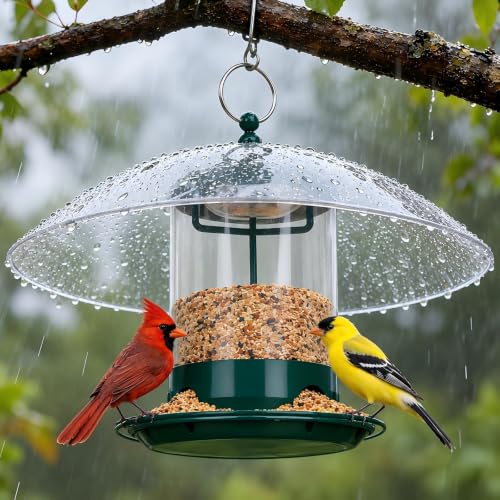
Gbekery Metal Bird Feeder with Weatherproof Dome
What Each Pick Brings To The Table
Backyard birders who hate fiddling with tubes will appreciate the straightforward tray design. The 9-inch platform is sized for finches, chickadees, and sparrows rather than larger jays or doves, which means less aggressive competition at the seed.
Unlike the enclosed hoppers you’ll see later in this list, the open format means seed goes in and comes out fast, with no small parts to misplace during cleaning. For most casual birders, that trade-off is exactly the point.
Reasons It Performs
- Compact 9-inch footprint suits balconies, narrow tree branches, and small garden corners
- Open tray means seed level is always visible, so refills happen before birds go hungry
- Wipe-down cleaning takes a minute, since there’s no tube assembly to dismantle
- Green finish blends with foliage better than bright red alternatives in a leafy yard
Worth Noting
- Open trays expose seed to rain, so covered placement under an eave or dense branch is wise
- Larger birds may still land and dominate the feeding space
Who Should Grab It
First-time feeders and casual watchers who want low-maintenance seed service for common small songbirds.
Look Elsewhere When
You live in a heavy-rain climate, where the Gbekery Metal Bird Feeder with 12-inch Weatherproof Dome keeps seed noticeably drier.
If your small bird feeder list has been all seed and no nectar, this LUJII piece brings hummingbirds into the conversation. The teal hand-blown glass base carries 25 ounces of nectar, which sits in a comfortable middle ground: enough to avoid daily refills, small enough to keep sugar water from sitting too long.
Compared to the simple VIHSIPR tray, this feeder is a category shift toward specialty feeding. The included S-hook and ant moat give you a complete hanging setup out of the box.
Noteworthy Benefits
- Five feeding ports let multiple hummingbirds dine at once, which reduces squabbling
- Metal base resists rust, an important detail when nectar drips are routine
- Ant moat helps keep the swarm from claiming the nectar before the birds arrive
- Decorative teal glass doubles as garden ornament when birds aren’t around
Trade Offs
- Glass construction needs careful handling during cleaning and winter storage
- Nectar must be swapped every few days in summer heat to prevent fermentation
Right Fit For
Gardeners in warm climates who want hummingbirds as the main attraction rather than songbirds.
A Better Fit Elsewhere
Shoppers drawn to artistic glass feeders should compare with the LUJII Ice Cream Spiral Hummingbird Feeder, which offers a more sculptural look at a similar capacity.
Garden design matters when the feeder hangs in plain sight from a kitchen window. The Sunnydaze mosaic brings iridescent purple glass into play, turning the feeder into a suncatcher between visits from actual birds.
At 6.5 inches wide with a 2.75-inch fly-through opening, this is purpose-built for the smallest visitors. Cardinals and jays simply won’t fit, which keeps the feeding crowd focused on finches, titmice, and wrens.
Advantages To Know
- Iridescent finish catches morning and afternoon light beautifully
- Tight opening naturally excludes bully birds without separate hardware
- Approximately 1 cup seed capacity means a light, nimble hang weight
- 12-inch hanging wire included, ready for immediate install
Points To Note
- Mosaic glass requires gentle handling during cleaning and winter bring-in
- Limited capacity means more frequent refills during heavy feeding weeks
- Glass can chip at the rim if struck by a ladder or pruning tool
Feature Snapshot
Who It Suits Best
Apartment or cottage gardeners who treat the feeder as a piece of outdoor decor as much as a feeding station.
Consider Something Else When
You want a more utilitarian workhorse, in which case the Gbekery Metal Bird Feeder with 360° Tray handles heavy seed volume with less fuss.
Skip past the seed and tray crowd: this LUJII feeder leans fully into hummingbird territory with sculpted hand-blown glass that resembles an ice cream cone. The phoenix tail pattern wraps the spirals in bright teal accents, so the piece reads as garden art long before the first hummingbird visits.
At 28 fluid ounces, this sits above the LUJII Hummingbird Feeder covered earlier. That extra capacity matters for busy summer feeding seasons when a smaller jar would empty daily.
Standout Benefits
- Sculptural spiral shape acts as a focal ornament in flower beds and patio corners
- 28 oz nectar capacity stretches refill intervals during peak migration
- Leak-resistant construction helps prevent sticky messes on patio stones
- Rustproof base holds up under repeated nectar exposure and outdoor humidity
Honest Caveats
- More elaborate cleaning routine than a simple tube feeder due to the curved glass
- Premium glass demands secure hanging, so a sturdy branch or hook is essential
Best Suited To
Hummingbird devotees with a curated garden who treat the feeder as both function and sculpture.
Skip It When
You mostly attract seed-eating songbirds, in which case the VIHSIPR Hanging Platform Bird Feeder is a better category match.
Forget squinting through binoculars from the kitchen window. The Kiwibit Smart Bird Feeder pairs a feeder with a 4K HDR camera, AI bird identification, and infrared night vision. The 132-degree ultra-wide lens captures more than a tight telephoto, which helps when small birds land briefly before darting off.
Solar power is the practical backbone here. Without it, a camera-equipped feeder would mean constant battery swaps or wiring, both of which kill the simple hang-and-watch appeal.
Strong Points
- AI bird ID turns casual observation into a logged species checklist over time
- Perch extender accommodates larger visitors without crowding small birds
- Night vision captures nocturnal visitors in black and white after dark
- HDR sensor helps with tricky lighting under tree canopies and at dawn
Points To Keep In Mind
- Price ceiling is significantly higher than any passive feeder in this lineup
- Solar panel performance depends on direct sunlight placement, which limits shaded yards
- Connectivity and app setup add a tech-learning step that pure mechanical feeders skip
Quick Facts
Perfect Match For
Tech-curious birdwatchers who want a logged, shareable record of every visitor, especially in remote or hard-to-observe locations.
Not Your Match When
You want a simple, no-app backyard experience, in which case the Woodlink 32305 Going Green Fly Thru Feeder gets out of the way and just feeds birds.
Yards with active squirrel populations usually chew through plastic feeders in a season. The Gbekery metal build targets that problem head-on with an anti-rust coated lid and tray, plus a thickened polycarbonate tube that resists gnawing.
The 360-degree feeding tray is the standout structural choice. Four feeding ports surround a circular perch so multiple birds can dine from different angles without crowding, which reduces the jostling you see at single-port feeders.
Useful Highlights
- Slider-lock cap helps deter squirrels from prying the lid open
- Two-pound seed capacity stretches refill intervals across a busy week
- Accepts sunflower, mixed grain, and other common backyard seed blends
- 360° tray means no awkward facing for the birds or the watcher
Factors To Consider
- Metal construction is heavier than plastic, so hanging hardware needs to be solid
- Anti-rust coating helps, but coastal and very humid climates may still show wear over years
Spec Overview
Whose Shelf It Belongs On
Squirrel-plagued homeowners who want a feeder that survives the daily battle for seed access.
Another Choice May Suit
You live in heavy rain zones, where the Gbekery Metal Bird Feeder with 12-inch Weatherproof Dome adds serious water protection.
Same bones as the green Gbekery covered earlier, but the brown finish changes the visual profile. In a yard with cedar mulch, oak trees, or natural wood fencing, brown disappears into the background where green pops.
For a landscape that aims for muted, woodsy tones, this is the same dependable 360-degree tray system in a more camouflage-friendly colorway.
Key Advantages
- Brown finish blends into woodland and rustic garden settings
- Four-port 360° tray handles simultaneous visitors without crowding
- Metal construction with anti-rust coating adds multi-season durability
- Slider-lock lid design helps keep determined squirrels at bay
A Few Limitations
- Dark brown may fade under intense direct sun over several seasons
- Same metal weight as the green sibling, so choose hanging hardware accordingly
Made For
Homeowners with rustic or natural-themed gardens who want the feeder to disappear into the landscape.
Reach For A Different Pick When
You want visible decorative color in the garden, where the Sunnydaze Mosaic Glass Bird Feeder delivers far more visual punch.
Hopper feeders earn their reputation by holding real volume and dispensing seed as birds eat. The DutchCrafters approach is a 9-inch cube in turf green and cedar tones, with a mesh feeding tray that lets seed flow downward from the hopper into a usable surface below.
At roughly 4 pounds empty, this is a heftier hang than the metal Gbekery models. That weight translates into stability in wind, which matters in open yards or roofline installations.
Notable Gains
- Holds a generous volume of seed, so refill trips shrink to weekly or less
- Accepts sunflower, safflower, nyjer, and mealworm for varied backyard diets
- Mesh tray offers good drainage so wet seed doesn’t spoil as quickly
- Vibrant color contrast helps birds spot the feeder from a distance
Practical Considerations
- Plastic body may show UV wear over several seasons in direct sun
- Larger size limits placement to sturdier branches or proper shepherd’s hooks
Built With In Mind
Busy households that prefer top-every-few-days refilling over daily top-ups, especially in mixed-species yards.
Where A Sibling Pick Shines
You want a smaller footprint, where the VIHSIPR Hanging Platform Bird Feeder hangs easily on thinner branches and railings.
For shoppers who care where their gear comes from, the Woodlink 32305 uses up to 90 percent post-consumer recycled plastic. Bright red coloring stands out against snow and bare branches in winter, which helps birds spot food when natural forage is scarce.
The fly-through design lets birds approach from either side. That open geometry keeps nervous species like goldfinches more comfortable than enclosed tubes, where they have to commit to a single entry point.
Benefits That Matter
- Recycled plastic construction appeals to environmentally conscious shoppers
- Fly-through design lowers intimidation for skittish small species
- Clear roof keeps seed dry without blocking the view
- Powder-coated metal screen bottom drains rainwater efficiently
Where It May Fall Short
- Approximately 1.5-pound capacity means more frequent refills than larger hoppers
- Bright red may clash with subtle garden color palettes
The Numbers That Matter
The Right Fit
Sustainability-minded birders who want functional feeding with a smaller material footprint.
Swap It Out When
You need higher capacity or heavy squirrel deterrence, where the Gbekery Metal Bird Feeder with 360° Tray takes over.
Wet climate feeders need real protection, not just a decorative cap. The 12-inch transparent dome on this Gbekery model shelters both seed and feeding birds from rain and snow, while drainage holes in the tray prevent standing water from ruining the seed below.
It’s the same anti-rust metal base and 360° tray as the earlier Gbekery pieces, with one key upgrade on top: a real weather shield rather than just an overhang.
Real-World Strengths
- 12-inch dome blocks direct rain, keeping seed dry through heavy storms
- Drainage holes prevent pooling, so wet, moldy seed is far less common
- Transparent dome preserves the view of birds perched beneath it
- Sturdy hanging hook supports the heavier dome-equipped build
Less-Strong Areas
- Larger dome catches more wind, so sheltered placement or a sturdy hook is essential
- Metal and dome combination weighs more than simpler plastic feeders
Feature Rundown
Who Will Love This
Birders in the Pacific Northwest, the UK, and other rainy regions where unprotected feeders stay soggy for days on end.
Not Your Match When
You live in a dry, sunny climate, where a simpler design like the VIHSIPR Hanging Platform Bird Feeder handles the basics without the dome’s extra wind load.
Matching Feeders To Your Yard And Your Visitors
Picking a small bird feeder starts with the species you actually see, not the ones in the marketing photos. Finches and chickadees thrive with tight openings around 2 to 3 inches; cardinals, jays, and doves need wider perches and won’t be deterred by small fly-through designs.
Seed type shapes feeder choice more than most shoppers expect. Sunflower and safflower work in nearly any hopper or tube, while nyjer (thistle) requires tiny ports that finches can access but larger birds cannot. Mixed grain suits open trays and 360° systems, where the variety invites birds to forage rather than just gulp.
Climate and placement matter as much as the feeder itself. Open trays belong under eaves or dense branches to stay dry. Rainy regions benefit from domed or roofed designs. Heavy wind areas need heavier feeders and solid mounting, since lightweight plastic feeders swing and spill.
Capacity relates to your refill schedule, not just bird volume. A 2-pound hopper may suit a casual weekend routine, while a 1-cup mosaic feeder asks for daily attention during peak feeding weeks. Match the volume to how often you actually want to climb a ladder.
Finally, mounting surface dictates weight. Thin branches can’t safely host a 4-pound hopper, but a shepherd’s hook or a sturdy tree limb handles any feeder in this lineup. Always check the hanging hardware before the first refill.
Things Worth Knowing Before You Commit
Pitfalls Shoppers Hit
The most common mistake is choosing a feeder with the wrong opening size for the dominant bird in the yard. Widescreen feeders attract starlings and grackles, which can crowd out smaller native songbirds within a week. Matching opening size to the desired species keeps the visitor list focused.
Another miss is ignoring drainage and roof coverage. Seed soaked through one storm quickly molds, which drives birds away and risks spreading disease at the feeding station. A clear roof or proper shelter solves this for under ten dollars in most cases.
Where The Extra Money Goes
Premium-tier feeders earn their cost through weatherproofing and AI camera systems rather than extra seed capacity. A camera-equipped model like the Kiwibit turns birdwatching into a logged, shareable hobby, while a domed Gbekery keeps seed dry through seasons that ruin simpler designs. For shoppers who live in harsh weather or want the data layer of smart birding, the upgrade pays off in usability, not just appearance.
Frequently Asked Questions
How Often Should A Small Bird Feeder Be Cleaned?
Most feeders benefit from a quick rinse every one to two weeks, with a deeper clean using a diluted bleach solution monthly. Seed spoils faster in humid weather, so adjust the schedule based on how quickly seed clumps or smells off.
What Seed Works Best In Small Bird Feeders?
Sunflower hearts, nyjer for finches, and safflower for cardinals are reliable staples. Mixed grain suits open trays and 360° systems, while nyjer requires small-port feeders designed for finch feeding.
Can Hummingbird Feeders And Seed Feeders Hang Near Each Other?
Yes, but space them at least a few feet apart to keep seed debris out of nectar. Birds sometimes switch between food types, so nearby feeders can serve the same visiting population efficiently.
Do Small Bird Feeders Help In Winter?
Absolutely. Open water and reliable seed are scarce in cold months, so a sheltered feeder with a clear roof can make a real difference for local survival, especially for ground-feeding birds like juncos and sparrows.
Are Glass Feeders Safe In Storms Or Strong Wind?
Glass feeders need sturdy mounting and sheltered placement, since a fall from height can crack the body or chip the rim. Branches under an eave or a solid hook typically work, while exposed or high-traffic spots increase breakage risk.
Wrap Up
Choosing a small bird feeder comes down to matching species, climate, and routine. A simple tray works for casual watchers, while hopper, dome, and smart camera designs solve specific problems. Pick what fits your yard, your birds, and how often you want to climb a ladder.
