

Whether you tend a compact raised bed, a window box of herbs, or a backyard vegetable patch that has outgrown hand-shoveling, the right small cultivator turns gritty soil work into a few quiet minutes. Most home gardens don’t need a roaring rototiller. They need a tool that slips between seedlings, scrubs out young weeds, and brings air back into packed earth without uprooting what you’ve already planted.
The picks below span hand tools, modular handle systems, and one niche replacement part for powered cultivators. A few are heirloom-quality pieces built to outlast their owners. Others are budget-friendly utility picks for casual gardeners. Each one earns its place on a different shelf, and the right match depends on the scale of your beds and how often you reach for the tool. Here’s the shortlist.
The Main Contenders

Garden Guru Hand Rake Soil Tiller Tool with Ergonomic Handle

Fiskars 3-Piece Garden Hand Tools Set
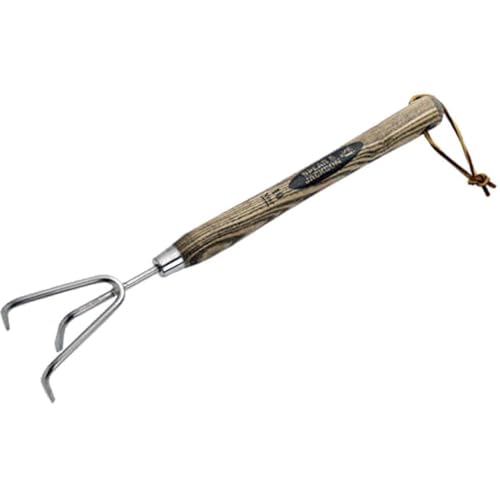
Spear & Jackson 5210PC Traditional 3 Prong Cultivator

Host Defense The Mushroom Cultivator Growing Guide
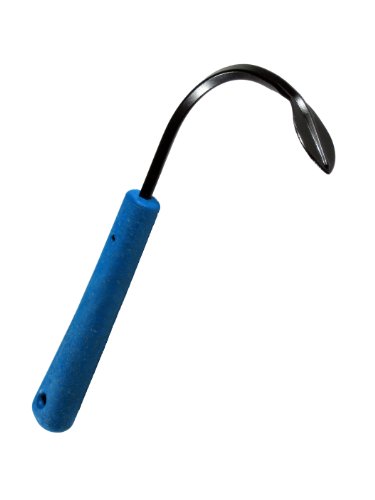
CobraHead Original Weeder & Cultivator

Garden Weasel Double-Sided Garden Cultivator/Tiller

E43 Carburetor for Earthquake 43CC Tiller
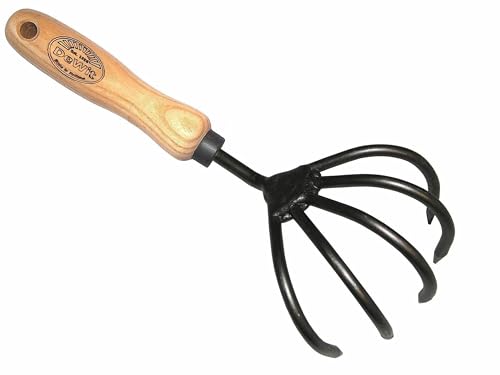
DeWit 5-Tine Hand Cultivator with Ash Handle

Gardena combisystem Draw Hoe (12 cm)
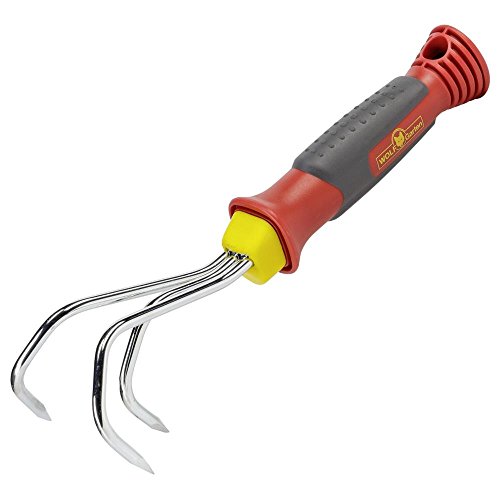
Wolf-Garten KA2K Grubber Fixed Hand Tool
More Details On Our Top Picks
The Garden Guru hand rake lands first because it answers the most common backyard need: a tine-style tool that won’t fight you when working between established plants. Its five carbon steel tines push through light mulch and loosened topsoil with the kind of bite you’d expect from a thicker tool, while the shorter overall length keeps the work close to your knees.
Compared to the multi-piece Fiskars set later in this list, this is a single-purpose cultivator built with one job in mind. You trade versatility for a focused tool, and for gardeners who already own a trowel and transplanter, that trade usually feels fair.
Notable Gains
- Carbon steel tines resist bending under normal use in flower beds
- Five-tine layout covers a meaningful strip of soil per pass
- Ergonomic handle keeps wrist strain low during longer sessions
- Compact enough to slip between perennials without snapping stems
- Hand-tool size stores easily in a small shed or garage hook
Honest Caveats
- Handheld length means you’ll spend time kneeling or sitting for ground-level work
- Carbon steel benefits from a quick wipe-down after wet-soil sessions to slow any surface wear
Who Will Love This
Home gardeners with established flower beds who want a focused tilling tool without committing to a full kit.
Look Elsewhere When
Skip the Garden Guru rake if you’d rather start with a complete hand-tool kit, in which case the Fiskars 3-Piece Garden Hand Tools Set covers trowel, transplanter, and cultivator in one go.
Fiskars bundles the three tools that almost every new gardener reaches for: a trowel for digging, a transplanter for moving seedlings, and a cultivator for loosening soil. The polished aluminum heads keep weight down without feeling flimsy, and the SoftGrip handles are sized for average adult hands without forcing awkward wrist angles.
Where the Garden Guru rake focuses on a single task, this set is the foundation of a starter kit. You may find the included cultivator narrower than what you’d want for breaking sod, but for routine weeding and soil loosening around vegetables, it’s a sensible size.
The Case For It
- Three tools in one purchase, useful for someone building a kit from scratch
- Aluminum heads resist corrosion in damp spring soil
- SoftGrip handles reduce hand fatigue for newer gardeners still building calluses
- Hanging holes at the base of each handle make shed storage tidy
Things To Consider
- The cultivator here works best in already-loose soil; it will struggle in compacted ground
- Polished aluminum can bend under heavy leverage, so avoid prying rocks
- Set feels redundant if you already own a quality trowel and transplanter
Made For
First-time gardeners outfitting a shed with the basic three-tool kit.
Swap It Out When
Pass on this set if you mostly need a tilling tool for tough ground, where the Garden Weasel Double-Sided Garden Cultivator/Tiller has a stronger bite.
The Spear & Jackson cultivator trades the short-handle ergonomics of picks one and two for a 12-inch hardwood shaft that keeps you off your knees. Three stainless prongs rake through surface soil, breaking small clumps and pulling weeds from beds without compressing the ground underfoot.
It is the most traditional-feeling tool on this list, and that’s the point. If you garden larger borders and want a tool that looks and acts like a long-handled implement, this is the option that fits the bill.
Positive Points
- 12-inch handle keeps you upright while working established beds
- Stainless steel head weathers seasons of spring and summer moisture
- Three-prong layout is forgiving in soil that hasn’t been recently turned
- Hardwood handle feels balanced in the hand during extended sessions
A Few Limitations
- Longer reach makes precision work around seedlings trickier than with a short hand tool
- Wood handle benefits from occasional oiling to prevent drying and splitting over time
Best Suited To
Gardeners with wider borders who prefer standing while cultivating.
Reach For A Different Pick When
Skip the Spear & Jackson tool if your work happens mostly in narrow raised beds, where the DeWit 5-Tine Hand Cultivator offers more controlled, compact action.
This entry shifts the conversation. Instead of a hand tool, it’s the Stamets and Chilton text that helped define home mushroom cultivation as a hobbyist pursuit. Think of it as the cultivator for your bookshelf rather than your shed: it teaches the science behind spores, substrates, and the small ecosystem decisions that determine whether a flush pins successfully.
If you’re here because the word “cultivator” pulled you toward mushroom growing, this is the classic starting reference. It complements, rather than competes with, the physical tools above.
Well-Handled Touches
- Covers mushroom cultivation from spawn to harvest with practical detail
- Useful as a long-term reference for troubleshooting contamination issues
- Approachable for hobbyists willing to learn terminology as they read
Points To Keep In Mind
- Reference scope is mushroom-specific, so it does not cover soil cultivation at all
- Reading-heavy; gardeners looking for a tool to use today should pair it with a hand cultivator
Right Fit For
Hobbyists stepping into mushroom growing who want a foundational text alongside their equipment.
Where A Sibling Pick Shines
Choose a physical tool like the CobraHead Original Weeder & Cultivator if your “cultivator” search is aimed at soil work rather than mycology.
The CobraHead is the pick that bends category lines. Its tempered steel blade curves into a single hooked “tooth” that plows through soil, severs weed roots, and pulls debris out of planting holes. The recycled plastic handle is comfortable in either hand and forgiving during long sessions.
Unlike the multi-tine cultivators earlier in this list, the CobraHead concentrates force into one aggressive tip. Where the Fiskars cultivator loosens, this one digs.
Features That Help
- Curved blade reaches under established weeds to lift taproots cleanly
- Single-point design works in tight spaces where multi-tine tools can’t fit
- Ambidextrous handle suits both right and left-handed gardeners
- Tempered steel construction holds an edge through seasons of soil contact
Trade-Offs To Consider
- Single-blade design covers less ground per pass than wider cultivators
- Aggressive tip can nick shallow plant roots if you work too quickly
Perfect Match For
Gardeners who split time between cultivating soil and pulling stubborn weeds.
Not Your Match When
Reach for the DeWit 5-Tine Hand Cultivator instead when you need to aerate a wide raised bed in a few passes.
The Garden Weasel earns its place as the rough-and-ready option. Its three-prong, double-sided design is built to be twisted back and forth, so the prongs bite compacted ground and break up clods that would slow a lighter tool. For new beds being prepped for the first time, the difference between this and a soft-soil cultivator is immediately obvious.
Where the CobraHead focuses on surgical weeding, this tool is the brute-force cultivator of the lineup. You trade finesse for raw soil-moving power.
The Upside
- Three-prong design grips and breaks up compacted soil with each twist
- Double-sided head doubles the working surface over single-sided tools
- Useful across raking, aerating, cultivating, and tilling tasks in one body
- Heavy duty construction suits larger vegetable plots during spring prep
Points To Note
- Aggressive action can disrupt shallow-rooted perennials if used carelessly
- Heavier than typical hand cultivators, which adds fatigue over longer sessions
- Less precise than single-point tools when working among seedlings
Who It Suits Best
Gardeners breaking ground on new beds or reclaiming overgrown sections.
A Better Fit Elsewhere
Choose the CobraHead Original Weeder & Cultivator if your goal is precise weeding in tight spaces rather than aggressive soil turning.
This entry is the outlier on the list, and it earns its place only because it shows up when people search for small cultivators. The E43 carburetor is a replacement part, not a tool you push through soil. It fits Earthquake MC43 and related 43CC two-cycle cultivators and tillers, which makes it relevant to anyone already running a small powered unit.
If you don’t own a compatible Earthquake machine, scroll past this one. It’s here for the repair shopper, not the bed-prep gardener.
Everyday Perks
- Direct fitment for Earthquake MC43, WE43, and E43 model families
- Saves the cost of replacing an entire tiller when the carburetor is the failure point
- Two-cycle compatibility matches the existing fuel mix you already use
Some Limits To Know
- Highly specific fitment means it has no value outside supported Earthquake models
- Replacement carburetors typically require basic mechanical confidence to install
Built With In Mind
Owners of Earthquake MC43 and related 43CC tillers needing a repair part.
Skip It When
Look at the CobraHead Original Weeder & Cultivator or the DeWit 5-Tine Hand Cultivator if you’re shopping for a working hand tool instead of a carburetor.
The DeWit 5-Tine Hand Cultivator is the heirloom piece of the roundup. Its tempered boron steel head pairs with an ash hardwood handle to form a tool built for decades rather than seasons. At 11 inches overall, it sits in the same hand-tool category as the Garden Guru rake but feels more substantial in the palm.
This is the pick to invest in if you’re tired of replacing tools every few years and want a cultivator that can stay in a family gardening kit long-term.
Bright Spots
- Tempered boron steel head resists wear and holds shape across years of use
- Five-tine claw configuration works well in confined beds and containers
- Ash hardwood handle provides a firm, balanced grip for sustained work
- 11-inch overall length keeps the action controlled near the soil
Worth Bearing In Mind
- Premium construction typically costs more than mass-market alternatives
- Hardwood handle benefits from periodic conditioning to prevent drying out
- Shorter reach compared to the Spear & Jackson long-handled cultivator
The Right Fit
Serious gardeners building a long-term tool kit who want durability over disposable convenience.
Where Another Pick Suits Better
Pick the Spear & Jackson 5210PC Traditional 3 Prong Cultivator if you prefer to stand while working and need the longer handle reach.
The Gardena draw hoe is a modular head rather than a complete tool. It attaches to any combisystem handle, which means gardeners who already own Gardena handles can swap between this hoe, a rake, and other heads without buying multiple shafts. The 12 cm working width is a practical middle size for typical garden rows.
Its draw-hoe action pulls soil toward you in a controlled stroke, making it as useful for breaking crusted surfaces as it is for slicing young weeds at the root line.
A Few Highlights
- Stainless steel blade resists rust across seasons of damp soil contact
- 12 cm width strikes a balance between coverage and precision
- combisystem compatibility lets you share handles across multiple tool heads
- Double-bow construction adds strength under heavier draw strokes
Practical Considerations
- Requires a separate Gardena handle, which adds to the total cost
- International stock may differ from local listings, so check seller details before ordering
Right Fit For
Gardeners already invested in the Gardena combisystem who want a draw hoe head.
Consider Something Else When
Pick a stand-alone tool like the Garden Guru Hand Rake Soil Tiller if you don’t already own a compatible handle system.
The Wolf-Garten KA2K Grubber closes the list as the smallest tool here. With a roughly 7 cm working head, it slips into spaces the wider cultivators can’t reach. Think window boxes, herb containers, and the narrow gaps between perennial clumps.
It’s a tool you reach for once you discover that your regular cultivator is just slightly too wide for a specific corner of the garden. For tight-space cultivator work, this is the pick that fits.
Standout Benefits
- Narrow working head reaches into containers and tight border gaps
- Lightweight construction reduces fatigue during detail work
- Compact size stores easily alongside hand pruners in a tool caddy
- Loosens and aerates soil without disturbing surrounding plantings
Factors To Consider
- Small head means more passes to cover a typical bed
- Less effective in compacted soil where wider, heavier tools perform better
Whose Shelf It Belongs On
Container gardeners and detail-oriented bed tenders who need precision over coverage.
A Better Fit Elsewhere
Choose the Wolf-Garten combisystem Draw Hoe or the Garden Weasel Cultivator when your priority is wider coverage rather than tight-space precision.
What Matters Most When Picking A Small Cultivator
Match The Tool To Your Bed Scale
Hand-held cultivators with short handles suit raised beds, container gardens, and detail work between established plants. Long-handled options like the Spear & Jackson tool work better in wider borders where you prefer to stay upright. Picking the wrong size turns a five-minute job into a sore-back afternoon.
For most home gardens under roughly 100 square feet, a 10 to 12-inch hand tool covers the ground faster than people expect. Larger plots or new beds may call for the heavier bite of a tool like the Garden Weasel Double-Sided Cultivator/Tiller.
Head Material And Corrosion Resistance
Stainless steel, carbon steel, and boron steel each behave differently in damp soil. Stainless resists rust with minimal care, carbon steel holds a sharper edge but benefits from wiping down after wet sessions, and boron steel (used in the DeWit 5-Tine Cultivator) is engineered for toughness over decades. Climate matters: coastal and humid regions punish untreated steel faster than drier inland gardens.
If your shed is unheated and tools sit through wet winters, stainless or boron steel saves you maintenance time. Carbon steel rewards gardeners who wipe tools down after each session.
Handle Comfort And Reach
Ergonomic grips matter most for gardeners with arthritic hands or anyone doing more than 15 minutes of continuous work. Recycled plastic handles (CobraHead) and ash hardwood (DeWit) both feel different in the hand. Try to gauge handle thickness if you have larger or smaller-than-average hands, since grip diameter affects wrist strain.
Long-handled cultivators keep you off your knees but reduce precision around small plants. Short-handled tools keep you close to the soil and let you feel what the tines are doing. The honest read is that most gardeners eventually want one of each.
Key Considerations Across These Picks
Pitfalls Shoppers Hit
A common misstep is buying a cultivator based on tine count alone, when the head width and weight matter just as much for how the tool feels in motion. Another trap is choosing a long-handled tool for tight raised beds and then discovering you can’t reach the corners without trampling plants.
Shoppers also underestimate maintenance. Carbon and boron steel both benefit from a quick clean and dry after wet-soil work. Skipping that step shortens the life of even the best-built tools.
What The Higher Tier Buys
Moving up to a premium cultivator like the DeWit 5-Tine Hand Cultivator typically buys better metallurgy and a longer-lasting handle. For gardeners who use these implements weekly, the upgrade pays back through years of service rather than seasons.
For casual gardeners who cultivate once a month, a mid-tier stainless option like the Spear & Jackson tool covers the same ground at lower cost. The honest read is that premium picks earn their keep through repeated use, not occasional outings.
Frequently Asked Questions
What’s the difference between a cultivator and a tiller?
A cultivator loosens and aerates surface soil around existing plants, while a tiller breaks and turns harder ground, usually for new beds. Most hand tools on this list are cultivators designed for working around things you’ve already planted.
Can small cultivators handle clay soil?
Hand cultivators work in clay only when the soil is moist but not waterlogged. For heavy clay, tools like the Garden Weasel Double-Sided Cultivator provide more bite, and amendments like compost make ongoing cultivation far easier.
How do I keep a hand cultivator from rusting?
Wipe the head dry after each use, store it in a shed rather than outdoors, and apply a thin coat of oil to carbon or boron steel periodically. Stainless steel resists rust naturally but still benefits from basic drying.
Should I choose a long handle or short handle?
Short handles offer precision in raised beds and containers, while long handles let you work without kneeling in larger borders. Many gardeners end up owning one of each to cover different tasks.
Are wooden handles worth the extra care?
Hardwood handles like ash provide a balanced feel and tend to outlast plastic grips when maintained with occasional oiling. They’re worth the small upkeep if you use the tool frequently.
The Takeaway
The right small cultivator quietly disappears into your routine, becoming the tool you reach for without thinking. Match the head size to your beds, the handle length to your body, and the steel to your climate. Your garden will tell you quickly which one feels right.
