

A small greenhouse kit quietly changes what you can grow, especially when your only space is a kitchen counter, a covered patio, or a narrow balcony. The right setup extends your season by weeks, protects tender seedlings from chilly nights, and turns a low-light corner of your home into a year-round propagation zone. The hard part is matching the kit to the space you actually have, because small greenhouses range from a 14-inch desktop case to a 71-inch walk-in frame.
This roundup narrows the field to ten small greenhouse kits built for different scenarios: indoor seed starting, multi-tier shelving, portable outdoor use, and stackable micro-gardens. Each pick below has a clear job to do, so you can match the form factor to your space and your planting goals without overspending or outgrowing it.
The Essentials At A Glance
Barrina CX60 Indoor Greenhouse 40W Grow Light 23″
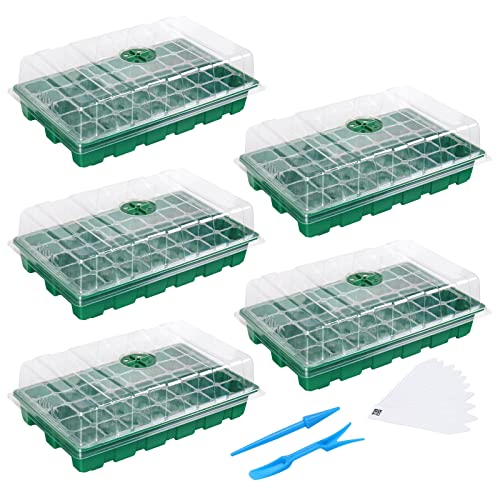
MIXC 5 Pack Seed Starter Tray 200-Cell
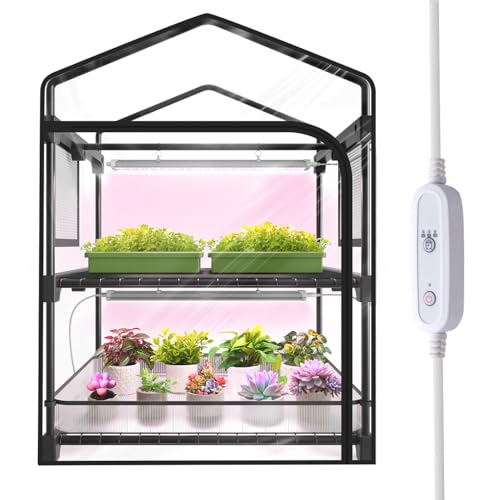
SpeePlant 2-Tier Indoor Greenhouse with Grow Light 27″

MIXC 10 Pack Seed Starter Tray 120-Cell
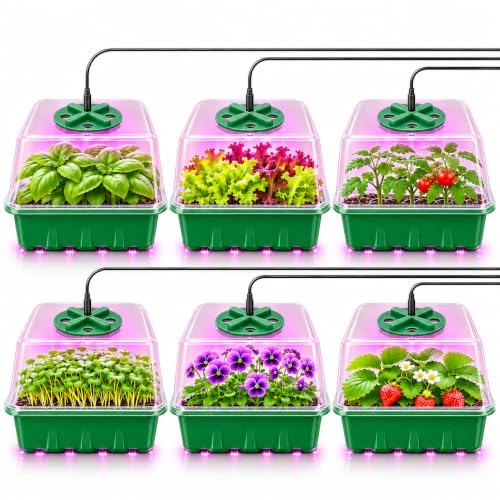
MIXC 6 Pack Seed Starter Kit with Grow Light

Yesker Mini Greenhouse 36″ PVC Cover

Wollibao Mini Greenhouse 14″ Stackable
Meonum Mini Greenhouse with Potting Mat 24″
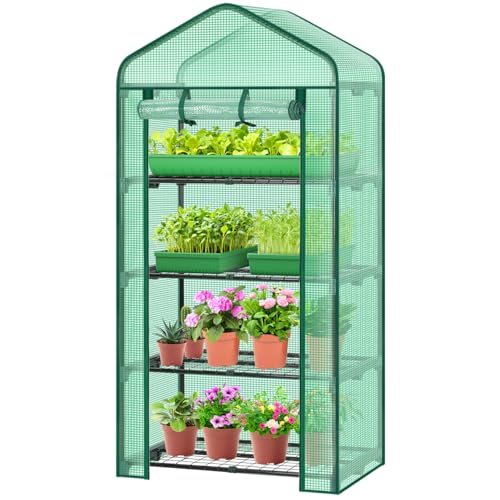
Ohuhu 4-Tier Mini Greenhouse 27″ Wide

Ohuhu Portable Walk-In Greenhouse 71″
A Deeper Look At The Lineup
The Barrina CX60 takes a different route from the seed-tray kits above. It is a true 23-inch cubic tent with a 40W full-spectrum grow light built in, designed to sit on a tabletop or a low shelf and behave like a self-contained growing chamber. For anyone starting vegetables or ornamentals indoors in late winter, that enclosed volume matters: humidity stays high, drafts from open windows are blocked, and the EVA cover diffuses the light evenly across every tray inside.
Compared with the MIXC trays reviewed next, the Barrina trades raw cell count for control. You are not buying 200 planting slots; you are buying a small room with a sun. For hobbyists who want a single, tidy place to germinate and grow on seedlings until transplant day, that trade usually pays off.
Key Advantages
- The EVA tent material holds warmth and moisture well, which is what gives the unit its seed-starting edge.
- The 40W full-spectrum light covers the full 23-inch footprint, so you don’t have to rotate trays to chase the sun.
- Cubic form factor means upper shelves and lower shelves receive similar light levels, unlike a single-side strip.
- Translucent walls let you monitor growth without unzipping and disturbing humidity.
- Works equally well on a counter, a side table, or inside a larger grow tent setup.
Points To Keep In Mind
- The cover is the part most likely to need gentle cleaning; condensation can leave mineral marks on EVA over time.
- You give up cell count, so this is not the kit to buy if you plan to start a hundred tomato seeds at once.
Who It Suits Best
Urban gardeners and apartment dwellers who want a clean, all-in-one indoor propagation chamber without rigging separate lights and domes.
Look Elsewhere When
You need bulk seedling capacity for a large vegetable plot, in which case the MIXC 5 Pack Seed Starter Tray reviewed below fits the workflow better.
The MIXC 5 Pack is a different animal than the Barrina. It is a flat propagation system: five trays, 200 cells total, each cell measuring roughly 1.5 by 1.5 inches, with adjustable humidity domes on top. Think of it as the workhorse option for gardeners who want to start a lot of seeds at once and already have a light source figured out.
Where the Barrina gives you a sealed, lit chamber, the MIXC gives you volume. The clear plastic makes it easy to spot root development without lifting seedlings, and the adjustable vents on the domes let you crack humidity as the seedlings harden off. For someone starting a vegetable garden from scratch, 200 cells covers a full spring of tomatoes, peppers, and herbs.
Reasons It Performs
- 200 individual cells mean you can start a meaningful number of plants without splitting seed packets across multiple trays.
- Adjustable dome vents let you dial humidity down as seedlings mature, which is a real advantage over sealed domes.
- Transparent plastic walls make root health visible at a glance.
- Cells are large enough to grow seedlings past the cotyledon stage before transplanting.
Trade-Offs To Consider
- No built-in light, so you need a sunny window, a separate grow light, or a setup like the SpeePlant reviewed next.
- The plastic trays are rigid and can be awkward to clean between seasons if roots cling to cell walls.
- The 1.5-inch cells run small for varieties that need long taproots before transplanting.
Made For
First-time and budget-conscious gardeners who need a high-volume seed-starting kit and already have light covered.
Consider Something Else When
You want lighting included in one box, in which case the MIXC 6 Pack Seed Starter Kit with Grow Light offers a closer all-in-one solution.
The SpeePlant 2-Tier steps up from the seed-tray world into a small furniture-style greenhouse. At 27 inches long, 19 inches wide, and 35 inches tall, it behaves more like a plant stand with a humidity cover than a propagation tray, and that shift changes who it serves. Where the MIXC trays disappear once seedlings move outdoors, this one stays useful year-round as a display shelf for tropicals and herbs.
It comes with two T5-style 1.6-foot LED strips rated at 20W each, pushing a full-spectrum 400-780nm output through the included reflectors. That is enough light to keep the lower tier productive, which is a common weak point in stacked kits. The metal frame and mesh shelves are rated for 22 pounds per tier, so the unit can hold real pots, not just plug trays.
A Few Strong Suits
- Two independent lights mean upper and lower tiers can be tuned to different crops.
- 22-pound-per-tier load rating supports mature potted plants, not only seedlings.
- The mesh shelves drain spills cleanly, which is a quiet but real practical benefit during watering.
- The footprint stays narrow enough for a corner, hallway, or apartment wall.
Honest Caveats
- Assembly is the most common friction point, since the frame and cover must align before the lights are clipped in.
- The plastic cover can fog heavily without ventilation, so leaving a small vent gap is wise for long-term setups.
Right Fit For
Propagation plus display gardeners who want one unit that handles both seedling season and a permanent herb or tropical plant corner.
A Better Fit Elsewhere
You only need flat trays for spring sowing, in which case the MIXC 10 Pack Seed Starter Tray is a simpler, cheaper route.
The MIXC 10 Pack sits in a useful middle ground. You get ten trays, 120 cells in total, and a humidity dome per tray, which is enough capacity to start a full herb and flower garden without the cost of the 200-cell option. The lower cell count per tray is actually a quiet feature: each tray is lighter, easier to handle, and easier to move under a single grow light.
The drainage holes at the bottom of each cell pair with the adjustable dome vents, so you can control both water and air from day one. For a beginner, that combination of “less to manage per tray” and “more trays to learn from” is genuinely helpful.
Notable Gains
- Ten smaller trays are easier to rotate under a single light than one or two giant trays.
- Drainage holes reduce the risk of root rot, which is the most common early failure for new seed starters.
- Adjustable dome vents give real control during the germination and hardening-off phases.
- Modular design means a single cracked tray doesn’t sink the whole setup.
Worth Noting
- No light is included, so a windowsill or a separate grow lamp is required.
- The plastic is thinner than premium trays, so repeated use season after season may show stress at the corners.
Best Suited To
First-time seed starters who want forgiving, modular trays and enough capacity to learn what works without a heavy upfront cost.
Swap It Out When
You want light, dome, and base pre-paired, in which case the MIXC 6 Pack Seed Starter Kit with Grow Light handles that integration for you.
The MIXC 6 Pack is the closest thing in this lineup to a “just add seeds” kit. The trays come with adjustable elevated humidity domes, a side-grip base for easy lifting, and a grow light integrated into the cover. Compared with the MIXC 10 Pack, you trade four trays for built-in lighting and taller domes that give seedlings more headroom before transplanting.
The taller dome is a small but meaningful upgrade. Seedlings like tomatoes and peppers stretch fast, and a low dome forces you to transplant or vent earlier than you might want. The elevated dome on this kit buys you an extra week or two of growth inside the propagator, which fits the way most home gardeners actually time their seed starting.
Advantages To Know
- Elevated dome gives seedlings more vertical room, reducing the need to bump up early.
- Side-grip base makes it easy to carry a full tray to a workbench without spilling.
- Integrated grow light removes the need to shop for a separate lighting setup.
- Vented dome allows staged humidity reduction as seedlings mature.
Small Caveats
- Six trays means lower total cell count than the MIXC 10 Pack, so plan seed quantities accordingly.
- The integrated light uses a specific connector, so replacing it later means matching the same form factor.
Who Should Grab It
Gardeners who want one box with light, dome, and tray pre-paired, and who value transplant timing flexibility over maximum cell count.
Another Choice May Suit
You need a true enclosed chamber with a strong overhead light, in which case the Barrina CX60 behaves more like a complete growth environment.
The Yesker shifts the conversation indoors to outside. At 36 by 18 by 33 inches with a transparent PVC cover, it is a tiered mini greenhouse designed for patios, balconies, and small backyards. The two semi-circular zippered doors on top are the standout feature: they let you reach plants, water, and ventilate without unzipping the entire front panel.
Compared with the indoor kits above, the Yesker is the first pick built to handle real weather swings. It can shelter seedlings through a chilly spring night, then open up during a warm afternoon to prevent overheating. The trade-off is the form factor: this is a stationary unit meant to live on a flat outdoor surface.
Where It Excels
- Two top doors give independent access points, which makes watering and inspection far easier than front-only designs.
- PVC cover is transparent enough to monitor growth and gauge light levels at a glance.
- The frame is portable enough to relocate seasonally if the sun path changes.
- Works for both seedling starts and overwintering small potted plants.
Areas To Watch
- PVC covers are commonly reported to yellow slightly after a full season of strong sun, so plan to replace the cover every couple of years.
- Wind exposure matters: stake or weight the frame in open patios to keep it from shifting.
The Right Fit
Apartment and condo gardeners with a covered patio or balcony who need a step up from indoor trays but do not have space for a walk-in greenhouse.
Where Another Pick Shines
You want a real walk-in tunnel for a backyard, in which case the Ohuhu Portable Walk-In Greenhouse at 71 inches tall offers that headroom.
The Wollibao is the smallest unit in this roundup and the only one that is genuinely stackable. At roughly 14 by 8.5 by 10.5 inches per case, it behaves more like a desktop display case than a propagation chamber, and that is exactly its job. The stackable design means you can run two or three vertically on a bookshelf, or line several horizontally along a windowsill, depending on the light available.
For someone growing a small herb collection, propagating succulents, or hardening off cuttings one at a time, this scale makes sense. It is also the most forgiving option for renters, since the whole unit is light, portable, and easy to move from window to window as the seasons change.
Useful Highlights
- Stackable design adapts to vertical or horizontal layouts without extra hardware.
- Compact footprint fits on a desk, kitchen counter, or narrow windowsill.
- Light enough to relocate as the sun shifts through the year.
- Useful for cuttings and small pots, not only seed starting.
Less Ideal Details
- No built-in light, so it relies entirely on window light or a separate grow lamp.
- Capacity per case is small, so the kit is best treated as a specialty tool rather than a primary seedling source.
Perfect Match For
Desktop gardeners and renters who want a low-profile indoor greenhouse for herbs, succulents, and small propagation projects.
Reach For A Different Pick When
You want to start dozens of vegetable seedlings at once, in which case the MIXC 5 Pack Seed Starter Tray covers real volume.
The Meonum takes a small but clever approach. At roughly 23.6 by 15.75 by 19.7 inches, the frame is similar in footprint to other indoor mini greenhouses, but it ships with a built-in potting mat that turns the work area beneath the cover into a tidy transplanting station. For anyone who has spilled potting mix across a kitchen table, that mat earns its keep the first weekend.
The plastic frame is built for indoor use and light duty, so this is not the kit to leave outside. Inside, though, it pulls double duty: a propagation cover during seed-starting season and a portable workstation for repotting houseplants any time of year.
What Pays Off
- Built-in potting mat protects the surface beneath, which is a real benefit in apartments and rentals.
- Compact footprint fits in most living spaces without dominating a room.
- The plastic frame wipes clean easily after a session of messy transplanting.
- Frame and mat are portable enough to set up at a table and store away when not in use.
Practical Considerations
- Plastic frame is built for indoor use, so outdoor exposure will shorten its life.
- No grow light is included, so plan for window placement or a separate lighting source.
Whose Shelf It Belongs On
Houseplant hobbyists who propagate and repot frequently and want a clean, contained work zone in a small living space.
Where A Sibling Pick Shines
You need serious vertical propagation, in which case the Ohuhu 4-Tier Mini Greenhouse handles larger seedling batches in a much taller frame.
The Ohuhu 4-Tier is the tallest pick in this roundup. At 27 by 19 by 62 inches, it stretches higher than a standard doorway, which is the whole point: vertical real estate matters when you have a small footprint but a long spring seed list. The four tiers sit behind a PE (polyethylene) cover, which is the material most growers expect to see on entry-level portable greenhouses.
Compared with the SpeePlant reviewed earlier, this Ohuhu trades integrated lighting for outdoor-rated height. You give up the built-in T5 strips, but you gain the option to set this on a patio, a deck, or a basement corner, and to walk it through an entire seedling season without re-rigging anything.
Positive Points
- Four tiers multiply your seedling capacity without expanding the floor footprint.
- 62-inch height gives upper shelves genuine usable headroom for mature transplants.
- PE cover handles temperature swings and humidity build-up common in spring and fall.
- Roll-up zippered door provides easy access for watering and inspection.
Some Limits To Know
- Tall frames are commonly reported to feel tippy before they are weighted or staked, so anchoring the base is wise.
- No lighting included, so indoor use requires supplemental grow lights per tier.
Who Will Love This
Gardeners who want a dedicated vertical seedling rack for high-volume spring starts and have the ceiling clearance to host it.
Skip It When
You only need a desktop herb garden, in which case the Wollibao Mini Greenhouse is a much better scale match.
The Ohuhu Portable Walk-In is the largest small greenhouse kit in this roundup, and the one that pushes hardest into real backyard territory. At 71 by 36 by 36 inches, you can step inside, stand up, and work on tiered shelves without crouching. The dual large zippered doors at the front and back are the practical difference: they turn this from a tent into a workable growing room.
Ground stakes are included to anchor the frame into soil, and the plastic cover is built to resist UV and water exposure. Compared with the 4-tier Ohuhu reviewed just above, this one is less about shelves and more about floor space. If you need a place to overwinter a few patio pots or to grow a real spring salad garden without building a permanent structure, this is the form factor to consider.
Where It Delivers
- Walk-in height lets you tend plants from inside, not just through a door.
- Dual zipper doors create cross-ventilation, which prevents the heat buildup that plagues single-door greenhouses.
- Ground stakes keep the frame stable on soft soil, a common weak point in portable kits.
- UV-protected cover extends the usable life of the plastic through a full growing season.
Things To Weigh Up
- Cover durability is the long-term concern: portable greenhouses commonly need a replacement cover every couple of seasons under heavy sun.
- Assembly is more involved than the smaller kits and is best done with two people.
Built With In Mind
Home growers with a backyard, side yard, or large patio who want a real seasonal greenhouse without committing to a permanent build.
Not Your Match When
You live in an apartment with a small balcony, in which case the Yesker Mini Greenhouse is sized for that reality.
Matching The Kit To Your Growing Style
Choosing small greenhouse kits comes down to honest answers about where you garden and what you grow. Start with the location: a sunny kitchen windowsill, a heated basement corner, a covered balcony, and an open backyard each demand a different form factor. An indoor propagation chamber like the Barrina CX60 makes no sense outdoors, while a PE-covered walk-in like the Ohuhu Portable Walk-In is overkill for a desk.
Next, match the kit to the crop. Seed-starting trays with humidity domes (the MIXC line) are designed for hundreds of small cells and short cycles before transplant. Tiered indoor greenhouses with grow lights (the SpeePlant) handle both seedlings and ongoing plant care. Outdoor tiered and walk-in units (the Yesker and both Ohuhu models) extend the season for transplants and shelter patio plants through shoulder weather. A useful sanity check: if your goal is a six-week jump on tomato seedlings, you want a tray kit with a dome and a separate light. If your goal is overwintering a Meyer lemon on a balcony, you want an outdoor cover with roll-up doors.
Build material matters more than people expect. EVA (ethylene-vinyl acetate) covers, like the one on the Barrina, hold humidity and warmth well but yellow faster than PE. PE (polyethylene) covers on tiered and walk-in kits resist UV better and tolerate weather, but they transmit a bit less light per millimeter. PVC covers, like the one on the Yesker, are clear and easy to monitor but commonly reported to cloud after a season of direct sun. Pick the material that matches your exposure.
Finally, think about lighting. A full-spectrum LED strip is a 20W to 40W addition that turns a passive cover into an active growing chamber. If your kit includes a light, you save a separate purchase and a wiring step. If it doesn’t, plan for a T5 or equivalent strip and a way to raise and lower it as seedlings grow. That single accessory often decides whether a kit feels like a tool you reach for or a box that sits in a closet.
What To Watch For Before You Commit
Pitfalls Shoppers Hit
The most common mistake in this category is buying a tray kit when you actually needed a covered chamber, or vice versa. Seed trays with domes are built for short germination cycles, not year-round houseplant care, and tiered covers without domes are not tight enough to start seeds in a dry indoor environment. Match the kit to the season you actually want to extend.
Another trap is underestimating light. Many small greenhouse kits are sold as “indoor” units with no built-in lighting, which works only if you have a south-facing window with reliable sun. For most apartments, that means a supplemental grow light is part of the real cost. Factoring that in before checkout prevents the disappointment of a kit that looks right but grows slowly.
What The Higher Tier Buys
The jump from a basic propagation tray to a fully enclosed chamber or a multi-tier lighted stand is not just about size. You are paying for integrated lighting, sturdier frames, and tighter humidity control, which together shorten the time between sowing and transplant. For someone who starts dozens of trays every spring, that faster turnaround recycles the unit across multiple cycles in a single year, which is where the higher price point earns its keep. A budget kit is a smart pick for first-timers learning the rhythm; an upgrade is worth it once the hobby sticks.
