

A backyard greenhouse turns short growing seasons into a 12-month hobby, and the right size keeps the project from eating your whole yard. Whether you want to start tomatoes early, overwinter herbs, or just protect a few raised beds from hungry critters, the picks below cover walk-in cedar builds, pop-up mesh covers, and replacement tarps for DIY frames. Each one is sized for a typical suburban lot, easy enough to set up in a weekend, and built around features that actually matter for home growers.
The Main Contenders

Backyard Discovery Poppy Cedar Walk-In Greenhouse Kit
ANGAR 6x8FT Heavy Duty Clear Greenhouse Tarp
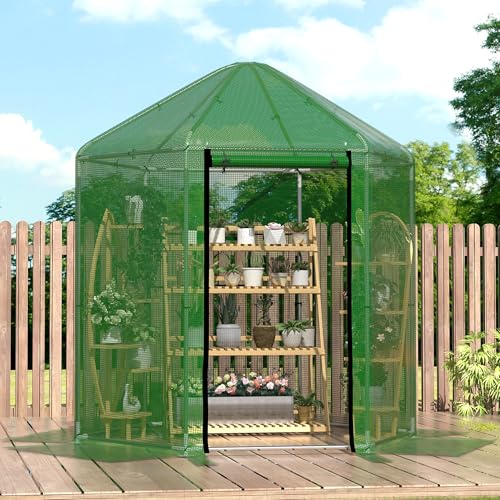
MU 7x7x7.6 FT Walk-In Winter Greenhouse

ANGAR 12x16FT Heavy Duty Clear Greenhouse Tarp
Greatbuddy Portable 3x3x3FT Mini Greenhouse

ANGAR 16x20FT Heavy Duty Clear Greenhouse Tarp

Racknookly 4-Pack Pop-Up Mesh Plant Covers
ANGAR 8x10FT Heavy Duty Clear Greenhouse Tarp

Greatbuddy Portable 3x3x9FT Mini Greenhouse
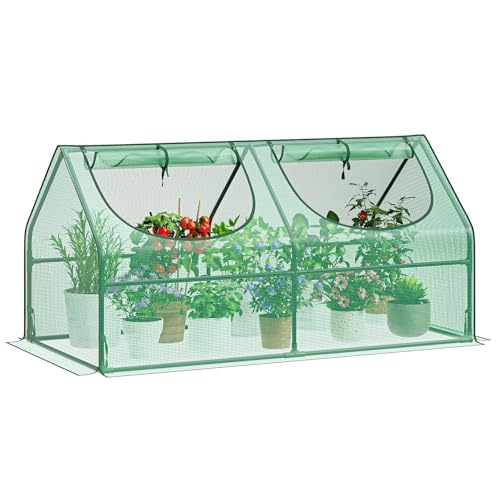
GreatBuddy Portable 3x3x6FT Mini Greenhouse
Taking A Closer Look At The Options
If you treat gardening as a four-season hobby rather than a summer-only pastime, the Backyard Discovery Poppy is the most home in this lineup. The 11 by 7 foot footprint is large enough to walk into, kneel down, and actually tend a full row of seedlings, but it still fits comfortably against a garage wall or along a back fence line.
Cedar framing pairs with commercial-grade polycarbonate panels (a tough, twin-wall plastic that holds heat like glass without the shatter risk), and an exhaust fan helps vent hot air on still summer afternoons. Staging shelves, plant hooks, and built-in hose hook-ups keep your daily workflow close at hand.
What Works In Its Favor
- Cedar frame resists rot and looks at home in a landscaped yard.
- Walk-in height makes seed-starting, transplanting, and harvesting far less back-breaking than stooping into a low tunnel.
- Integrated exhaust fan and windows handle passive airflow so you don’t have to babysit the temperature.
- PowerPort and hose hook-ups mean lights, heat mats, and irrigation all have a place to plug in.
- Staging shelves and plant hooks arrive with the kit, so you skip the separate-buy shuffle.
Practical Considerations
- Cedar and polycarbonate cost more up front than a pop-up tunnel, so the entry price climbs quickly.
- You’ll want a flat, level pad (gravel, pavers, or a wood base) before assembly starts.
- Owners commonly report that the exhaust fan helps but doesn’t replace hands-on venting on the hottest July afternoons.
Key Specs
Built For Year-Round Growers
It suits gardeners who treat greenhouse growing as a 12-month habit and want a structure that looks permanent next to the house.
Consider A Lighter Pick When
Shoppers who only want season extension for tomatoes should look at the Greatbuddy 3x3x9FT Mini Greenhouse for a far smaller commitment.
Already have a PVC hoop frame in the backyard and just need fresh plastic? The ANGAR 6×8 tarp skips the frame entirely and concentrates on the cover itself. It’s the cheapest path back to a working greenhouse if your old skin finally gave up after a few winters.
The 16 mil thickness is unusually heavy for this category (most garden plastic is 4 to 6 mil), so the material feels closer to a contractor-grade drop cloth than a flimsy painter’s tarp. Reinforced edges with nylon rope and aluminum grommets (the metal-rimmed holes) every 35 inches give you solid anchor points.
Everyday Perks
- 16 mil thickness outlasts typical 6 mil greenhouse film in wind and sun.
- Rust-proof aluminum grommets every 35 inches make tying down simple.
- Reinforced corners and rope-wrapped edges stop the most common tear points.
- Clear film lets full sun through to seedlings.
Worth Noting
- This is a cover only; you supply the frame, doors, and ventilation.
- 16 mil plastic is stiffer to pull tight than thin film, so two sets of hands help during install.
- Clear sheeting heats up fast on still days, so plan a vent or shade cloth if you’re overwintering plants.
Made For Tinkerers
It’s the right call for DIY builders who already own a frame or like to design their own structures from scratch.
Skip It When
Shoppers who want a turnkey walk-in should look at the MU 7x7x7.6 FT Walk-In Winter Greenhouse instead.
The MU walk-in is the pick for anyone who has watched a flat-sided hoop house fold inward during a March windstorm. Its hexagonal footprint breaks up gusts better than a rectangular tunnel, and the round galvanized steel frame (steel coated with zinc to resist rust) gives the skeleton real backbone.
The 180g double-layer PE cover is noticeably thicker than the 140g fabric used on cheaper tunnels, and the inner mesh helps stop small punctures from turning into rips. Two people can have it standing in roughly half an hour, which keeps the build realistic for a weekend project.
Noteworthy Benefits
- Hexagonal shape resists wind better than traditional rectangular tunnels.
- 180g double-layer PE cover with internal mesh holds up to rough weather.
- Galvanized steel frame is built to shrug off rust for several seasons.
- Available in three sizes so you can scale up as your garden grows.
Trade-Offs
- At 7 feet tall it’s tall enough to walk into, but the hex shape leaves less usable corner space than a rectangle.
- Owners commonly anchor it with extra ground stakes in coastal or high-wind zones.
- The PE cover is opaque (green tint) so it diffuses light rather than maximizing it, which can slow heat-loving crops in early spring.
Key Specs
Built For Stormy Climates
It’s the best fit for gardeners in windy regions who keep losing flat-sided hoops to the same southerly gusts every spring.
Look Elsewhere When
Shoppers who prefer a more decorative structure for a visible side yard should consider the Backyard Discovery Poppy Cedar Walk-In Greenhouse Kit instead.
If your DIY ambitions have outgrown the 6×8 starter tarp, the 12×16 ANGAR steps up the same heavy-duty formula to a mid-sized backyard build. It covers a span large enough for a serious vegetable bed or a row of container citrus.
The 16 mil triple-layer construction (two outer film sheets sandwiching a woven polyethylene core) holds up to multi-season exposure, and the reinforced edges stop the grommets from pulling out when the wind really works the cover.
Good Reasons To Consider
- Covers a generous 12×16 foot area without committing to a kit.
- Same heavy 16 mil triple-layer construction as the smaller ANGAR covers.
- Reinforced rope edges keep grommets anchored under tension.
- Clear film passes full light for seedlings and overwintering greens.
Small Caveats
- A 12×16 cover needs a strong frame, so plan on real lumber or heavy steel pipe.
- Spreading it flat without wrinkles usually takes three or four sets of hands.
- Clear sheeting creates strong midday heat, so venting is non-negotiable in warm zones.
Right Fit For Mid-Size Builds
It’s the right tarp for DIYers with a 10×14 or 12×16 frame who want a thicker skin than the off-the-rack 6 mil rolls.
Try A Smaller Pick When
Shoppers working with a basic 8×10 PVC frame will find the ANGAR 8x10FT Heavy Duty Clear Greenhouse Tarp a better match.
The 3x3x3 Greatbuddy is barely bigger than a kitchen island, which is exactly the point. It tucks against a patio wall, sits on a small balcony, or stands on a porch where a full walk-in would dominate the space.
The high-density PE cover (a thick polyethylene plastic that resists tearing and UV damage) keeps seedlings warm through cool spring nights, and the roll-up zipper window lets you reach in for watering without untying anything. For herbs, lettuce, and a tray or two of flower starts, it’s the right scale.
Where It Helps
- 3×3 footprint fits on balconies, small patios, and porch corners.
- Roll-up zipper window doubles as the access door for watering and pinching back growth.
- High-density PE cover handles UV and rain better than cheap non-woven fabric.
- Lightweight frame moves easily when the sun shifts.
Honest Caveats
- Three feet of headroom means you’ll work at ground or knee level, not standing up.
- Limited floor area limits you to a tray or two of plants at a time.
- Owners commonly store it indoors for winter since the light frame isn’t built for snow loads.
Best Suited To Apartment Growers
It’s a strong match for renters and apartment dwellers who want a fresh herb garden without losing the patio furniture.
Pick A Different Pick When
Anyone planning to grow full-sized tomato plants will want the taller Greatbuddy Portable 3x3x9FT Mini Greenhouse instead.
The 16×20 ANGAR is the largest tarp in the lineup and the right answer when your greenhouse project has crossed firmly into “small barn” territory. It covers a serious growing footprint without the cost of a prefab kit.
The 16 mil triple-layer construction is identical to the smaller ANGAR covers, so you get the same heavy-duty film and reinforced edges. The 35 inch grommet spacing continues across the larger sheet, which keeps tie-down points evenly distributed against wind.
Positive Points
- 16×20 footprint suits gardeners scaling up from raised beds to a full tunnel.
- Heavy-duty triple-layer film outlasts standard 6 mil greenhouse plastic.
- Evenly spaced grommets make wind anchoring predictable.
- Clear sheeting passes full sun for fruiting crops.
Things To Consider
- This size demands a properly engineered frame and a level site.
- Two people can wrestle it onto a small frame, but four is faster for a 16×20 sheet.
- Large clear covers heat up fast; plan roof vents or roll-up sides from the start.
Built With Big-Yard Growers In Mind
It fits homeowners who have the space and the carpentry skills to frame a serious growing tunnel.
Swap It Out When
Anyone with a standard 8×10 PVC frame should reach for the ANGAR 8x10FT Heavy Duty Clear Greenhouse Tarp instead.
The Racknookly four-pack isn’t a greenhouse in the walk-in sense. It’s a set of pop-up mesh domes sized for raised beds, strawberry patches, and small vegetable plots, and it solves a different problem entirely: keeping birds, squirrels, and cabbage moths off your greens.
The 33 percent sunblock mesh filters harsh midday rays while letting air and rain through, which is closer to a ventilated cloche than a sealed greenhouse. You get four covers, so a multi-bed kitchen garden is set up in one go.
Where It Excels
- Four-pack covers multiple raised beds without buying one dome at a time.
- Mesh design stops birds and insects without trapping humidity.
- 33 percent shade rating doubles as sun protection for tender transplants.
- Pop-up frame stores flat between seasons.
Worth Bearing In Mind
- Mesh doesn’t hold warmth the way solid plastic does, so it’s a poor choice for frost protection.
- Lightweight domes need stakes or rocks in windy locations.
- Sizing assumes a typical 4×4 raised bed; measure first.
Whose Garden It Belongs In
It’s a great fit for raised-bed vegetable gardeners focused on pest and sun protection rather than season extension.
Reach For A Different Pick When
Anyone trying to start tomatoes six weeks early should look at the Greatbuddy Portable 3x3x6FT Mini Greenhouse for actual heat retention.
The 8×10 is the most common DIY greenhouse size in suburban yards, and ANGAR’s heavy-duty version covers it without the thin film that usually tears after one winter. It’s the practical middle child between the 6×8 starter tarp and the larger 12×16 and 16×20 sheets.
The reinforced rope edge and aluminum grommets every 35 inches handle the kind of wind that snaps cheap tarps, and the clear film passes the light seedlings need without the green tint that some PE covers use.
Everyday Advantages
- Common 8×10 size matches typical backyard hoop frames.
- 16 mil film outlasts the 6 mil plastic most kits ship with.
- Reinforced edges stop grommets from ripping out under tension.
- Clear sheeting maximizes light for fruiting crops.
Smaller Limitations
- You still supply the frame, which means a separate shopping trip for PVC or lumber.
- Clear film heats up quickly in still weather.
- Pulling it tight over a frame is a two-person job at minimum.
Made For Standard DIY Builds
It’s the right tarp for builders working with the common 8×10 hoop-house footprint and looking for thicker film than the standard kit offers.
Not Your Match When
Shoppers wanting a smaller, turnkey setup should consider the GreatBuddy Portable 3x3x6FT Mini Greenhouse.
The 3x3x9 Greatbuddy is the tall, narrow answer to the squat 3x3x3. Same footprint on the ground, three times the vertical room, which is the difference between starting lettuces and actually growing indeterminate tomatoes.
Three roll-up zipper windows give you access on more than one side, so you can ventilate from the downwind window while opening the sheltered side for watering. The high-density PE cover handles sun and rain exposure well for the price.
A Few Strong Suits
- Nine-foot height supports full-size tomato and pepper plants.
- Three roll-up windows improve airflow versus single-door tunnels.
- Tight 3×3 footprint fits narrow side yards and strip-of-grass gardens.
- High-density PE cover holds up under typical spring and summer sun.
Possible Compromises
- Tall and narrow profile catches gusts, so anchor it well in exposed yards.
- Light frame isn’t built for heavy snow; owners commonly take it down for winter in cold zones.
- Floor area is small, so production volume per square foot stays modest.
Perfect Match For Vertical Growing
It’s the right call for gardeners who want to grow full-height vegetables without giving up patio square footage.
Consider Something Else When
Shoppers needing more floor space for seed flats should consider the MU 7x7x7.6 FT Walk-In Winter Greenhouse.
The 3x3x6 GreatBuddy is the middle sibling in the Greatbuddy trio, and it’s the easiest entry point for first-time backyard growers. You get enough height for stocky pepper plants and bush beans, without the wind exposure of the 9-foot tower version.
Two roll-up zipper windows handle airflow and access, and the high-density PE cover manages the kind of weather a beginner typically forgets to plan for. Setup is fast enough that most people finish it before lunch.
Key Advantages
- Compact 3×3 footprint is friendly to small patios and first-time gardeners.
- Six-foot height supports a wide range of vegetables and herbs.
- Two roll-up windows make watering and venting straightforward.
- Setup requires no special tools.
Where It May Fall Short
- Limited floor area caps total production for the season.
- PE cover has a shorter lifespan than polycarbonate, so plan on replacing it in a few years.
- Frame strength is fine for calm conditions but light for coastal weather.
Key Specs
Who Will Love This
It suits first-time backyard growers who want an affordable, low-fuss greenhouse they can set up in an afternoon.
Another Choice May Suit
Shoppers needing actual walk-in headroom and a more durable cover should step up to the MU 7x7x7.6 FT Walk-In Winter Greenhouse.
What To Weigh Before Choosing A Backyard Greenhouse
A backyard greenhouse should match your climate, your ambition, and the space you actually have. Cover the right bases before buying and you’ll avoid the most common disappointment: a structure that’s too small after one season.
Sizing and footprint. Measure the spot before you fall in love with a listing. A 7×7 walk-in sounds modest until you add a few bagged soil amendments and a watering can on the outside. For tight patios, the Greatbuddy 3×3 line keeps production realistic without crowding the grill. For real vegetable beds, walk-in scale pays off.
Frame and cover materials. Cedar, galvanized steel, PVC, and PE plastic each behave differently. Cedar and galvanized steel handle weather and last the longest; PVC and PE film are cheaper up front and easier to replace, which fits a budget or a starter build. Polycarbonate (a rigid, twin-wall plastic panel) splits the difference between glass and film.
Ventilation and access. A greenhouse that can’t vent turns into an oven by July. Look for roll-up windows, roof vents, or an exhaust fan like the one on the Backyard Discovery Poppy. Door placement also matters; you want a zipper or hinged door that you can prop open with one hand while carrying a tray with the other.
Wind, snow, and sun exposure. A flat-sided hoop in a windy yard becomes a sail. Hexagonal frames like the MU walk-in handle gusts better, and heavier 16 mil tarps like the ANGAR covers resist tearing. In snowy regions, removable covers or steeper roof angles prevent collapse.
Key Considerations Across These Picks
Common Shopping Slip Ups
The most common mistake is buying a greenhouse based on footprint alone and ignoring height. A squat tunnel that fits your bed perfectly may not fit a single tomato plant by midsummer. Measure your tallest intended crop and add a foot of clearance before you commit.
Another pitfall is underestimating anchoring. Lightweight frames and PE covers turn into kites in spring storms, so plan for ground stakes, sandbags, or a tied-down base from day one. Finally, don’t skip ventilation planning; a greenhouse without airflow cooks seedlings faster than it grows them.
What The Higher Tier Buys
The jump from a budget pop-up to a cedar or polycarbonate walk-in buys three things: durability, daily usability, and appearance. A premium build like the Backyard Discovery Poppy stands up to multi-season use without cover replacement, includes real staging and electrical hook-ups, and looks intentional next to a house rather than like a temporary tarp.
For gardeners who only need season extension for a few herbs or a tomato flat, that upgrade is overkill. For anyone planning year-round growing, the extra cost pays back in less maintenance and a structure that holds its value.
Frequently Asked Questions
How big should a backyard greenhouse be for a beginner? A 3x3x6 mini greenhouse handles herbs, lettuce, and a tray or two of seedlings without overwhelming a small patio. Walk-in 7×7 models make sense once you want to grow full-sized vegetables or overwinter potted plants.
Can a small greenhouse handle strong winds? Hexagonal frames and heavier tarps perform better than flat-sided hoops. Anchoring with ground stakes, sandbags, or a tied base is essential regardless of frame shape.
What cover material lasts longest? Polycarbonate panels last many seasons with minimal maintenance. Heavy 16 mil PE film outlasts standard 4 to 6 mil greenhouse plastic but will eventually need replacement. Standard PE covers usually last a few seasons before UV weakens them.
Do I need a foundation for a small backyard greenhouse? Permanent structures like the Backyard Discovery Poppy benefit from a level gravel or paver base. Pop-up and portable greenhouses work on flat soil or a patio as long as the ground is level and the frame is anchored.
When should I replace the cover on a greenhouse tunnel? PE covers typically need replacement every 2 to 4 years, depending on sun exposure and material weight. Visible cloudiness, brittleness, or small tears are the early signs it’s time for fresh film.
The Takeaway
Small greenhouses for backyard gardening come in three flavors: walk-in builds for serious growers, pop-up mini tunnels for patios and herbs, and replacement tarps for DIY frames. Match the type to your space, climate, and ambition, anchor it well, and you’ll add months to your growing season without turning the yard into a construction zone.
