

Finding the right small seed dispenser matters when you’re tired of wrestling with torn bags, spilled feed, or seeds scattered too thick across a garden bed. Whether you refill a backyard bird feeder, sow flower rows in raised beds, or portion out pet kibble without guessing, the right tool removes a small daily friction. This roundup focuses on dispensers sized for small-scale use, the kind that fit on a pantry shelf, tuck into a garden tote, or sit beside the back door. Each pick here solves a specific problem in a slightly different way.
The Shortlist At A Glance

Buddeez 2-Pack Bird Seed Dispenser Containers

Green Hand Held Fertilizer Spreader

Gardena Kleinstreuer S Hand Spreader

6-Piece Mini Seed Spreader Set (Yellow)
Huishun 12 lb Rice Container with Measuring Cup
6-Piece Mini Seed Spreader Set (Red)

NQEUEPN 6-Piece Seed Spreader Tool Set

GNEOCO 2-Pack Pet Food Measuring Scoops
More On The Choices That Made The List
The Buddeez twin-bin setup earns its spot for one reason: it solves the messy bag problem at the source. Instead of hoisting a 40-pound sack over a small feeder opening, you pour seed into the 8-quart container once, and the built-in spout channels flow into the feeder cleanly. The flip-top lid seals tight enough to keep pantry moths and humidity at bay, which is a real concern if you keep bags open in a garage or mudroom.
Bird lovers who maintain multiple feeders tend to grab the smaller 3.5-quart container for thistle or specialty blends, while the larger bin handles standard mixes. The clear plastic walls also let you see seed levels at a glance, so you’re not shaking the container trying to guess what’s left.
What Works In Its Favor
- Pour spout fits narrow feeder openings, cutting down on spilled seed
- Airtight flip lid preserves freshness longer than an open bag
- Stackable design saves pantry or closet floor space
- Two sizes let you separate seed blends without cross-contamination
- BPA-free plastic keeps food contact surfaces safe
Things To Consider
- Plastic walls can scratch over time, making the clear view slightly less crisp
- Larger 8-quart bin gets heavy when fully loaded, so refills work better on a flat surface
Who It Suits Best
Regular bird feeders who refill outdoor feeders weekly and want a tidy indoor storage solution.
A Better Fit Elsewhere
For gardeners sowing lawn seed rather than feeding birds, the Green Hand Held Fertilizer Spreader is the more relevant pick.
Unlike the Buddeez bins designed for storage, this hand-crank spreader puts seed directly into the lawn. The Green Hand Held Fertilizer Spreader is built for small yards where a wheeled broadcast spreader feels like overkill. You fill the hopper, set the rate, and walk at a steady pace while turning the handle.
The trigger mechanism controls flow, which helps prevent the dreaded striped overseeding pattern where some patches get too much seed and others get none. For most suburban lots under 2,000 square feet, this size handles a full pass without refilling mid-job.
Notable Upsides
- Lightweight enough to carry one-handed across uneven ground
- Adjustable rate dial lets you switch between seed, fertilizer, and ice melt
- Year-round utility makes it more versatile than single-season tools
Worth Noting
- Hand-cranking gets tiring on larger patches beyond a few thousand square feet
- Plastic gears can wear if you push heavy material like coarse rock salt repeatedly
- Hopper capacity means more refill stops than a drop spreader
The Right Fit
Homeowners with compact lawns who want seasonal flexibility for seeding, feeding, and winter melting.
Consider Something Else When
The Gardena Kleinstreuer S suits anyone needing precise dosing for walkways and small garden beds rather than open lawn coverage.
The Gardena Kleinstreuer S swings between seasons without missing a beat. In winter, it handles road salt and grit for icy walkways. In summer, it shifts to fertilizer and seed for garden beds. The dosing system uses three calibrated settings, so you’re not guessing how much comes out per twist of the lid.
At roughly 300 grams empty, this is the lightest spreader in this roundup. The ergonomic handle keeps wrist fatigue down during longer passes, and the bayonet lock opens the container for refills without tools or fumbling.
Positive Takeaways
- Three dose settings remove the guesswork from application rates
- Lightweight build reduces arm strain during extended use
- Bayonet lid opens and closes without extra tools
- Multi-season versatility replaces two or three single-use tools
Trade Offs
- Capacity tops out around 1.7 kg of sand, so large driveways require frequent refills
- Narrow spread pattern suits paths more than wide lawn areas
Made For
Homeowners in four-season climates who want one tool for both winter safety and summer garden feeding.
Look Elsewhere When
Anyone focused on broad lawn seeding over a wide area should reach for the Green Hand Held Fertilizer Spreader instead.
This six-piece kit shifts the conversation from lawn-scale spreading to bed-scale precision. The pieces are designed for tiny seeds like flower, herb, and grass varieties that clump together when poured by hand. The mini planter measures roughly 10 by 3 centimeters, small enough for tray cells and tight rows.
The plastic construction keeps weight low, which matters when you’re kneeling at a planting bench for an hour. Yellow coloring helps you spot the tools in soil or mulch if you set one down mid-task.
Notable Gains
- Six tools cover planting, sowing, and transplanting in one kit
- Compact pieces fit easily in a garden tote or apron pocket
- Lightweight plastic reduces hand fatigue during long sessions
- Works for flowers, herbs, grasses, and small fruit seeds
Minor Gripes
- Plastic build feels less substantial than metal dibbers for hard soil
- Best for individual seed placement rather than broadcast spreading
Who Should Grab It
Beginner gardeners starting flower beds or seed trays who want affordable, purpose-built tools.
Another Choice May Suit
For pet households portioning kibble rather than planting seeds, the GNEOCO measuring scoops make more sense.
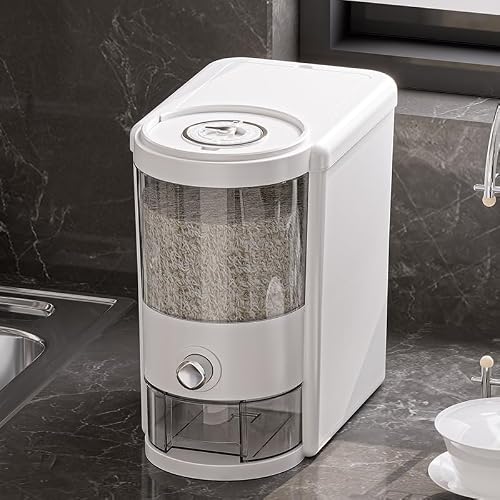
The Huishun container steps away from garden and bird applications entirely and addresses kitchen grain storage. Holding roughly 11 to 15 pounds of rice depending on grain density, this dispenser keeps bulk staples fresh while letting you measure out portions without opening the main lid. The built-in measuring cup sits in a dedicated slot on top, so it never wanders off into another drawer.
For households buying rice or soybeans in bulk, this replaces a cluttered shelf of half-opened bags. The sealed design also blocks pantry pests better than original packaging.
Where It Delivers
- Built-in measuring cup streamlines portioning at mealtime
- Airtight seal keeps rice and grains fresh longer than paper bags
- Generous capacity suits families who cook rice frequently
- White finish blends into most kitchen aesthetics
Points To Keep In Mind
- Not designed for tiny seeds or fine powders, which can clog the dispenser opening
- Bulk size demands dedicated pantry or counter space
Best Suited To
Home cooks who buy rice, soybeans, or other large grains in bulk and want clean, portioned access.
Skip It When
For bird seed storage specifically, the Buddeez 2-Pack Bird Seed Dispenser Containers handle that job with spouts designed for feeders.
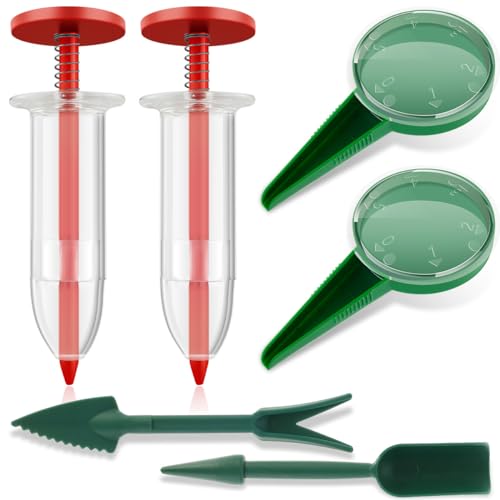
This red variant of the six-piece mini kit serves the same function as the yellow set covered earlier, with color as the main differentiator. Gardeners who already own yellow-handled tools sometimes prefer red for quick identification among other implements in a shared shed or potting bench.
The pieces handle tiny seeds cleanly, and the seedling dibber and widger make transplanting small starts less fiddly than using a chopstick or pencil. For raised bed work and container planting, the small scale fits the job better than full-size garden tools.
Useful Strengths
- Red color stands out against soil and green foliage if misplaced
- Same six-tool versatility as the yellow set at identical function
- Compact size works well for indoor seed-starting setups
Honest Caveats
- Plastic hinges and seams may loosen with heavy outdoor use over multiple seasons
- Color choice is the only meaningful difference from the yellow set
Whose Shelf It Belongs On
Vegetable gardeners starting tomatoes, peppers, and herbs indoors who want visible, easy-to-grab tools.
Reach For A Different Pick When
The NQEUEPN tool set offers a similar six-piece approach with a slightly different component mix for varied planting styles.
The NQEUEPN set arranges its six pieces differently from the previous two kits: two seed spreaders, two mini dispensers, and two dibber and widger tools. That doubled quantity of planting implements makes sense for shared gardening, where two people might work the same bed simultaneously, or for households that want backups in case one tool goes missing.
Quality plastic construction handles repeated use without cracking under normal pressure. For flower beds and vegetable rows where you’re sowing across multiple rows in one session, the redundancy cuts down on trips back to the potting bench.
Well-Handled Touches
- Doubled component count suits shared or family garden sessions
- Dibber and widger tools handle transplanting without extra purchases
- Plastic build stays light for extended kneeling work
- Reliable for vegetables, flowers, and general garden starts
Points To Note
- Similar plastic quality to other generic mini kits, so no standout durability advantage
- Extra pieces can feel redundant for solo gardeners with small plots
Perfect Match For
Family gardeners or community plot workers who want enough tools for multiple users without buying duplicates.
Where A Sibling Pick Shines
For solo gardeners who just need one functional set, the 6-Piece Mini Seed Spreader Set (Yellow) covers the same ground at a similar tier.
The GNEOCO scoops wrap up this roundup by addressing portion control, a different but related challenge. The set includes one 1-cup and one 2-cup scoop, both with clear measurement lines so you can dial in smaller amounts when needed. For pet households feeding kibble to dogs or cats, this removes the eyeballing that leads to overweight pets and wasted food.
Beyond pet food, these scoops also handle bird seed, fish pellets, and even gardening applications like measuring fertilizer. Dishwasher-safe construction makes cleanup simple after sticky or oily feeds.
Good Reasons To Consider
- Two calibrated sizes cover most pet feeding portions in one set
- Clear measurement lines support precise smaller portions
- Dishwasher-safe plastic simplifies cleanup
- Multi-purpose use spans kibble, seed, and garden material
Some Limits To Know
- Plastic construction may not hold up to repeated dishwasher cycles as long as metal alternatives
- No airtight storage function, so this complements rather than replaces bins like the Buddeez containers
Who Will Love This
Pet owners managing feeding portions for multiple animals or households switching between kibble sizes.
Swap It Out When
For full bulk storage with built-in portioning, the Huishun 12 lb Rice Container handles dry goods at a larger scale.
What Matters When Picking a Small Seed Dispenser
Choosing the right seed dispenser starts with matching the tool to the job. A hand-crank spreader covers lawn-scale projects, while mini planter kits fit bed-scale precision. Storage containers solve freshness and spillage issues, and measuring scoops handle portion control rather than distribution.
Match Capacity to Your Volume
Storage bins and spreaders both have size sweet spots. An 8-quart container holds a few weeks of bird seed for one or two feeders, while a 12-pound grain bin suits families cooking rice daily. For hand spreaders, hopper capacity determines how often you refill mid-task. Larger lawns push you toward bigger hoppers or wheeled spreaders, but small yards actually benefit from lighter, lower-capacity tools that feel less cumbersome.
Think About Material and Build
Plastic dispensers resist rust and stay light, which matters for handheld tools you’ll carry around. Metal components add durability but also weight. For dispensing tools that contact food, check whether the manufacturer specifies food-safe or BPA-free construction, since this matters for pet and bird households.
Plan for Seasonality
Some dispensers pull double or triple duty across seasons. The Gardena Kleinstreuer S handles salt in winter and seed in summer, replacing multiple tools. Single-purpose picks like the Buddeez bird seed bins work year-round but only for one task. Choosing between versatility and specialization depends on your storage space and how often you actually switch uses.
Key Considerations Across These Picks
Where Shoppers Go Wrong
A common trap is buying the largest dispenser you can find without considering where it will live. A 12-pound rice bin demands dedicated pantry space, and oversized lawn spreaders get stored in garages and forgotten. Match the tool to your actual routine: weekly bird feeding, seasonal lawn care, or daily kitchen use. Another mistake is ignoring the difference between broadcasting seed across a wide area and placing individual seeds in rows. Mini planter kits and hand spreaders solve completely different problems.
When Paying More Pays Off
Higher-tier picks in this category typically add calibrated dosing, airtight seals, or ergonomic handles. For gardeners with joint sensitivity, ergonomic design reduces strain during long sessions. For households serious about pet nutrition, precise measurement matters more than saving a few dollars on a flimsy scoop. The upgrade is worth it when the tool gets used daily rather than occasionally.
Frequently Asked Questions
What size seed dispenser works for a small backyard bird feeder?
An 8-quart container typically holds enough seed for one or two standard feeders across two to three weeks, depending on bird activity. Smaller specialty feeders using thistle or nyjer may benefit from a separate 3-quart bin to keep blends from mixing.
Can hand spreaders handle both fertilizer and grass seed?
Yes, most hand-crank spreaders include adjustable rate settings designed for multiple material types. The key is cleaning the hopper between uses, since fertilizer residue can affect sensitive seeds or burn young grass if concentrations carry over.
Are plastic seed dispensers safe for pet food?
Many food storage containers specify BPA-free plastic, which is appropriate for dry kibble and seed. Avoid containers not labeled for food contact, especially for pets, since lower-grade plastics can leach chemicals over time.
How do you clean a mini seed planter tool set?
Warm soapy water and a small brush handle most cleanup. Plastic tools tolerate gentle rinsing without special care, and drying them thoroughly prevents moisture buildup that could affect future seeds.
Do bird seed storage containers really keep seed fresher?
Airtight containers with sealed lids do extend seed life compared to open bags. The reduction in humidity and pest exposure matters most in garages, sheds, and pantries where temperature swings are common.
Bottom Line
Small seed dispensers earn their place by removing daily friction, whether that means a tidier pantry, cleaner bird feeding, or more accurate garden sowing. Match the tool to your specific routine rather than chasing the most versatile option, and the right pick tends to become one of those quietly useful items you reach for without thinking.
