

A rose garden without fragrance is like a meal without salt: technically complete, but missing the point. If you’ve ever leaned into a bloom expecting perfume and gotten a shrug, you already know that scent matters more than any catalog photo suggests. Choosing the right plants from the start saves seasons of disappointment, especially in a category where hardy performers and temperamental divas sit side by side on the same shelf. The eight picks below cover gardeners, gift-givers, and indoor plant people alike, so there’s something for almost every situation worth planning for.
A Fast Comparison Of The Options

Nuanchu 12 Pack Rose of Jericho Resurrection Plant, Mixed

Costa Farms Money Tree, Live Indoor Plant, Braided Trunk, Easy Care
Nuanchu 12 Pack Rose of Jericho Resurrection Plant, Small

Nuanchu 12 Pack Rose of Jericho Resurrection Plant, Large

Heirloom Climbing Roses, Live Own Root Plant, Polka®

Ma Cherie Cecille Brunner Climbing Rose Live Plant

HOME GROWN State Fair Zinnia Seeds for Planting, 300 Seeds
Costa Farms Golden Pothos, Live Indoor Plant, Trailing Vine
A Breakdown Of The Leading Choices
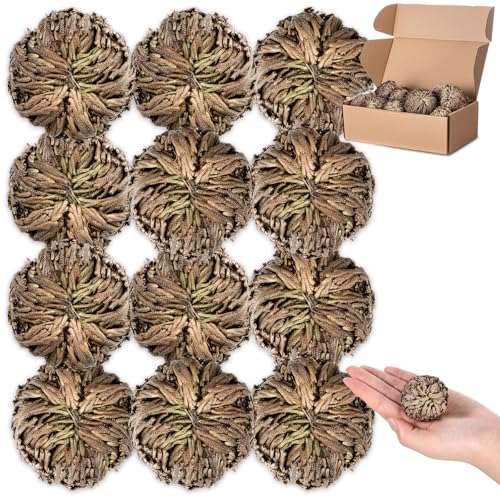
The Rose of Jericho isn’t a true rose, it’s a desert resurrection plant, but it gets pulled into rose conversations because people gift it as a curiosity. This Nuanchu mixed pack bundles four larger and eight smaller specimens, so you can stage a dramatic bowl centerpiece with the big ones and tuck the rest around the house. When fully dry, each ball curls tight; set it in shallow water and within hours the fronds unfurl and shift from brown to green.
Compared with the Costa Farms live plants covered later, there’s no watering schedule to remember and no worry about light levels. For most apartments, the appeal is the ritual: dry it, revive it, repeat, year after year.
Real-World Strengths
- Twelve plants per box means extras for gifts or replacements
- Forgiving for forgetful waterers since the plant goes dormant, not dead
- Mixed sizes let you create visual layers in a single shallow dish
- Great teaching tool for kids watching the uncurl on video
Things To Consider
- The dry, dormant phase looks lifeless and may confuse guests
- You’ll need to change the water every few days to avoid murky bowls
Feature Snapshot
Right Fit For
Gift-givers and curious plant collectors who want a low-maintenance conversation piece rather than a flowering bush.
Reach For A Different Pick When
You want true rose fragrance outdoors: the Heirloom Climbing Roses Polka delivers real rose perfume and seasonal blooms instead.
The braided trunk is the Money Tree’s signature: several young Pachira stems woven into a single plait that thickens with age. Costa Farms ships these in a decorative planter, so you can drop the plant straight onto a shelf without buying a cachepot first. Foliage stays a clean, glossy green through the year, and the plant tolerates the medium, indirect light that most apartments actually offer.
It isn’t a rose, but it earns a place on this list because so many rose-curious plant parents want something indoors that won’t drop petals on the rug. For most living rooms, the Money Tree handles the role of “anchor plant” while the real roses live outside.
Useful Touches
- Braided trunk adds architectural interest even when leaf growth is sparse
- Decorative planter included, no extra styling needed
- Tolerates the indirect light most apartments provide
- Available in 10-inch, 16-inch, and 3-4 foot sizes
Points To Note
- Sits in standing water easily; let excess drain after each watering
- Can drop leaves after a move while it adjusts to new light
- Not fragrant, so don’t expect the scent payoff you’d get from a real rose
Who Should Grab It
Beginners and office decorators who want a statement plant that forgives irregular care and brightens a corner.
Look Elsewhere When
You specifically need a rose scent payoff in a small space: the Costa Farms Golden Pothos from later in this list is also indoor-friendly and easier to trail across a bookshelf.
Where the mixed pack earlier splits sizes, this Small pack is uniform: twelve tiny desert tumbleweeds, each around three inches across once hydrated. That consistency matters when you’re setting a dozen place cards on a wedding table or stuffing goody bags for a bridal shower. You can predict the visual, and every guest gets the same experience.
Same care routine as the mixed pack: shallow water, watch it green up, let it dry out and repeat. The smaller footprint also makes these perfect for apartments where every windowsill inch counts.
The Upside
- Uniform sizing makes event styling predictable
- Twelve per pack is enough for a full table setting or classroom demo
- Tiny footprint, fits teacups and shot glasses
- Same forgiving revival cycle as larger versions
Honest Caveats
- Each ball only reaches about three inches, so the visual impact is subtle
- You’ll need a dozen small bowls unless you group them in a tray
Quick Facts
Best Suited To
Event planners and craft hosts staging a coordinated table or favor display.
A Better Fit Elsewhere
You want one dramatic bowl centerpiece: the Large Nuanchu 12 Pack covered below gives you twelve bigger specimens for a single arrangement.
This is the same plant in the larger size tier: twelve specimens that hit roughly four inches once they drink up. Each one is a satisfying handful when fully unfurled, so a single large bowl packed with three or four of them reads as a real installation. Gardeners sometimes use them in low-water dish gardens since they need no soil at all.
The trade-off versus the Small pack is that twelve large revived plants demand more water and a wider tray. In our view, this is the right pick when the goal is impact in one spot, not many small accents around a room.
The Helpful Details
- Larger fronds create bolder silhouettes in a single arrangement
- Twelve per box supports a centerpiece plus several gift extras
- Same forgiving dormancy cycle, just bigger visual payoff
- Works well as a soil-free dish garden element
Less Ideal Details
- Larger bowls mean more standing water to change
- Bulk order may be overkill for a single desk
Whose Shelf It Belongs On
Lobby decorators and entryway stylists building a single dramatic focal point with extras on hand.
Swap It Out When
You’d rather have a true rose in the soil: the Ma Cherie Cecille Brunner Climbing Rose covered later delivers actual blooms on a manageable trellis.
Polka is the rose this whole list was waiting for: a fragrant climbing rose sold as a live own-root plant, meaning the roots, stems, and flowers all come from the same genetic line. Own-root roses tend to recover better from winter dieback than grafted types, since the surviving crown is the exact variety you wanted. Plants ship in 1-gallon containers with rich soil, already 12 to 16 months old, so they’re closer to blooming than a baby liner.
Hardiness zones 5 through 10 cover most of the continental United States. For most gardeners, the appeal is the continual blooming pattern and the rich, old-rose fragrance that hits you before you’re close enough to see the apricot petals.
Everyday Wins
- Own-root propagation gives stronger regrowth after harsh winters
- Continual blooming across the season rather than one big flush
- Strong fragrance, the classic reason to grow roses in the first place
- 1-gallon starter size skips the fragile seedling stage
Possible Compromises
- Climbing habit means you need a sturdy arbor, fence, or trellis
- Outside zones 5 through 10, you’ll need winter protection or container culture
- Fragrance intensity varies with temperature and humidity
Made For
Homeowners with a sunny fence or pergola who want a real fragrant climber that returns year after year.
Not Your Match When
You’re gardening in a tight courtyard: the Ma Cherie Cecille Brunner covered next stays more compact on a smaller trellis.
Cecille Brunner is a heritage climbing rose with soft pink, perfectly formed little buds and a moderate, sweet fragrance. Ma Cherie ships it in a 2-quart pot filled with their own soil mix, which makes transplanting less of a shock on arrival. The rose is shipped with a complimentary cotton rose bag, a small touch that makes gifting easy if you’re sending it straight to a friend.
Where Polka wants real estate, Cecille Brunner is happier on a modest trellis or even a large container. Depending on your pruning style, you can keep it compact enough for patio culture.
Noteworthy Benefits
- Transplant-friendly 2-quart pot reduces early shock
- Soft pink buds suit cottage and romantic garden styles
- Stays manageable on a smaller support than larger climbers
- Comes with a cotton rose bag for easy gifting
Small Caveats
- Fragrance is moderate rather than powerful, so plant near a path
- Needs consistent watering the first season to establish roots
Perfect Match For
Patio gardeners and gift senders who want a real climbing rose that fits a smaller footprint.
Consider Something Else When
You want maximum fragrance punch on a long fence run: the Heirloom Polka covered earlier gives a stronger scent throw and continual blooming.
Zinnias aren’t roses, but they belong in any fragrance-forward garden because they pull in pollinators that make the whole bed hum. State Fair is the largest-flowered open-pollinated zinnia mix, with blooms the size of a small saucer on tall, sturdy stems. Three hundred seeds in a single packet is enough to fill a dedicated cutting row.
Seeds are untreated and heirloom, so you can save the best heads in fall for next year’s sowing. For most gardeners, this is the cheapest route to armfuls of flowers all summer.
What Makes Sense
- Massive bloom size for a zinnia, ideal for cut arrangements
- Heirloom, untreated seeds support seed-saving year to year
- Easy direct-sow once soil warms, no indoor starter setup
- Strong pollinator appeal complements any nearby rose bed
Where It May Fall Short
- Zinnia fragrance is faint compared to true rose perfume
- Annual lifecycle means replanting each spring
- Tall stems can flop without early pinching
Built With In Mind
Cutting garden growers and pollinator gardeners who want armfuls of color to back up a rose bed.
Skip It When
You want a single lasting plant: the Heirloom Polka rose covered above is a perennial that anchors the same space for years.
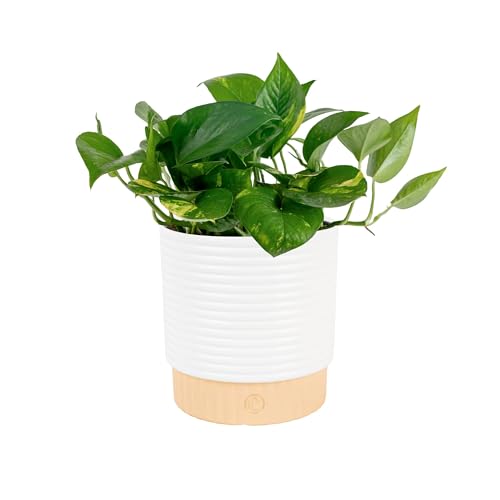
Golden Pothos earns its spot as the indoor bookend to a fragrant rose collection. It’s a trailing vine with variegated heart-shaped leaves that thrives in the medium, indirect light that most apartments offer, and it bounces back from missed waterings better than almost any other foliage plant. Costa Farms offers it in small, medium, and multi-pack sizes, all in decorative pots ready to display.
Compare that to the Money Tree from earlier, which stands tall and architectural. Pothos is the opposite move: let it spill from a hanging basket or trail across a bookshelf where its vines can wander.
Everyday Perks
- Trailing habit fills vertical space without taking shelf depth
- Tolerates irregular watering better than most houseplants
- Available in single, 2-pack, and 4-pack grow pot configurations
- Decorative planters included on most size options
A Few Limitations
- Toxic to cats and dogs if chewed, so pet households should elevate it
- No fragrance, so it doesn’t replace a real rose for scent
- Vines occasionally need trimming once they outgrow the spot
Who Will Love This
First-time plant parents and busy households who want a forgiving trailing vine that lives indoors year-round.
Where Another Pick Suits Better
You specifically need a true rose scent payoff: the Heirloom Polka climbing rose from earlier in this list delivers the full fragrant rose experience outdoors.
Picking The Right Fragrant Rose For Your Space
Fragrance isn’t a single trait. Some roses perfume the air a foot away, while others only release scent when you bury your nose in the petal. Light, humidity, time of day, and even soil nutrition shift how strong a rose smells. Open-pollinated heirloom varieties tend to carry more perfume than modern exhibition hybrids bred for stem length, so if scent matters more than a perfect show bloom, lean toward heirloom types.
Hardiness zone matters just as much as fragrance. Pick a rose rated for your lowest winter temperature, not your highest summer one. Own-root roses, where the entire plant is one variety rather than a grafted top, regrow more reliably after winter dieback. That makes them a smart choice for gardeners at the cold edge of a zone.
For indoor gardeners, fragrance often takes a back seat to survival. A Money Tree or Golden Pothos won’t perfume a room, but they hold up to the dry air and inconsistent light that punish roses grown inside. Save the real scented roses for a sunny outdoor bed or container, and let houseplants handle the rest of your decor.
Finally, think about maintenance. Climbing roses need training, tying, and annual pruning. Desert plants like the Rose of Jericho need only water changes. Annuals like State Fair zinnias need reseeding each year. Matching the plant’s upkeep rhythm to your actual schedule prevents the slow abandonment that kills most gardens by August.
Smart Choices Before You Buy
Slip-Ups Worth Avoiding
The most common mistake is choosing a rose by photo alone. Catalog pictures show peak bloom under ideal conditions, and the same variety can look scraggly in heavy clay or partial shade. Read the growth habit and mature size before you fall in love with the color. Another trap is underestimating mature spread. A climbing rose that ships at 16 inches may reach 12 feet in three years, and a too-small trellis becomes a yearly battle.
Indoor plant parents often overwater out of guilt. Yellowing leaves usually signal too much moisture, not too little. Let the top inch of soil dry between waterings, and make sure excess drains away.
When Paying More Pays Off
A higher-tier rose usually buys own-root propagation, a larger starter size, or a longer-established root system. These traits shorten the time from planting to first bloom and improve survival through the first winter. For one focal plant on a trellis, that upgrade is usually worth it. For a long hedge or filler planting, economy liners often make more sense, since you’ll replace any losses cheaply while the bed fills in. Match the price tier to the plant’s role in your garden rather than defaulting to either end.
