

Laying new sod or overseeding a tired yard is the kind of project that lives or dies in the first six weeks. Get the nutrients wrong, and the rolls struggle to knit, edges brown out, and you’re staring at gaps by midsummer. A starter fertilizer built for new grass gives phosphorus and supporting micronutrients priority so roots push down fast and the canopy fills in before weeds crowd it out. This list walks through nine options for different yard sizes, soil types, and commitment levels so you can match the bag to the job.
The Essentials At A Glance

The Andersons Premium New Lawn Starter 20-27-5 Fertilizer 18 lb

Lawn Synergy Starter Fertilizer 15-20-10 (50 lbs.)
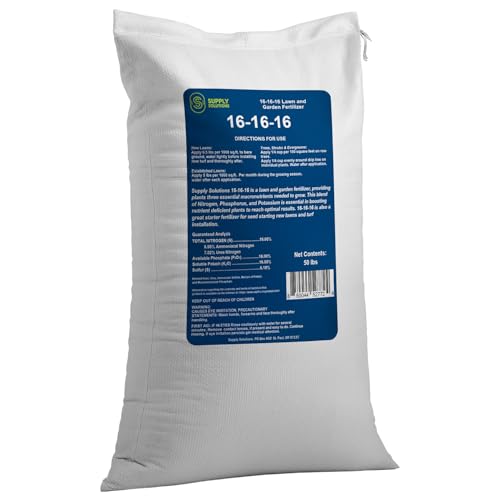
Supply Solutions 16-16-16 Complete Lawn & Garden Fertilizer 50 lbs

Supply Solutions 10-10-10 Granular Fertilizer with Micronutrients 50 lbs

Supply Solutions Urea 46-0-0 Nitrogen Fertilizer 40 lbs

ferti-lome New Lawn Starter Fertilizer 9-13-7 (20 lbs)

Scotts Turf Builder Starter Food for New Grass 3 lbs

Sunday Lawn Kickstart Liquid Fertilizer 2 Pack + Sprayer
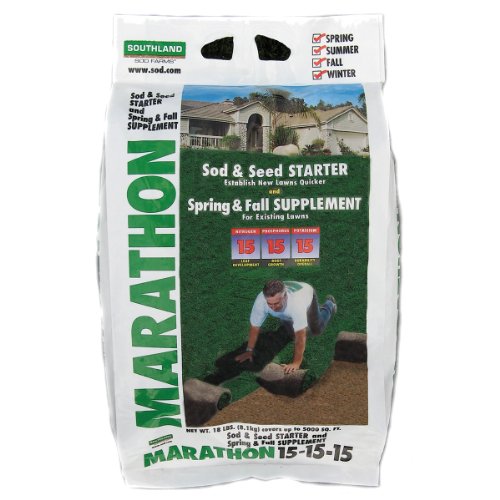
Southland Sod Farms 21 Sod and Seed Starter 15-15-15 (18 lb)
The Details Behind The Selections
This 20-27-5 blend leads with phosphorus, the nutrient roots crave when they’re stretching into unfamiliar soil. An 18 lb bag covers roughly 5,000 sq ft, which suits most front-and-back yard installs without leaving you with a half-used bag taking up garage space. The Andersons also folds in 1% iron, so the young canopy picks up a deeper green hue rather than the pale yellow you sometimes see on freshly laid sod.
Granules are uniform, so a standard drop or rotary spreader lays them down without the striped unevenness that comes with clumpy bags. Pair it with a soil test if you have one, since high phosphorus can build up in already-rich loam.
The Value In It
- High 27% phosphorus drives root development in the critical first weeks.
- 1% iron deepens green color without staining concrete if swept promptly.
- Coverage of 5,000 sq ft matches a typical residential lot.
- Granular form plays nicely with most broadcast spreaders.
Worth Noting
- Phosphorus-heavy formulas can run off into storm drains near slopes or hard-packed clay.
- Bag weight makes a single carry awkward; split into two trips for most users.
Key Specs
Built With In Mind
Homeowners installing new sod on a standard 4,000 to 6,000 sq ft lot who want a single bag to finish the job.
Look Elsewhere When
Large properties over 10,000 sq ft will run through this bag fast; Lawn Synergy’s 50 lb option is a better fit there.
The 15-20-10 ratio here lands in the middle of the starter spectrum, and the 50 lb format makes it the right shape for serious installs. Lawn Synergy builds it around XCU slow-release nitrogen, a polymer-coated urea (a nitrogen source wrapped in a membrane that releases nutrients gradually) that meters feeding over several weeks rather than dumping everything in week one. That feeding curve reduces the surge growth that can shade out tender new shoots.
Ammonium sulfate rounds out the nitrogen side for a quick early green-up, so you don’t have to wait six weeks to see color. The bag also suits overseeding existing thin patches, which makes it a multi-purpose option.
Real Benefits
- Slow-release nitrogen keeps feeding for weeks after application.
- Phosphorus at 20% supports aggressive root anchoring in fresh sod.
- Granules flow through broadcast spreaders without clogging.
- Useful for overseeding bare patches in mature lawns.
Trade Offs
- 50 lb bag is heavy to carry up stairs or across soft, wet ground.
- Slow-release tech adds cost per pound compared to basic urea blends.
- Coverage varies with spreader setting; a miscalibrated run wastes product.
Who It Suits Best
Landscapers and homeowners with large yards or multiple zones who want one bag to cover new seed and sod at the same time.
Consider Something Else When
Small urban lots under 2,000 sq ft may find the 50 lb format wasteful; Scotts Turf Builder’s 3 lb bag is a tighter match.
The balanced 16-16-16 analysis splits nutrients evenly across nitrogen, phosphorus, and potassium. Equal NPK (the nitrogen-phosphorus-potassium trio that anchors every fertilizer label) is rarely the textbook recommendation for new sod, which leans phosphorus-heavy, but it shines when the same bag also feeds a vegetable bed or flower border nearby.
That versatility means you can spread one product across the lawn and the side garden without juggling two spreader settings. Compared to The Andersons’ phosphorus-forward 20-27-5, this one trades root-first energy for a steadier, all-purpose feed.
Points In Its Favor
- Equal NPK feeds lawns and garden beds from one bag.
- Works for vegetables, berries, and ornamentals in the same yard.
- 50 lb format suits medium to large properties.
- Lower burn risk than pure nitrogen products during dry spells.
Points To Keep In Mind
- Phosphorus sits at 16%, below dedicated starter formulas, so root push is slower on pure sod installs.
- Equal ratios can overfeed phosphorus in soils that already test high.
- 50 lb bags need dry storage to prevent caking.
Feature Snapshot
Whose Shelf It Belongs On
Households managing a lawn alongside tomatoes, peppers, or berries who want one bag for both zones.
A Better Fit Elsewhere
Pure sod-laying projects with no garden need more phosphorus; The Andersons 20-27-5 serves that job better.
A gentler 10-10-10 blend that adds boron, manganese, copper, iron, and zinc to correct common soil deficiencies. The lower nutrient percentages reduce the risk of burn during dry stretches, which makes it a forgiving option for newer gardeners still learning spreader calibration. The micronutrient mix matters in alkaline or sandy soils where trace elements leach out fast.
Nutripaction technology produces low-dust, uniform granules that resist clumping, so the spreader lays them down evenly. Like Supply Solutions’ 16-16-16 sibling, this bag crosses over between lawn and garden without skipping a beat.
Noteworthy Benefits
- Five added micronutrients address common soil gaps.
- Low-dust granules spread cleanly without residue.
- Year-round usability across multiple plantings.
- Bulk density matches common fertilizers for blending.
Small Caveats
- Lower analysis means more product per square foot than concentrated starters.
- Micronutrient ratios aren’t labeled by percentage, so precise corrections require a soil test.
Made For
Gardeners managing mixed beds alongside a new lawn who suspect micronutrient gaps and want a single bag to feed both.
Skip It When
Sod-only installs where fast phosphorus is the priority; Southland Sod Farms’ 15-15-15 with transplant focus is a closer match.
Urea 46-0-0 isn’t a starter in the traditional sense; it carries zero phosphorus and zero potassium, focusing entirely on nitrogen. The honest read is that you wouldn’t drop this on freshly laid sod, since the roots need phosphorus far more than a nitrogen surge. Where it shines is the follow-up feeding four to six weeks after establishment, when the canopy needs a green push.
The 40 lb bag is small enough to haul without back strain, and the prills (small compressed pellets) dissolve predictably once watered in. In our view, this is the second bag in a two-stage plan, not the first.
Strengths Worth Knowing
- 46% nitrogen concentration delivers fast visible greening.
- Useful for boosting color on established lawns mid-season.
- Compact bag size compared to 50 lb starter products.
- Compatible with most spreaders after a quick calibration check.
Honest Caveats
- Zero phosphorus means it can’t carry new sod through its root-building phase.
- Easy to over-apply; burns happen fast on young grass without careful watering.
- Single-nutrient profile limits versatility in mixed plantings.
Technical Reference
Right Fit For
Homeowners who already laid sod with a starter and want a follow-up nitrogen feed once roots have anchored.
Not Your Match When
First-time sod installers need phosphorus; Supply Solutions 10-10-10 or The Andersons 20-27-5 are smarter starting points.
The 9-13-7 analysis is mild compared to the high-phosphorus options earlier in this list. That lower intensity suits cool-season grasses like fescue and rye that don’t need a heavy starter push to establish. The 20 lb bag covers up to 5,000 sq ft, so a typical suburban yard finishes the application in one pass.
Ferti-lome designed this for both seed and sod, so you can use the same bag whether you’re laying rolls or broadcasting seed. Application through a drop or broadcast spreader keeps things simple.
Advantages To Know
- Gentle 9-13-7 ratio suits cool-season turf without burn risk.
- Works for new seed and fresh sod from the same bag.
- 20 lb size is manageable for solo gardeners.
- Coverage matches mid-size residential lots.
Room For Improvement
- Lower phosphorus than dedicated starter formulas for warm-season grasses.
- Smaller bag means more frequent repurchase on larger properties.
Best Suited To
DIYers in northern climates with fescue, rye, or bluegrass lawns who want a balanced starter without overdoing phosphorus.
Reach For A Different Pick When
Bermuda or zoysia installs on sandy soil want more phosphorus; The Andersons 20-27-5 fits that profile better.
A 3 lb bag sounds tiny next to the 40 and 50 lb options on this list, and that’s the point. Scotts built this format for spot seeding and patch repair, the kind of job where dragging a 50 lb sack across a rental yard doesn’t make sense. New homeowners often buy this to fix the dog-worn strip by the gate or the bare patch under the swing set.
The starter analysis helps new seed push roots down before summer stress arrives. For full-lawn coverage, you’d need several bags, but for small jobs, this is the right scale.
Everyday Advantages
- Compact 3 lb bag fits on a shelf without crowding the garage.
- Right-sized for patch repair and small overseeding jobs.
- Beginner-friendly spreader settings on the label.
- Quick to finish, so product doesn’t sit open for months.
A Few Limitations
- Coverage is limited; whole-yard installs need multiple bags.
- Smaller volume can cost more per pound than bulk starters.
Who Will Love This
First-time homeowners fixing a few bare spots without committing to a full-lawn fertilizer program.
Where Another Pick Suits Better
Whole-yard installs of 2,000 sq ft or more need ferti-lome 9-13-7 or The Andersons 20-27-5 to finish in one bag.
Liquid starter fertilizers flip the script on application. Instead of dragging a spreader, you hook the included bottle to a garden hose and walk the perimeter. Sunday’s 22-0-2 formulation leans on nitrogen and iron to push recovery from heat stress and encourage deeper rooting once the lawn is established.
The two-pack format gives you a second application window, useful for rentals or homes where you don’t want to own a broadcast spreader. It doesn’t replace granular phosphorus for true sod installs, but it covers follow-up feeding well.
What Makes Sense
- Hose-end sprayer eliminates the need for a spreader.
- Liquid form absorbs quickly into the root zone.
- Two-pack format supports a multi-application plan.
- Compact storage compared to bulky granular bags.
Points To Note
- 22-0-2 analysis carries no phosphorus, so it’s a poor primary choice for fresh sod.
- Liquid format costs more per application than bulk granules.
Perfect Match For
Renters and small-yard owners who don’t own a spreader and want a low-commitment way to feed an established lawn.
Swap It Out When
New sod installs need phosphorus from a granular starter; Lawn Synergy 15-20-10 fits that role.
Southland Sod Farms makes its living rolling out turf, so this 15-15-15 starter was built by people who handle fresh sod daily. The equal NPK ratio avoids the over-phosphorus risk on soils that already test rich, while still feeding roots during the first critical weeks. The formula targets transplant shock, the wilting and yellowing that hits when sod goes from a farm to your yard.
An 18 lb bag covers a typical residential install without the bulk of 50 lb formats. It’s also versatile enough for general garden use, which softens the cost per pound.
Practical Advantages
- Designed by a sod farm with direct transplant experience.
- Equal 15-15-15 ratio works across multiple plant types.
- Reduces visible transplant shock in fresh rolls.
- Coverage suits typical home installs without leftover waste.
Things To Consider
- Equal ratio lacks the high-phosphorus push of 20-27-5 starters.
- Granule uniformity can vary between batches based on storage conditions.
Who Should Grab It
Homeowners laying rolls of Bermuda, zoysia, or St. Augustine who want a balanced starter from a turf-specific brand.
Another Choice May Suit
Heavy phosphorus pushers should look at The Andersons 20-27-5 for the same coverage range.
What To Weigh Before Choosing A Sod Starter Fertilizer
A starter fertilizer lives or dies on its phosphorus level, since that nutrient drives the root push new sod needs. Look at the middle number on the bag, the P in NPK, and aim for at least 13% for cool-season grass and 20%+ for warm-season installs or root-heavy projects. Nitrogen matters too, but the slow-release kind, like the XCU coating in Lawn Synergy’s bag, feeds gradually instead of forcing a tender surge.
Granular vs. liquid is the next fork. Granular products cost less per application and spread evenly with a rotary or drop spreader, which is the standard approach for full-yard work. Liquid options like Sunday’s kit trade cost for convenience, skipping the spreader entirely. For most new-lawn projects, granular wins on coverage and price.
Match the bag size to the job. An 18 to 20 lb bag finishes a typical 5,000 sq ft install, while 40 to 50 lb formats suit multi-zone projects or larger lots. Buying too much leaves you with stored fertilizer that can cake or lose potency, while buying too little means mid-project store runs with an empty spreader.
Common Shopping Slip Ups And Worth-It Trade Ups
Pitfalls Shoppers Hit
Skipping a soil test is the most common misstep. Phosphorus builds up over time, and pushing more into already-rich soil risks runoff into storm drains without helping the grass. A $15 test from your local extension office tells you exactly where your soil stands.
Buying by bag size instead of nutrient analysis is another trap. A 50 lb bag of 10-10-10 carries less phosphorus than an 18 lb bag of 20-27-5, so the “bigger” option can underfeed a starter application.
What The Higher Tier Buys
Premium starters like The Andersons 20-27-5 and Lawn Synergy 15-20-10 cost more per pound because of slow-release coatings, micronutrient packages, and tighter granule consistency. The payoff is fewer applications, less burn risk, and more uniform feeding across the yard. For most homeowners, that premium pays back through a thicker lawn with less guesswork, especially on larger or high-visibility installs.
Frequently Asked Questions
How soon after laying sod should starter fertilizer be applied? Most granular starters go down right before or immediately after laying the sod, since the nutrients need to reach the root zone before the soil compacts. Watering in within 24 hours helps move phosphorus down to where new roots can find it.
Can starter fertilizer burn new sod? Yes, especially high-nitrogen formulas or over-applied rates. Slow-release coatings and careful spreader calibration reduce the risk, and a deep watering right after application moves the nutrients below the leaf surface.
How long does starter fertilizer keep working? Slow-release products feed for 6 to 8 weeks, while quick-release options wash through the root zone in 2 to 3 weeks. Most new lawns benefit from a follow-up nitrogen feed 4 to 6 weeks after installation.
Is liquid starter fertilizer as effective as granular? Liquid works faster but doesn’t last as long, making it better suited for follow-up feeding than primary installation. Granular starters deliver a longer, steadier nutrient release that matches the multi-week root establishment phase.
Do all turf types need the same starter ratio? No. Cool-season grasses like fescue and bluegrass tolerate gentler 9-13-7 formulas, while warm-season Bermuda and zoysia benefit from phosphorus-heavy 20-27-5 blends. Matching the ratio to your grass type avoids under or overfeeding.
The Takeaway
The right starter fertilizer depends more on your grass type and yard size than on any single brand. Phosphorus-heavy blends win for fresh sod and warm-season turf, while balanced 10-10-10 or 15-15-15 ratios handle mixed gardens and cooler climates. Match the bag to the job, water it in promptly, and the roots will take care of the rest.
