

Sod webworms are the kind of pest you don’t notice until your lawn has gone from soft green to brittle brown in a matter of weeks. The caterpillars chew grass blades at night and hide near the soil line by day, which means damage shows up before you spot the culprits. Treating them early keeps the lawn from thinning into bare patches that invite weeds. The ten options below cover the main paths homeowners actually take: liquid concentrates for hose-end sprayers, ready-to-spray bottles for quick coverage, granular spreaders for larger yards, and a few combo products that feed the lawn while they treat it.
An Overview Of The Picks

Atticus Talak 7.9 F Bifenthrin Concentrate (96oz)

Agrisel Bifenthrin Pro 7.9 Insecticide, 1 Gallon

Atticus Talak 7.9% Bifenthrin Concentrate (32oz)
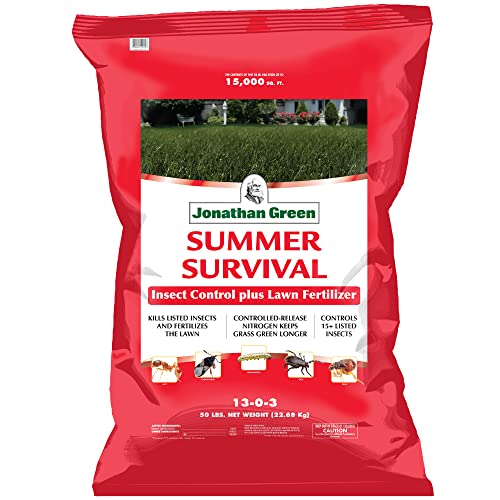
Jonathan Green Summer Survival Insect Control & Fertilizer

Syngenta Caravan G Insecticide Fungicide (30 lb)

Quali-Pro Bifenthrin I/T 7.9 F (1 Gallon)

Control Solutions Cyonara RTS 32oz

Spectracide Triazicide Insect Killer 40 oz Concentrate

Scotts GrubEx1 Season Long Grub Killer

Spectracide Triazicide Lawn Granules 20 lb
The Picks, Examined More Closely
The 96-ounce Atticus Talak bottle is built for homeowners who don’t want to mix concentrate every other week. Bifenthrin is a synthetic pyrethroid, a class of insecticides modeled on natural pyrethrins found in chrysanthemums, and it’s been the workhorse active ingredient in lawn care for decades. Because the formula is water-based, it goes on without leaving a sticky residue, which matters if your kids or pets use the yard during the summer.
For larger suburban lots, a single bottle covers multiple treatment rounds. If your infestation is contained to a smaller patch, the 32-ounce sibling pick further down this list is a less wasteful starting point.
A Strong Showing
- The 96-ounce size lowers the per-ounce cost for anyone treating more than a small patch.
- The water-based formula dries clear and leaves no visible residue on grass blades.
- Compatible with most standard hose-end and pump sprayers, so you don’t need specialty gear.
- Bifenthrin holds its effectiveness across a broad pest spectrum, which helps if grubs, ants, or ticks show up alongside webworms.
- One bottle covers multiple application rounds across a typical season.
Things To Consider
- Mixing ratios vary by pest, so reading the label matters more than with a ready-to-spray option.
- You’ll need a separate sprayer, which adds an upfront cost if you don’t already own one.
Who Should Grab It
Homeowners with a half-acre or larger yard who already own a pump sprayer and want one bottle to last the full season.
Consider Something Else When
The 32-ounce Atticus Talak Concentrate is a better match for treating a single small lawn section.
Agrisel’s gallon jug sits in the same bifenthrin family as the Atticus picks above, but the brand leans toward turf and ornamental professionals. If you’ve spent summers treating lawn pests around ornamentals, shrubs, or garden beds, the broad pest list here covers spiders, ants, fleas, mole crickets, and stink bugs alongside the usual surface insects.
One thing worth flagging: the gallon format is overkill for a small city lot, so casual homeowners will probably find a smaller concentrate or ready-to-spray a smarter spend.
Benefits That Matter
- A full gallon handles multiple treatment rounds on mid-sized to large lawns.
- Works on lawns, ornamentals, and around agricultural settings, which suits properties with mixed landscaping.
- The formula is designed to be pet-safe once it dries, so kids and dogs can return to the lawn on the same day.
Points To Keep In Mind
- Gallon jugs weigh more than smaller bottles and require careful storage away from pets and children.
- Application rates differ between lawn and ornamental use, so the label needs a careful read.
Feature Snapshot
Whose Shelf It Belongs On
Turf-care professionals and homeowners with properties over a half-acre who treat more than one pest category each season.
Look Elsewhere When
The Spectracide Triazicide Concentrate is a better option for vegetable gardens where edible crops are part of the picture.
The 32-ounce Atticus Talak is the same water-based bifenthrin formula as the 96-ounce sibling above, just in a friendlier size. For first-time treaters, the smaller bottle is easier to measure, easier to store, and less wasteful if you only need one application round.
If you’ve never treated lawn insects before, this is a reasonable starting point. You can always move up to a larger jug next season once you’ve worked out your coverage needs.
The Value In It
- The smaller bottle is approachable for homeowners who don’t want a leftover jug sitting in the garage for two years.
- Water-based, odor-free formula keeps treatment days stress-free.
- Same active ingredient as larger concentrates, so you don’t trade effectiveness for size.
- Dries clear with no residue, so treated grass looks the same the next day.
Some Limits To Know
- Not enough concentrate to cover very large properties without multiple refills.
- You’ll still need a separate sprayer and a quick read of the label to get the mix right.
Right Fit For
First-time users with smaller suburban lawns who want the same active ingredient without committing to a multi-season jug.
Where Another Pick Suits Better
The Control Solutions Cyonara RTS bottle is easier for anyone who’d rather skip mixing and use a hose-end sprayer instead.
Jonathan Green’s Summer Survival takes a different angle: it lists sod webworms among the surface pests it targets, and it feeds the lawn at the same time. The 13-0-3 analysis means 13 percent nitrogen, no phosphorus, and 3 percent potash, a blend designed for summer feeding without pushing excessive top growth when heat is already stressing the grass.
For homeowners who want a single pass to address both pests and pale summer color, this is the closest thing on the list to a one-trip solution. Coverage reaches up to 15,000 square feet, which lines up with a typical suburban lot.
Practical Advantages
- Two-in-one formula means one trip across the lawn instead of two.
- Targets more than 15 listed insects, including chinch bugs, armyworms, and sod webworms.
- Slow-release nitrogen feeds for about two months, keeping the lawn greener through summer.
- Covers up to 15,000 square feet, which suits most suburban lots.
Trade Offs
- Spreader calibration matters: too much in one spot can scorch the lawn in summer heat.
- Granules need watering in to activate, so plan on irrigation immediately after application.
Key Product Details
Best Suited To
Homeowners whose lawns are both pale and pest-stressed mid-summer and who want one product to address both issues.
Skip It When
The Syngenta Caravan G is a smarter pick if you also need fungal disease control alongside insect treatment.
Syngenta’s Caravan G is the only product on this list that pulls double duty as both an insecticide and a fungicide. The granules combine an insect-active component with a systemic fungicide, so a single application can address pests and disease pressure in the same trip.
For lawns where brown patch, dollar spot, or other fungal issues appear alongside webworm damage, this saves a separate fungicide pass. The 30-pound bag also reseals, which is helpful if you treat in stages across a large property.
What Earns Its Place
- Insect plus fungicide in one product simplifies the summer treatment schedule.
- Targets white grubs, chinch bugs, sod webworms, and a long list of turf diseases.
- Easy-close bag reduces waste from spills and keeps product fresh between applications.
- Granular format works with standard broadcast spreaders.
Honest Caveats
- The 30-pound bag is heavy to carry and store.
- Application timing windows are narrow, so a missed window means waiting for the next treatment window.
Made For
Homeowners with larger lawns that struggle with both insects and fungal disease pressure during the summer months.
Reach For A Different Pick When
The Jonathan Green Summer Survival option is a better match when fertilizer feeding is also part of your summer routine.
Quali-Pro’s Bifenthrin I/T is the premium-tier cousin to the generic bifenthrin concentrates on this list. It’s a flowable formulation, meaning the active ingredient is suspended in liquid rather than dissolved, and it’s labeled for tougher pests including termites, carpenter ants, fleas, mites, and ticks.
For homeowners who manage athletic fields, larger estates, or properties near wooded edges where pest pressure runs high, the residual activity and broad label coverage justify the premium positioning.
What Pays Off
- Broader pest label than standard concentrates, including termites and carpenter ants.
- Approved for residential lawns, ornamentals, commercial, and athletic field use.
- Flowable formulation mixes easily and stays suspended in the tank.
- Long residual control reduces how often re-treatment is needed.
Where It May Fall Short
- The premium positioning comes at a higher per-gallon cost than generic bifenthrin.
- The label lists many use sites, which can feel overwhelming for first-time users.
Spec Overview
Perfect Match For
Property managers and homeowners with high pest pressure who want one concentrate to cover multiple problem areas.
A Better Fit Elsewhere
The Agrisel Bifenthrin Pro is a similar gallon option that costs less for homeowners who don’t need termite-grade coverage.
The Cyonara RTS bottle is built around one idea: skip the measuring cup. You attach the bottle to a garden hose, and the ready-to-spray nozzle dilutes the formula on the way out. For anyone who doesn’t already own a pump sprayer or who hates mixing concentrate, that alone is a meaningful reason to pick it.
If you’ve been treating mosquitoes, fire ants, and other listed pests with a hose-end bottle for years, the transition to webworm control feels familiar. Just keep in mind RTS bottles have a finite spray time per container, so very large lawns may need more than one bottle.
Reasons It Performs
- No measuring or mixing: hook to a hose, squeeze the trigger, walk the lawn.
- Compact 32-ounce bottle is easy to carry and store.
- Covers multiple listed pests including mosquitoes, so the bottle earns its keep beyond webworm season.
Details To Watch
- Coverage per bottle is limited, so larger lawns may need a refill mid-treatment.
- Application rate depends on walking speed, which makes even coverage a bit of an art.
Built With In Mind
Casual homeowners who want fast treatment without buying a separate sprayer or measuring concentrate.
Another Choice May Suit
The Spectracide Triazicide Insect Killer concentrate is a better fit for larger properties where RTS bottles run out too quickly.
Spectracide’s Triazicide concentrate is a different active ingredient family from the bifenthrin picks above: it uses lambda-cyhalothrin, another synthetic pyrethroid. The label lists more than 260 insect types, which gives it one of the widest pest lists of any concentrate in this category.
If your lawn borders a vegetable patch or fruit trees, the Triazicide label covers those areas too. The trade-off is that with such a broad label, careful reading matters to avoid misuse.
The Upside
- Targets more than 260 listed insects, covering grubs, ticks, Japanese beetles, and more.
- Works above and below ground, so surface and subsurface pests are both in play.
- Approved for use around vegetables, fruit and nut trees, roses, and ornamentals.
- The 40-ounce bottle fits a mid-size property without running out mid-treatment.
Worth Bearing In Mind
- The concentrate requires mixing and a separate sprayer, so it’s less grab-and-go than RTS options.
- With edible crops in the mix, pre-harvest intervals need careful attention.
Who It Suits Best
Homeowners with mixed lawns that include vegetable beds, fruit trees, or large ornamental borders.
Swap It Out When
The Jonathan Green Summer Survival option is a better match for lawns that also need summer feeding alongside pest control.
Scotts GrubEx1 takes a preventive angle. The active ingredient, chlorantraniliprole, works by interfering with the muscle function of larvae as they hatch, which means the timing window matters more than the spread speed. Apply before grub activity starts and you can expect protection through the season.
The label also covers caterpillars like armyworms, which often appear alongside webworm damage. For homeowners who want to time one application in late spring and forget about grubs until fall, this is the cleanest approach.
What Works In Its Favor
- One application can prevent grubs for up to four months.
- Covers 5,000 square feet, which fits an average suburban lawn.
- Granular format spreads with a standard broadcast spreader.
- Targets caterpillars including armyworm in addition to grubs.
Less Ideal Details
- Preventive timing means late applications miss the window for season-long control.
- Coverage caps out around 5,000 square feet, so larger lots need more than one bag.
The Right Fit
Homeowners who want a preventive spring application rather than reactive summer treatments.
A Better Fit Elsewhere
The Spectracide Triazicide Granules are a more reactive option for homeowners who spot damage mid-season.
The granular version of Spectracide’s Triazicide trades the mixing step for a rotary or broadcast spreader. Granules spread evenly across the lawn and water in afterward, which suits homeowners who already own a spreader and don’t want to manage liquid concentrate.
Like the concentrate version, this product lists more than 100 insect types. The 20-pound bag covers a substantial area, so a single bag handles most mid-sized lots without needing a refill.
Bright Spots
- No mixing required, just spread and water in.
- Targets more than 100 listed insect types above and below ground.
- Useful as a band treatment around the home foundation as well as on the lawn itself.
- Effective against listed ants, crickets, armyworms, cutworms, grubs, and ticks.
Practical Considerations
- Spreader calibration affects how evenly granules are distributed.
- Light watering after application is required to activate the granules.
Who Will Love This
Homeowners with rotary or broadcast spreaders who prefer granular treatments over liquid concentrates.
Not Your Match When
The Jonathan Green Summer Survival is a smarter choice when fertilizer feeding is part of the same seasonal routine.
What Matters Most Before Choosing Sod Webworm Treatments
Form: Liquid vs. Granular
The first fork in the road is the format. Liquid concentrates like the bifenthrin jugs mix into a tank sprayer and coat leaves and thatch quickly, which helps when webworms are actively feeding. Granular products like Scotts GrubEx1 or Spectracide Triazicide Granules spread dry and need watering in, but they suit anyone who already uses a rotary spreader for fertilizer. If your lawn is small and you don’t own a spreader, an RTS bottle or a small concentrate plus a pump sprayer is usually the cheapest path.
Active Ingredient and Spectrum
Pyrethroids are synthetic insecticides modeled on natural compounds found in chrysanthemum flowers. Bifenthrin, lambda-cyhalothrin, and similar active ingredients fall into this class and dominate the lawn-treatment market. Bifenthrin concentrates tend to emphasize broad surface pest control, while preventive products like GrubEx1 use different modes of action that target larvae. Match the ingredient to the timing: preventive products need to go down before damage appears, while contact insecticides treat active infestations.
Coverage and Lawn Size
Square-foot ratings vary a lot across this list. A 5,000-square-foot bag is fine for an average suburban lot, but anything over a half-acre likely needs a gallon jug or a 20-pound granular bag. Calculate roughly: 1 gallon of mixed spray typically covers around 2,000 to 3,000 square feet depending on the label rate. For preventive products, erring on the side of full coverage is wiser than skimping.
Key Considerations Across These Picks
Pitfalls Shoppers Hit
The biggest mistake is misreading the label on application rate. Liquid concentrates require careful measuring, and doubling the dose won’t double the effectiveness; it can scorch the lawn. Another common slip is treating during the wrong part of the day. Midday applications in summer heat evaporate quickly, while late evening or early morning is when caterpillars are most active and the spray stays on the grass longer. Granular products need watering in within a short window, so skipping that step wastes the application.
When Paying More Pays Off
The premium concentrates on this list earn their higher per-ounce cost through broader pest labels and longer residual activity. If your lawn borders wooded areas, has multiple pest species showing up at once, or supports athletic or commercial use, the residual staying power of a bifenthrin I/T formulation saves repeat trips across the lawn. For a single webworm outbreak on a small yard, the value concentrates are typically the smarter spend.
Frequently Asked Questions
What time of year should I treat for sod webworms?
Sod webworm activity peaks in mid to late summer when caterpillars are feeding most actively. Spotting adult moths flying in zigzag patterns over the lawn at dusk is a strong early signal.
Are these products safe for pets after they dry?
Most liquid concentrates on this list are safe once the spray has fully dried, but always check the specific product label. Granular products also need watering in and drying time before pets return to the lawn.
Can I treat sod webworms and fertilize at the same time?
Yes. Combination products like Jonathan Green Summer Survival blend insecticide with controlled-release fertilizer, which works well during mid-summer feeding windows.
Do I need a separate sprayer for liquid concentrates?
Yes. Concentrates are not ready-to-spray. A standard pump sprayer or hose-end sprayer is needed to apply them correctly.
How long does it take to see results after treatment?
Contact insecticides typically reduce feeding activity within a few days. Preventive products work over the following weeks as larvae are affected during development.
Closing Remarks
The right sod webworm treatment depends on your lawn size, your timing, and how much mixing you’re willing to do. For preventive coverage, granular options like Scotts GrubEx1 make sense in spring. For active summer outbreaks, bifenthrin concentrates and RTS bottles handle the job quickly. Match the format to your gear, read the label before measuring, and your lawn should bounce back before the season ends.
